Big Beech Trail
"Spring is nature's way of saying, 'Let's party!'" — Robin Williams
3/8/2026 - 57° Sunny
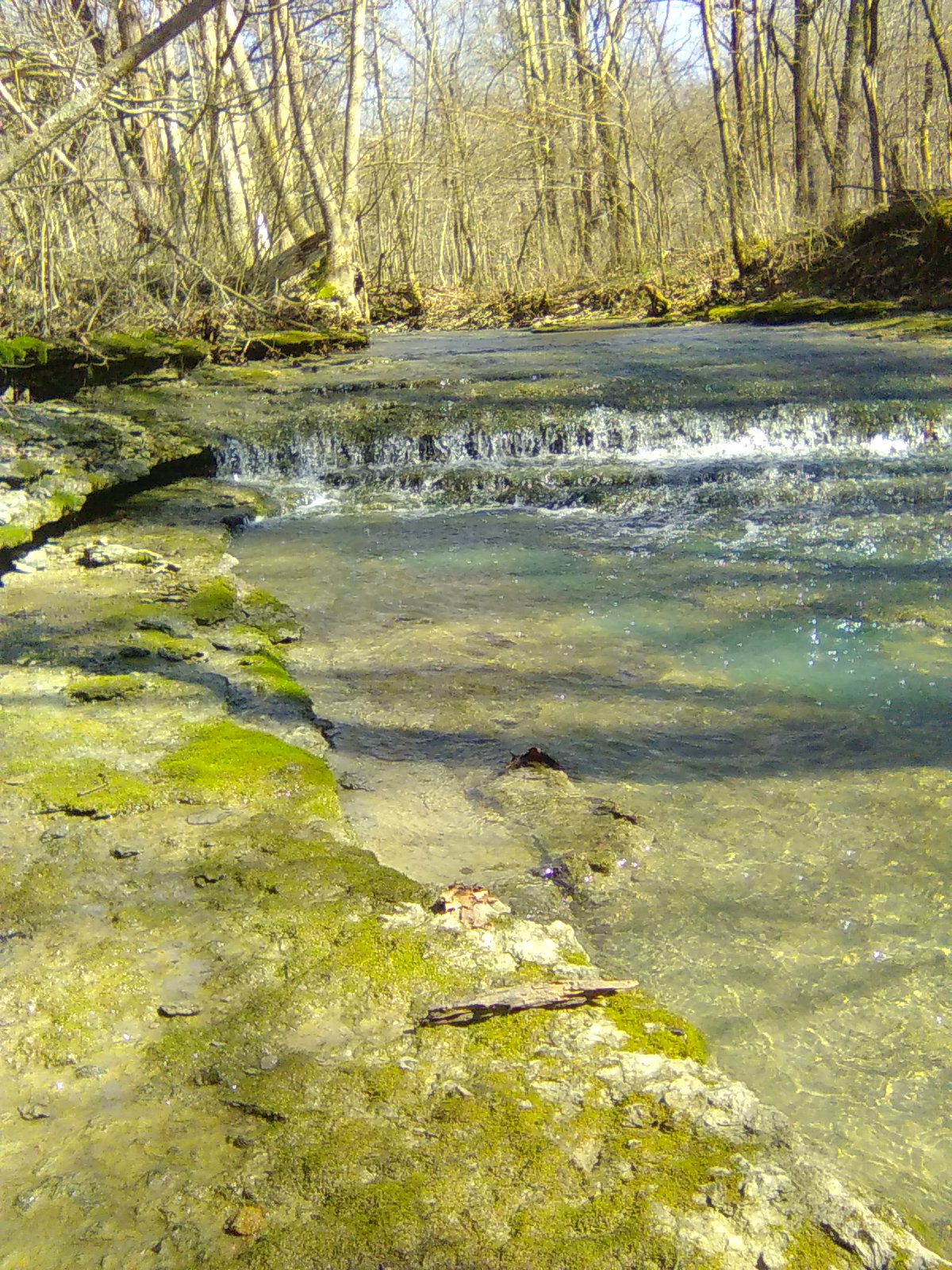
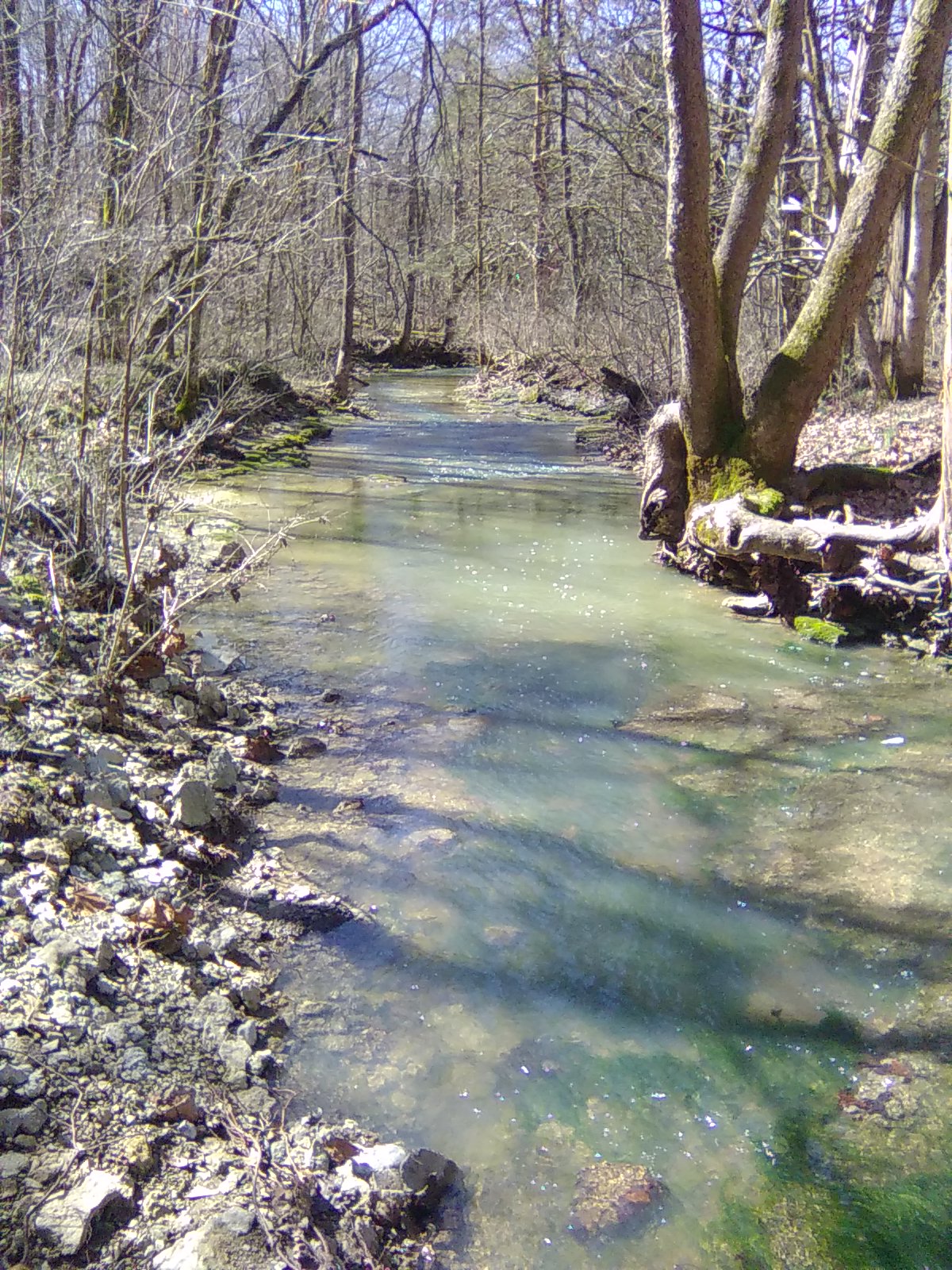
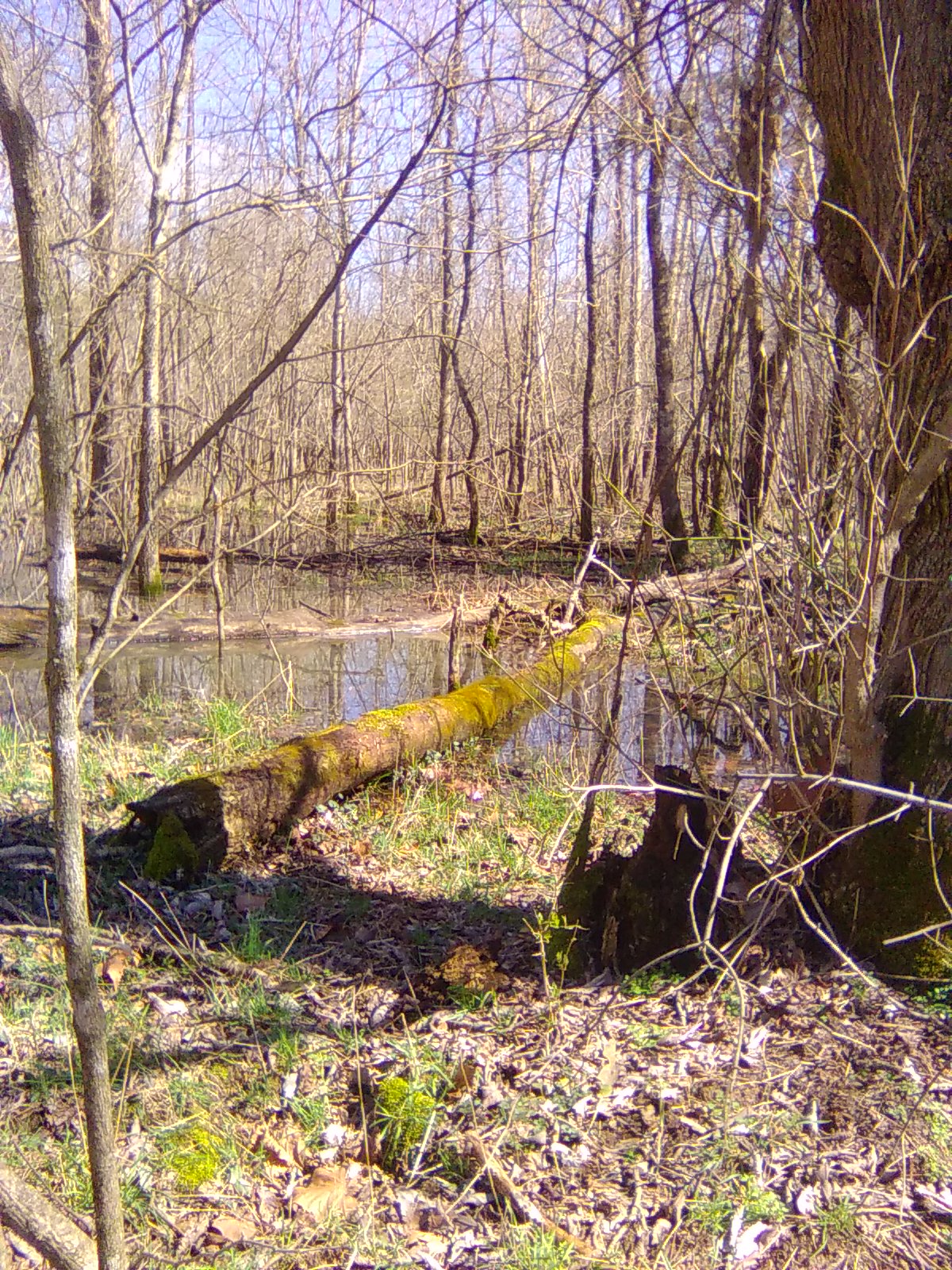
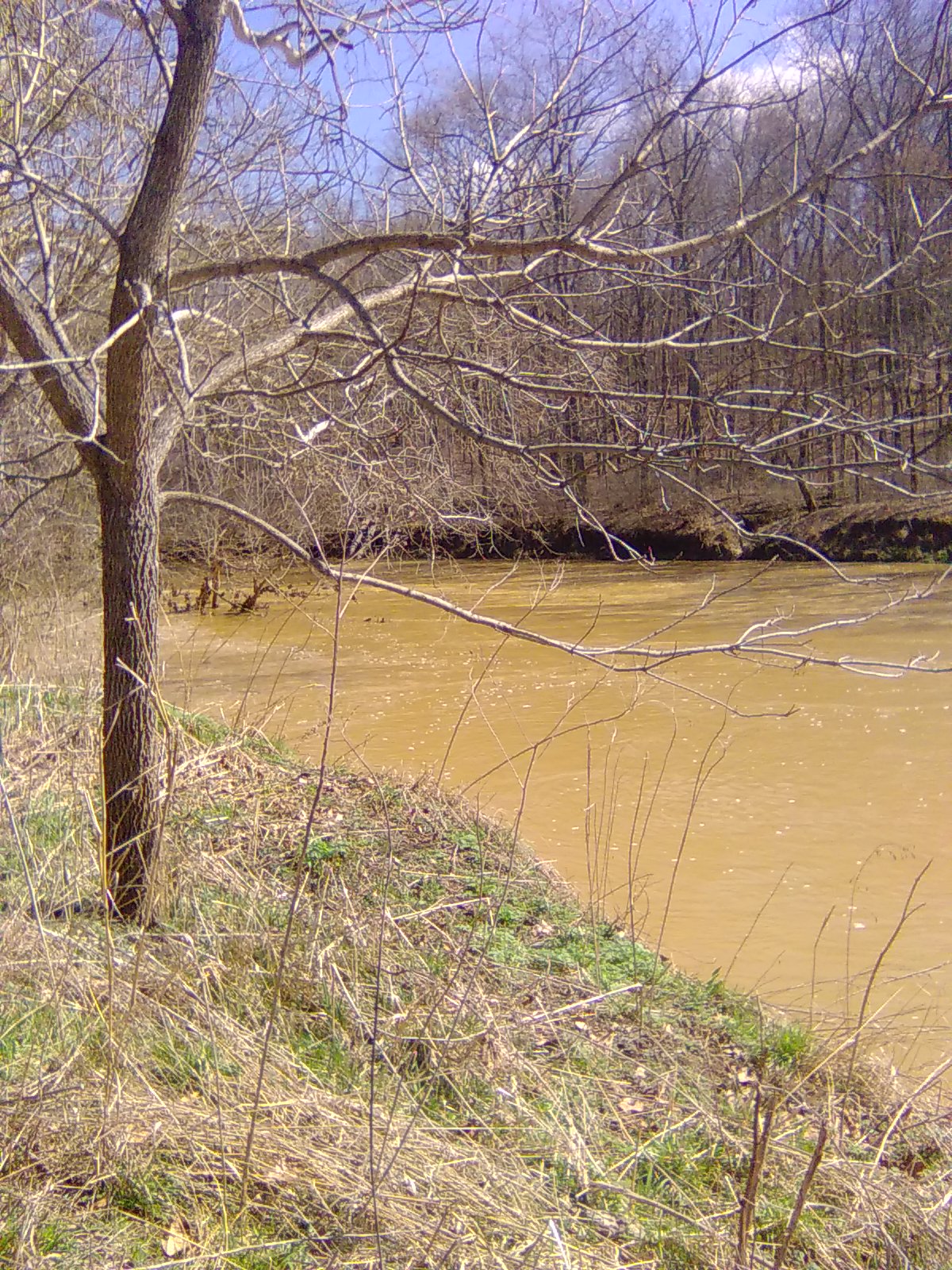
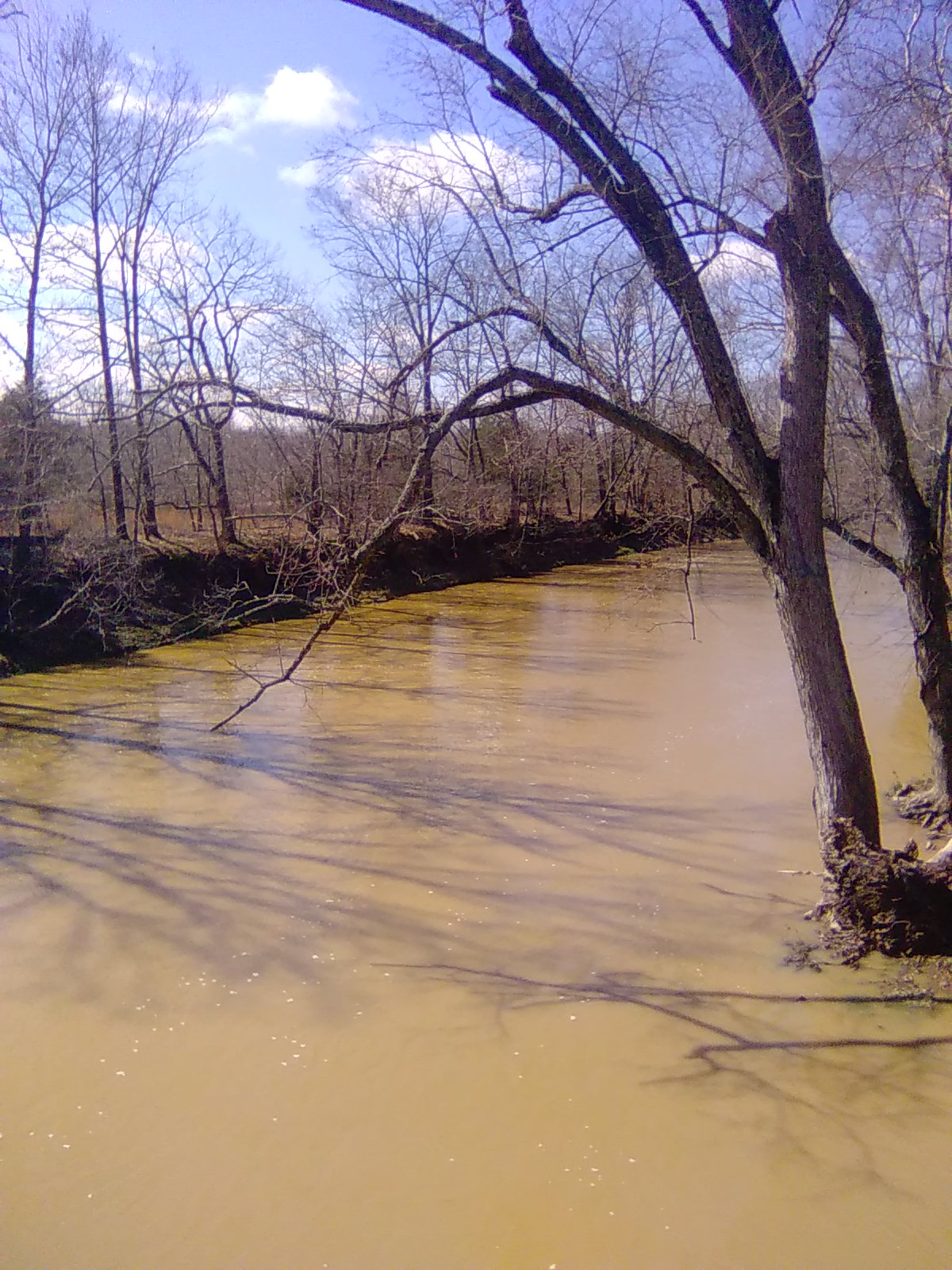
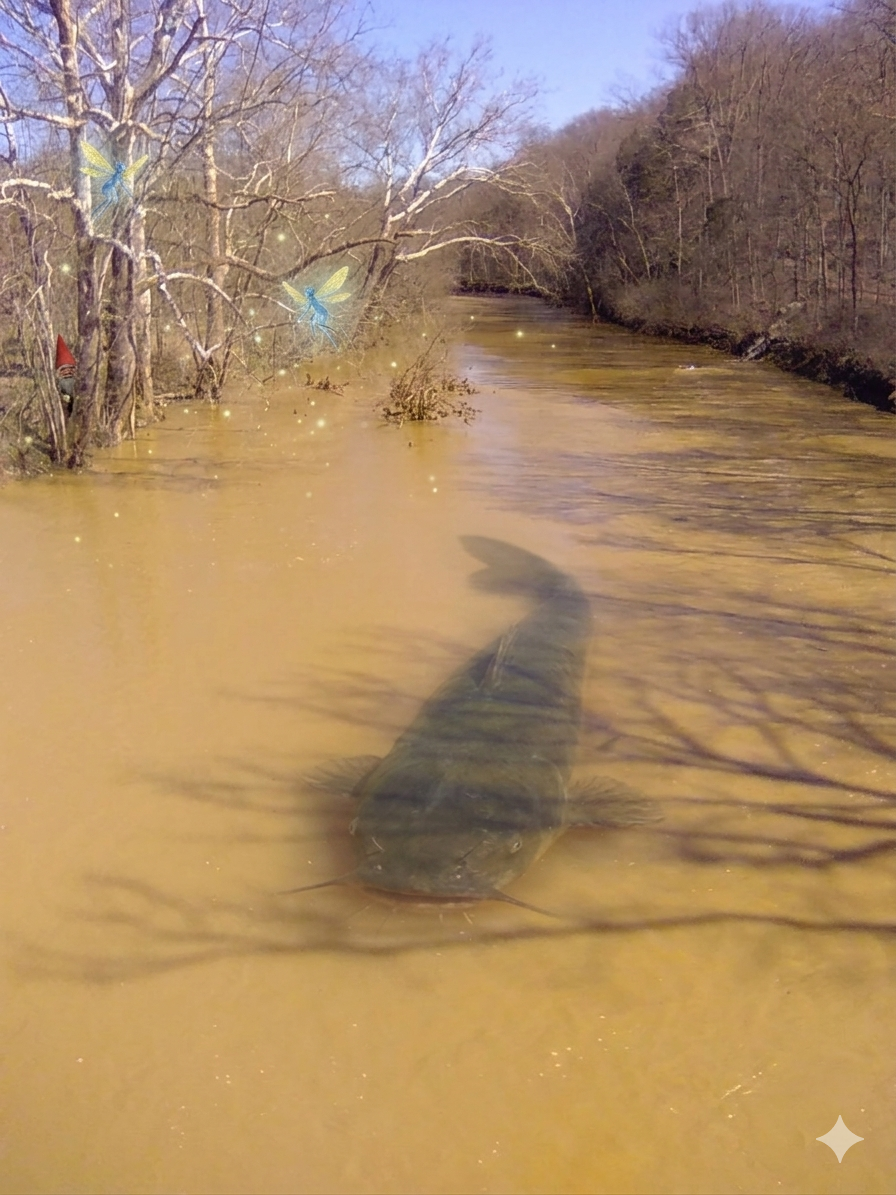
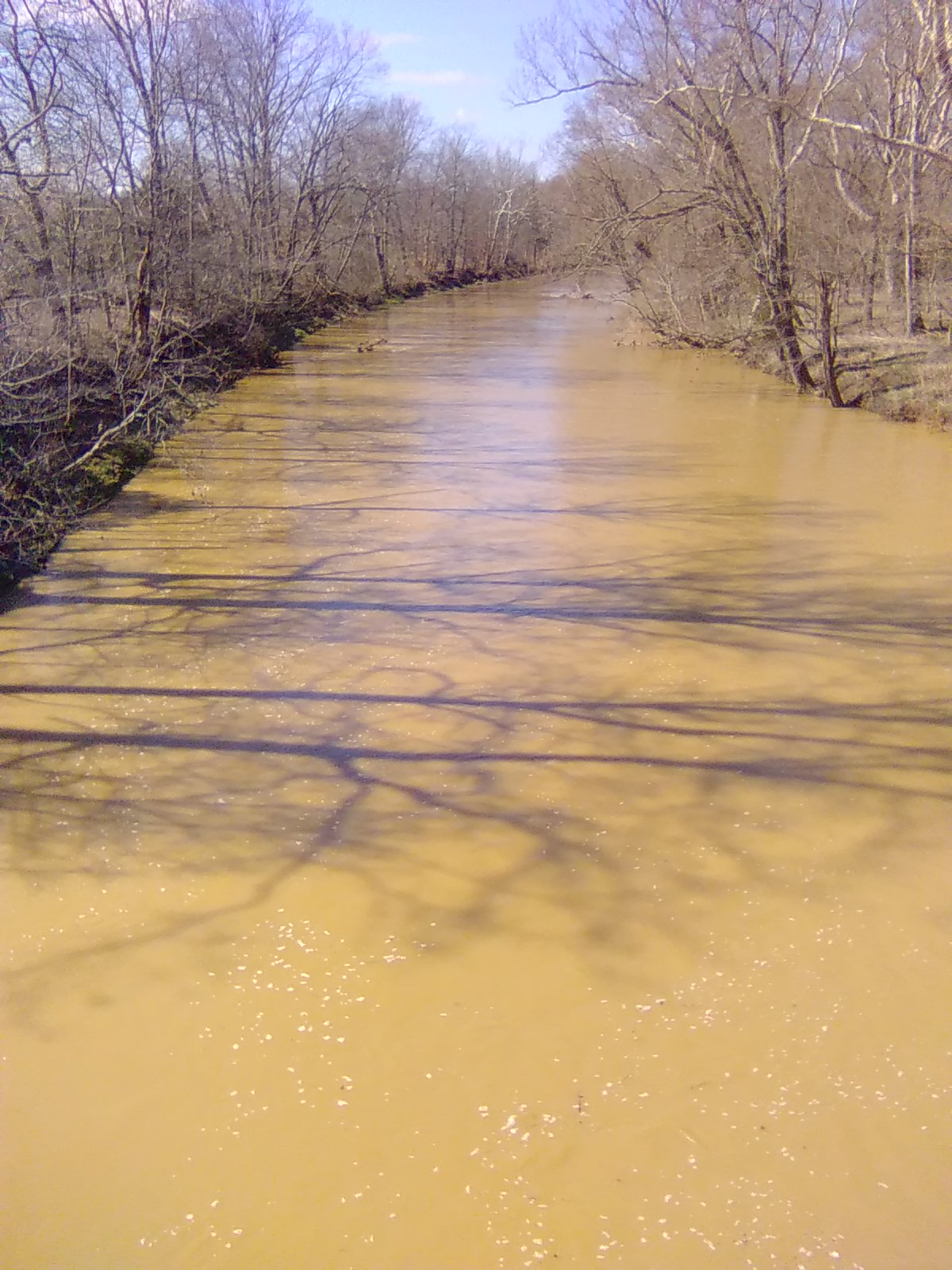
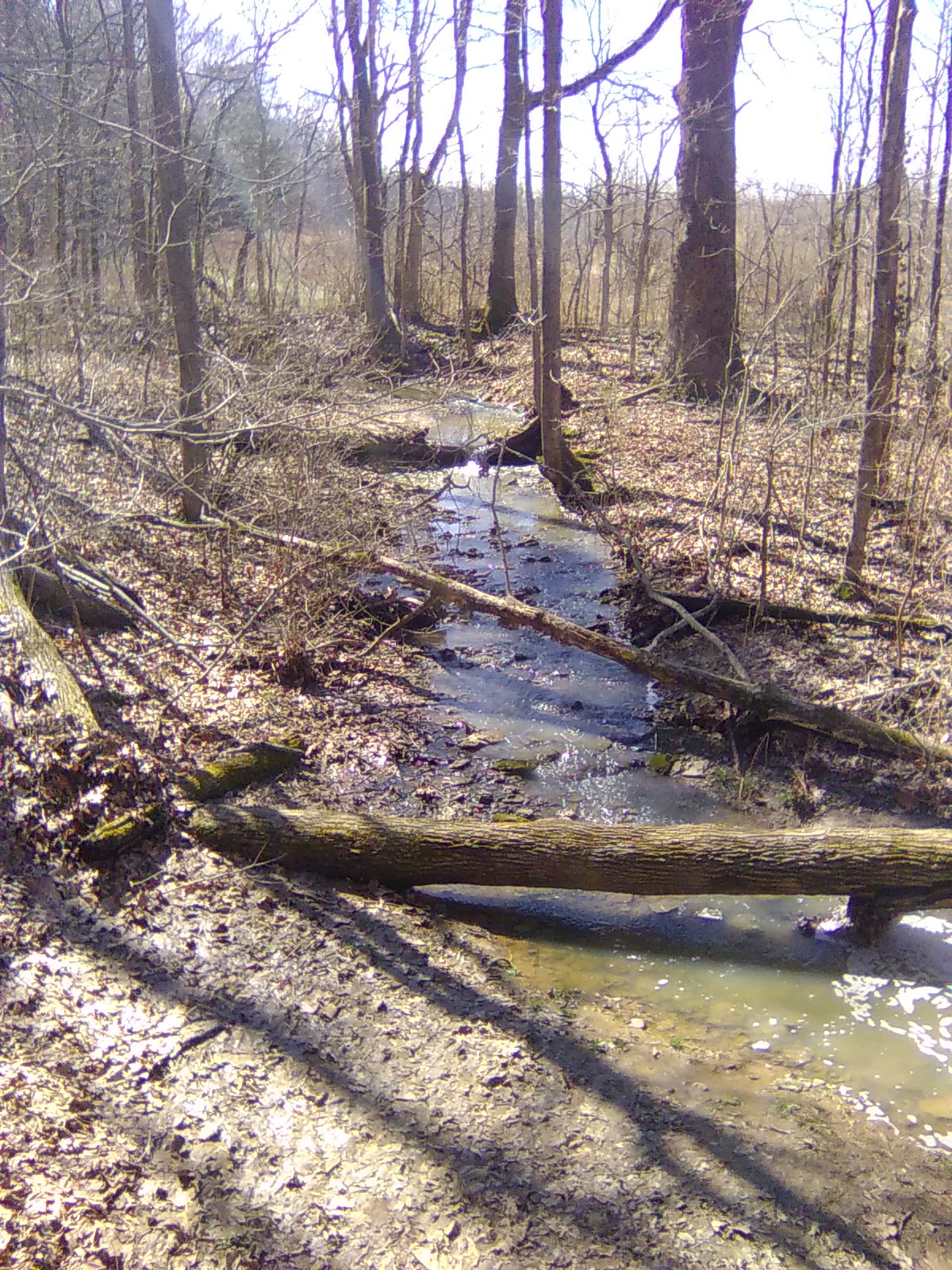
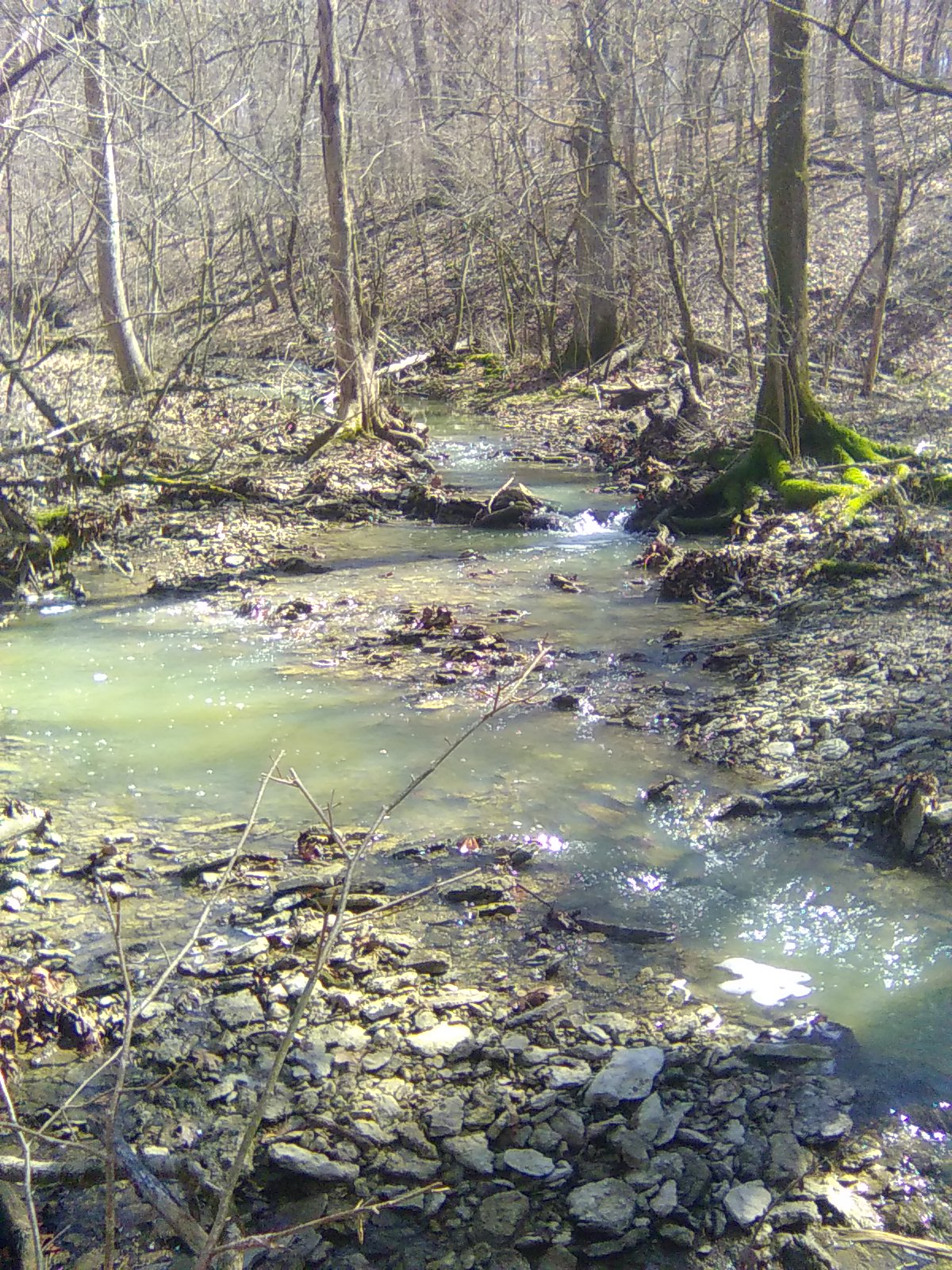
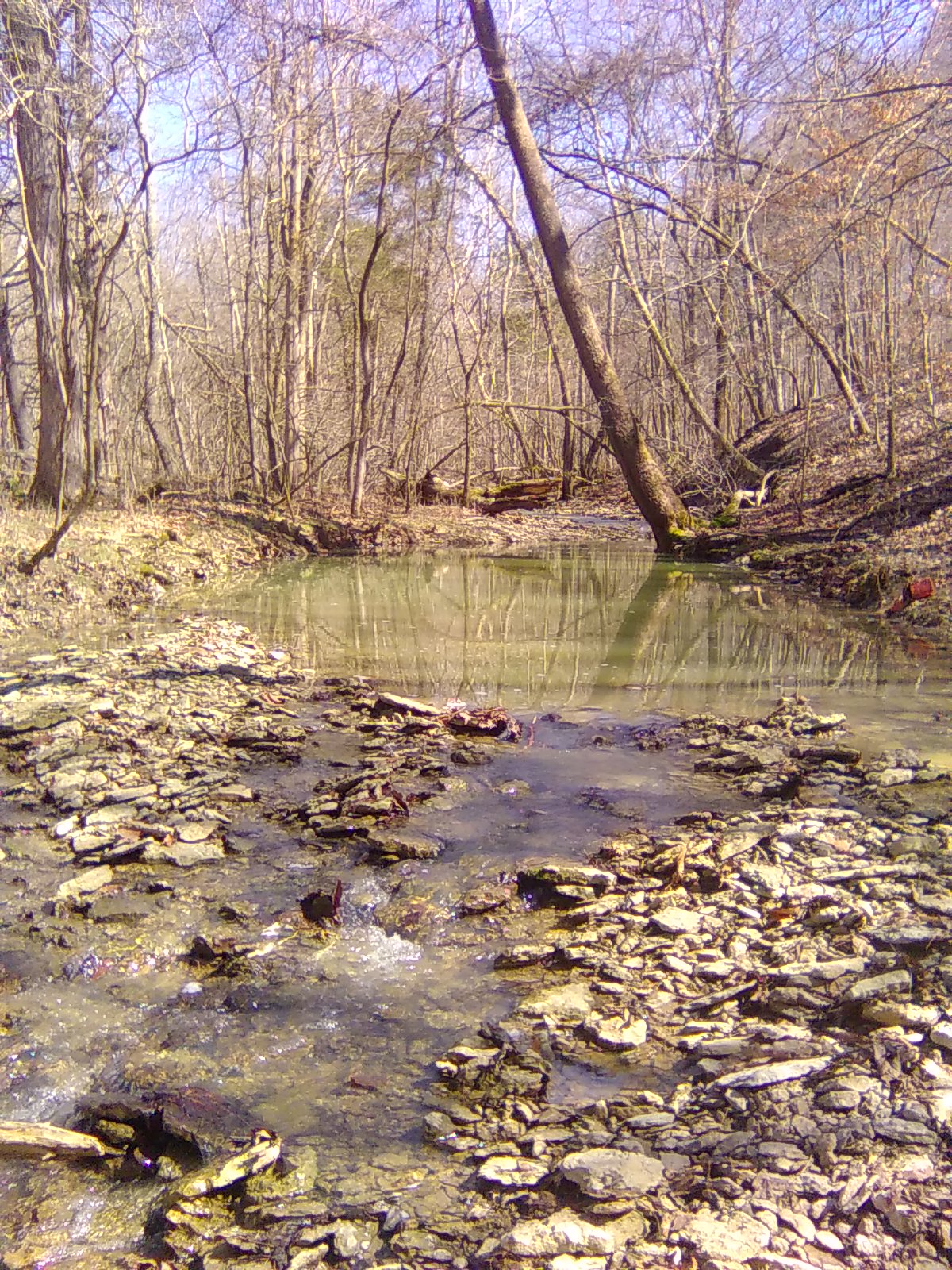
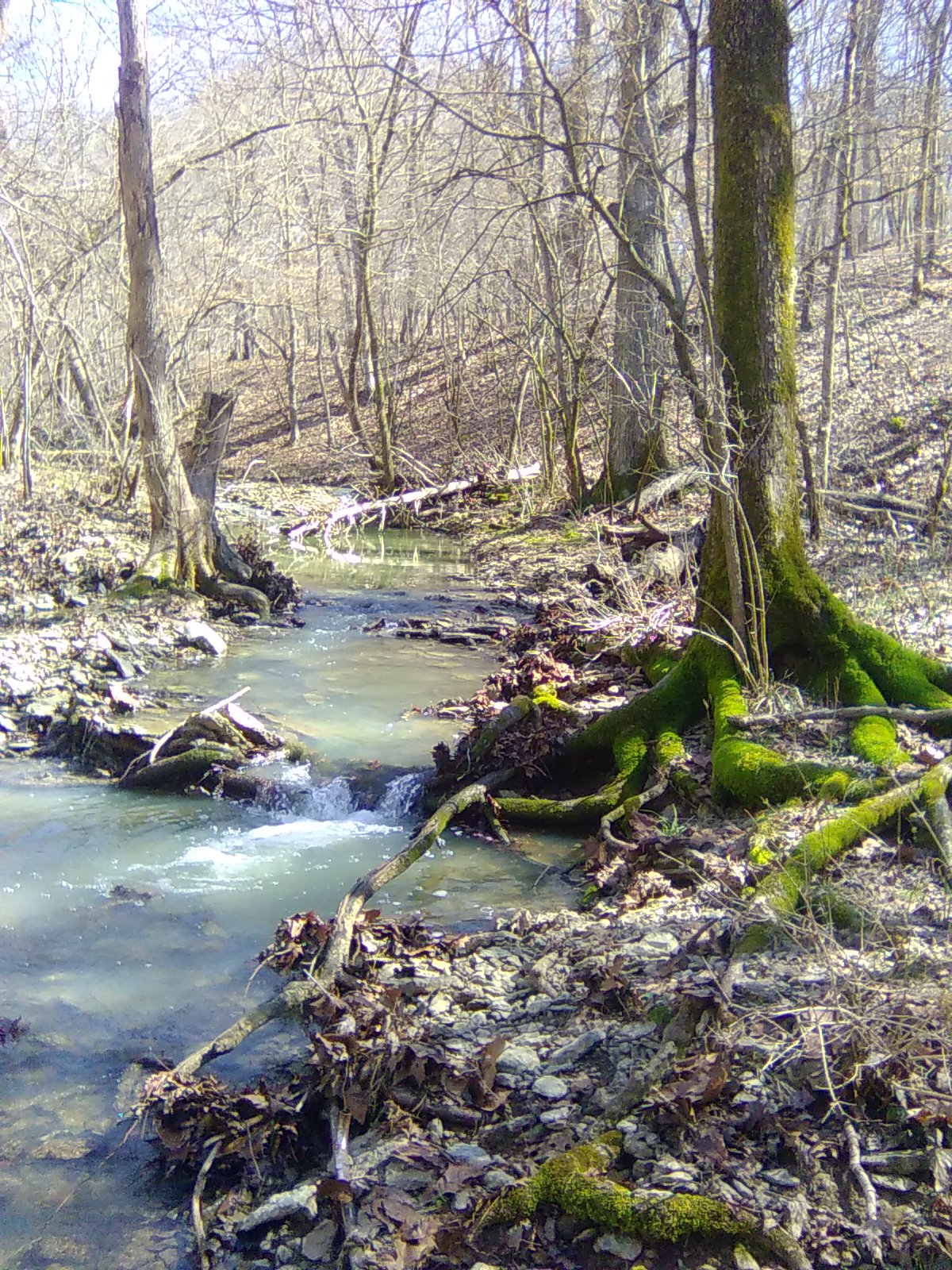
The Spring Peeper frog greeted me on arrival. I think the other critters might start making their way out soon. Floyds Fork was rolling today. Clear and sunny out.
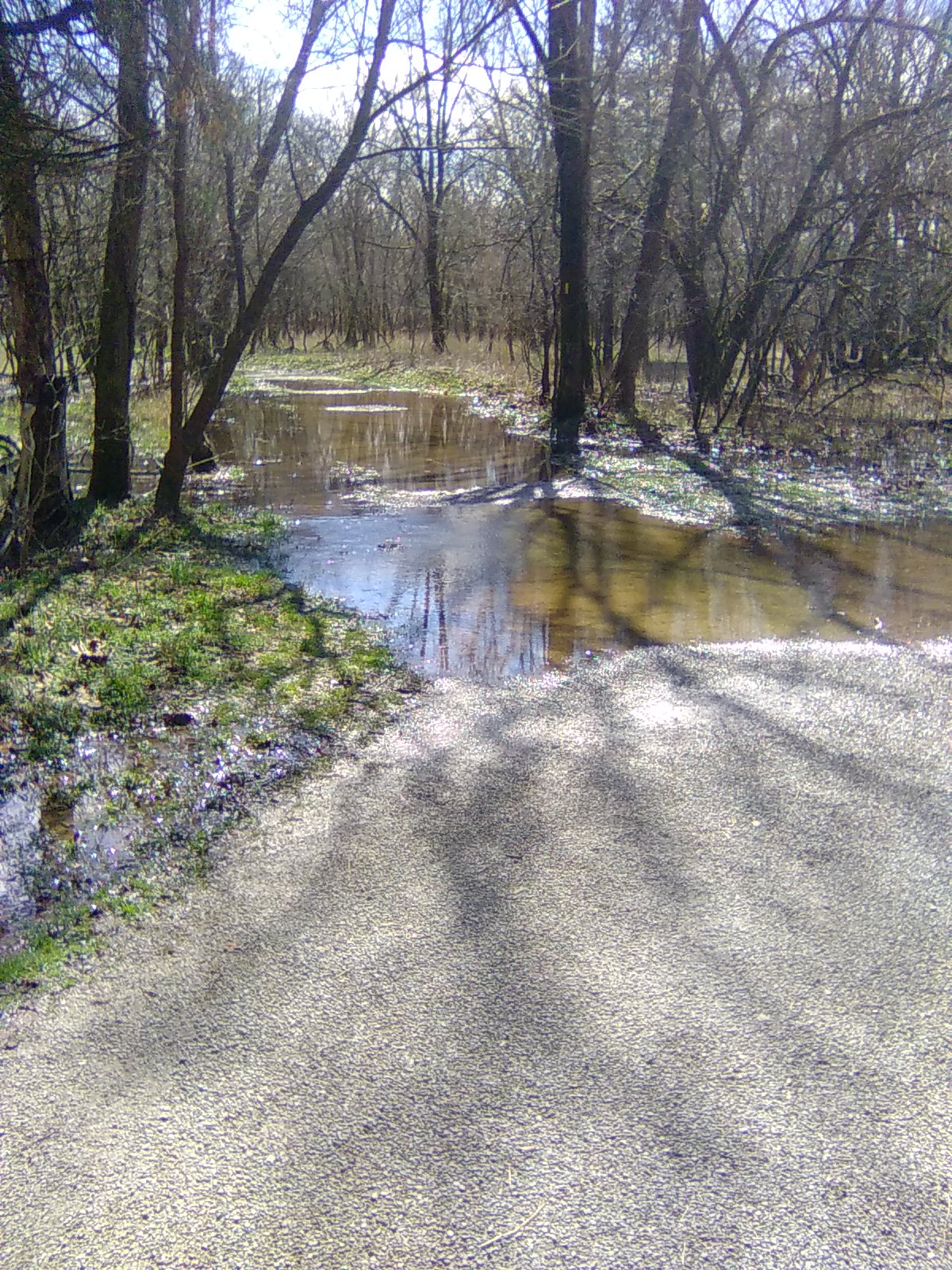
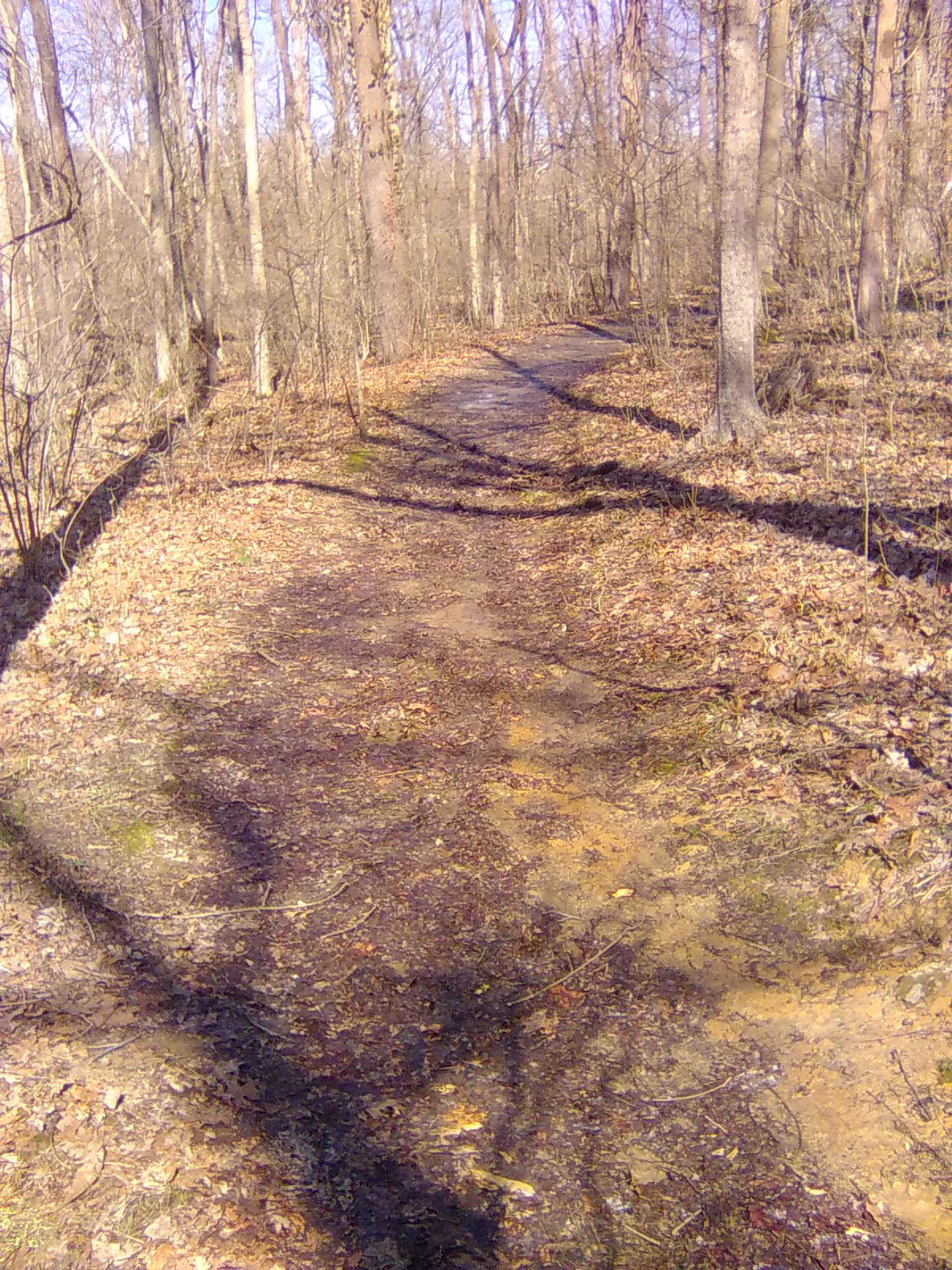
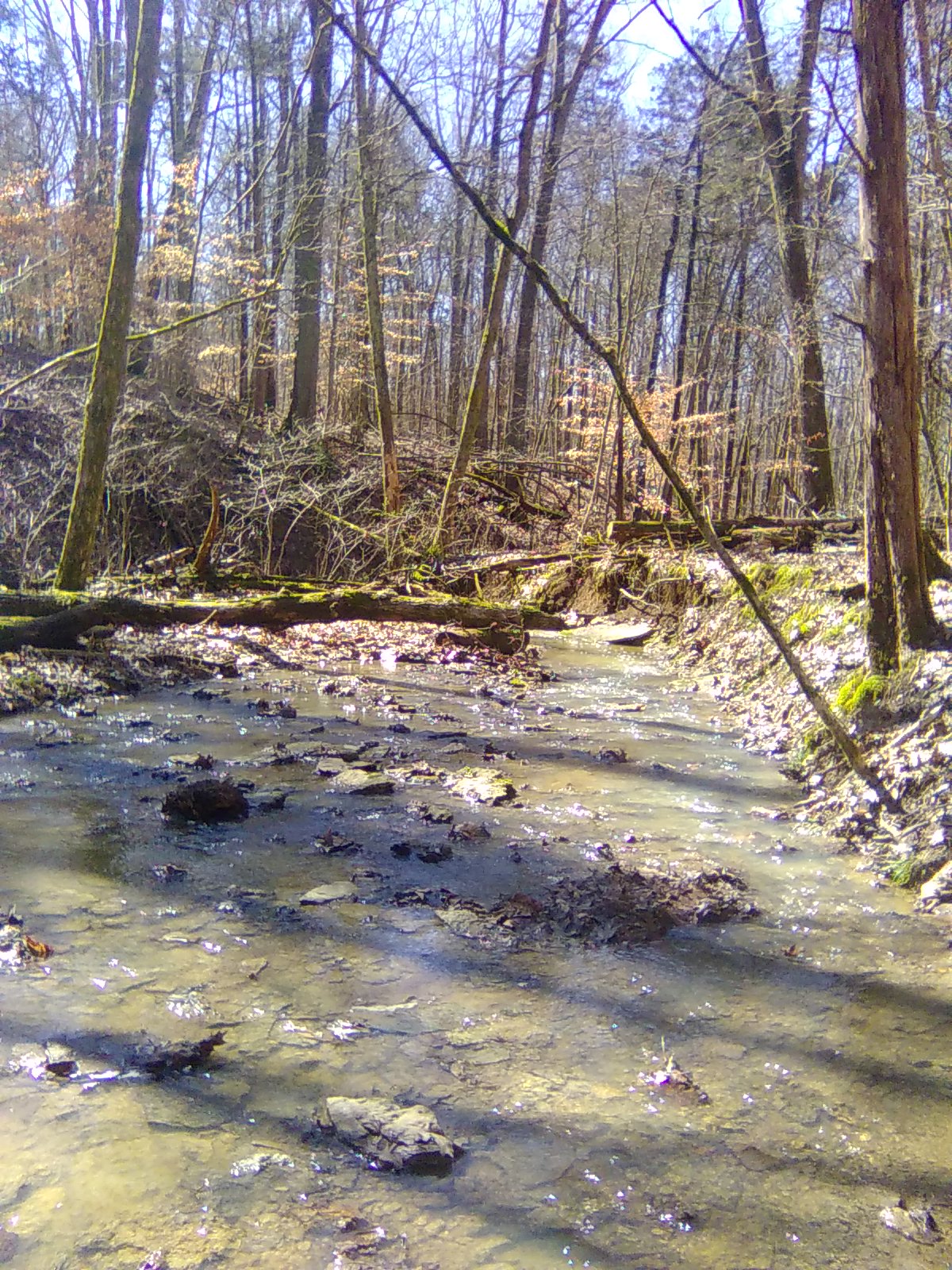
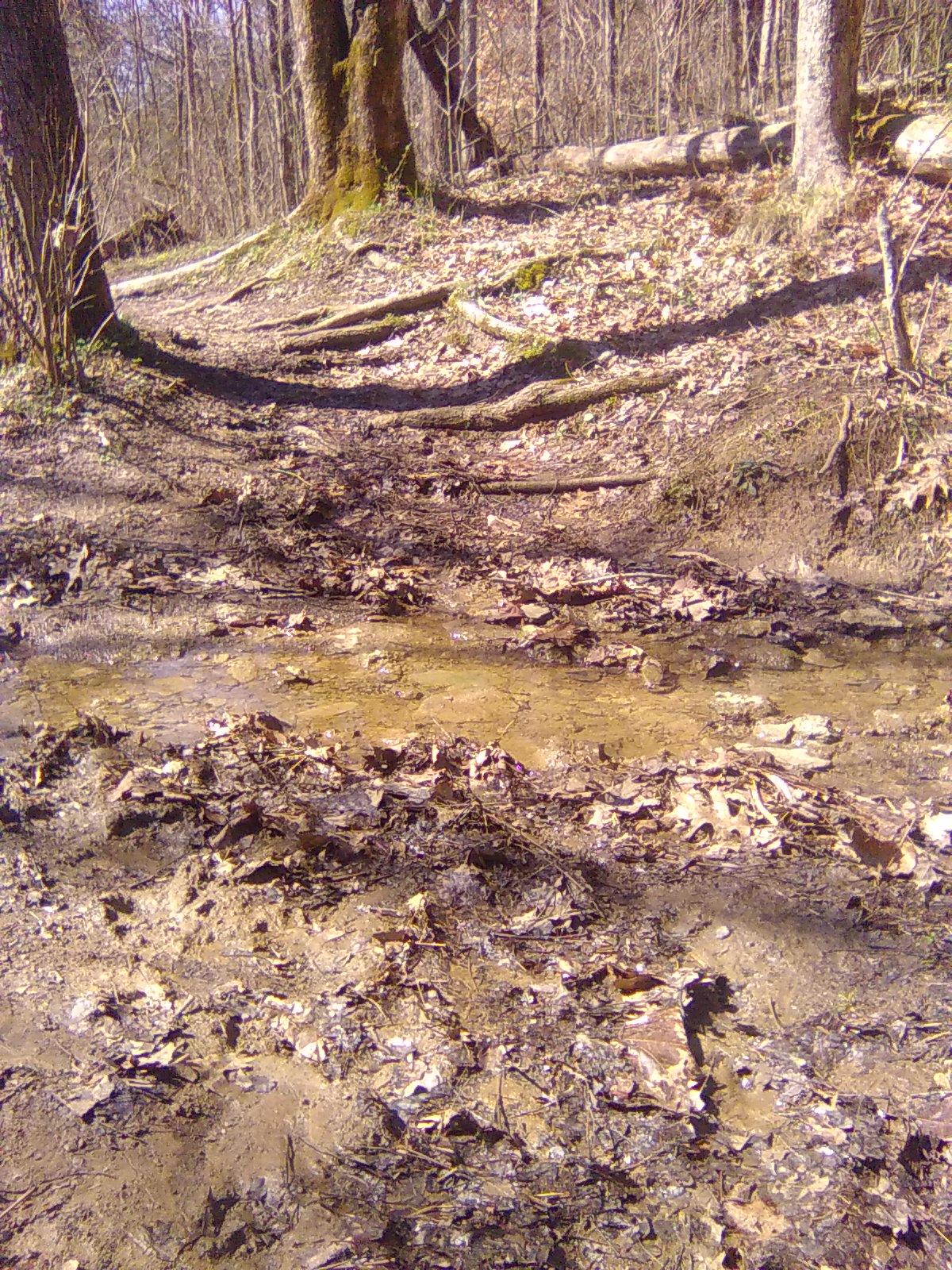
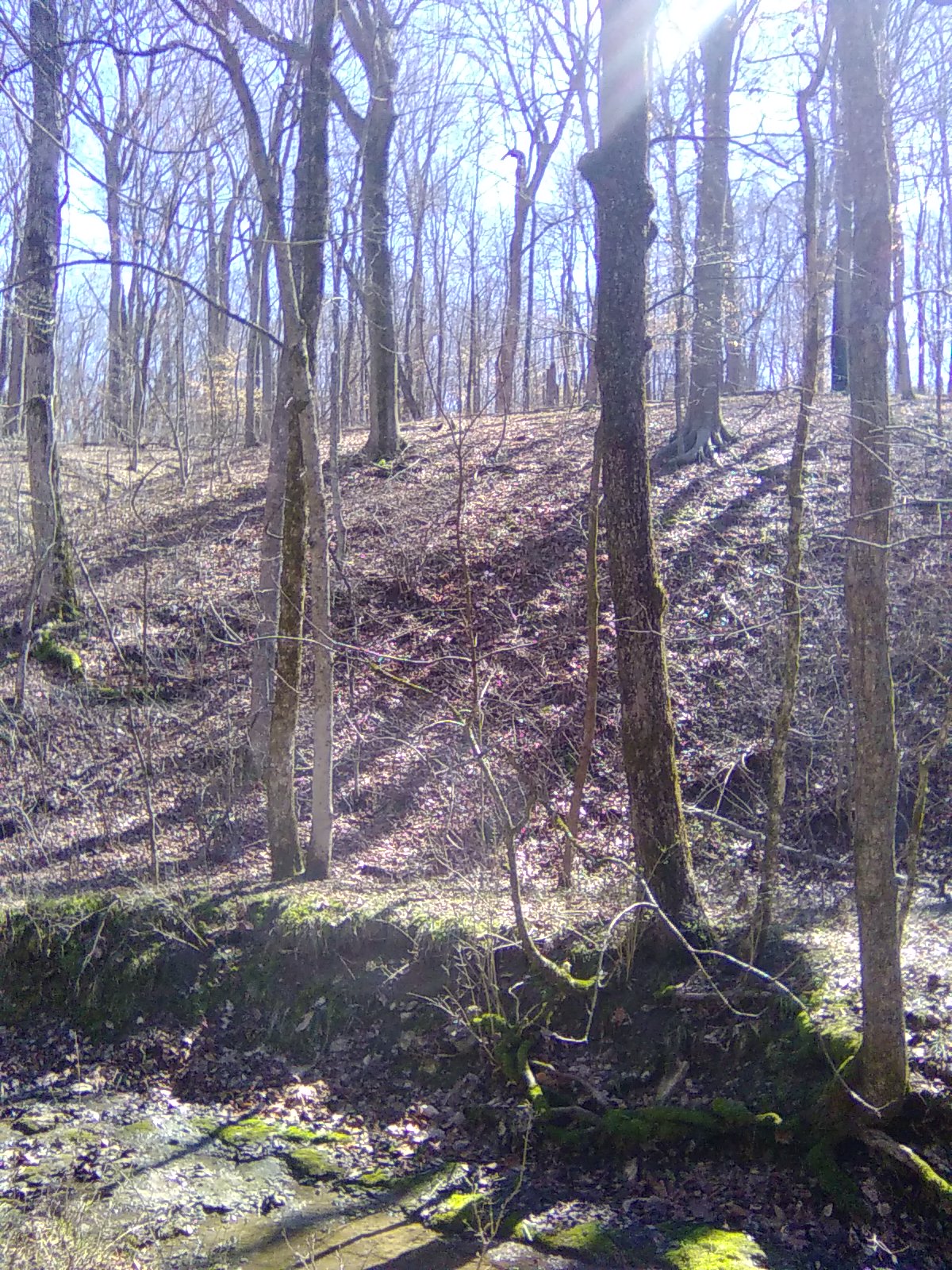
After all the rain yesterday I knew it would be a mud run, but this was the most wet and muddy run to date.
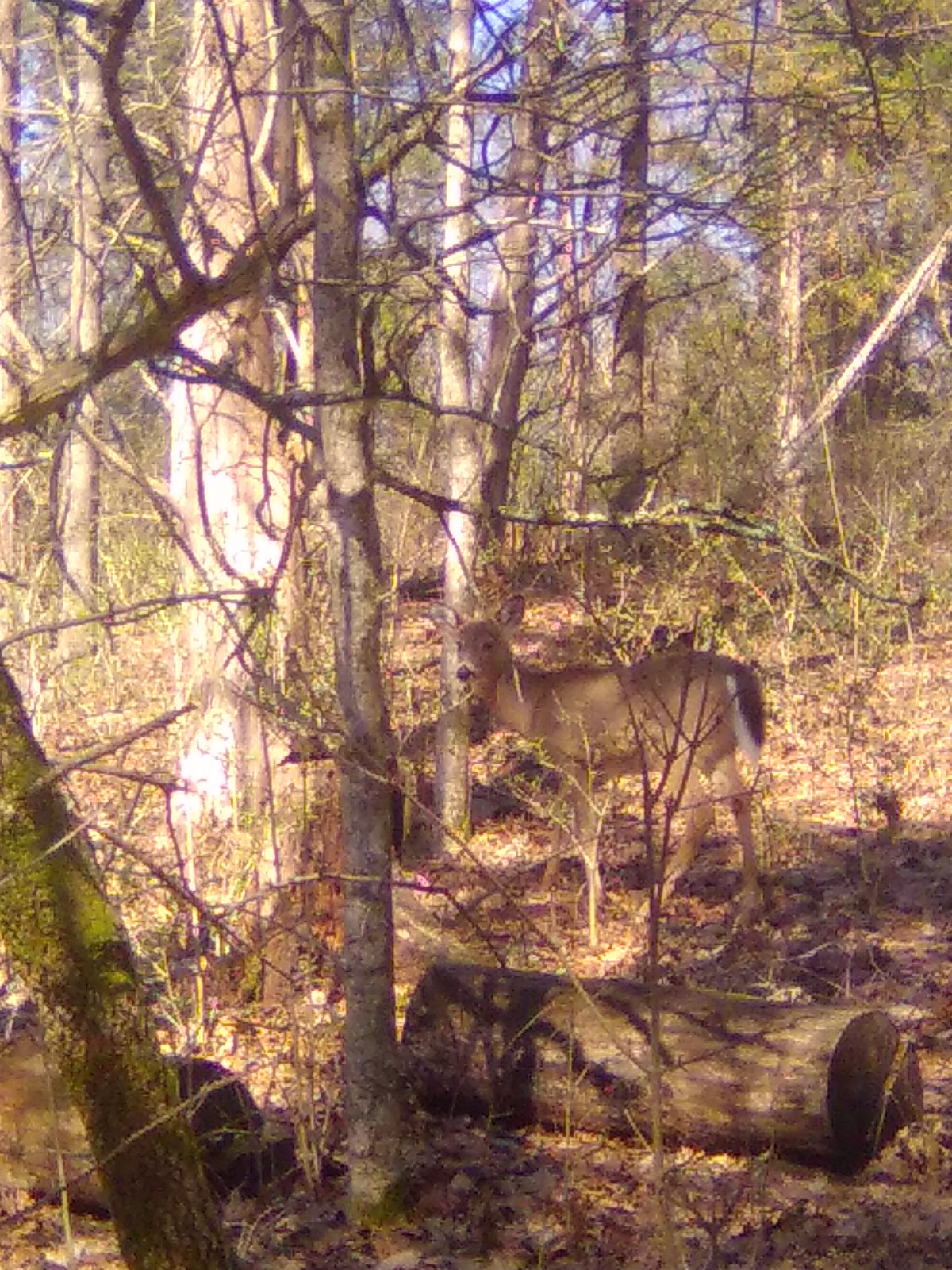
While focusing on the trail I came right up on a deer. He did not seem scared at all. I stopped to visit and continued on.
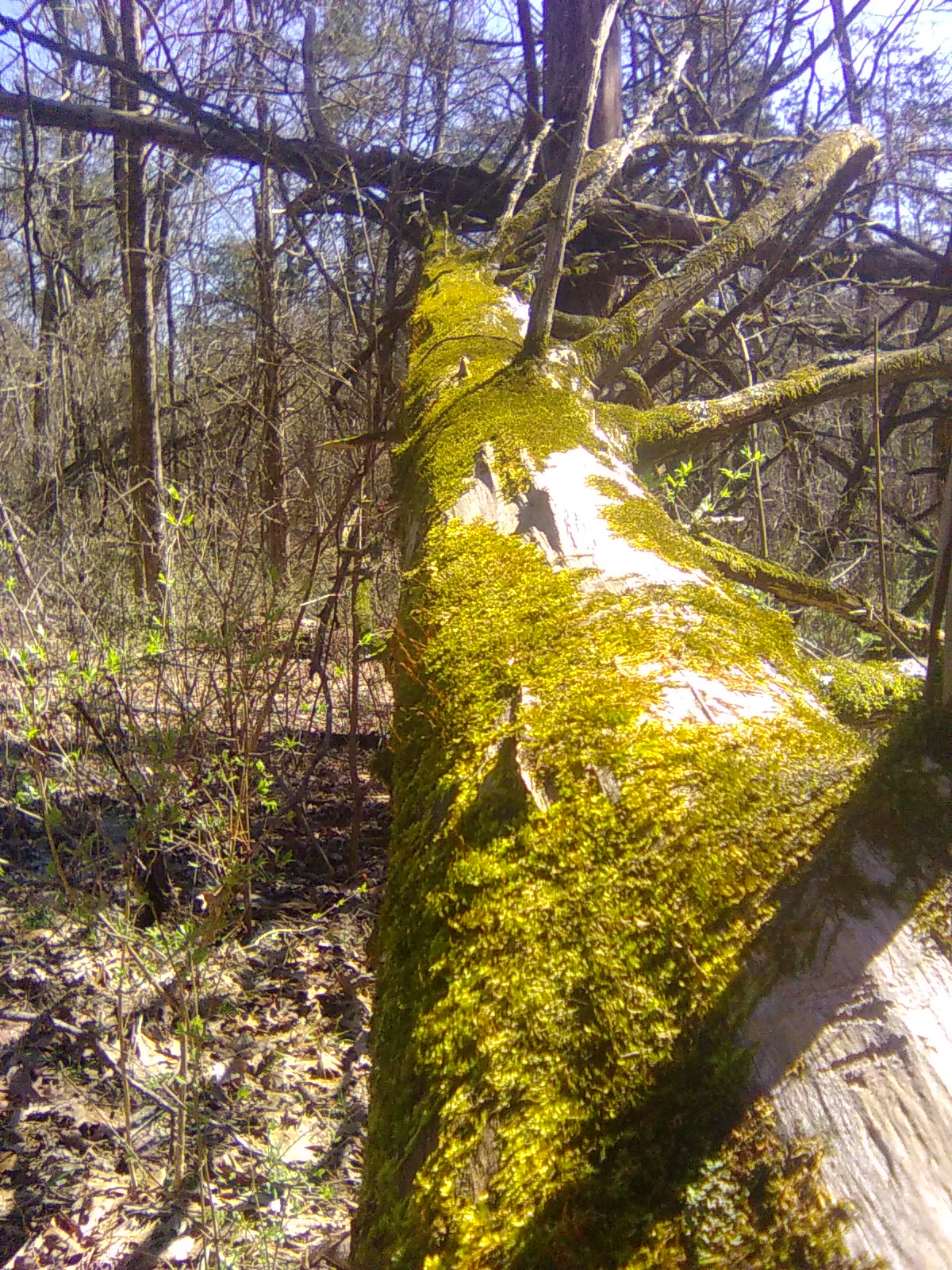
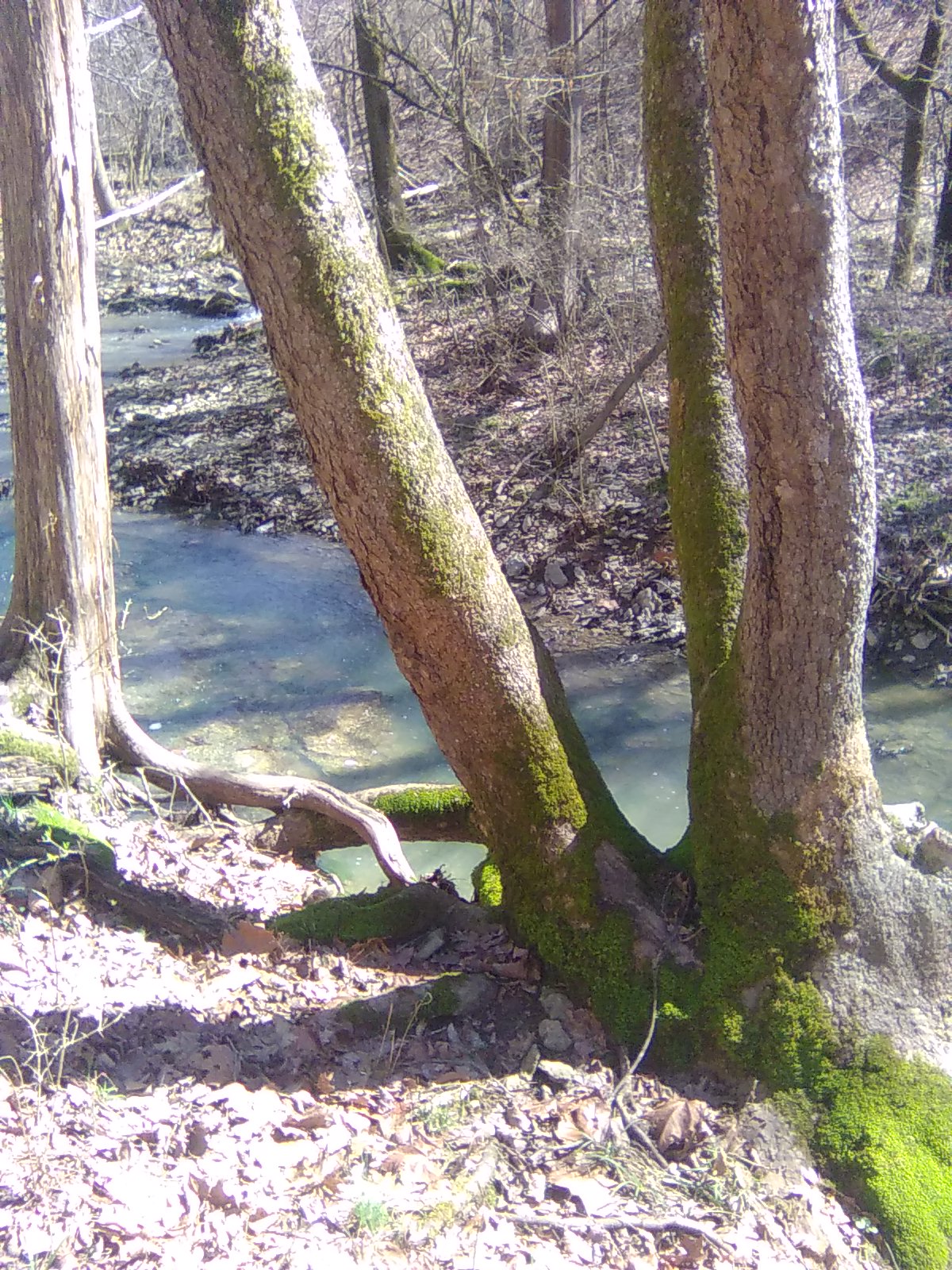
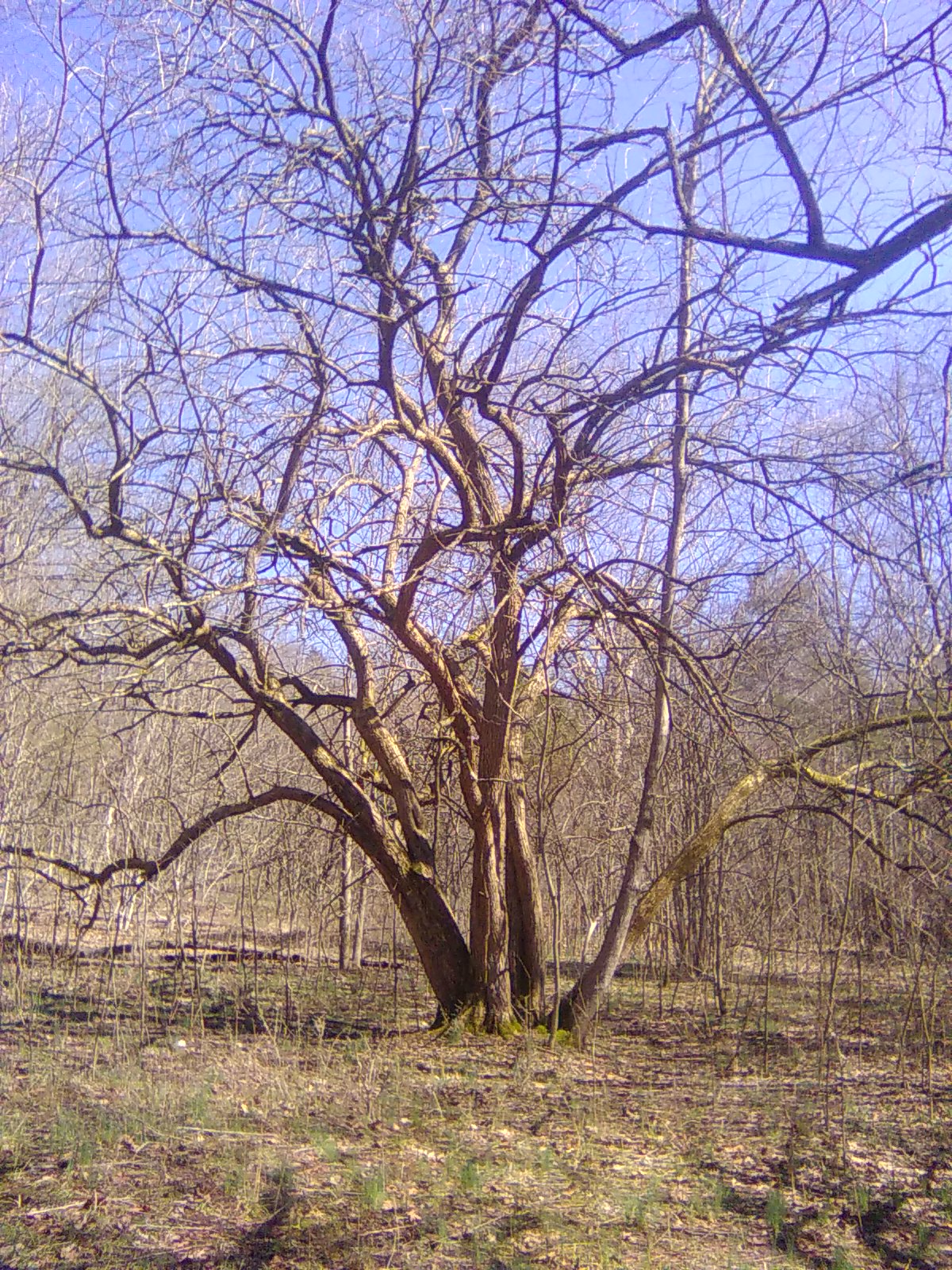
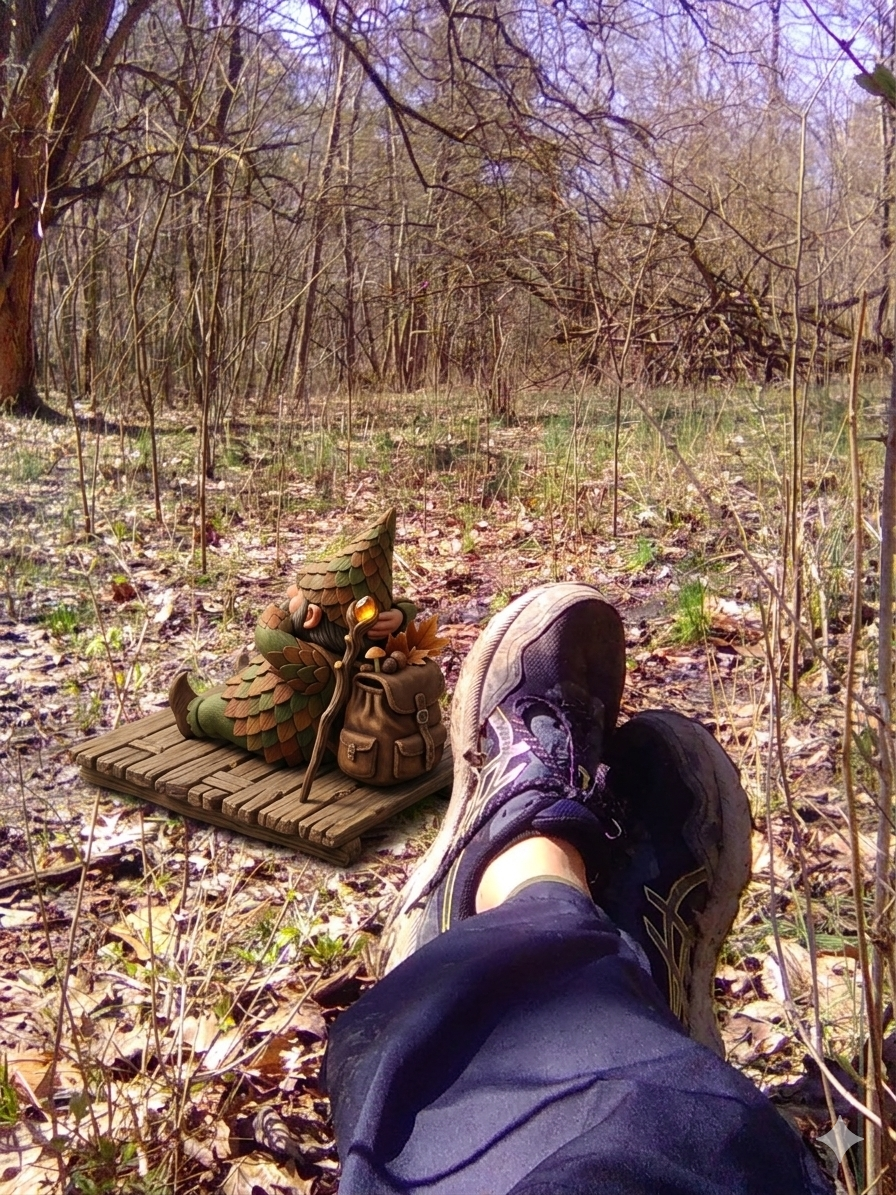
The creek on the back side of the trail was showing some great waterfalls. Stopped under an Osage Orange tree (a male I think) and rested in a nice nook.
Jumped on the Prairie Trail and got in some good short intervals.
Past and Present
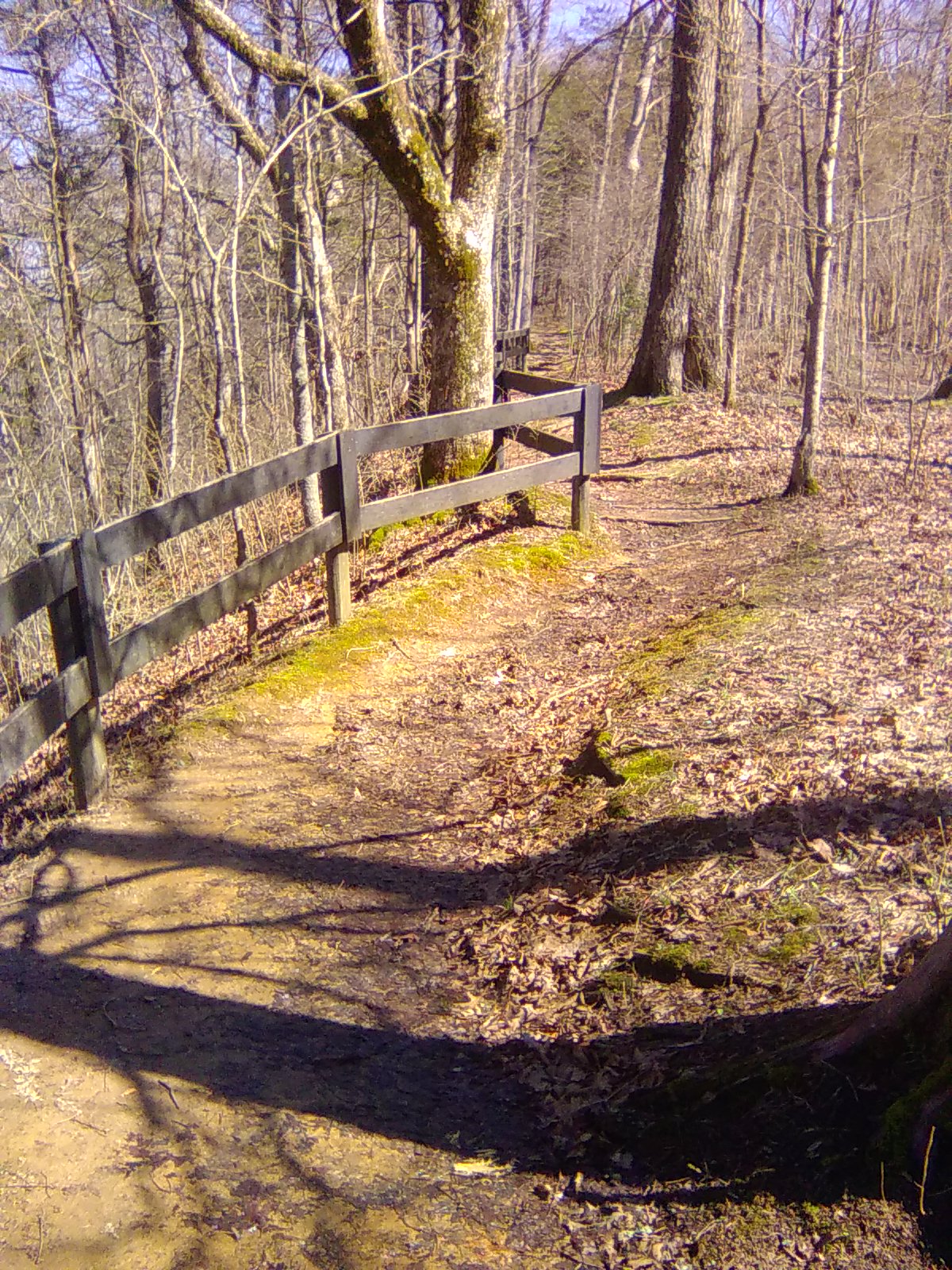
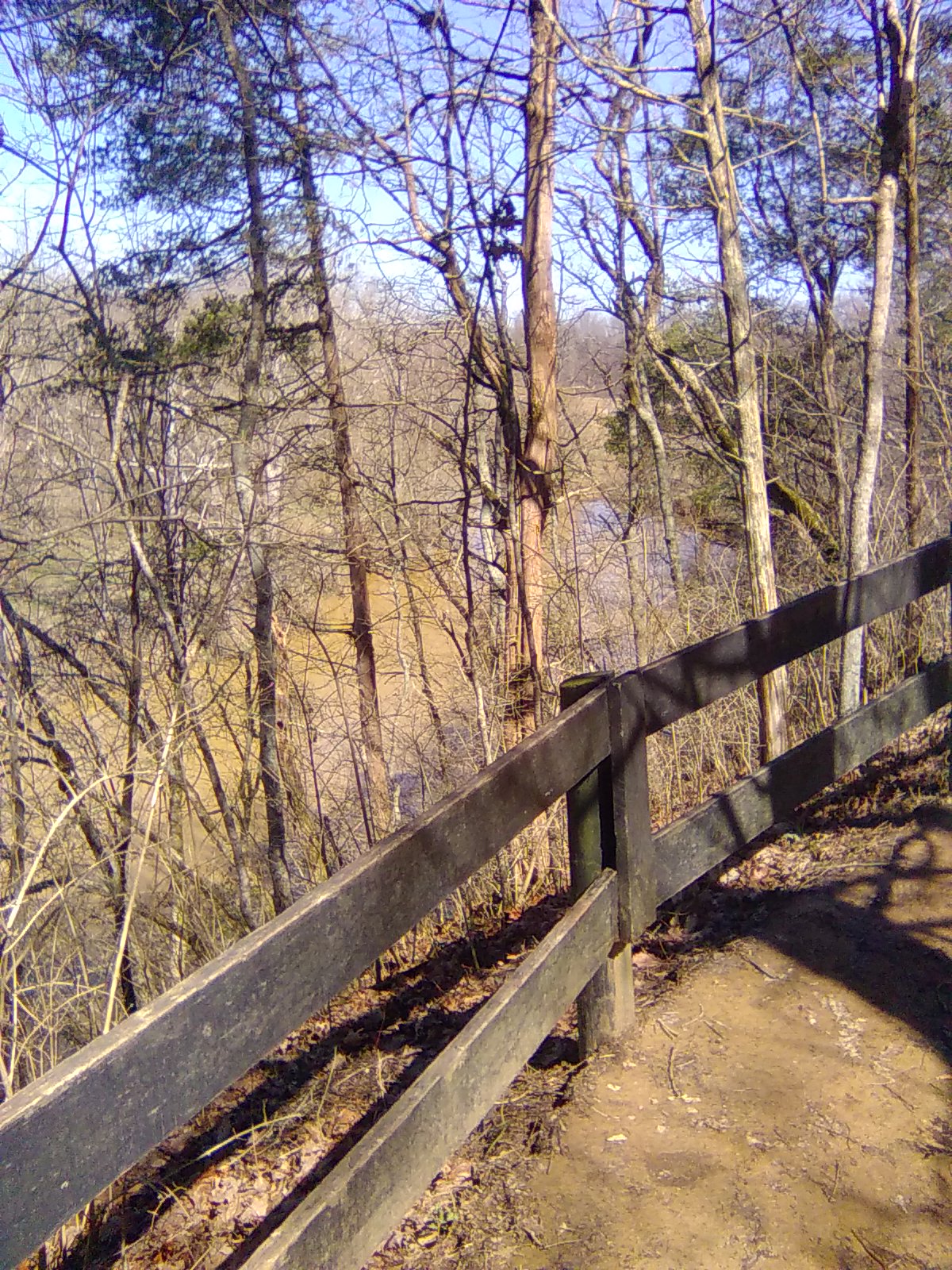
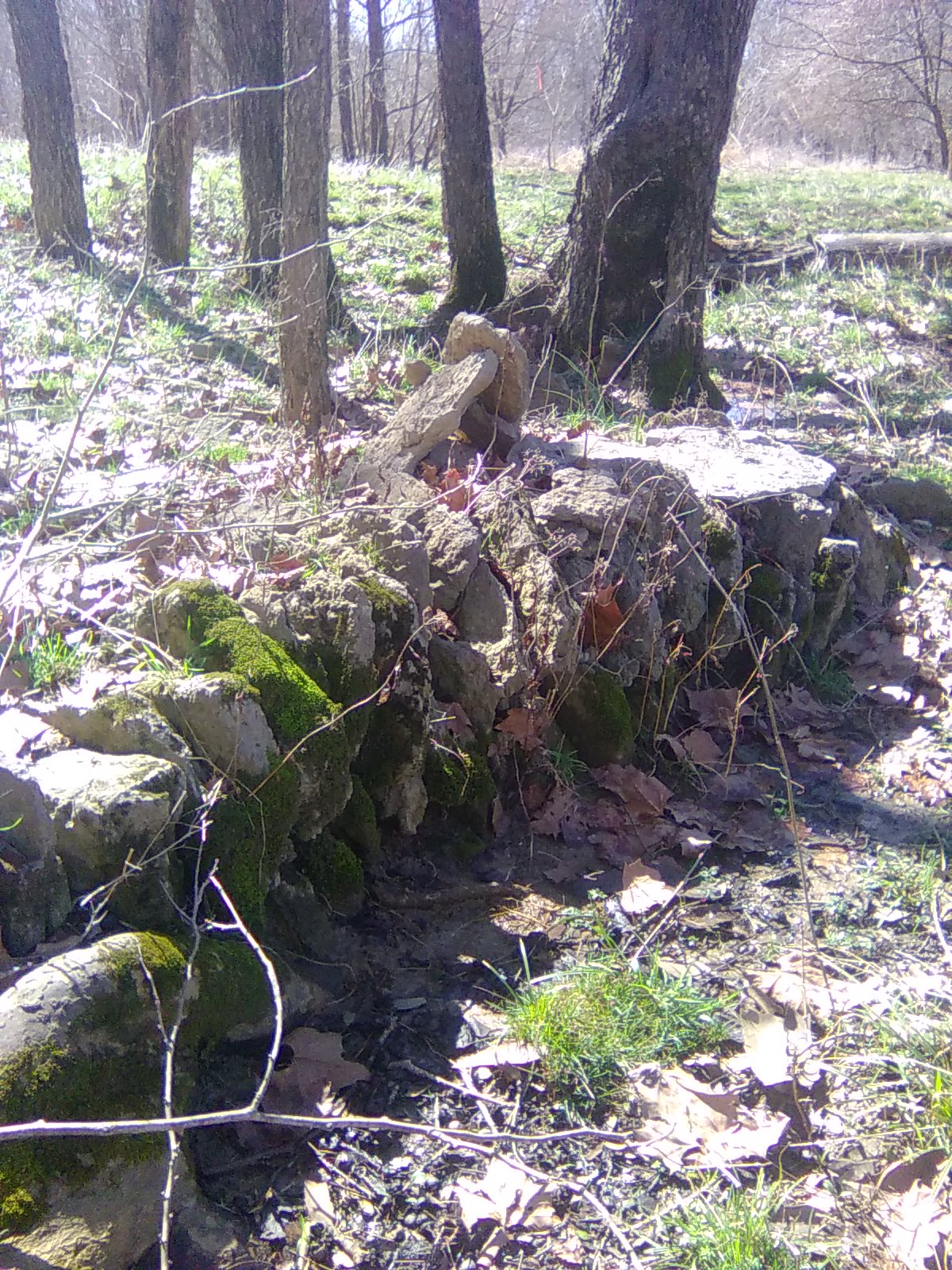
The Big Beech Trail winds through a landscape that served as a pastoral backdrop for Kentucky’s early settlers and long-established farming families before its preservation within The Parklands. The trail is named for its majestic, ancient American Beech trees, some of which have stood as silent witnesses to history for over a century, their smooth gray bark surviving the transition from private timberland to a public sanctuary. Historically, this area was defined by the relentless flow of Floyds Fork, a waterway that carved the limestone bluffs and provided a life source for the diverse ecosystems that still thrive today. These woods once echoed with the sounds of a changing frontier, yet today they offer a rare glimpse into the old-growth character of the Bluegrass region, where the past remains rooted in the deep soil of the forest floor.
This past week, the timeless rhythm of the trail has been met by a flurry of activity in the modern world. While spring peepers emerged at Floyds Fork, scientists celebrated the successful deployment of a new atmospheric sensor designed to study the Earth’s changing biodiversity from space, and a rare celestial alignment captivated stargazers across the Northern Hemisphere. This progress continues despite the noise of human conflict, with brief headlines noting escalating tensions in the Iran conflict and the latest rounds of federal budget negotiations on Capitol Hill. Whether it is a runner navigating the slick limestone of a muddy path or a physicist mapping the wonders of a distant nebula, the current moment is a fleeting layer of history being laid down upon the ancient foundations of the natural world.

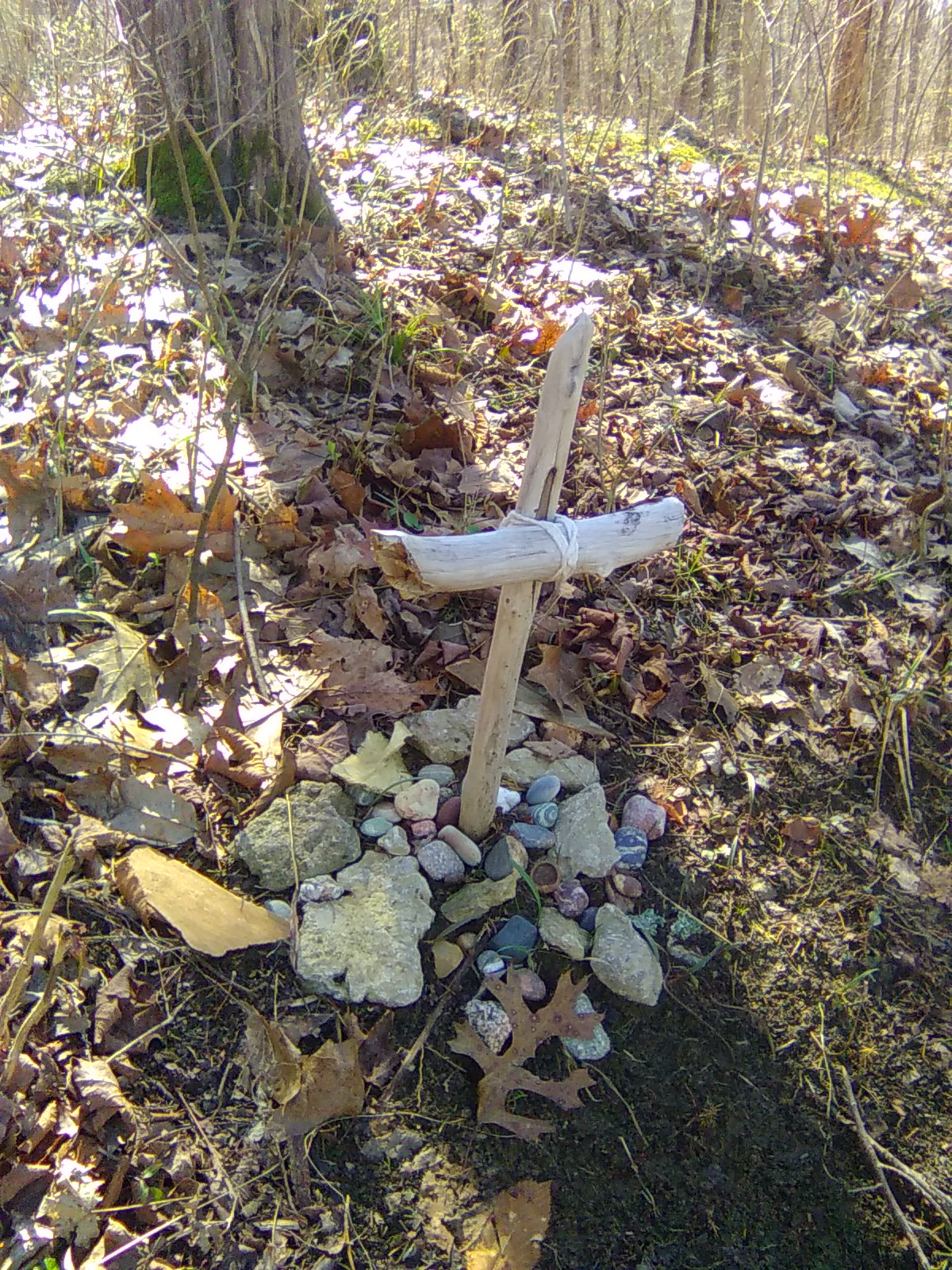
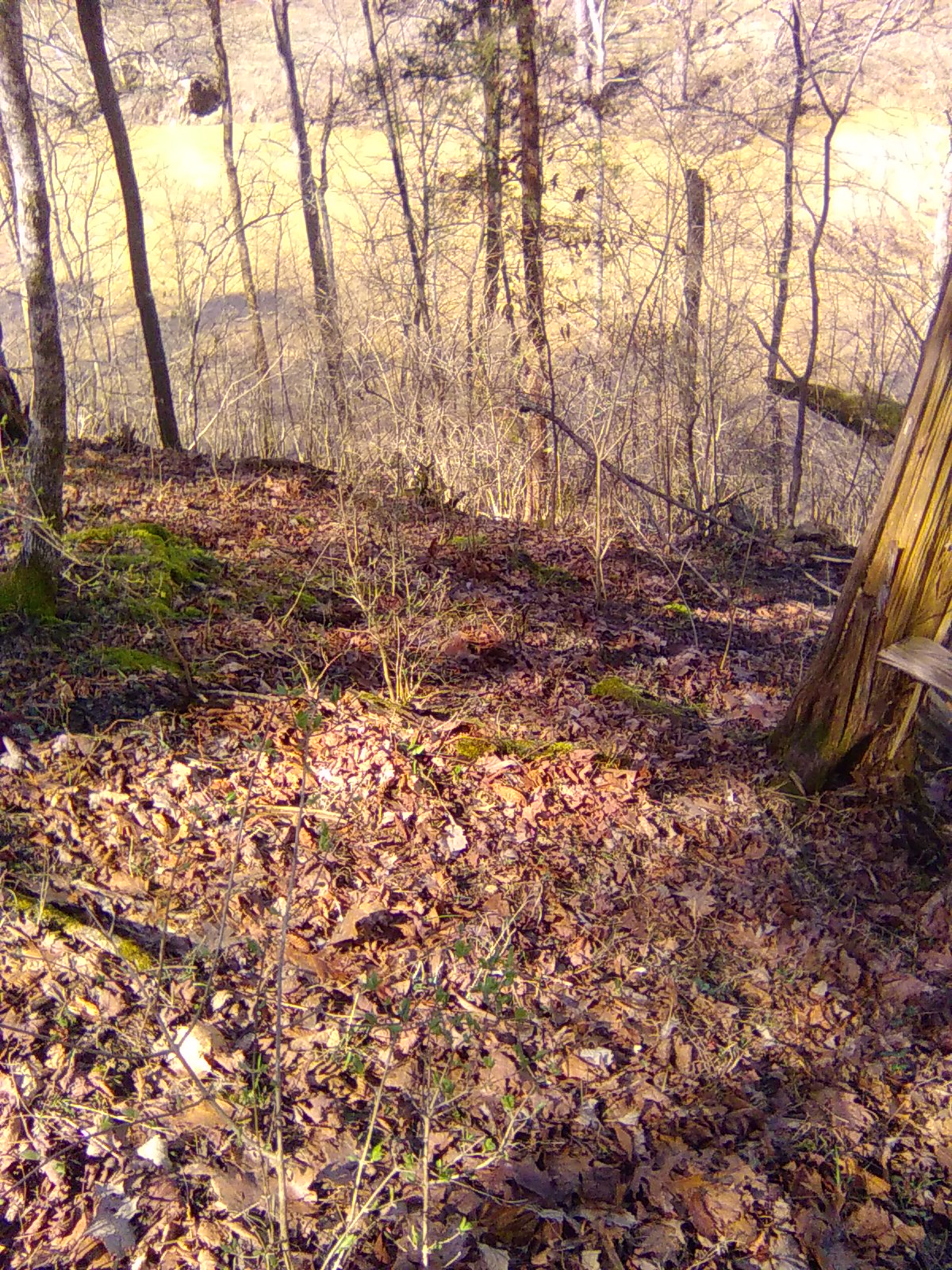
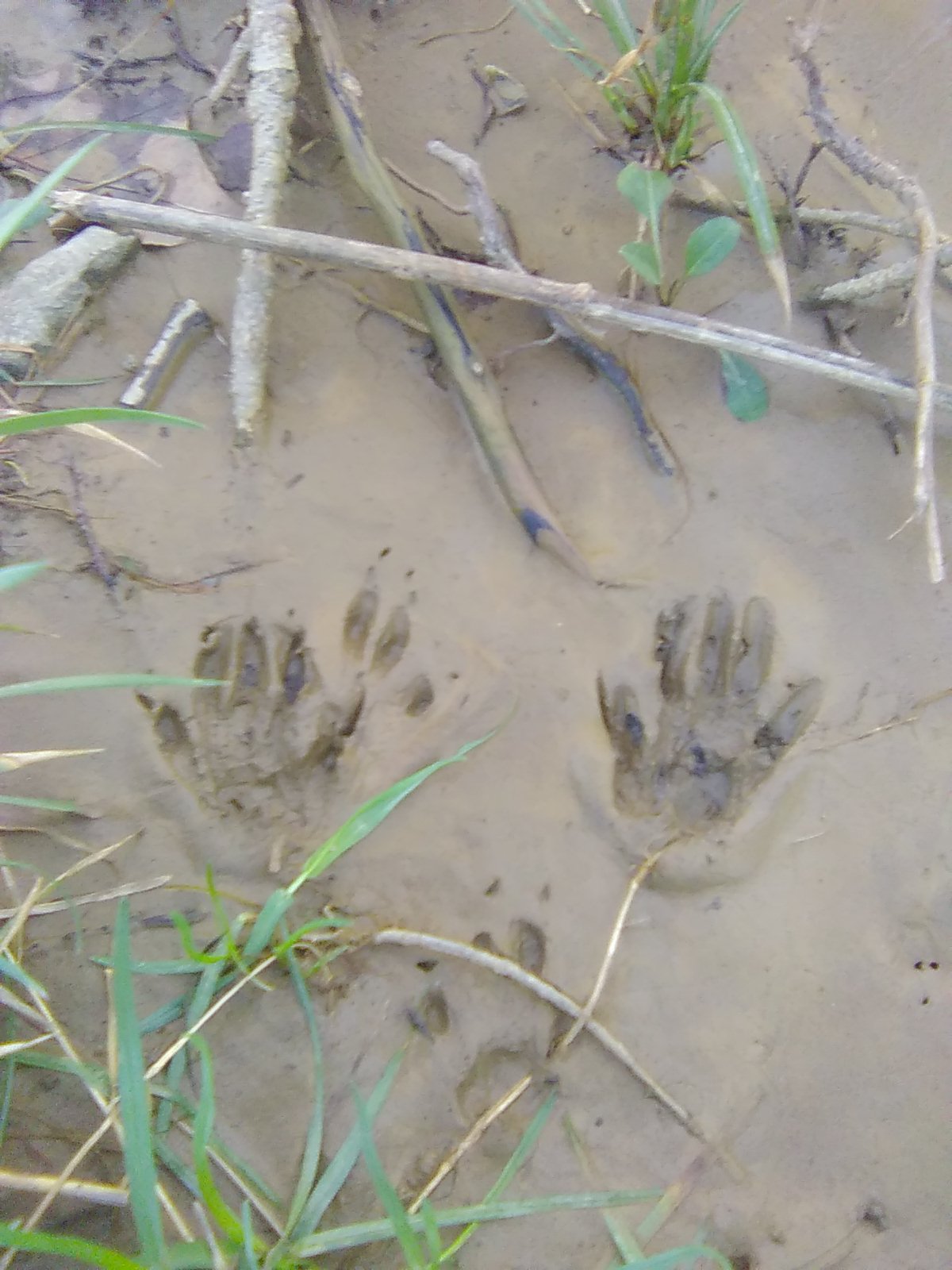
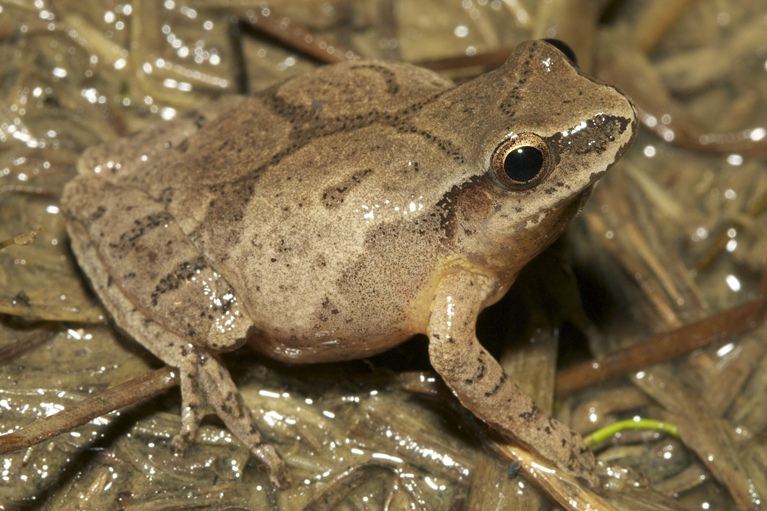
Spring Peeper (Pseudacris crucifer) - Even though they sound like a massive wall of noise, each individual frog is quite tiny—usually no bigger than a paperclip! The sound is their "advertisement" call. Males congregate in wet areas to signal to females. The Spring Peeper get their scientific name, crucifer, from the dark, X-shaped mark on their backs. They are often the very first sign of spring. Since today is March 8th, they are right on schedule for the Louisville area! For their size, they are one of the loudest animals in North America—a large chorus can actually be deafening if you're standing right next to the water.
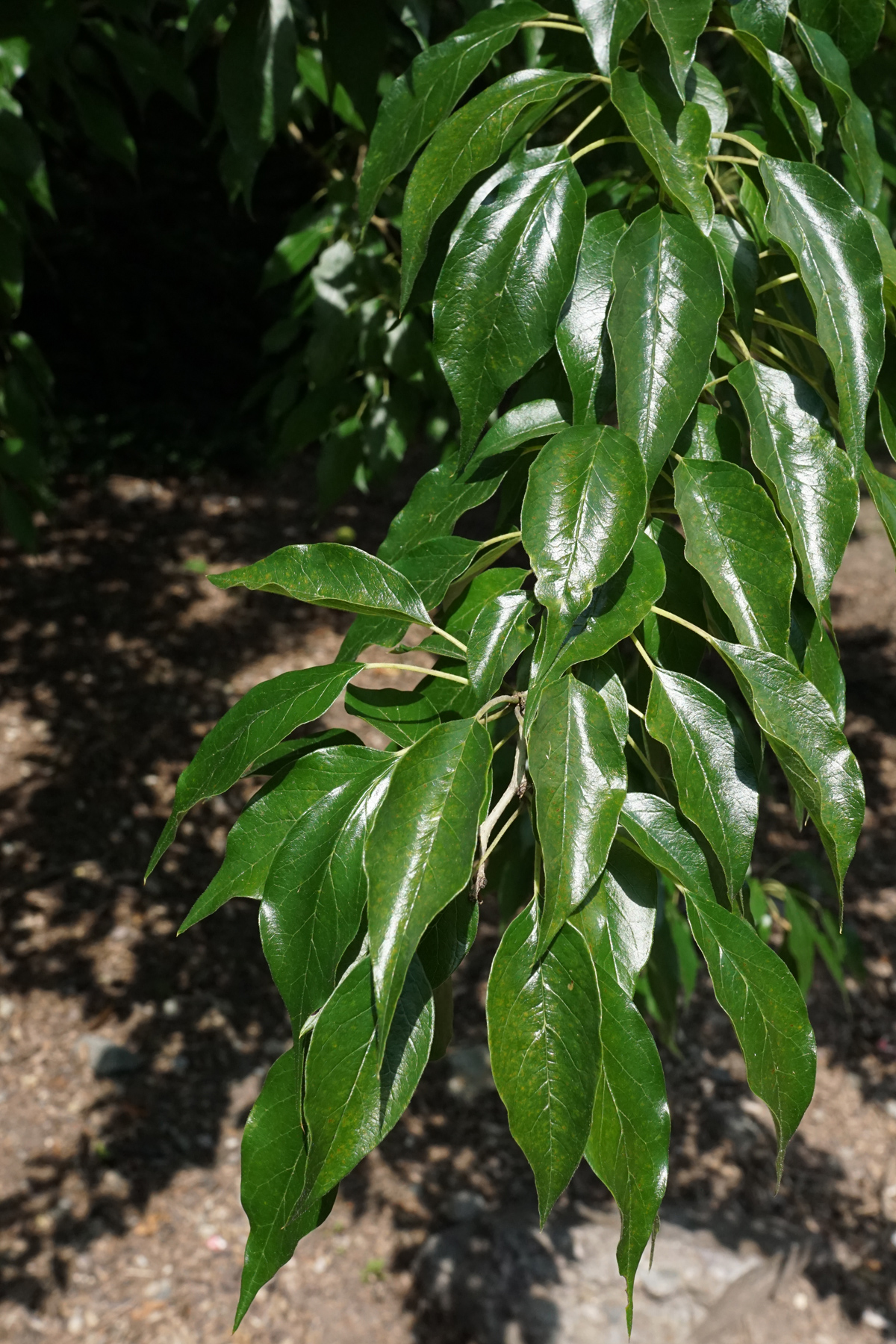
Osage Orange (Maclura pomifera) - In Kentucky, the Osage Orange is a rugged staple of the landscape, often found standing as a gnarled sentinel along old farm boundaries. While it’s famous for its lumpy "hedge apple" fruit, many specimens across the Bluegrass State—like the one in your photo—are male trees, meaning they’ll never drop those green "brains." Its most striking feature is the deeply furrowed, rope-like bark; if you look closely into the crevices, you'll see a vibrant orange-yellow hue that was once prized by pioneers for making natural dyes. Though younger "water sprouts" are notorious for their sharp thorns, mature Kentucky trees often lose that defensive edge on their lower limbs, leaving behind a resilient, rot-resistant wood that's as tough as the state’s history of "living fences."