Flora & Fauna
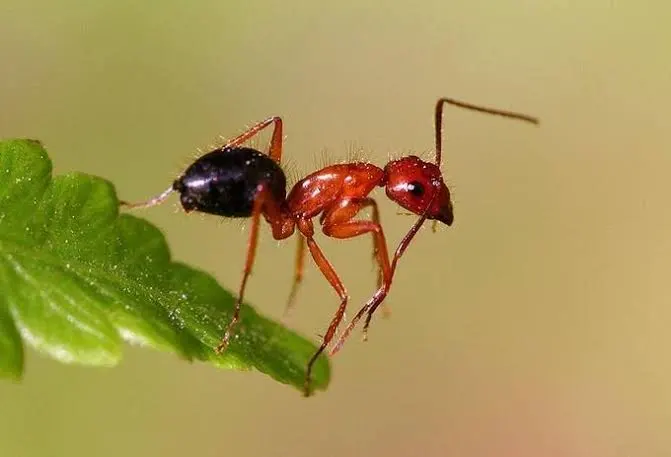
Allegheny Mound Ants
These master engineers are vital to Kentucky’s forest health. By building their massive, sun-warmed mounds in open clearings, they help aerate the soil and manage insect populations, proving that even our smallest park residents play a massive role in maintaining the balance of the local ecosystem.
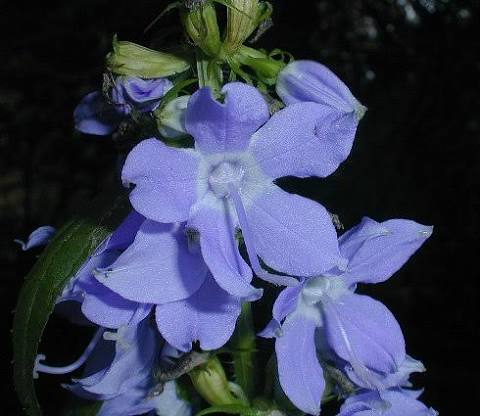
American Bellflower
A striking native wildflower that thrives in Kentucky's rich, moist woods, shaded stream banks, and roadside ditches. Standing anywhere from 2 to 6 feet tall, this annual or biennial plant stands out along summer trails with its elongated spikes of star-shaped, violet-blue blossoms. Unlike typical bellflowers that droop into a cup shape, its petals spread flat to reveal a distinct white ring at the center and a prominently curved style. Blooming reliably from July through September, it serves as an important nectar source for native bumblebees and butterflies navigating the state's forest understories.
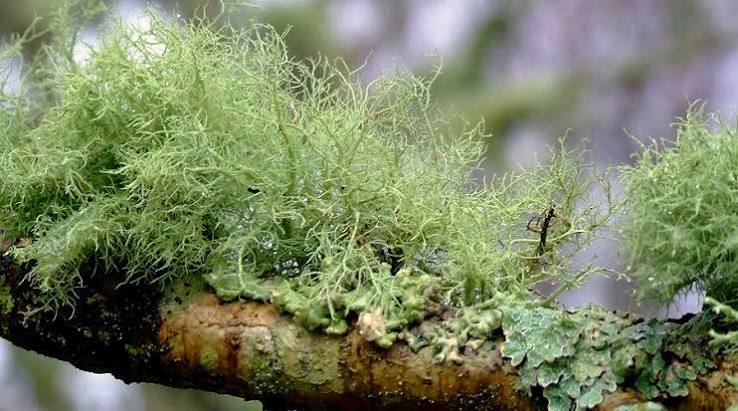
Beard lichen
A pale-green, thread-like organism formed by a symbiotic partnership between a fungus and an alga. Lacking true roots, it absorbs water, gases, and nutrients directly from the atmosphere, making it extraordinarily sensitive to its surroundings. Environmental toxins—especially sulfur dioxide, heavy metals, and nitrogen pollution—easily disrupt its delicate photosynthetic balance, causing it to wither and die in degraded environments. Because of this extreme sensitivity, beard lichen acts as a natural air quality monitor (or bioindicator): finding vibrant, bushy clusters hanging from forest branches is a reliable testament to exceptionally clean, unpolluted air.
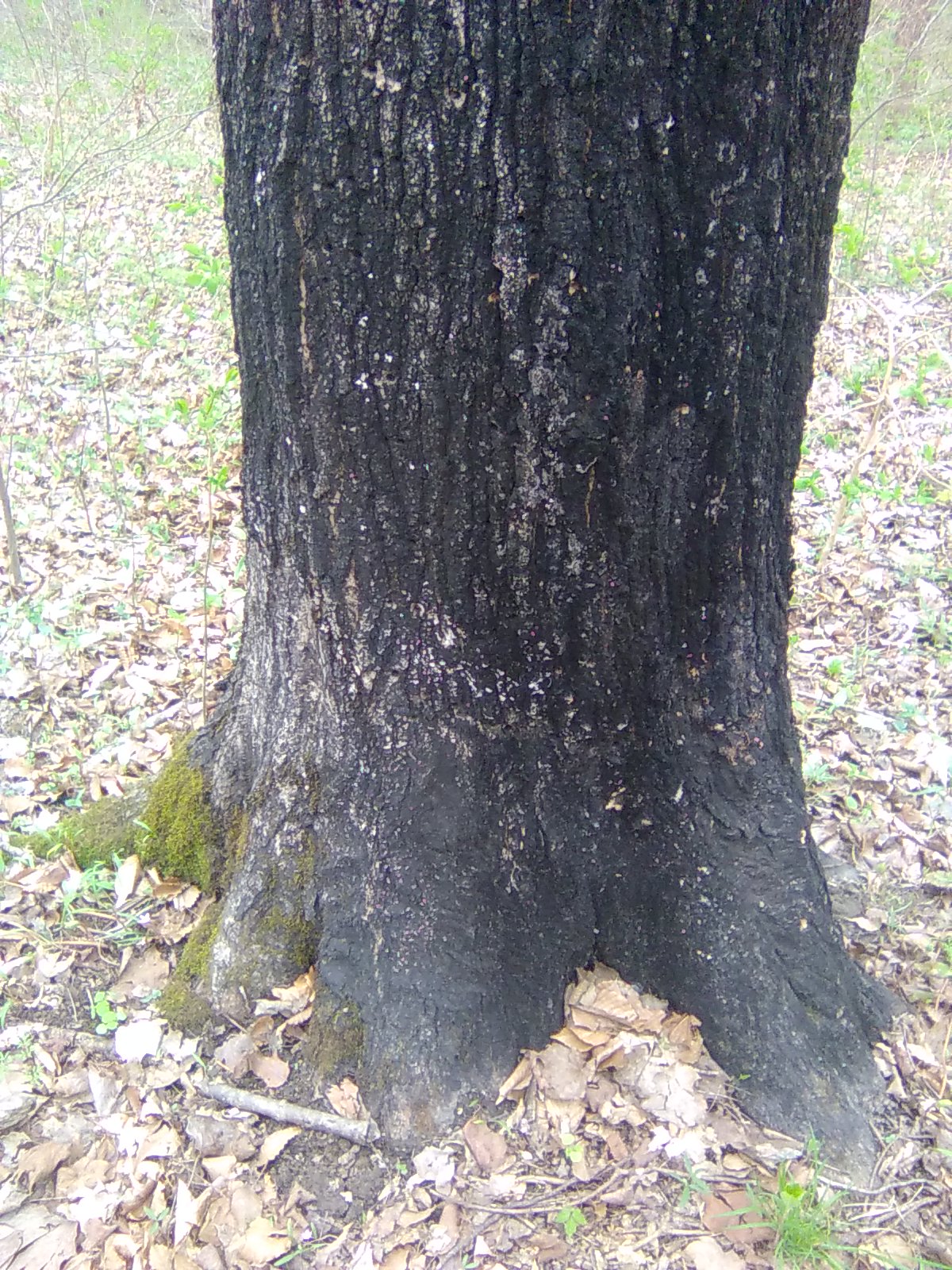
Beech Sooty Mold
This non-parasitic fungus forms a charcoal-like crust on our native American Beech (Fagus grandifolia) trees by feeding on aphid "honeydew." It is a common, harmless sight in Louisville’s parks, serving as a reminder of the symbiotic insect-fungus relationships in our local forests.
Berkeley’s Polypore
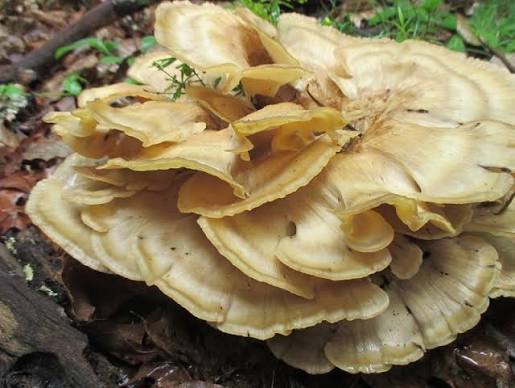
A grand, rosette-shaped bracket fungus native to eastern North American hardwood forests, frequently making a striking appearance at the base of mature oaks from mid-summer through early autumn. Sprouting in overlapping, fan-like shelves that can expand up to three feet across, it features broad caps decorated with concentric bands of warm cream, tan, and soft yellow. Beyond its eye-catching scale, it functions as a root-rot parasite and wood decomposer, recycling vital nutrients back into the forest soil—though its thick, corky texture as it matures renders this forest giant far more impressive to admire than to eat.
Black Vultures
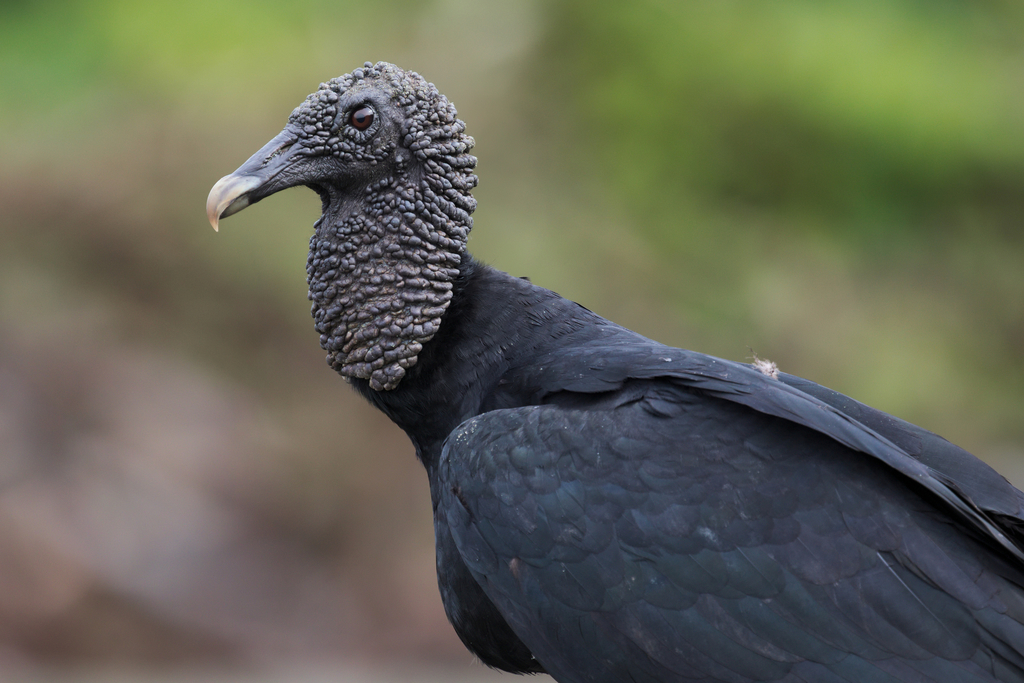
These birds are a highly social and intelligent species whose footprint has been steadily expanding across Kentucky. Distinct from their red-headed Turkey Vulture relatives, they are easily recognized by their compact silhouettes, shorter tails, and wrinkled, featherless black heads. Often seen loafing together in cooperative groups, these sharp-eyed scavengers play a vital role in the local ecosystem, navigating their environment with a unique anatomical quirk: lacking a vocal tract, they communicate not with typical bird songs, but through a series of subtle hisses and guttural grunts.
Blue Mistflower
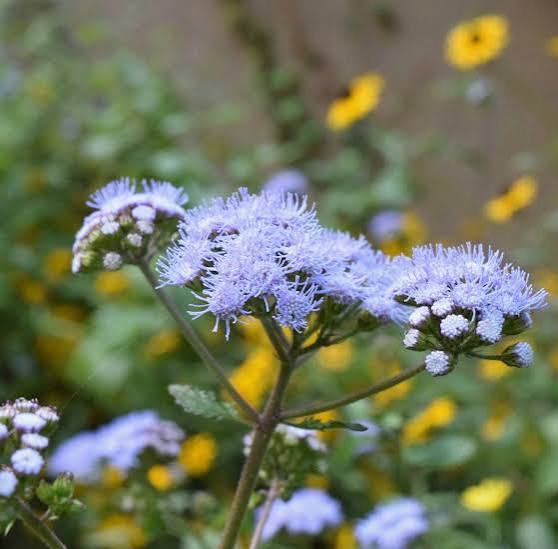
Also known as Wild Ageratum, is a native North American perennial celebrated for its vibrant clusters of fluffy, powder-blue to violet flowers that resemble soft bursts of mist. Blooming from late summer into mid-autumn, it thrives in moist soils along streambanks, wet meadows, and woodland edges. Because it blooms when many other plants are winding down for the season, it serves as a vital late-season nectar source for butterflies, bees, and other pollinators. Growing up to three feet tall, it naturalizes easily through creeping underground rhizomes to form eye-catching, misty colonies.
Bluegill
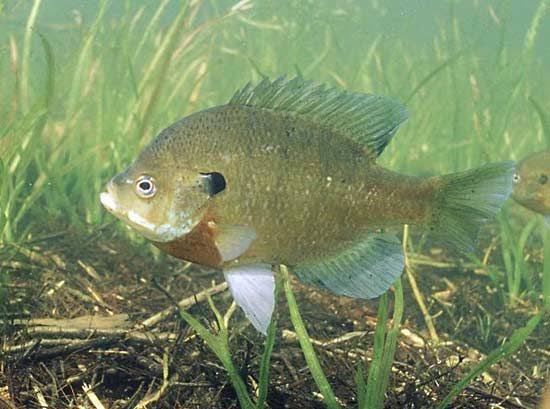
Belonging to the sunfish familiy, the Bluegill is the quintessential cornerstone of the commonwealth's ponds, lakes, and slow-moving creeks. These hardy, vibrant sunfish are incredibly abundant throughout the state, thriving anywhere they can find a little shallow cover, like the weed beds and overhanging trees. Beyond being an essential forage fish that sustains larger predators like largemouth bass, bluegill hold a legendary status in Kentucky’s outdoor culture; because they are eager biters and spirited fighters for their size, they serve as the classic "first catch" for generations of young anglers and remain a beloved, nostalgic fixture of local summers.
Butterweed
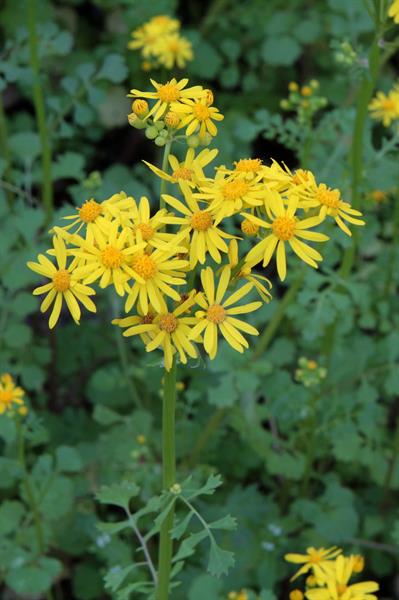
also known as Cressleaf Groundsel, is a striking native annual that dominates the Kentucky landscape in mid-to-late April. Thriving in the moist, disturbed soils often found along Louisville’s forest edges and floodplains, it is easily identified by its vibrant clusters of yellow, daisy-like flowers and its notably thick, hollow, succulent stems. Unlike many delicate woodland wildflowers, Butterweed is a robust grower, often forming dense, golden "carpets" in low-lying areas. While it provides an important early-season nectar source for local pollinators, it is also known for containing pyrrolizidine alkaloids, making it toxic to livestock—a trait that helps it stand its ground against foraging animals in the wild. While it is a close relative of Golden Ragwort, Butterweed is a much more robust, "succulent" plant characterized by its thick, hollow, and often fleshy green stems.
Central Ratsnake
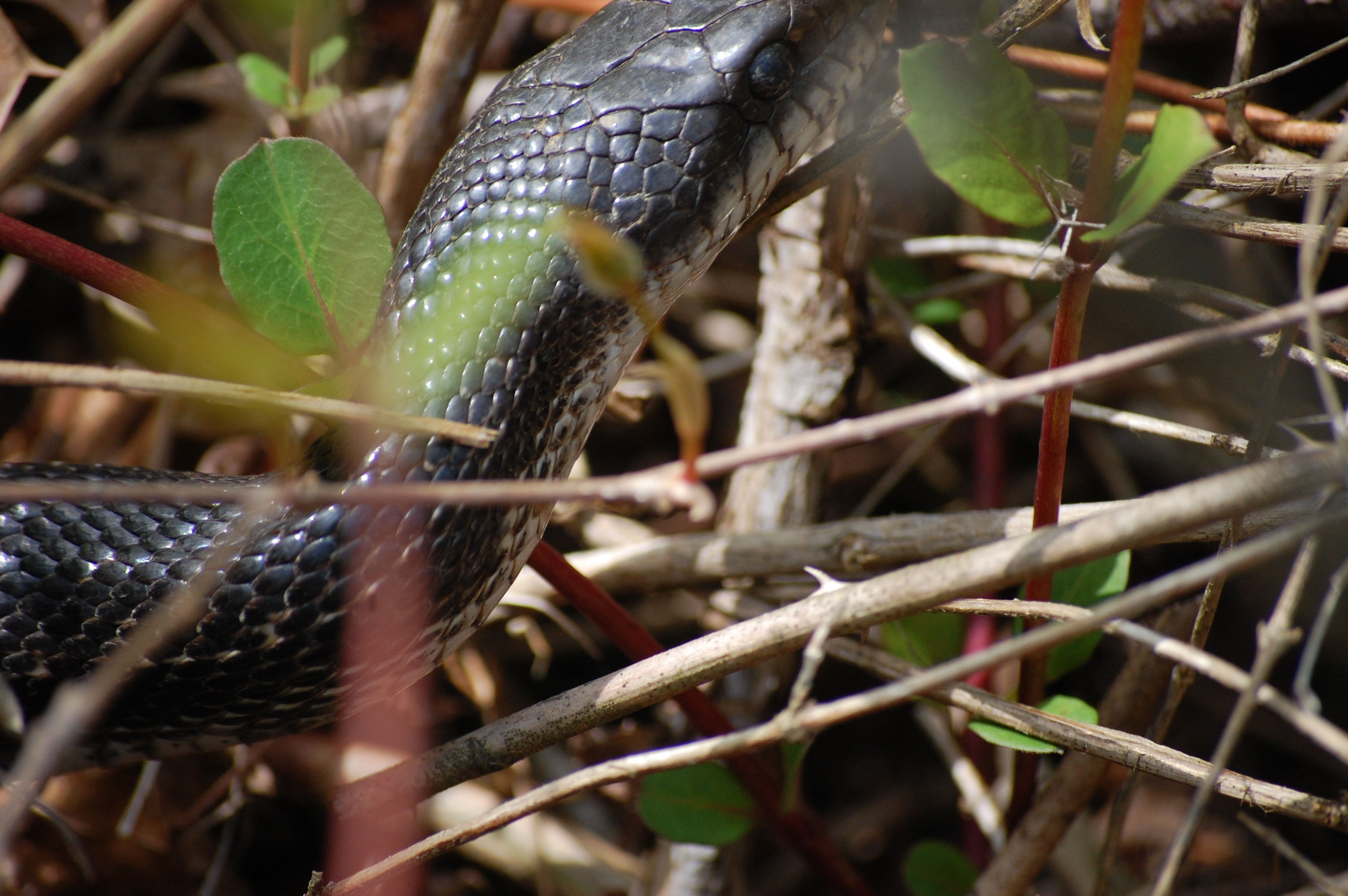
Often referred to locally as the "black snake," the Central Ratsnake (Pantherophis alleghaniensis) is one of Kentucky’s most common and impressive non-venomous residents. These snakes are legendary for their climbing prowess, frequently spotted scaling vertical barn walls or lounging high in tree canopies in search of rodents and bird eggs. While their large size—sometimes exceeding six feet—can be a bit startling, they are nature’s premier pest control, keeping local mouse populations in check. In Kentucky, they are found statewide, transitioning from blotched patterns as juveniles to a sleek, solid black as adults, often with a distinctive white chin that makes them look a bit more "distinguished" than your average reptile.
Chicken of the Woods
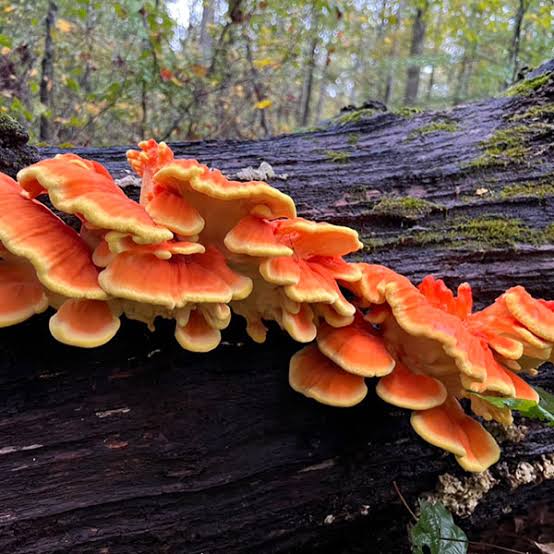
A highly prized wild edible mushroom recognized for its vibrant, fan-shaped brackets of bright orange and yellow. Found growing on living or decaying hardwoods—particularly oak trees—it gets its name from its uncanny resemblance to chicken breast in both flavor and meaty texture when cooked. Unlike many common mushrooms, it is a polypore, meaning its underside features tiny pores rather than traditional gills, which helps distinguish it from poisonous lookalikes like the Jack-o'-lantern mushroom. Foragers seek it out in late summer and autumn, harvesting it while young and tender, though like many wild mushrooms, it must always be thoroughly cooked prior to eating.
Christmas Fern
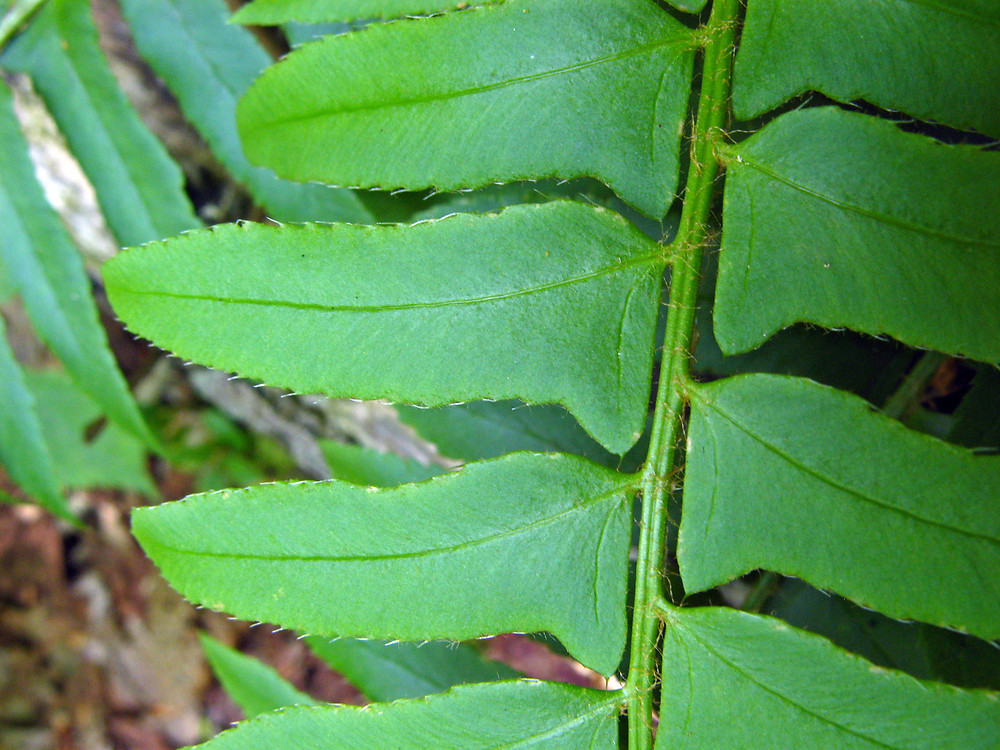
Serves as a rugged, year-round anchor for the forest floor. These ferns thrive in the lime-rich, alkaline soils provided by the ancient fossil beds found throughout The Parklands, often huddling in clumps to help stabilize steep creek banks against the Kentucky rain. Best known for its leathery, evergreen fronds that offer a splash of emerald against the gray winter woods, its name is a charming double entendre: it was a historical favorite for holiday decorations, and each individual leaflet bears a distinctive "thumb" that makes it look like a miniature Christmas stocking. Whether it’s the height of summer or a snowy morning in December, this hardy native is a constant companion on the local trails, proving that even in the plant world, some things never go out of style.
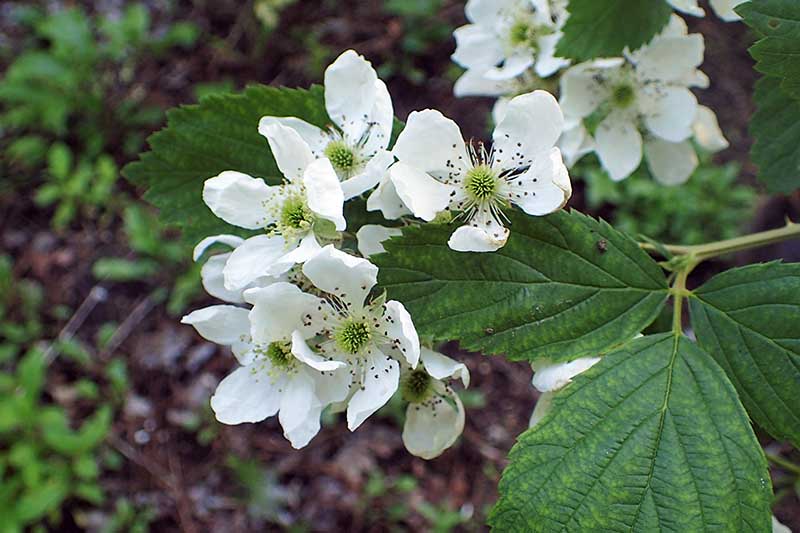
Common Blackberry
is a prolific native shrub that defines the "edge" habitat of places. During late April and May, these hardy perennials erupt in five-petaled white blossoms that serve as a critical early-season nectar source for Kentucky’s native bees and butterflies. Growing in dense, thorny thickets known as brambles, the plants utilize biennial "canes"—the first-year primocanes focus on rapid growth, while the second-year floricanes produce the flowers and the iconic, aggregate fruit. By late June, these blossoms transition into deep purple-black berries that are a staple for local wildlife and a favorite for foragers along the sun-drenched ridges of the Scott Gap Trail.
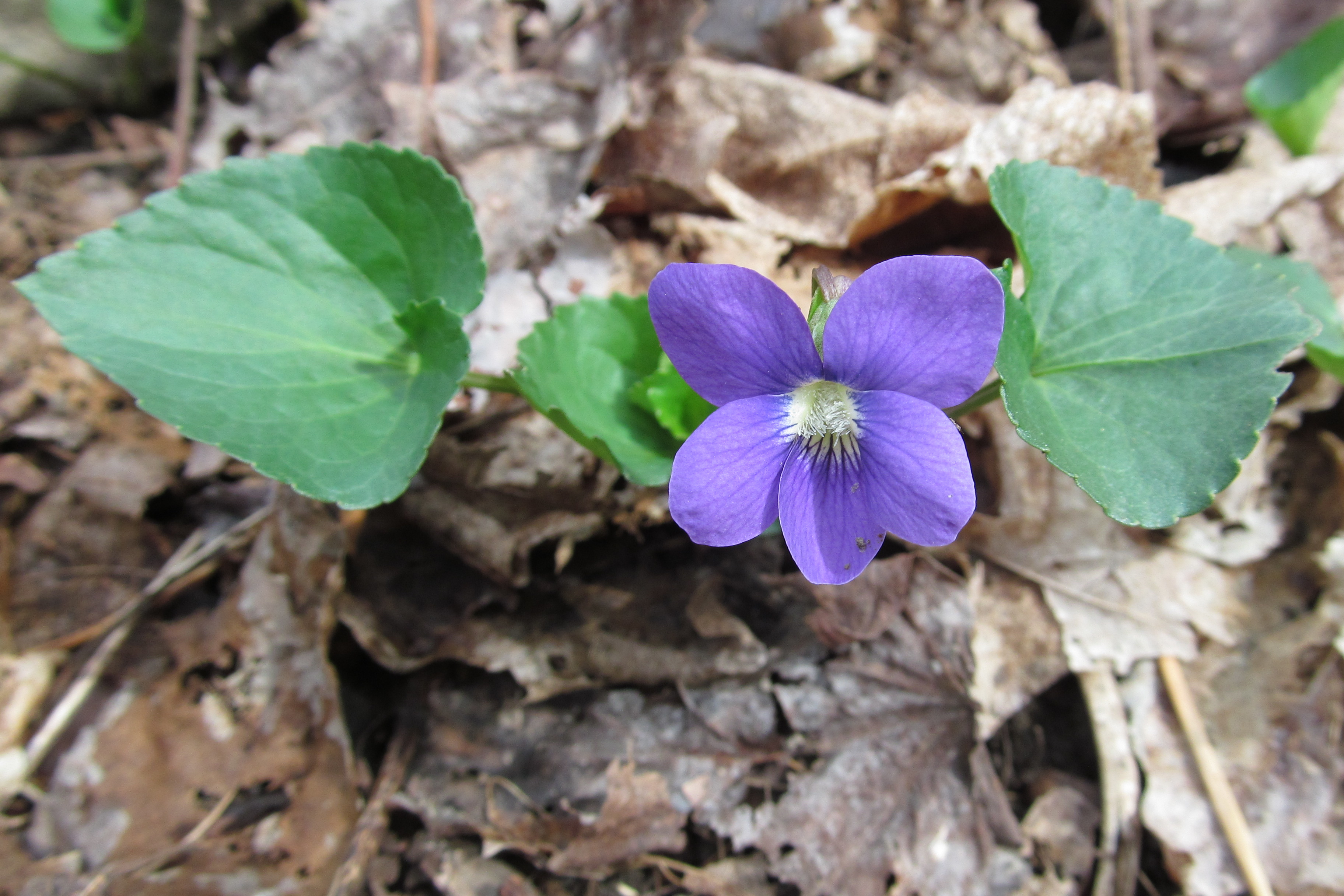
Common Blue Violet
A hardy, stemless perennial that frequently pops up in North American lawns, much to the chagrin of turf enthusiasts. Recognizable by its heart-shaped leaves and vibrant, five-petaled purple blooms, it is far more than just a "weed." This native wildflower serves as a critical host plant for Fritillary butterflies and is entirely edible, boasting high levels of vitamins A and C. Whether you view it as a garden pest or a delicate culinary garnish, its ability to thrive in both sun and shade makes it a true staple of the early spring landscape.
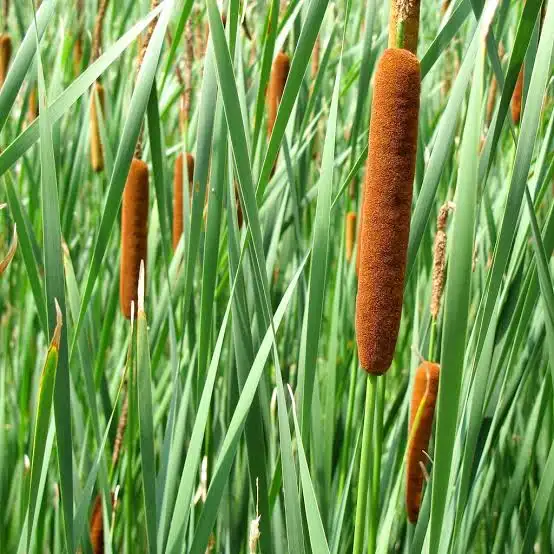
Common Cattail
These wetland plants are the unsung heroes of Kentucky’s water quality, acting as natural filters along Floyds Fork. Their wind-dispersed seeds are a common sight in the marshy lowlands near our river systems.
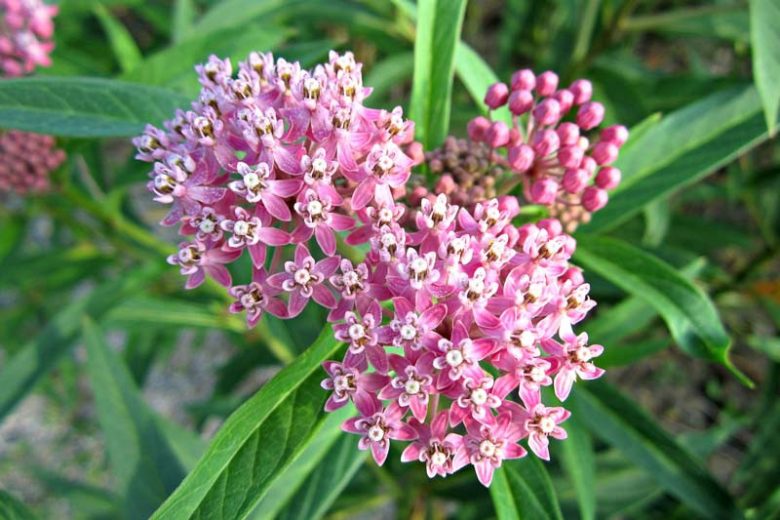
Common Milkweed
A robust and ecologically indispensable native perennial easily recognized by its thick, upright stems, broad opposite leaves, and large, spherical clusters of fragrant, dusty-pink flowers that bloom throughout the summer. True to its name, the plant exudes a sticky, milky sap when damaged; while toxic to most creatures, this sap contains cardiac glycosides that Monarch butterfly caterpillars safely consume and sequester, rendering both the caterpillars and future butterflies foul-tasting to predators. Beyond its famous role as the exclusive host plant and lifeline for the Monarch, this resilient wildflower fills sunny fields and trail margins with a rich, honey-like aroma that supports a bustling marketplace of diverse native pollinators.
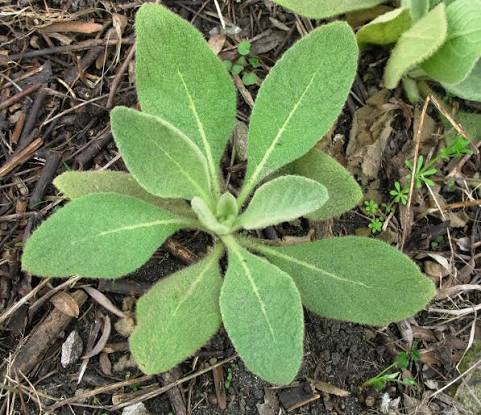
Common Mullein
A hardy biennial plant easily recognized by its thick, velvety, grayish-green leaves that form a ground-hugging rosette during its first year of growth. Native to Eurasia and widely naturalized across North America, it thrives in full sun and dry, disturbed soils along trail edges, gravel banks, and roadsides. In its second year, the plant shoots up a dramatic central spike reaching up to six feet tall, which blooms with small, bright yellow flowers. Long appreciated in traditional folk medicine for soothing respiratory conditions and affectionately nicknamed "cowboy toilet paper" for its soft leaf texture, mullein is one of the most distinct and adaptable wildflowers found along North American paths.
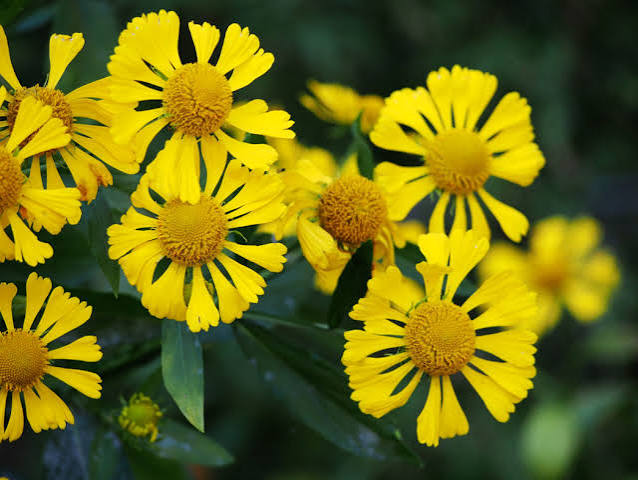
Common Sneezeweed
A native North American perennial wildflower easily recognized by its bright yellow, wedge-shaped petals with distinct three-lobed tips surrounding a prominent central dome. Blooming from late summer into autumn, it thrives in moist meadows and along stream banks, serving as a vital late-season nectar source for bees and butterflies. Despite its name, Sneezeweed does not trigger hay fever because its pollen is heavy and sticky for insect pollination rather than windborne; the name originates from a historical practice of using its dried leaves and flowers as a nasal snuff to induce sneezing and clear sinuses.
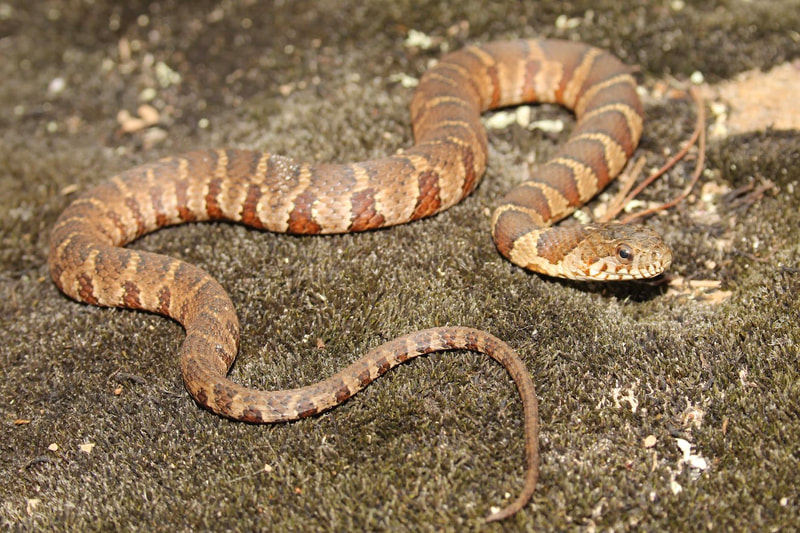
Common Watersnake
a harmless, non-venomous native reptile frequently spotted hunting for fish and amphibians around Kentucky’s lakes, rivers, and spillways. Despite being ecologically beneficial and completely non-aggressive unless cornered, this heavy-bodied snake is the frequent victim of mistaken identity, almost universally feared as the venomous Northern Cottonmouth (water moccasin) due to its dark brown, banded coloration and aquatic habits. To complicate matters, when threatened, the watersnake will intentionally flatten its jaws into a dramatic, triangular shape—a brilliant defensive bluff that mimics a pit viper perfectly, but unfortunately often leads to unnecessary human panic.
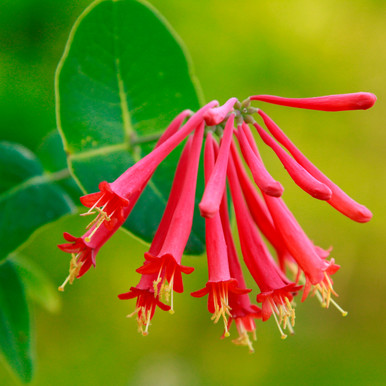
Coral Honeysuckle
is a standout native vine frequently used in the landscaping at Beckley Creek Park for its striking aesthetics and ecological benefits. Characterized by its clusters of vibrant, trumpet-shaped flowers—which range from the classic coral-red to the sunny yellow 'John Clayton' variety—this plant is a vital nectar source specifically evolved for hummingbirds. Unlike its invasive, fragrant cousins, this species is scentless and easily identified by its unique "fused" leaves that form a circular green disk around the stem just below the blooms. By choosing this native climber over invasive alternatives, the park supports local pollinators while maintaining a beautiful, non-aggressive display along the trails.
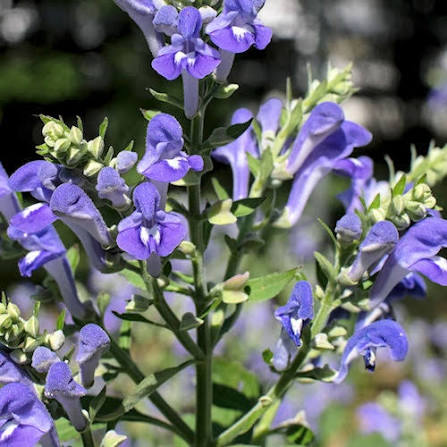
Downy Skullcap
A charming member of the mint family that features clusters of tubular, two-lipped lavender-blue blossoms shaped like tiny hoods or helmets. It earns its "downy" name from the dense layer of fine, soft white hairs coating its square stems and flower buds, giving the plant a velvety texture and a slightly frosted appearance in the trailside shade. Perfectly suited for the dappled sunlight of Broad Run Park's woodland borders, this native plant flourishes in the region's limestone-rich soils and provides an important late-summer pollen source for specialized long-tongued bees.
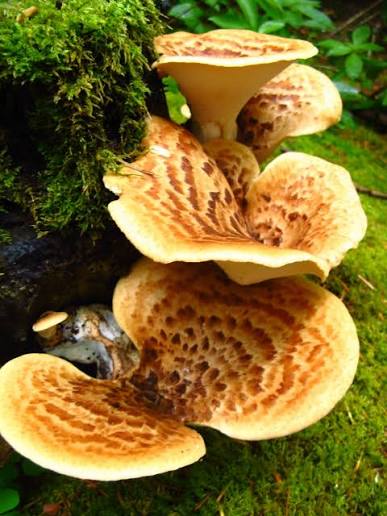
Dryad's Saddle
Commonly known as the Pheasant Back mushroom, is a distinctive bracket fungus easily recognized by its broad, fan-shaped caps covered in dark, feather-like scales. Named both for its resemblance to a pheasant's plumage and mythologically as a perch fit for dryads (wood nymphs), this fungus grows on dying or dead hardwood logs, playing a vital role in forest decomposition. Rather than having gills, its pale underside is lined with tiny pores, and fresh specimens carry a unique, watermelon-rind or cucumber-like aroma. Prominent throughout spring and fall, it is one of the most recognizable bracket mushrooms found in eastern North American woodlands.
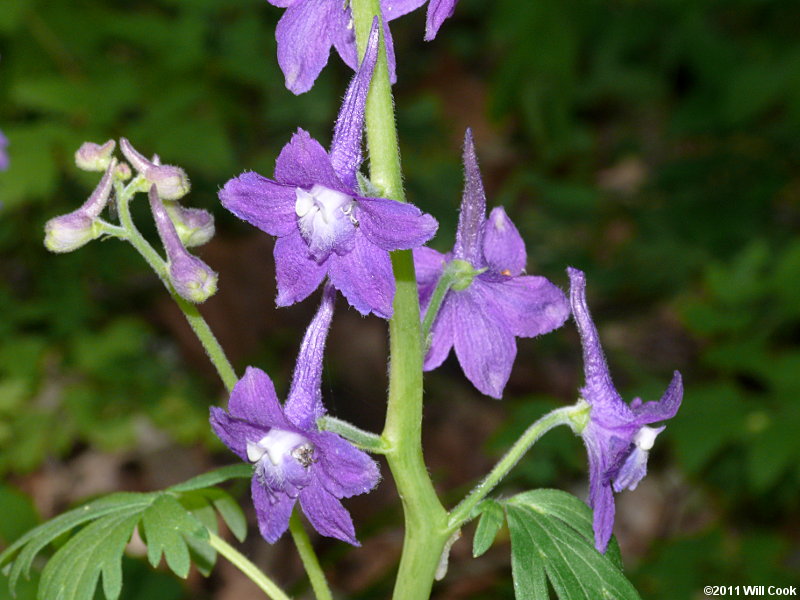
Dwarf Larkspur
A quintessential spring ephemeral found gracing the shaded forest floors of Louisville. These native wildflowers are easily recognized by their striking spikes of spurred, violet-blue blossoms and deeply lobed, fan-like foliage. They "race" to bloom in early spring, soaking up the sunlight before the overhead canopy fully develops. Each flower features a distinctive rear "spur" containing nectar, making them a specialized food source for bumblebees and early butterflies. While beautiful to look at, these plants contain alkaloids that make them toxic to most mammals, a natural defense that protects them from hungry deer as they emerge each year.
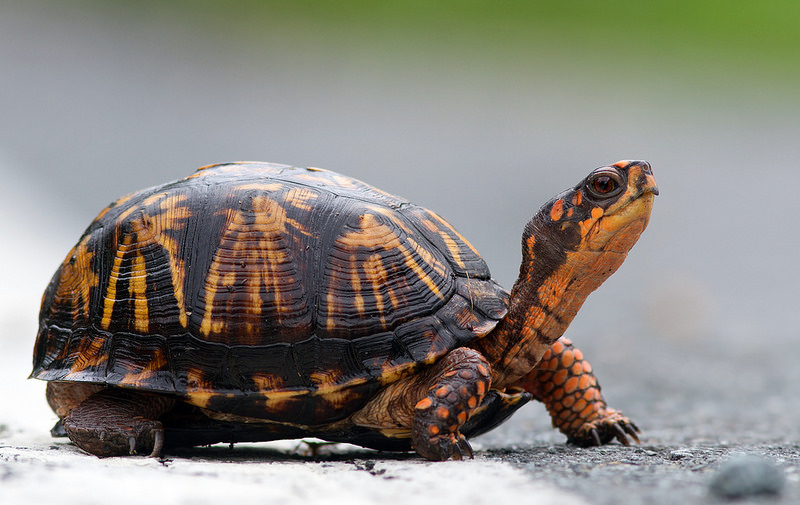
Eastern Box Turtle
A fascinating, land-dwelling reptile known for its highly domed shell and vibrant, distinct yellow-and-orange patterns. Unlike most turtles, it possesses a unique hinged lower shell that allows it to completely seal its body inside like a locked box when threatened by predators. These turtles are incredible homebodies, spending their entire lives—which can span upwards of 50 to 100 years—within a very small home range often no larger than a few acres. While they are terrestrial and poor swimmers, they love to soak in shallow mud puddles or damp leaves to stay hydrated during warm weather. Because they love their specific home territory so much, moving a box turtle to a "better" spot or taking it home as a pet is highly detrimental; if relocated, they will spend the rest of their lives wandering aimlessly and stressed trying to find their way back.
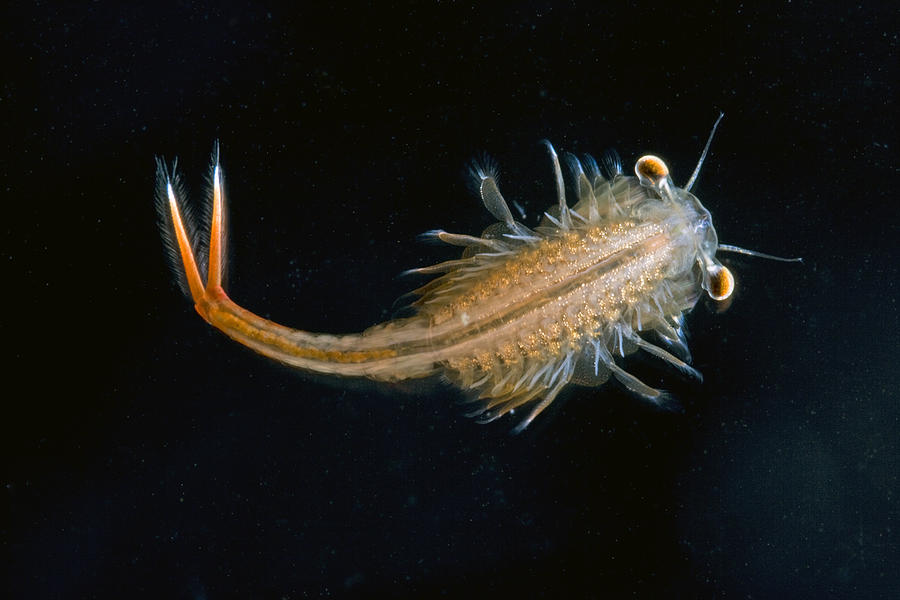
Eastern Fairy Shrimp
acts as a seasonal ghost, appearing only when the conditions are perfectly fleeting. These delicate, inch-long crustaceans hatch from "cysts" (dormant eggs) buried in the mud as soon as winter rains or snowmelt fill the depressions in the forest floor. They are generally translucent-orange, but can appear white, green, or blue, possessing 11 pairs of swimming legs. They spend their short lives swimming upside down, filtering microscopic algae before the water warms above 20°C or evaporates entirely. Because they lack any natural defenses, their survival in Kentucky depends entirely on these temporary, fish-free "puddles"—like the one at Tom Sawyer Park—where they can mate and drop a new generation of weather-resistant eggs into the soil to wait for the next year's rains.
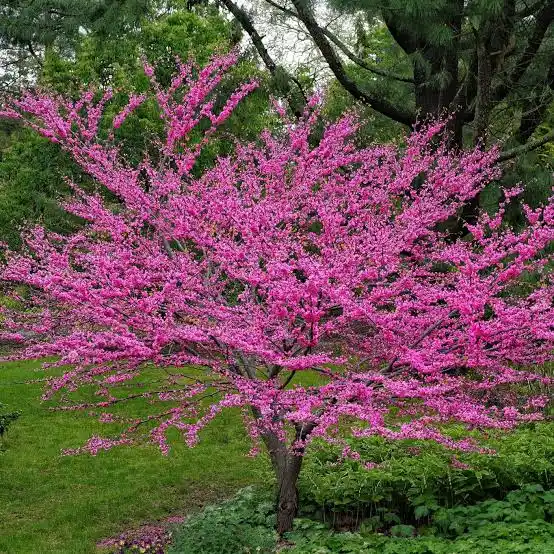
Eastern Redbud
As Kentucky’s unofficial "spring banner," the Redbud’s vibrant pink blooms are synonymous with the state’s landscape. The tree is deeply integrated into local Louisville gardens and our wild park hillsides.
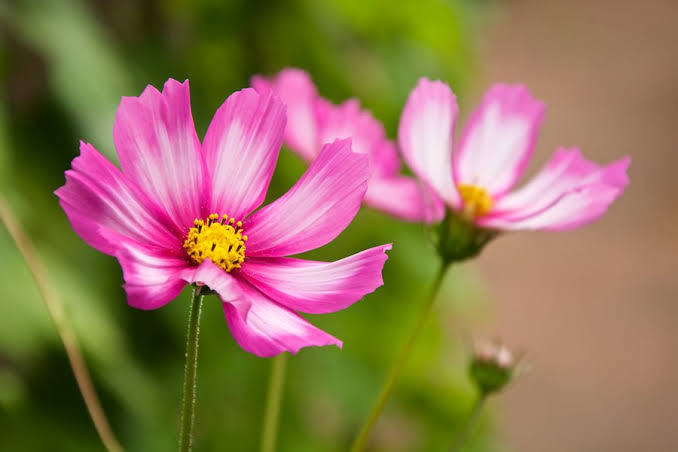
Garden Cosmos
A popular annual wildflower cherished for its vibrant, daisy-like blossoms and delicate, feathery, dill-like foliage. Native to Mexico, it produces broad flowers in striking shades of soft pink, deep magenta, and white surrounding bright yellow centers. Blooming continuously from midsummer until the first hard frost, Cosmos thrives in full sun and dry or lean soils where other plants struggle. Its nectar-rich blooms make it a staple in butterfly gardens and park meadow mixtures, bringing effortless late-season color to trail edges and open fields.
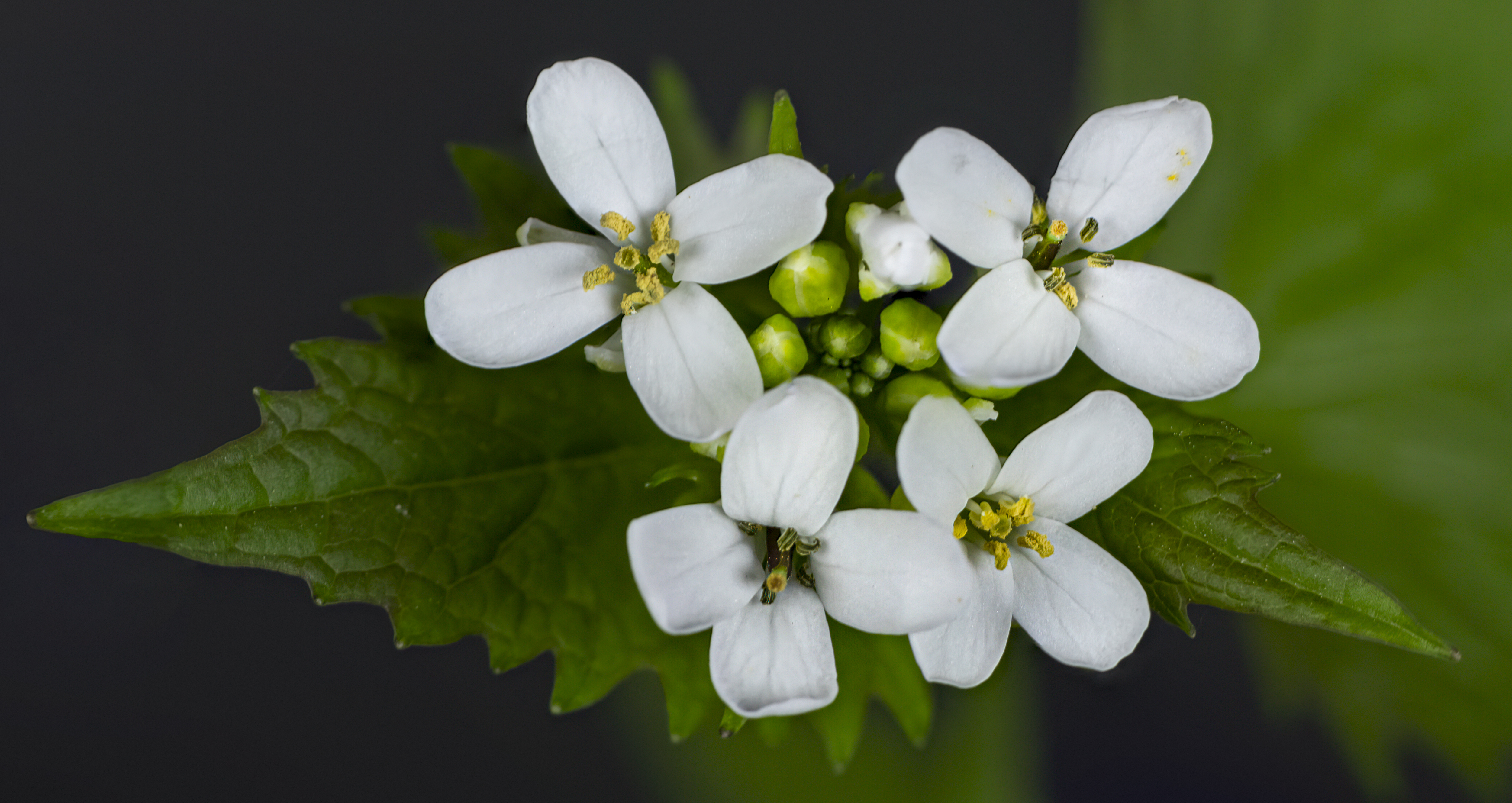
Garlic Mustard
In Louisville, Garlic Mustard is the uninvited guest that refuses to leave the city's lush forest floors. This biennial invasive species is a major headache for the Olmsted Parks Conservancy and the Parklands of Floyds Fork, where it aggressively outcompetes native spring ephemerals like trillium and Virginia bluebells.
By early spring, its heart-shaped leaves and clusters of white four-petaled flowers dominate the understory of spots like Cherokee Park and Jefferson Memorial Forest, releasing allelopathic chemicals into the soil that actively stunt the growth of neighboring native plants. While its "garlic-breath" scent when crushed makes it a favorite for local foragers looking to make a spicy pesto, conservationists urge residents to skip the compost bin—every pulled plant must be bagged and trashed to prevent its thousands of seeds from hitching a ride elsewhere.
Giant Millipede
A fascinating, multi-legged arthropod frequently found navigating the damp, mossy forest floors of Kentucky's woodlands. Belonging to the class Myriapoda, it is easily distinguished by its long, cylindrical, dark brown body segmented with red-to-yellow trim and supported by two pairs of jointed legs per body ring. As vital detritivores, these slow-moving creatures act as the forest's cleanup crew, spending their long lives recycling decaying leaf litter and rotting wood into nutrient-rich soil while relying heavily on humid limestone environments to keep from drying out. Lacking venom or the ability to bite, the millipede relies entirely on a passive defense system, curling its body into a tight, protective spiral and emitting a pungent, skin-staining liquid to ward off curious predators.
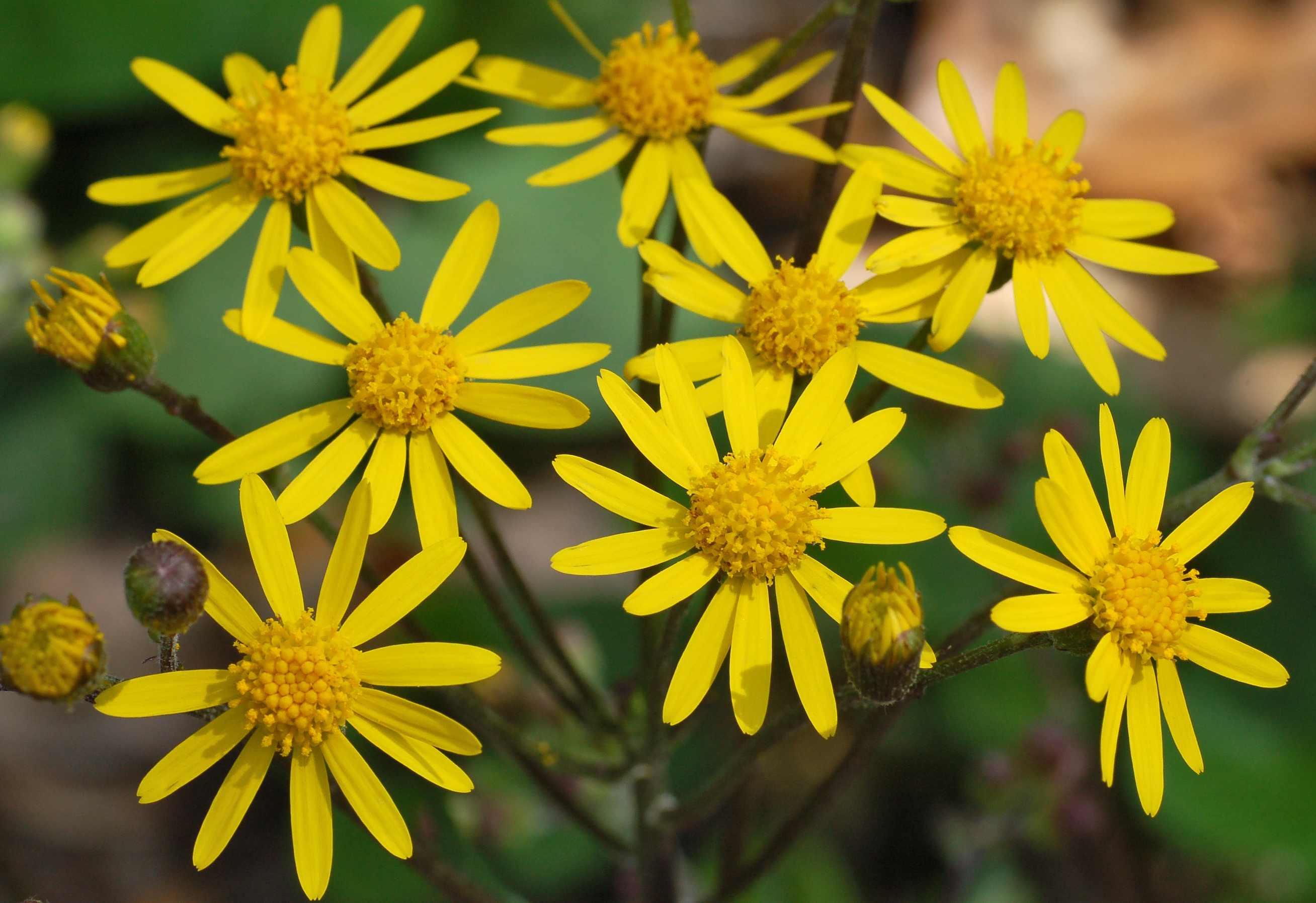
Golden Ragwort
A native perennial that lights up Kentucky’s damp floodplains with yellow blossoms. It is a vital early-season nectar source for the native pollinators that support our local agricultural and garden ecosystems.
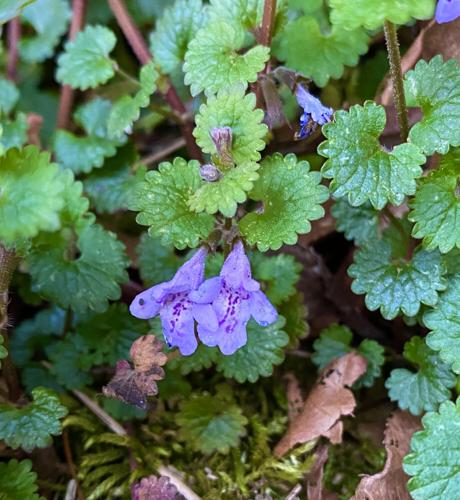
Ground Ivy
Often referred to locally in Kentucky as "Creeping Charlie" or "Gill-over-the-ground," is an aromatic, evergreen perennial that thrives in the moist, shaded soils of the Bluegrass region. Originally brought over by European settlers for its medicinal and brewing properties, it has become a ubiquitous "opportunist" in Kentucky landscapes, spreading rapidly via creeping runners that root at every node. In the spring, it produces clusters of small, tubular, purplish-blue flowers that provide a vital early-season nectar source for native bees and pollinators. While its ability to form dense, minty-smelling mats makes it a frustrating weed for gardeners, in wilder areas like Tom Sawyer Park, it serves as a resilient groundcover that stabilizes the muddy banks of wetlands and vernal pools.
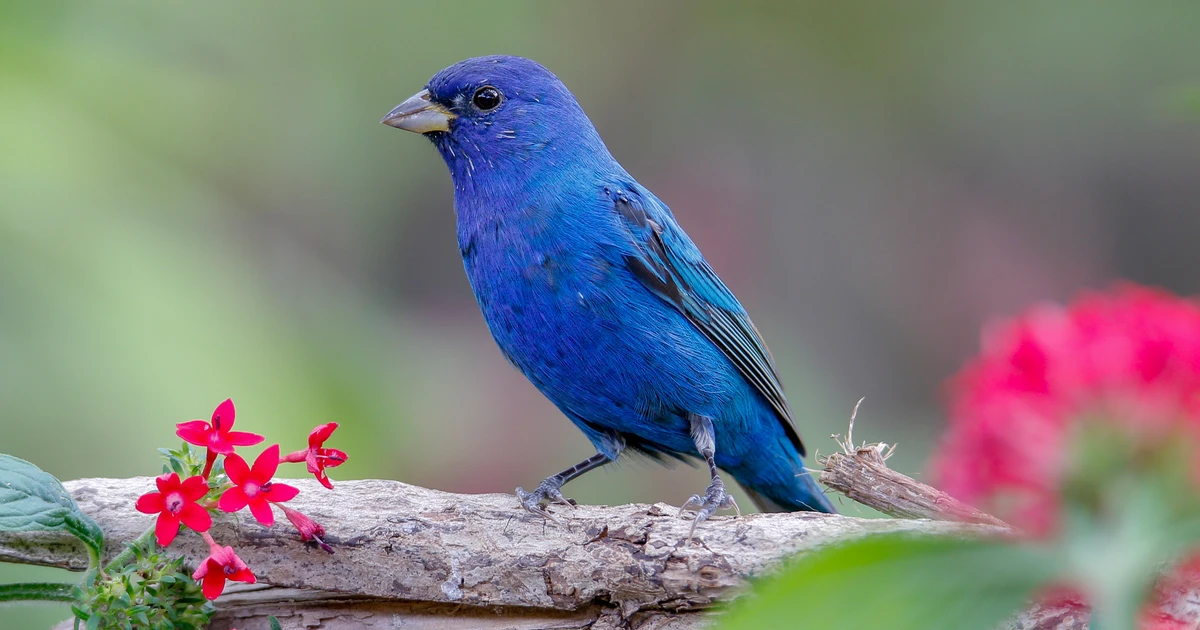
Indigo Bunting
Every May, Louisville’s "edges"—the brushy borders where the deep forest meets the sun-drenched paths of The Parklands—are set ablaze by the electric plumage of the Indigo Bunting. Often called "blue canaries" for their tireless, paired-note songs, these tiny migrants are a masterclass in optical physics; their feathers contain no actual blue pigment, instead relying on microscopic structures to scatter light into that signature neon hue. For hikers on the Boone Bottoms or Wild Hyacinth trails, spotting a male bunting is a seasonal rite of passage, marking the exact moment when the Kentucky landscape shifts from the soft pastels of early spring into the deep, vivid saturation of summer.
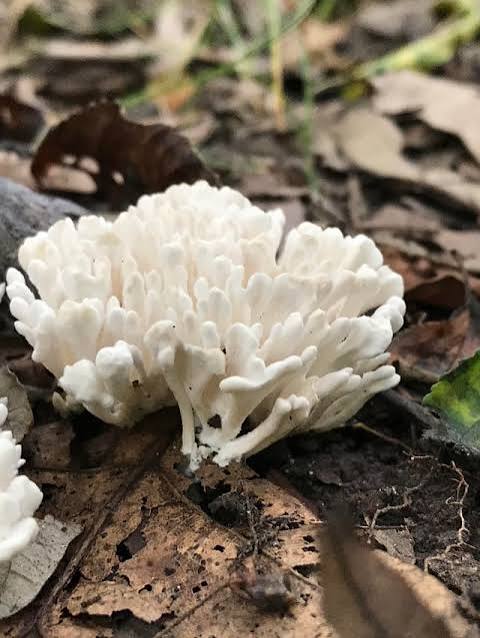
Jellied False Coral
A fascinating fungus native to Kentucky's rich summer woodlands, frequently found emerging from leaf litter beneath oak and beech trees. While it mimics the intricately branched, upright appearance of true coral fungi, it belongs to an entirely different evolutionary order and is characterized by its tough, rubbery, and slightly gelatinous texture. Its coloration ranges from a clean, pale cream to a dull whitish-tan, often becoming darker and more fused near the base as it matures. Growing in a mutualistic mycorrhizal relationship with surrounding tree roots, this resilient fungus thrives during periods of high humidity and heavy summer rains.
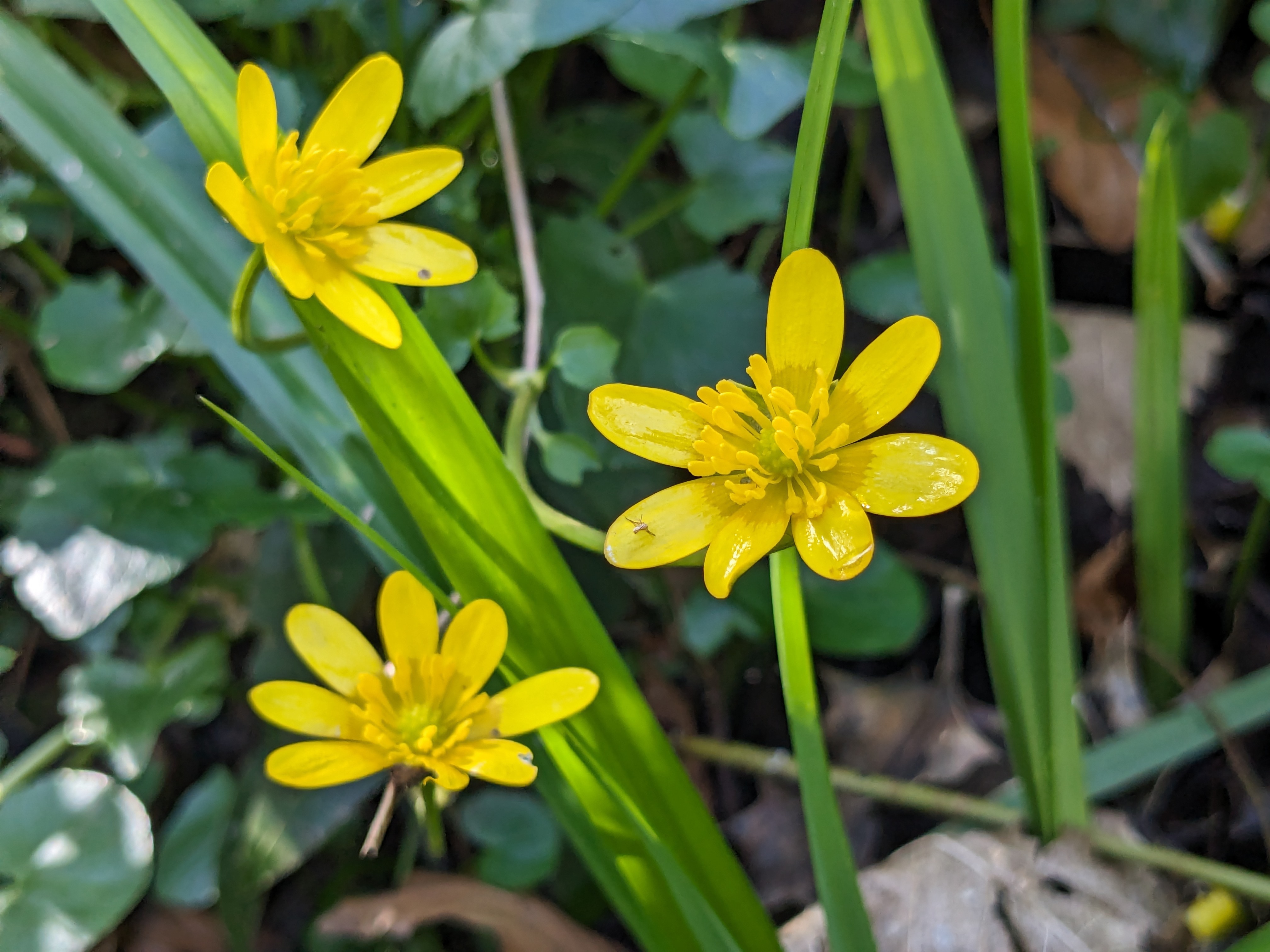
Lesser Celandine
If you’ve taken a stroll through Cherokee Park or along the banks of Beargrass Creek in spring, you’ve likely seen a shimmering carpet of buttery yellow flowers. That’s Lesser Celandine, and while it’s undeniably photogenic, it’s also one of Louisville’s most persistent "botanical bullies." This invasive groundcover wakes up much earlier than our native Kentucky wildflowers, effectively hogging the sunlight and space before the local stars—like Trout Lilies and Virginia Bluebells—even get a chance to sprout.
By the time the Kentucky Derby rolls around in May, the plant will vanish back underground into a network of stubborn, finger-like tubers, leaving the forest floor bare and vulnerable to erosion. It’s a classic case of a pretty face with a ruthless agenda.
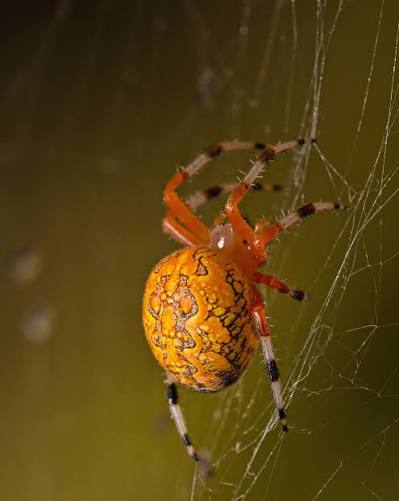
Marbled Orbweaver
Often called the "pumpkin spider," is a striking, harmless arachnid common to woodlands, parks, and meadows throughout North America. Best known for its bright, marbled abdomen—which frequently matures into vivid shades of orange and yellow in late summer and fall—this spider is a master weaver of classic spiral orb webs. Rather than sitting in the center of its web during the day, a female cleverly constructs a hidden retreat by silk-tenting a curled leaf nearby, keeping a single leg on a signal thread to feel prey vibrations. Non-aggressive toward humans, the Marbled Orbweaver is an invaluable pest controller that keeps populations of mosquitoes, flies, and moths in check.
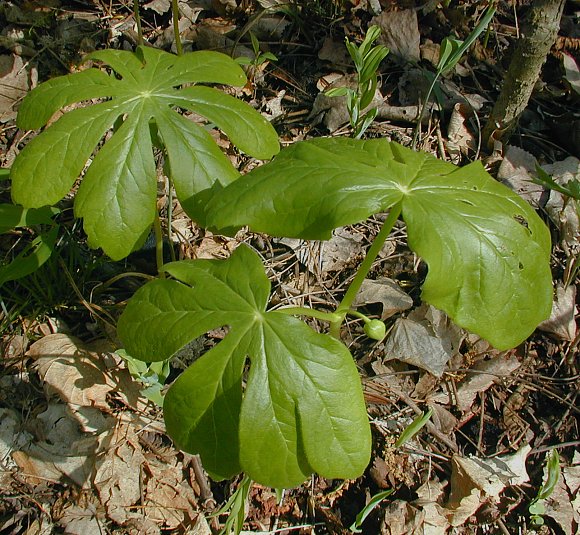
Mayapple
A quintessential woodland plant of the Kentucky forest floor. Its umbrella-like canopy provides essential shelter for smaller insects and represents the slow, deliberate pace of growth in our maturing local woodlands.
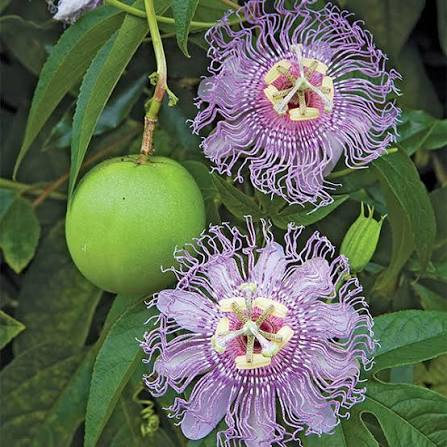
Maypop
Also known as the purple passionflower, is a fast-growing perennial vine native to the southeastern United States. Celebrated for its complex, otherworldly purple-and-white flowers, the plant climbs using curling tendrils and features distinctive three-lobed leaves. In late summer and fall, it bears smooth, egg-shaped green fruits that soften, wrinkle, and turn yellowish-green as they mature, yielding a fragrant, sweet-tart pulp surrounding edible seeds. Named for the satisfying "pop" sound the hollow fruit makes when crushed—or its tendency to pop out of the ground in spring—the maypop is both a favorite wild forage and a crucial host plant for native butterfly species like the Gulf Fritillary.
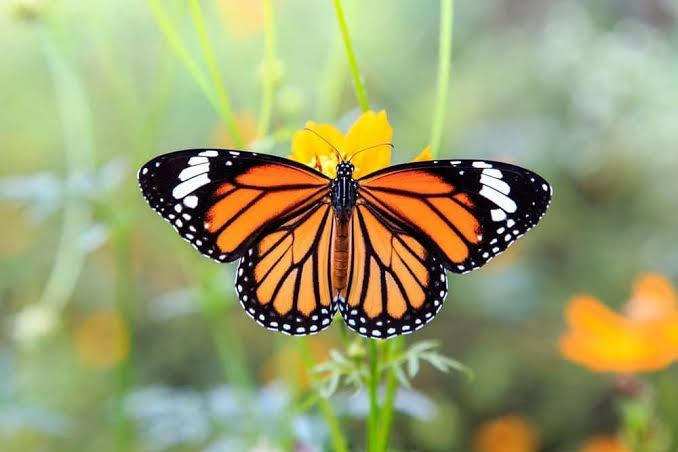
Monarch butterfly
A hallmark of late summer and early autumn, turning native grasslands like Summit Field at Iroquois Park into vital migratory pit stops. As part of the famous "super-generation," these butterflies rely heavily on the city's restored knob-top prairies, parklands, and neighborhood waystations packed with milkweed and late-blooming goldenrod to refuel. The Ohio Valley sits directly along their primary eastern flyway, making Louisville a crucial stopover before these delicate travelers begin their heroic 2,000-mile journey south to wintering grounds in central Mexico.
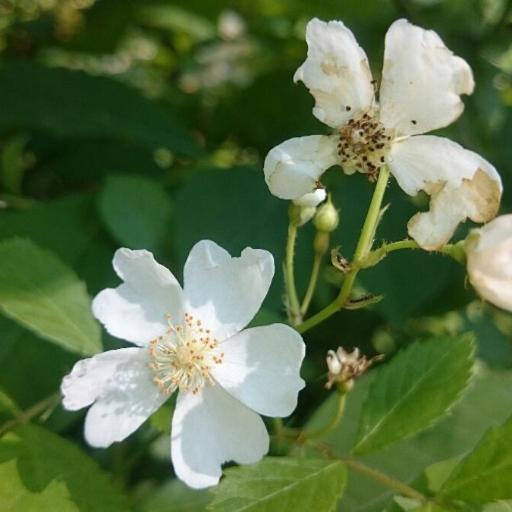
Multiflora Rose
Recognized as one of the most prevalent and aggressive invasive shrubs threatening local ecosystems. This vigorous plant forms dense, thorn-covered thickets that can grow up to 15 feet tall, effectively outcompeting native vegetation and reducing habitat quality for local wildlife. As of early 2026, local management efforts are active; for instance, the University of Louisville Botanical Society and sustainability programs host regular invasive plant removal events at Jefferson Memorial Forest to knock back these populations. Additionally, the Natural Areas Division of Louisville Parks & Recreation and groups like The Parklands of Floyds Fork utilize techniques such as rotational mowing and targeted removal to protect the region's meadows and forests from being overtaken by this "thorny threat".
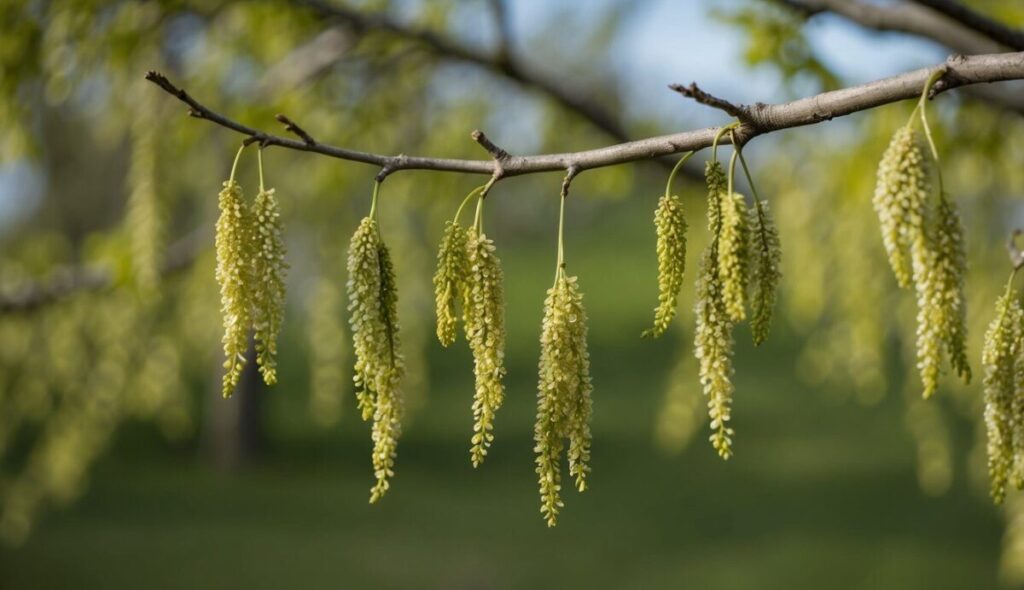
Oak Catkins
The dangling, tassel-like male flower clusters produced by oak trees every spring, serving as a primary source of the yellow pollen that coats surfaces across Kentucky in April. These structures are designed for wind pollination, releasing vast quantities of grains to reach the small, inconspicuous female flowers located on the same tree. Once their reproductive mission is complete, the trees shed the catkins in massive quantities, leaving the fuzzy, worm-like "tassels" to carpet forest floors and sidewalks. While they can be a nuisance for allergy sufferers, they are a vital sign of the forest's reproductive cycle and eventually break down to enrich the soil.
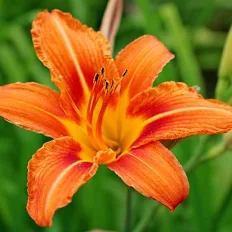
Orange Daylilies
A classic visual marker of early summer, erupting into full bloom every June and July. Frequently called "Ditch Lilies," these hardy, trumpet-shaped flowers line regional walking paths like The Strand, pop up along highway medians, and blanket rural roadsides throughout Jefferson County. While they are a beloved, nostalgic sight for many locals, these resilient plants are actually non-native imports that escaped historic homestead gardens, spreading aggressively through thick underground roots to outcompete local wildflowers.
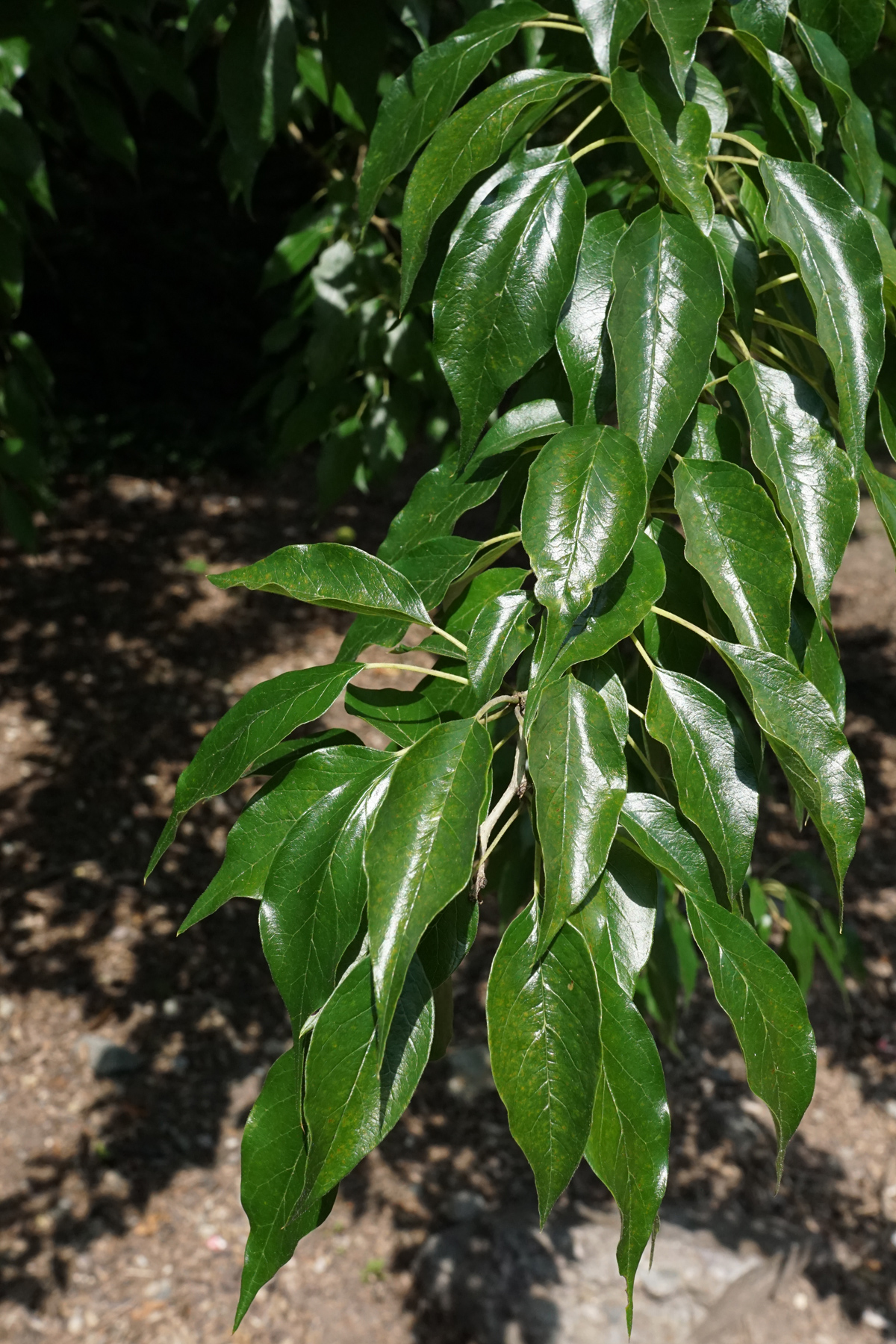
Osage Orange
In Kentucky, the Osage Orange is a rugged staple of the landscape, often found standing as a gnarled sentinel along old farm boundaries. While it’s famous for its lumpy "hedge apple" fruit, many specimens across the Bluegrass State—like the one in your photo—are male trees, meaning they’ll never drop those green "brains." Its most striking feature is the deeply furrowed, rope-like bark; if you look closely into the crevices, you'll see a vibrant orange-yellow hue that was once prized by pioneers for making natural dyes. Though younger "water sprouts" are notorious for their sharp thorns, mature Kentucky trees often lose that defensive edge on their lower limbs, leaving behind a resilient, rot-resistant wood that's as tough as the state’s history of "living fences."
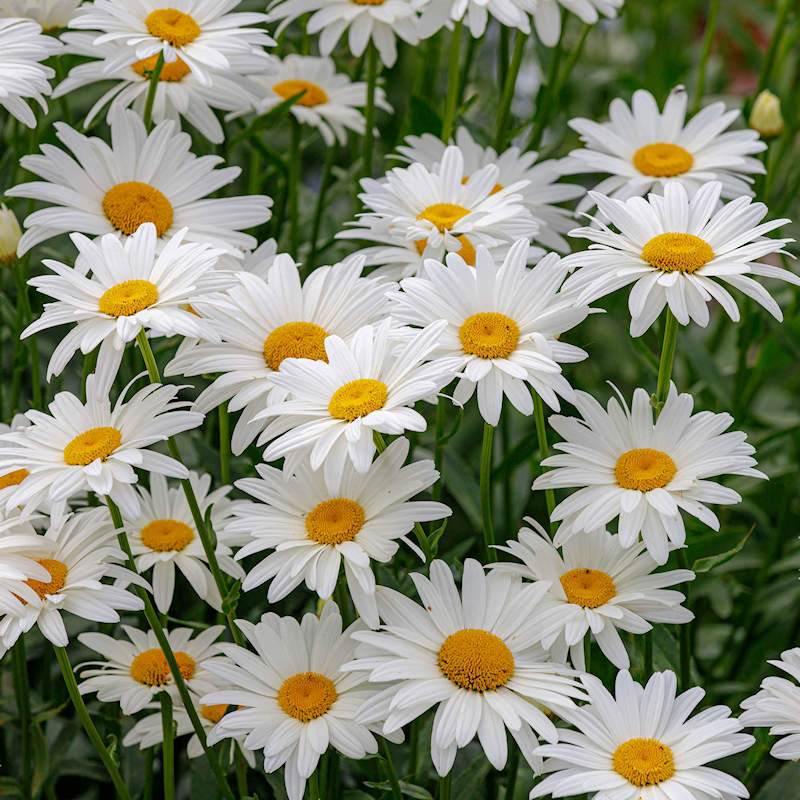
Oxeye Daisies
Louisville’s sun-drenched parks and grassy hillsides—from McNeely Lake to local roadside meadows—get painted by the cheerful white and yellow blooms of the Oxeye Daisy. While these iconic wildflowers look like a postcard-perfect staple of a Kentucky spring, they are actually charming opportunists. Originally native to Europe, these hardy plants have thoroughly made themselves at home in Derby City, aggressively claiming local meadow real estate and putting on a spectacular, sun-soaked show just as the late-spring warmth settles in.
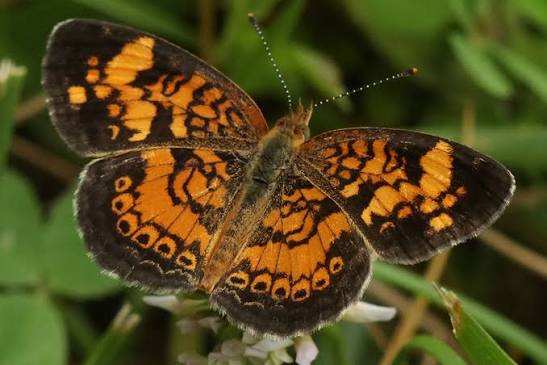
Pearl Crescent
A small, vibrant butterfly commonly found fluttering along North American fields, pastures, and sunny trail edges. Easily identified by its intricate pattern of bright orange and dark brown markings on the upperside, it earns its name from a subtle, pearly-white crescent spot nestled within a dark patch on the underside of its hindwing. Female Pearl Crescents lay their eggs primarily on native asters, which provide essential nourishment for the emerging caterpillars. Flying low to the ground and frequently pausing to bask in sunny patches, these resilient pollinators produce multiple generations each year, making them a constant and cheerful presence from early spring through late autumn.
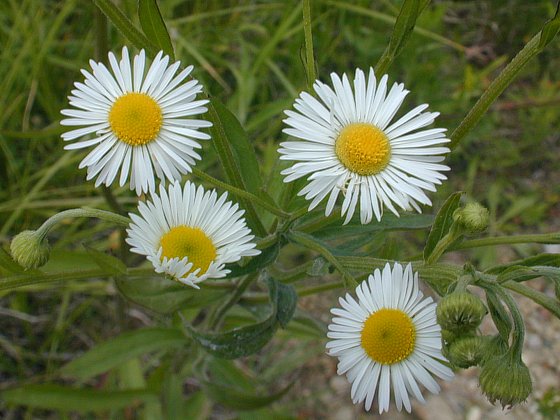
Philadelphia Fleabane
is a ubiquitous spring wildflower that blankets the roadsides and trail margins of the Knobs throughout April and May. While often colloquially dismissed as a "wild daisy," it is distinguished by its exceptionally fine, thread-like white rays—numbering up to 150 per flower—and its hairy stems with leaves that tightly clasp the stalk. This native perennial is a vital generalist for local biodiversity, serving as a reliable nectar source for a wide array of small native bees, hoverflies, and butterflies during the transition from early spring to summer. Hardy and adaptable, it is one of the most recognizable "volunteers" in the forest ecosystem, often found growing in cheerful clusters alongside Wingstem and Blackberries where the canopy opens to let in the sun.
The name comes from an old folk belief that the dried plants could be burned or stuffed into sachets to drive away fleas. While it doesn't actually work as a modern pest control, the name stuck!
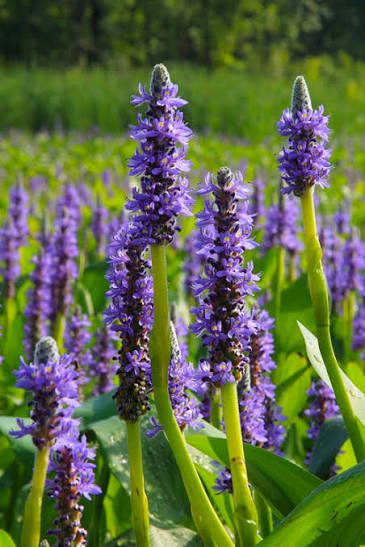
Pickerelweed
is a robust native aquatic perennial that thrives in the shallow waters, marshes, and pond margins of eastern North America. Easily recognized by its large, glossy, arrowhead-shaped leaves and striking upright spikes of violet-blue flowers, this plant blooms throughout the summer, adding a vibrant splash of color to wetland landscapes. Beyond its beauty, pickerelweed plays a vital role in the local ecosystem; its nectar-rich blossoms are a major draw for native pollinators like bumblebees and butterflies, while its dense colonial growth provides essential shelter for aquatic wildlife and its seeds offer a high-energy food source for waterfowl.
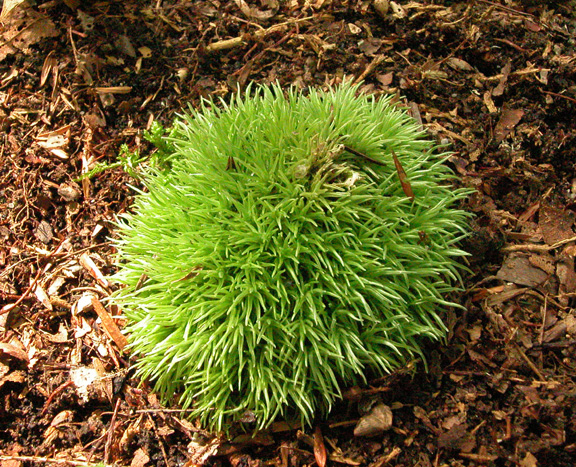
Pincushion moss
A fascinating, hardy bryophyte that grows in dense, rounded cushions resembling tiny velvet pillows on the forest floor. Perfectly adapted to the rugged, acidic soils of wooded slopes like those found along the Purple Heart Trail, this moss plays a vital ecological role by absorbing moisture like a sponge and anchoring loose rocks to prevent soil erosion. It thrives in the dappled shade of hardwood canopies, famously acting as a color chameleon by shifting from a vibrant, lush green when wet to a pale, ghostly grayish-white during dry spells.
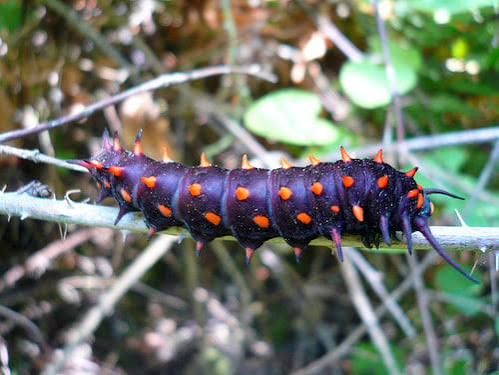
Pipevine Swallowtail Caterpillar
A striking and formidable-looking larva easily identified by its velvety, purplish-black body adorned with rows of vibrant orange-red fleshy tubercles and long, whip-like filaments near its head. Commonly found crawling along the forest floors and limestone paths of Kentucky's woodlands, this caterpillar feeds exclusively on host plants like Virginia Snakeroot and Dutchman's Pipe, safely absorbing and storing the plants' toxic chemical compounds within its own tissues. This specialized diet renders the caterpillar highly unpalatable and poisonous to birds and other predators—a danger boldly advertised by its bright, warning coloration and its ability to deploy a foul-smelling, horn-like organ called an osmeterium when threatened. After completing its feeding cycle, this armored crawler will pupate and ultimately transform into one of the region's most magnificent butterflies, celebrated for the brilliant, iridescent blue-green sheen on its hindwings.
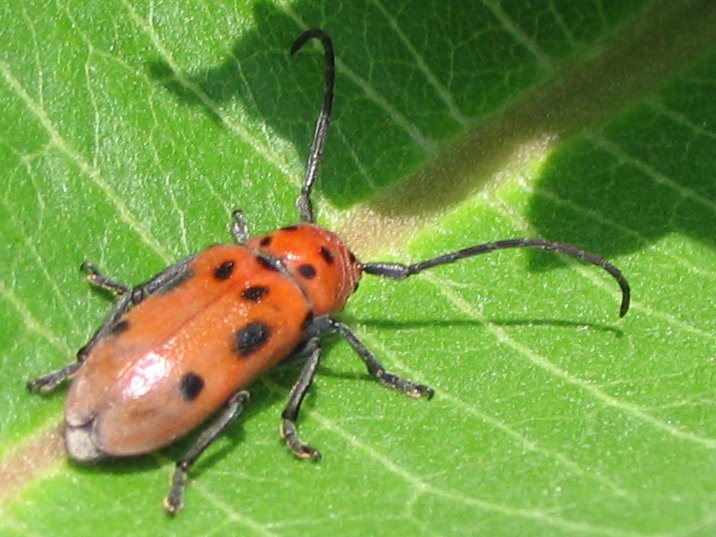
Red Milkweed Beetle
A vibrant longhorn beetle native to North America that lives, mates, and feeds exclusively on milkweed plants. Sporting a striking red-and-black body, this insect utilizes bright warning coloration to alert predators to its toxicity, which it acquires by safely ingesting the milkweed's poisonous, chemical-laden sap. Beyond its specialized diet, the beetle possesses a fascinating anatomical quirk reflected in its genus name, Tetraopes, which translates to "four eyes." Because its long antennae sprout directly from the middle of its face, its compound eyes have evolutionarily split into completely separate upper and lower pairs on each side of its head, allowing it to see both above and below its antennae base.
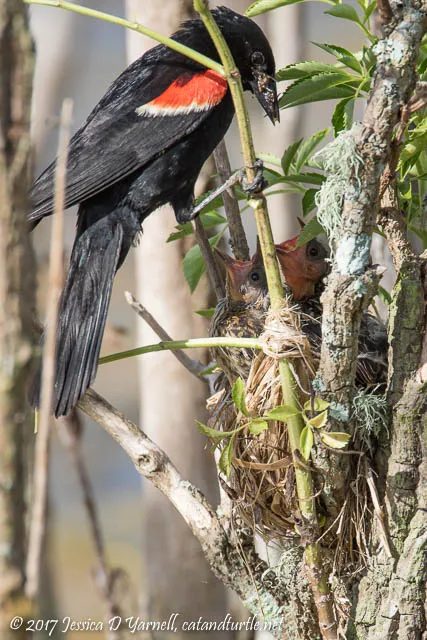
Red Winged Blackbird Nest
These birds are iconic to Kentucky’s wetlands and park ponds. The nest is a sturdy cup woven from aquatic reeds and grasses, often anchored to saplings like those found near the waterways of Floyds Fork.
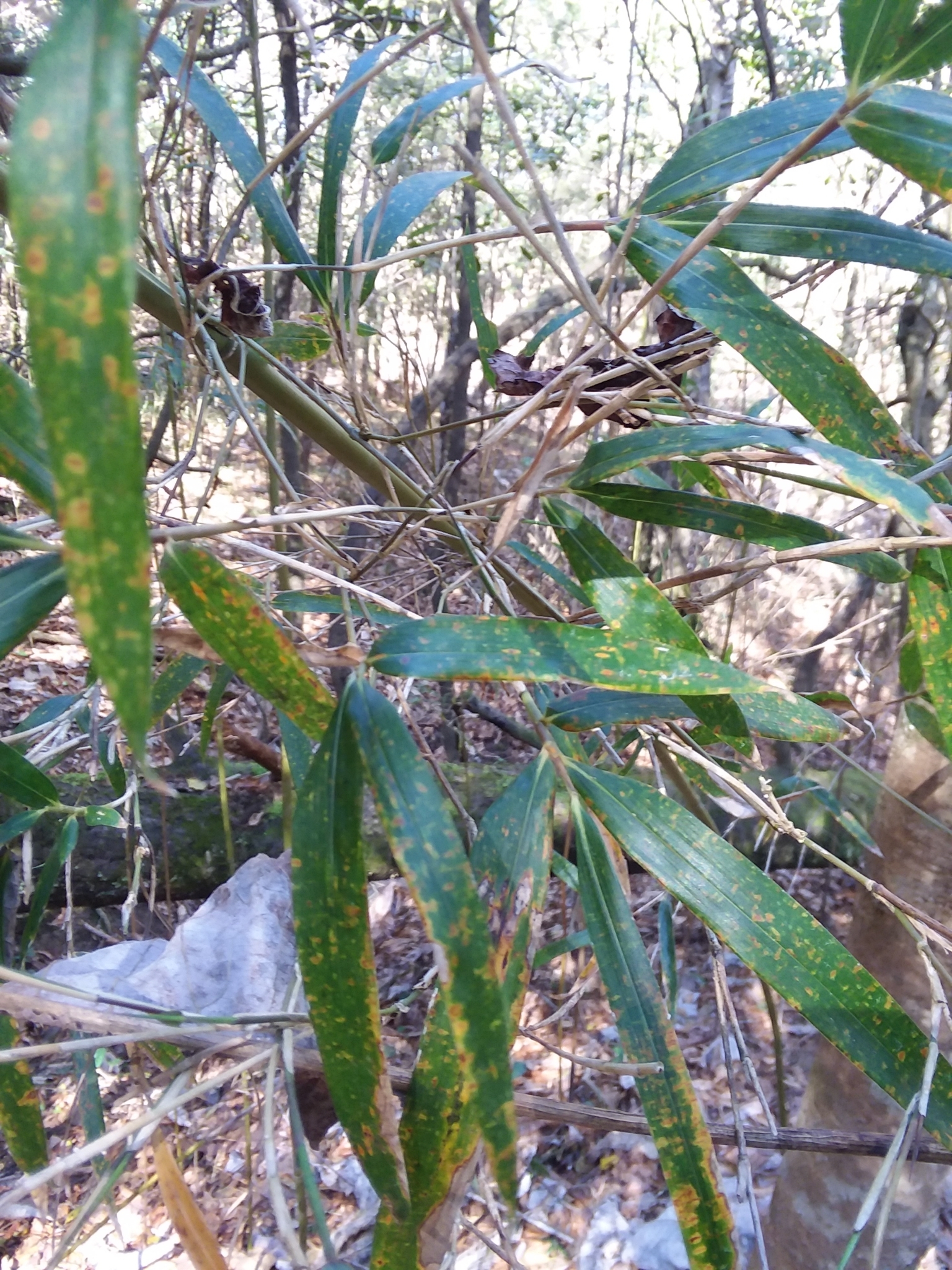
River cane
Kentucky’s only native bamboo and a critical component of the state’s natural and cultural history. Historically, it formed vast, dense thickets known as canebrakes that blanketed the fertile bottomlands of the Bluegrass and Mississippi Embayment regions. These ecosystems provided essential habitat for diverse wildlife, including the now-extinct Bachman’s warbler, and served as a versatile material for Indigenous peoples like the Cherokee, Chickasaw, and Shawnee for weaving intricate baskets and crafting tools.
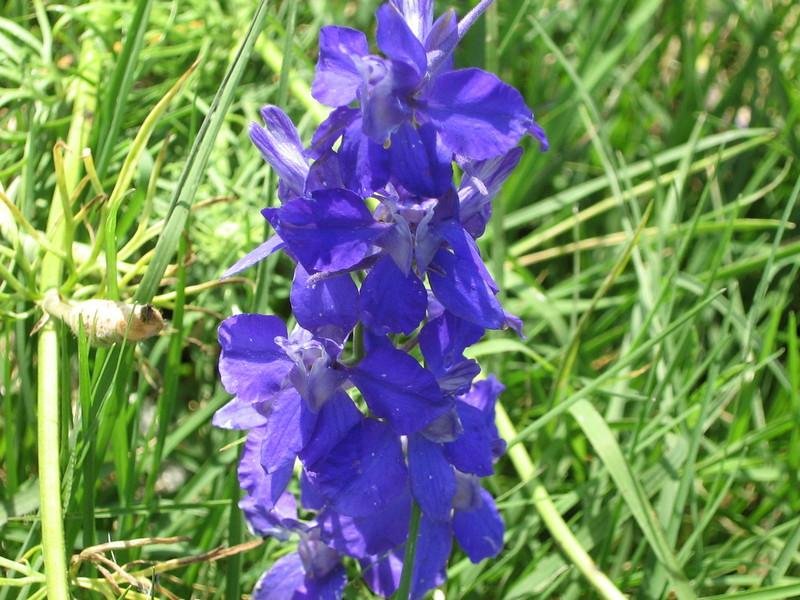
Rocket Larkspur
A striking, self-seeding annual that brightens open meadows and sunny park edges from late spring through mid-summer with its tall spikes of vibrant purple blossoms. Originally native to the Mediterranean, this adaptable plant is easily recognized by its exceptionally fine, feathery foliage and flowers that produce a single upright seed pod. In contrast, the prized native Dwarf Larkspur (Delphinium tricorne) is an early-blooming spring ephemeral found on shaded woodland floors, sporting broad, hand-shaped leaves and distinct, three-horned seed pods. While both plants share the signature backward-pointing nectar spur that local pollinators love, Rocket Larkspur trades the fleeting lifecycle of its woodland cousin for a sun-loving, summer-long display.
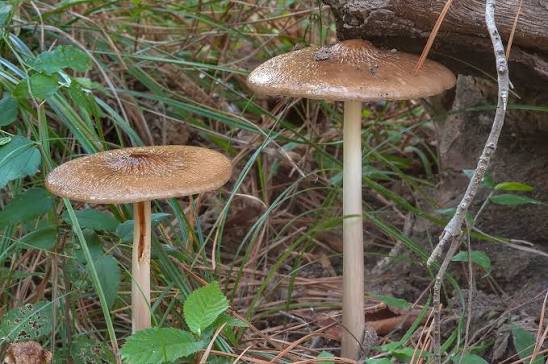
Rooting Shank
is an elegant, earth-toned woodland mushroom easily recognized by its wrinkled, slightly sticky, cinnamon-tan cap and its remarkable underground anatomy. When young, the cap is bell-shaped with a distinct central bump, but it gradually flattens and develops wavy, tattered margins as it matures, blending seamlessly into the fallen leaf litter. The defining characteristic of this species is its extraordinarily long, tapering, taproot-like stem extension—known as a pseudorhiza—which burrows deep into the forest floor to anchor itself directly onto decaying, buried hardwood roots or old tree stumps.
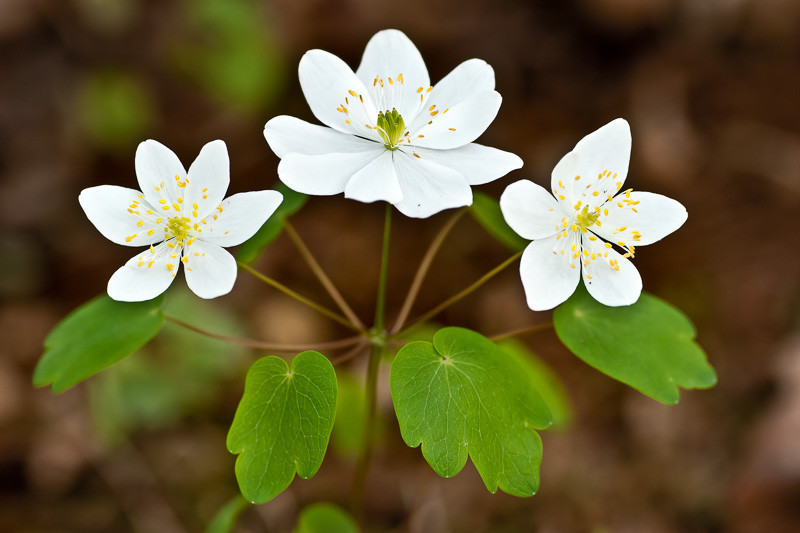
Rue Anemone
is essentially the woodland’s version of a delicate lace doily. A classic spring ephemeral native to North American forests, it sports dainty white or pale pink blossoms that look almost too fragile for the erratic early-spring winds. What makes it particularly charming—and gives it its name—is its foliage, which mimics the rounded, lobed leaves of Meadow Rue. It’s a master of the "short and sweet" lifestyle: it rushes to bloom and soak up the sun before the tree canopy fills in, then quietly goes dormant by mid-summer, leaving the stage to its hardier neighbors.
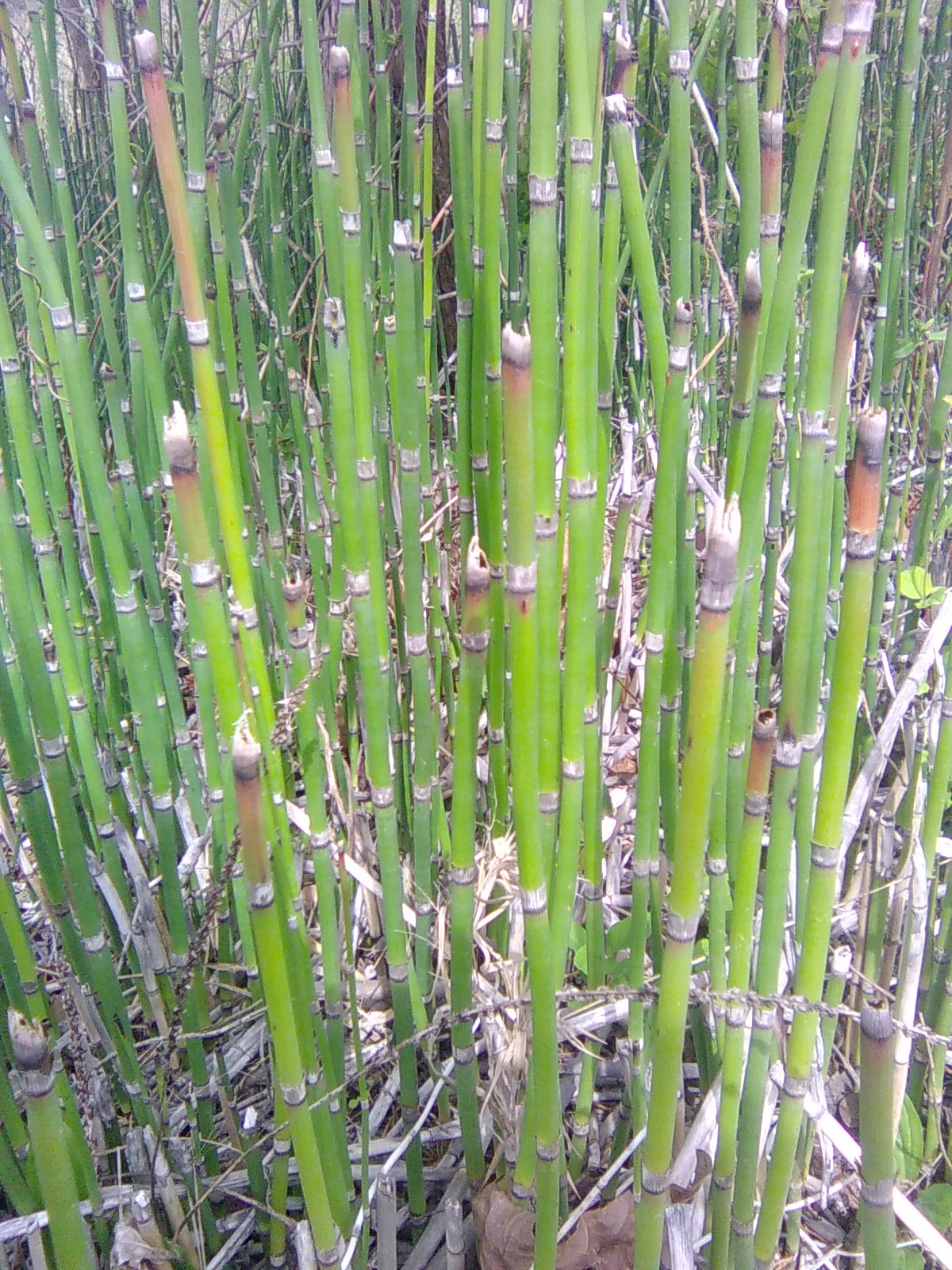
Scouring Rush
This "living fossil" thrives in the wet, limestone-rich creek beds of Jefferson County. Its silica-rich stems were essential tools for Kentucky pioneers, who used them to scrub iron cookware before the advent of modern soaps. Their ancestors dominated the Earth during the Carboniferous period (over 300 million years ago), growing into massive, tree-sized forests. Today they are essentially a miniature version of a dinosaur-age landscape!
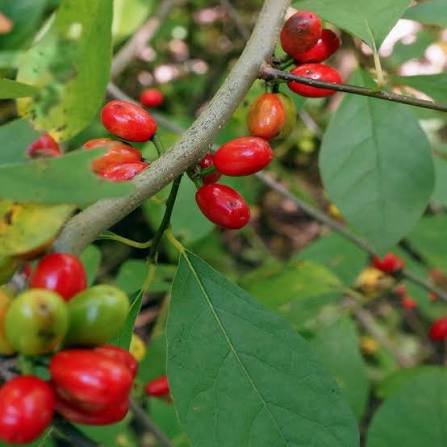
Spicebush berries
Glossy, oval-shaped drupes that transform from green to a vibrant, eye-catching crimson as late summer arrives. Packed with rich lipids and essential oils, these nutrient-dense fruits serve as a vital energy boost for migrating songbirds preparing for their long journey south. Beyond their ecological value, the berries emit a warm, citrusy fragrance when crushed—a trait that made them a prized wild spice among Native Americans and early European settlers, who dried and ground the ripe fruits to use as a local, aromatic substitute for traditional allspice.
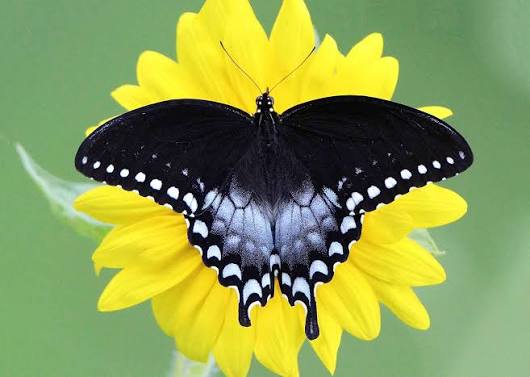
Spicebush Swallowtail
A velvety, dark-winged butterfly prized for its elegant appearance and clever defense mechanisms. Its charcoal-black wings feature a row of light cream spots along the edges and a stunning, iridescent blue wash across the lower wings. To avoid predators, adults mimic the toxic Pipevine Swallowtail, while their caterpillars go through remarkable disguises—starting out resembling bird droppings before turning bright green with snake-like fake eyespots. They are commonly found fluttering near woodland edges and moist thickets where their primary host plants, sassafras and spicebush, grow.
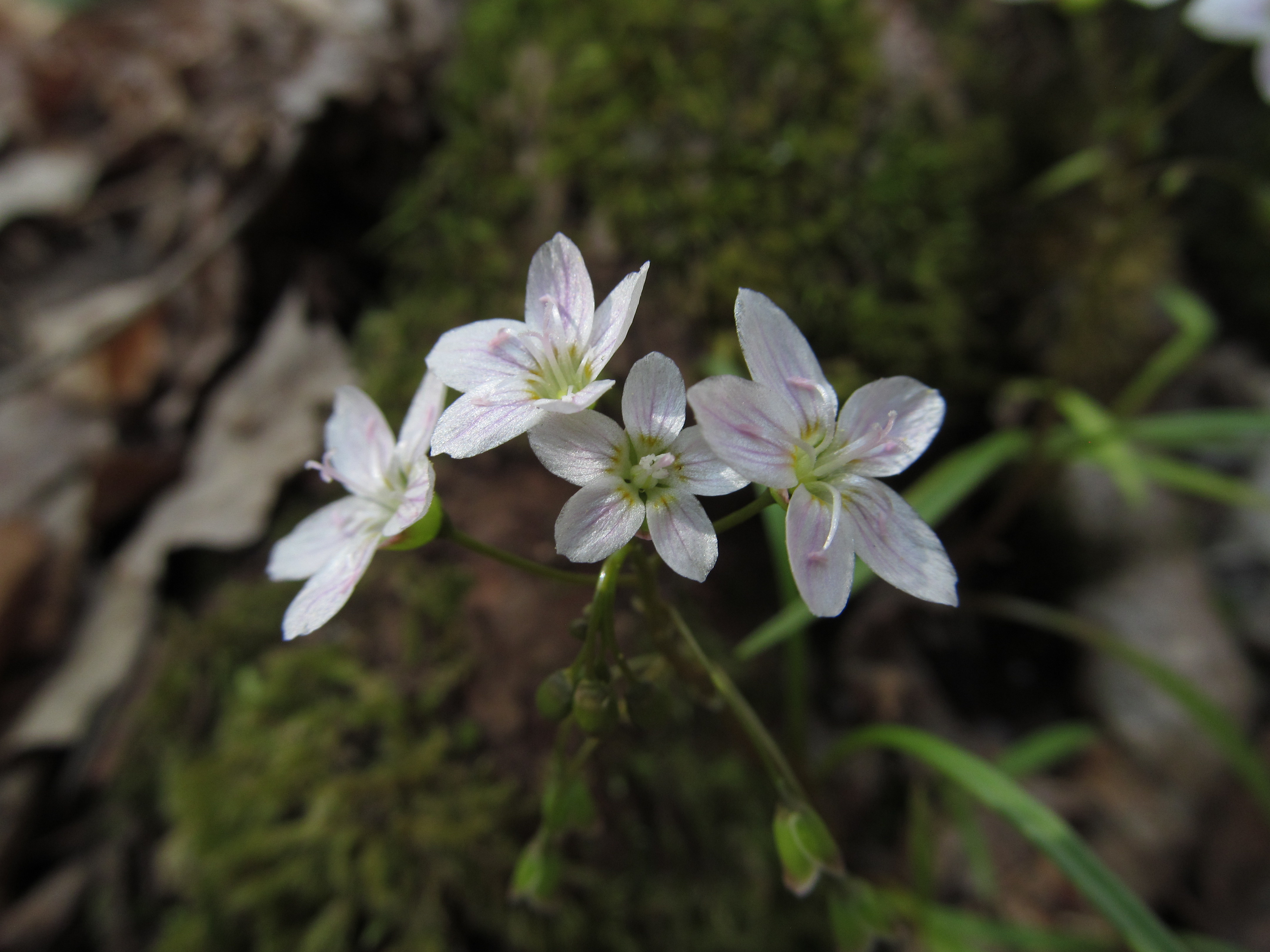
Spring Beauties
The ultimate "early birds" of the forest floor. These delicate spring ephemerals race to bloom in a rush of white and candy-pink stripes before the overhead tree canopy fills in and steals their sunlight. If you look closely at their petals, those tiny pink veins aren't just for show—they act like neon landing strips (nectar guides) to direct sleepy, early-season bees toward the center. Despite their fragile appearance, they are remarkably hardy, storing energy in small, underground tubers nicknamed "fairy spuds" that were once a seasonal snack for foragers.
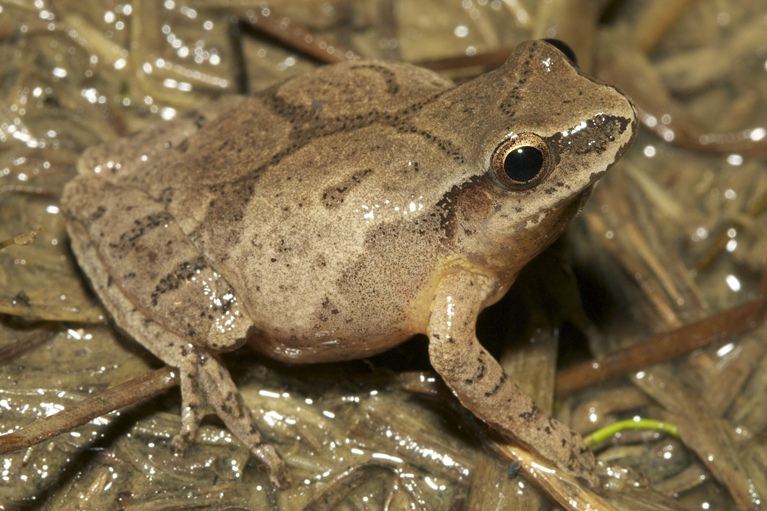
Spring Peeper
Even though they sound like a massive wall of noise, each individual frog is quite tiny—usually no bigger than a paperclip! The sound is their "advertisement" call. Males congregate in wet areas to signal to females. The Spring Peeper get their scientific name, crucifer, from the dark, X-shaped mark on their backs. They are often the very first sign of spring. Since today is March 8th, they are right on schedule for the Louisville area! For their size, they are one of the loudest animals in North America—a large chorus can actually be deafening if you're standing right next to the water.
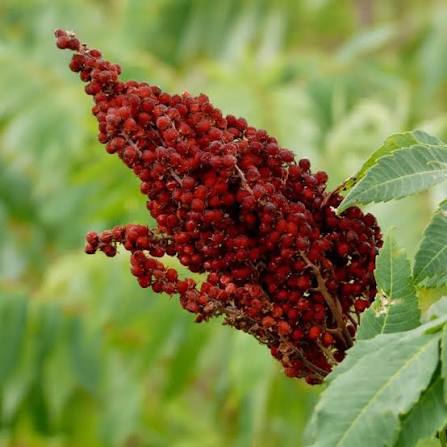
Sumac shrub
Particularly the Smooth and Staghorn varieties native to Kentucky, is a resilient, sun-loving woody plant easily distinguished by its large, fern-like compound leaves and striking, upright cones of velvety crimson berries. Growing abundantly along forest edges and trail borders, this ecologically vital shrub provides a critical winter lifeline for local birds and mammals, as its dense fruit clusters persist long after the first snowfall. While often mistaken for its toxic relative, harmless wild sumac is completely safe to touch and is celebrated for its spectacular autumn transformation, when its serrated foliage ignites into a brilliant display of fiery oranges and deep reds.
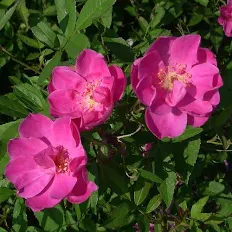
Swamp Rose
Thrives as a beautiful native shrub, bursting into clusters of fragrant, five-petaled pink blossoms every summer. Perfectly adapted to the damp bottomland soil of the Floyds Fork watershed and locations like The Strand, this resilient plant loves wet feet and serves as a vital component of the local ecosystem. Its dense, thorny branches provide essential nesting cover for native birds, its yellow centers attract local pollinators, and its bright red autumn fruit—known as rose hips—offers a crucial winter food source for regional wildlife.
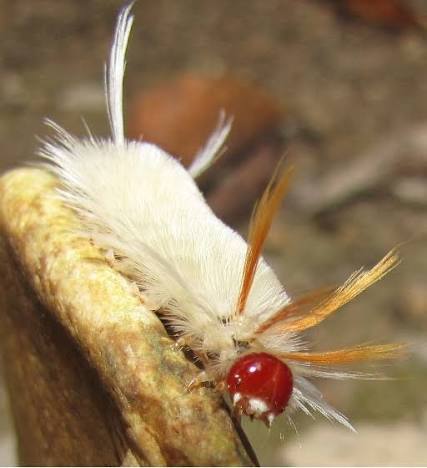
Sycamore Tussock Moth caterpillar
A striking insect easily recognized by its dense coat of pale yellow or creamy-white hairs, a reddish-orange head, and two distinct pairs of orange hair pencils extending forward near its front. Common throughout eastern North America during late summer, it feeds almost exclusively on the leaves of American Sycamore trees. Although its fuzzy, plush body looks inviting, the caterpillar’s hairs can break off easily upon touch and cause mild skin irritation, itching, or contact dermatitis. Enjoying them from a respectful distance is best before they spin cocoons and transform into modest, light tan adult moths.
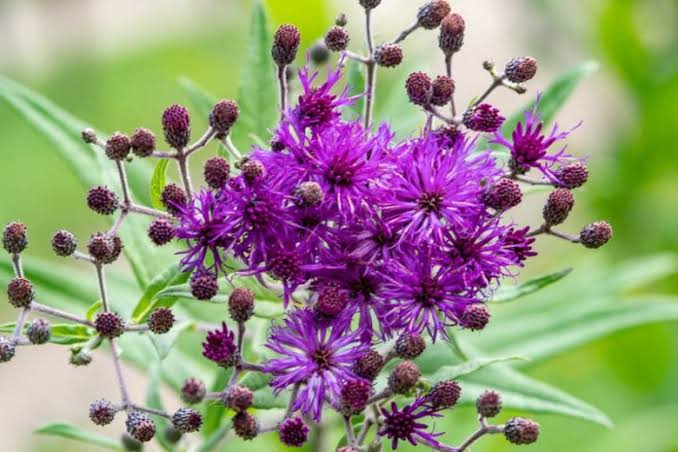
Tall Ironweed
A robust native perennial that brightens mid-to-late summer meadows and trail borders with rich, fluffy purple flower clusters. It earns its common name from its remarkably tough, fibrous dark stems, which easily stand up to summer storms. Lacking flat outer ray petals, its deep magenta-violet blooms consist entirely of nectar-rich disc florets. Peak-blooming in July and August, Tall Ironweed plays a crucial ecological role by providing a high-energy refueling station for a wide array of foraging butterflies, native bees, and other pollinators.
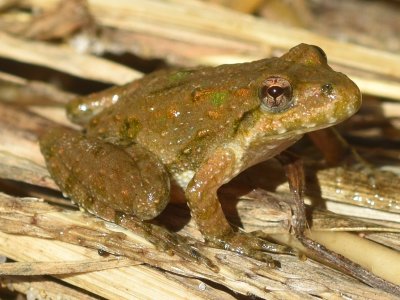
The Blanchard's Cricket Frog
A tiny, ground-dwelling amphibian native to the diverse wetlands and river basins of the central United States. Measuring just 1 to 1.5 inches in length, this master of camouflage is characterized by its rough, warty skin and a highly variable color palette, frequently sporting a vibrant lime-green or rusty-red stripe along its spine. Rather than a typical croak, it is named for its distinctive breeding call, which mimics the sharp, rapid clicking of marbles. Thriving along the muddy, gravel-strewn banks of slow-moving water sources, this diminutive frog possesses astonishing leg strength, allowing it to escape predators by leaping up to three feet—nearly thirty times its own body length—in a single, explosive bound.
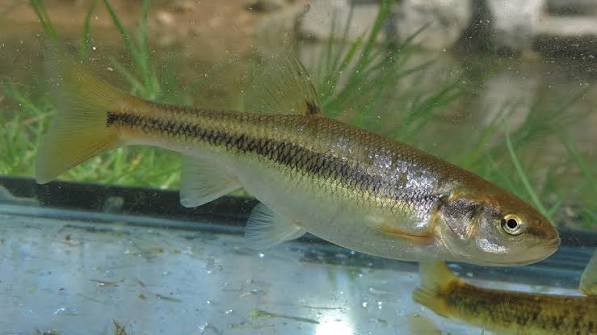
The Creek Chub
One of the most resilient and spirited native minnows swimming in Kentucky's streams. Far from a helpless little baitfish, it behaves more like a miniature trout—acting as a hardy, opportunistic predator that aggressively hunts insects, terrestrial bugs that fall into the water, and even smaller fish. They are easily identified by their streamlined, torpedo-shaped bodies, that prominent ink-black lateral stripe, and a signature dark spot at the front base of their top dorsal fin. During the spring spawning season, dominant males actually develop specialized, horn-like bumps on their heads called nuptial tubercles, which they use like tiny battering rams to defend the gravel nests they painstakingly build.
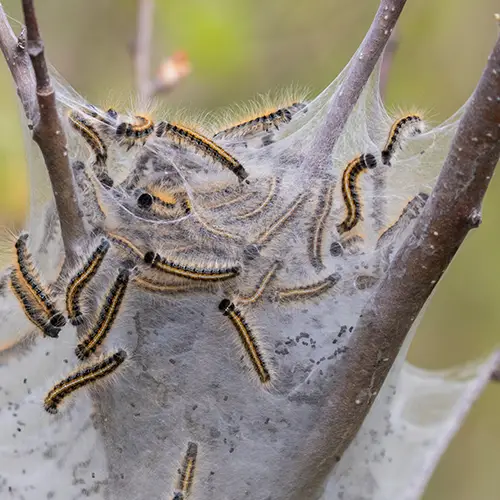
The Eastern Tent Caterpillar
Well-known for constructing large, silken "tents" in the crotches of fruit and hardwood tree branches during the Kentucky spring. These social caterpillars use the web as a centralized protective gallery, emerging several times daily to feed on emerging foliage before returning to the shelter to rest and digest. While their massive webs and hearty appetites can temporarily strip a tree of its leaves, the damage is primarily aesthetic, and healthy trees typically recover. By late spring, the caterpillars leave the tent to spin cocoons, eventually transforming into inconspicuous brown moths.
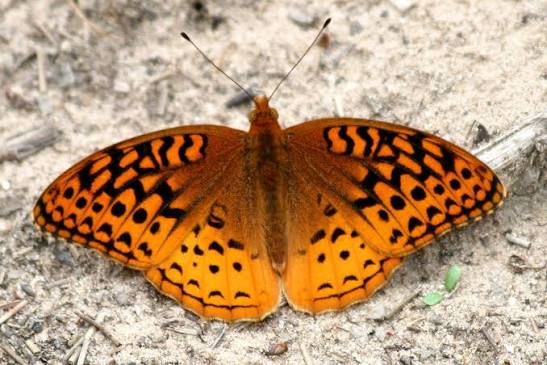
The Great Spangled Fritillary
A large, vibrant butterfly recognizable by the rich orange and black checkered pattern on its upper wings. On the undersides of its hindwings, it features broad, brilliant silver spots—or "spangles"—that give the species its name. Active throughout the summer, this striking pollinator is a frequent visitor to open fields, sunny trail edges, and overgrown meadows where it feeds on late-summer wildflowers like thistles and ironweed, while its caterpillars rely exclusively on native violets for food.
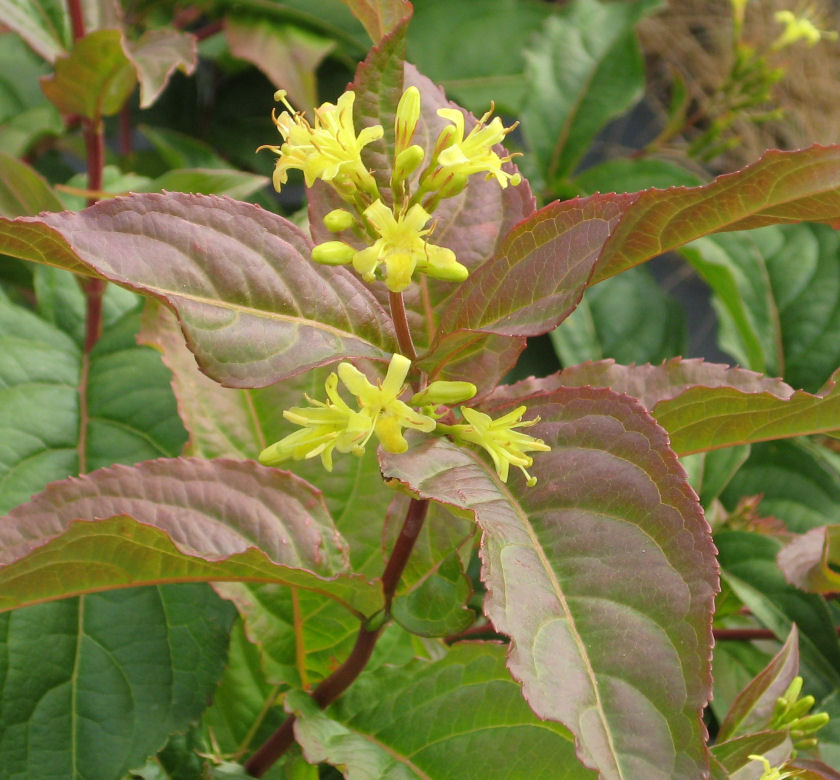
The Northern Bush Honeysuckle
A resilient, low-growing deciduous shrub native to eastern North America. Typically reaching heights of just two to four feet, it is highly adaptable and thrives in dry, rocky, or poor soils, making it an excellent natural choice for stabilizing slopes and preventing erosion. From early to mid-summer, the shrub produces clusters of sulfur-yellow, trumpet-shaped flowers that uniquely shift to a reddish-orange hue as they age, acting as a vital nectar source for native bumblebees, butterflies, and hummingbirds. Most importantly, unlike its aggressively destructive Asian counterparts (such as Amur honeysuckle), this well-behaved native species coexists harmoniously within woodland ecosystems, offering valuable wildlife support without choking out surrounding flora.
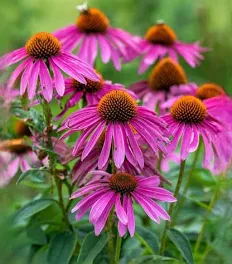
The Purple Coneflower
A hardy, iconic native perennial easily recognized by its striking pinkish-purple petals that radiate from a raised, spiky, coppery-brown central cone. Thriving along sunny trail edges and open meadows in Kentucky, this resilient wildflower is a powerhouse for local biodiversity, serving as a critical nectar source for butterflies and bumblebees throughout the summer months. As autumn approaches, the flower heads dry out and turn black, transforming into a vital winter food source for local songbirds, like goldfinches, who rely on the nutrient-rich seeds.
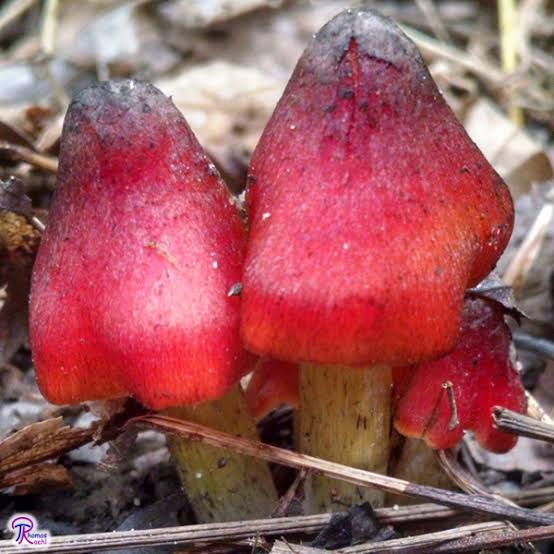
The Red Waxcap
A jewel-like woodland fungus celebrated for its brilliant, glassy scarlet-to-orange coloration and its distinctly pointed, cone-shaped cap. True to their name, these mushrooms possess a distinctively shiny, waxy texture that makes them glisten vividly against the damp soil and decaying leaf litter of the forest floor. Often popping up in mossy, shaded areas after heavy summer rains, some common species—such as the "Witch's Hat" (Hygrocybe conica)—exhibit a fascinating chemical quirk where their vibrant red flesh slowly bruises and discolors to a stark, jet-black when touched or as they naturally mature.
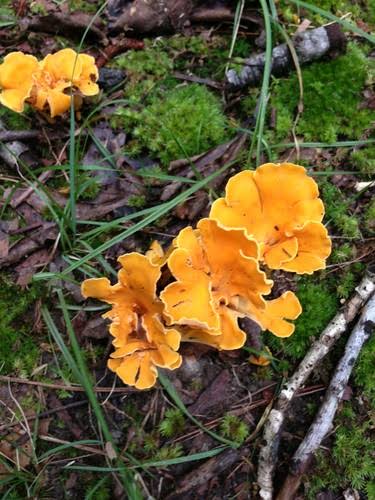
The Smooth Chanterelle
A prized edible wild mushroom native to the hardwood forests of eastern North America. Easily spotted by its vibrant egg-yolk yellow to orange color and wavy, funnel-shaped cap, it sets itself apart from related species by its nearly flat, smooth underside that lacks deep gills or sharp ridges. It fruits directly from the forest floor during warm, humid summer months, forming beneficial mycorrhizal relationships with the roots of trees like oaks. Foragers particularly value the Smooth Chanterelle for its firm, peelable flesh, clean flavor, and subtle aroma reminiscent of fresh apricots.
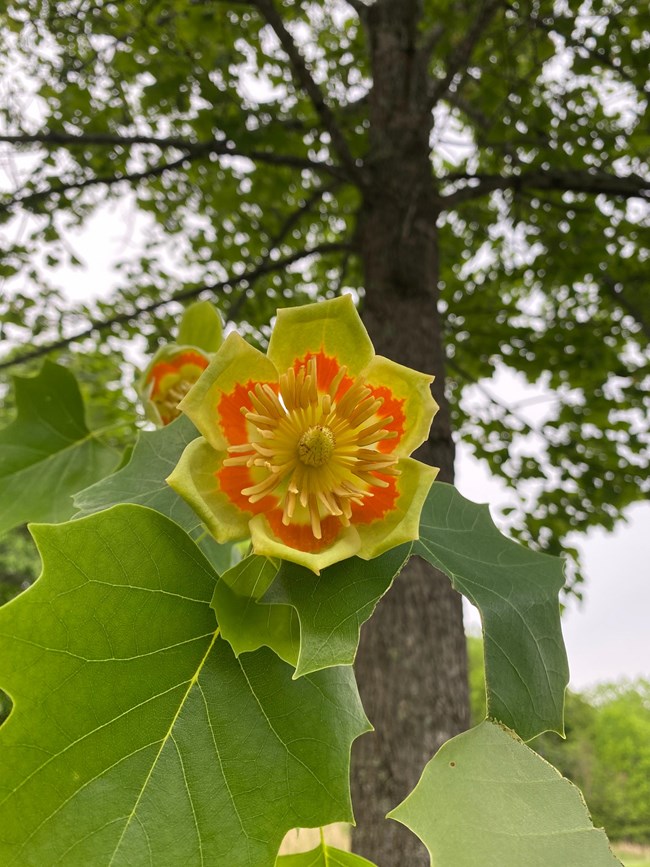
The Tulip Tree
The towering state tree of Kentucky, is one of the most magnificent hardwoods in the Louisville area. Belonging to the Magnolia family, it is easily distinguished by its unique four-lobed leaves that resemble the silhouette of a tulip and its massive, straight trunk that often reaches heights exceeding 100 feet. In late spring, the tree produces large, cup-shaped flowers with pale green petals and a vibrant orange base; however, because these blooms occur high in the canopy, they are most often discovered by hikers as "gifts" on the forest floor after a windstorm. Beyond its ornamental beauty, the Tulip Tree is a vital ecological asset in the Jefferson Memorial Forest, serving as a primary nectar source for honeybees and a critical timber species prized for its lightweight, fine-grained wood.
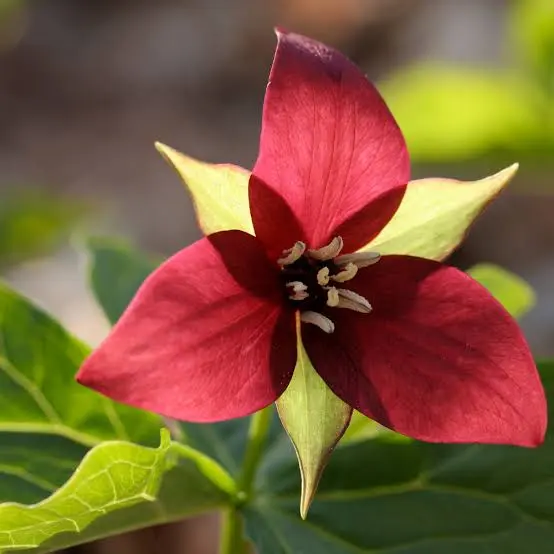
Toadshade Trillium
A cherished Kentucky spring ephemeral found throughout the Bluegrass. This plant, with its mottled leaves and stalkless maroon flower, is a hallmark of the rich, undisturbed limestone soils characteristic of the local landscape.
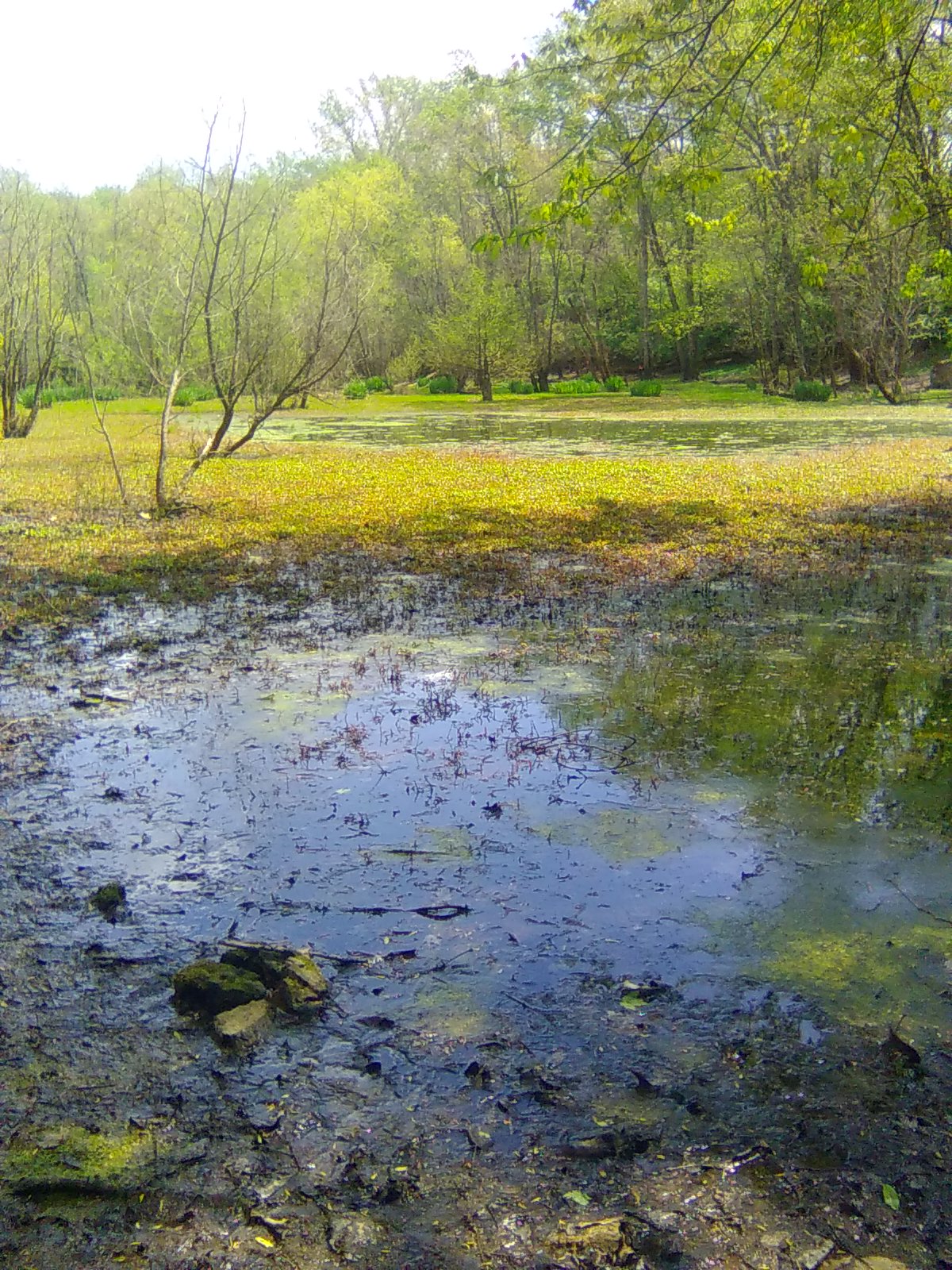
Vernal Pools
Vital, ephemeral wetlands that act as seasonal "nurseries" for the state's biodiversity. Typically forming in low-lying depressions in forests or floodplains, these pools fill with autumn and winter rains but dry up completely during the sweltering Bluegrass summers. This cyclic drying is their most important feature: it prevents fish populations from establishing, creating a safe, predator-free environment for specialized species like the Spotted Salamander, the Wood Frog, and the rare Fairy Shrimp. From the limestone "karst" regions of Central Kentucky to the deep woods of Jefferson Memorial Forest, these temporary ponds are essential biological hotspots that support the state's unique amphibian and invertebrate populations.
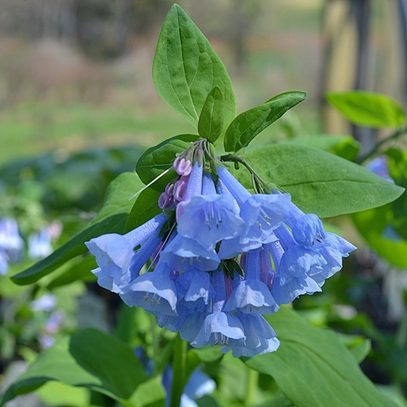
Virginia Bluebells
The charming, low-maintenance extroverts of the spring woodland. These herbaceous perennials are famous for their "color-changing" trick: they begin as delicate pink buds before blooming into clusters of pendulous, sky-blue, trumpet-shaped flowers. Native to the moist floodplains and shaded forests of eastern North America, they are spring ephemerals, meaning they make a grand entrance in April or May and then politely disappear by mid-summer, going dormant once the heat kicks in. Their smooth, bluish-green leaves and 1–2 foot stems create lush colonies that are a favorite pit stop for hummingbirds and long-tongued bees looking for an early-season snack.
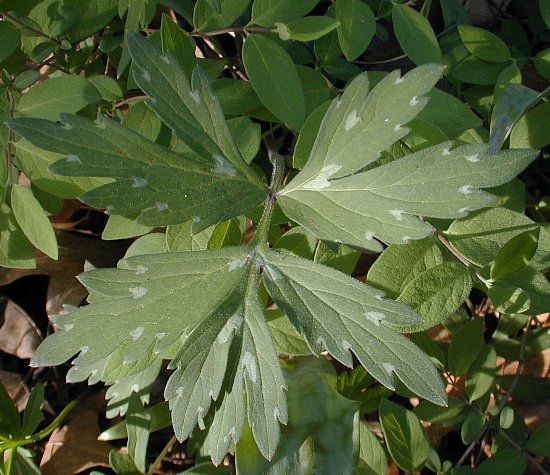
Virginia Waterleaf
A native beauty whose leaves—marked with spots resembling Kentucky raindrops—are a classic indicator of high-quality, undisturbed woodland soil in the region.
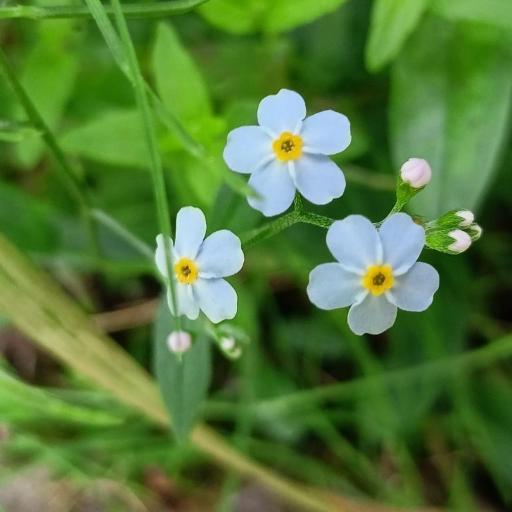
Water Forget Me Not
Commonly known as the Water Forget-me-not or True Forget-me-not, is a rhizomatous perennial native to Europe and Asia that has naturalized across much of North America. It thrives in wet habitats such as stream banks, marshes, and pond margins, where it can even form floating rafts. The plant is easily identified by its sky-blue, five-lobed flowers with bright yellow centers, which typically bloom from late spring through summer. Its most distinctive feature is the inflorescence—a coiled, branched cluster that resembles a scorpion's tail and gradually unrolls as the flowers open.
Watermeal
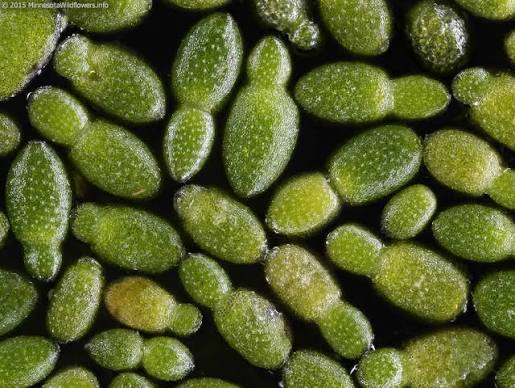
The smallest flowering plant on Earth, appearing as tiny, rootless, bright-green grains floating across calm freshwater bodies. Measuring under a millimeter across—roughly the size of a single seed or grain of cornmeal—each plant consists of a simple rounded frond that feels gritty or sandy when scooped up. Because it reproduces rapidly via budding in stagnant, nutrient-rich waters, watermeal can quickly cover an entire pond in a dense, carpet-like mat. Although heavy infestations can block sunlight from underwater vegetation, the plant is completely non-toxic and serves as a high-protein food source for waterfowl and aquatic wildlife.
White Tailed Deer
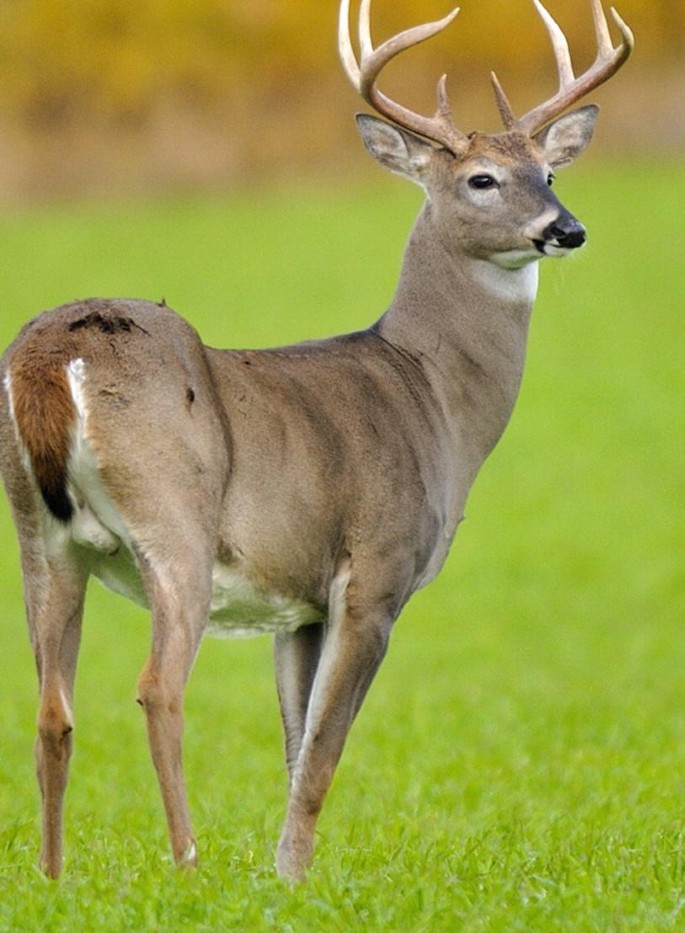
A remarkably common and resilient fixture of the local landscape, effortlessly bridging the gap between urban development and nature. They thrive particularly well within the expansive, forested corridors of The Parklands of Floyds Fork—such as Beckley Creek Park—as well as the rugged terrain of Jefferson Memorial Forest. Because these areas provide an ideal mix of dense woodland cover for bedding and open edge habitats for foraging, populations are dense. While residents frequently enjoy spotting their vibrant reddish-summer coats along hiking trails and creek beds, the high density of deer in Jefferson County also keeps them at the center of local wildlife management conversations regarding suburban garden damage and vehicle collisions on winding parkways.
Wild Blue Phlox
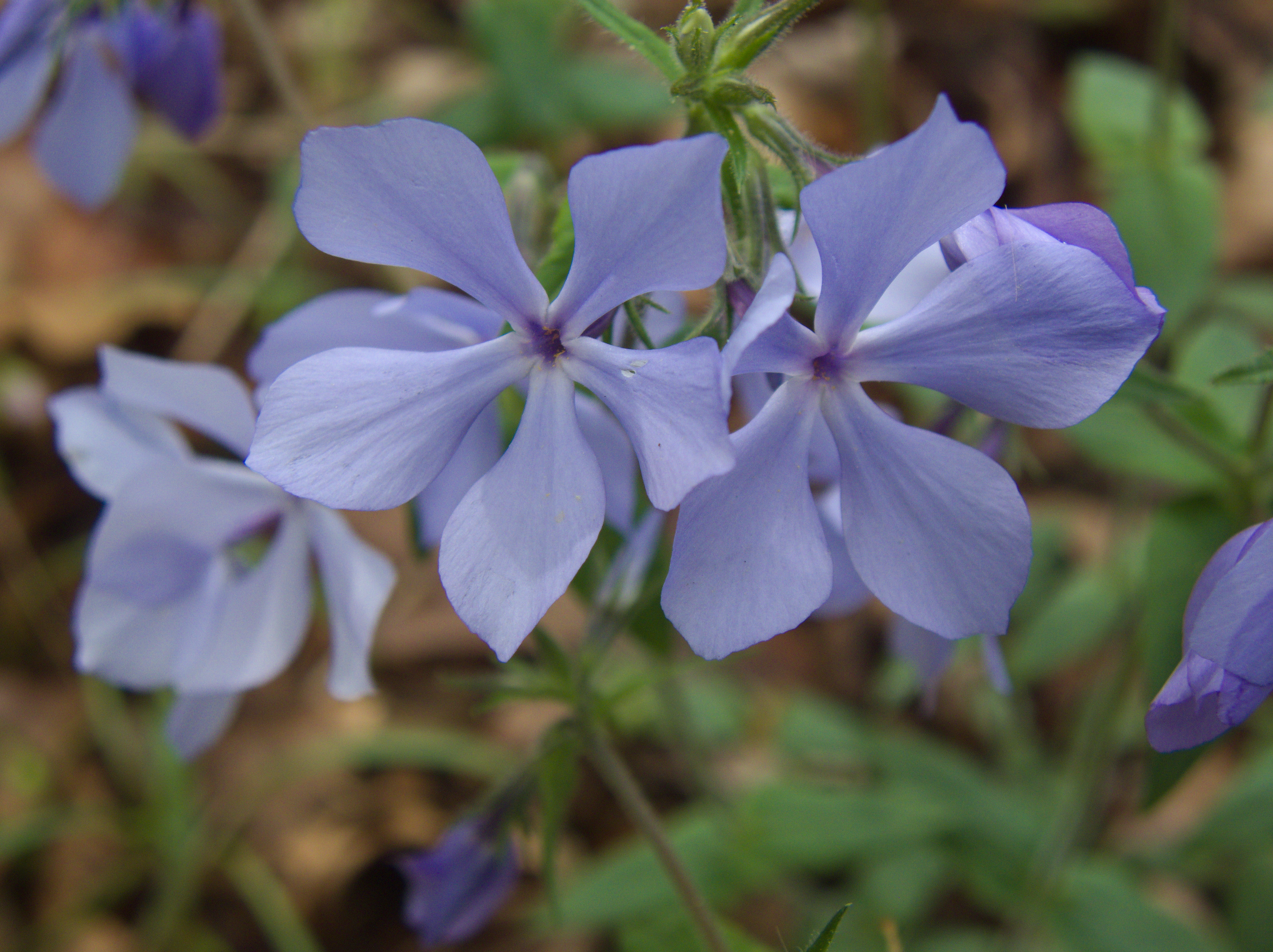
In the heart of Louisville’s spring, Wild Blue Phlox —also known as woodland phlox—paints the forest floor with delicate clusters of lavender and periwinkle. This native perennial is a hallmark of the city’s ecological restoration efforts, most notably in Cherokee Park’s Wildflower Woods, where it has seen a resurgence thanks to the removal of invasive honeysuckle. You can also find it blanketing the Moss Gibbs Woodland Garden in Broad Run Park or thriving along the shaded stream banks of the Parklands of Floyds Fork.
Standing about a foot tall, its fragrant, five-petaled star flowers are more than just a visual treat; they serve as a critical early-season nectar source for Tiger Swallowtails and hummingbirds. Whether you’re hiking the Olmsted trails or planting a pollinator garden at home, this hardy "Wild Sweet William" is a beloved local symbol of Kentucky’s natural heritage.
Wild Honey Locust
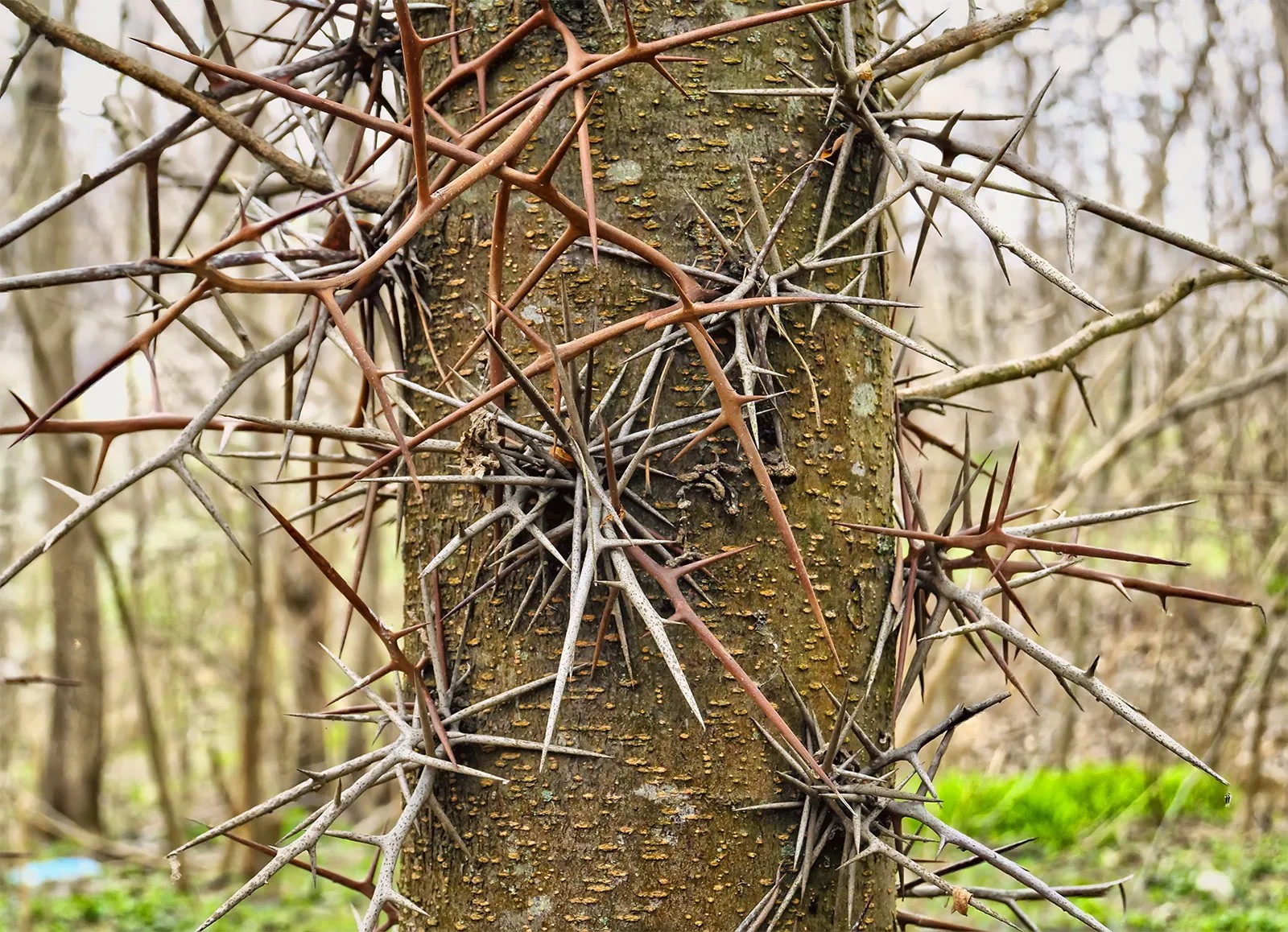
In the parks and riverbanks of Louisville, the wild honey locust (Gleditsia triacanthos) stands as a prickly "ghost of the Pleistocene." While its lacey foliage looks delicate, its trunk is often armed with clusters of terrifying, multi-branched thorns that can grow several inches long. These weren't designed to deter modern pests like deer or squirrels; they are evolutionary leftovers from a time when Mammoths and Mastodons roamed the Ohio Valley.
Just a short drive from Louisville at Big Bone Lick, paleontologists have found extensive evidence of these giants. The honey locust evolved its armor and large, sugary seed pods specifically to interact with megafauna: the thorns protected the bark from being stripped by massive tusks, while the mammoths ate the pods and dispersed the seeds across the landscape. Today, though the mammoths are long gone, the honey locust remains a living link to Louisville’s prehistoric past.
Wingstem
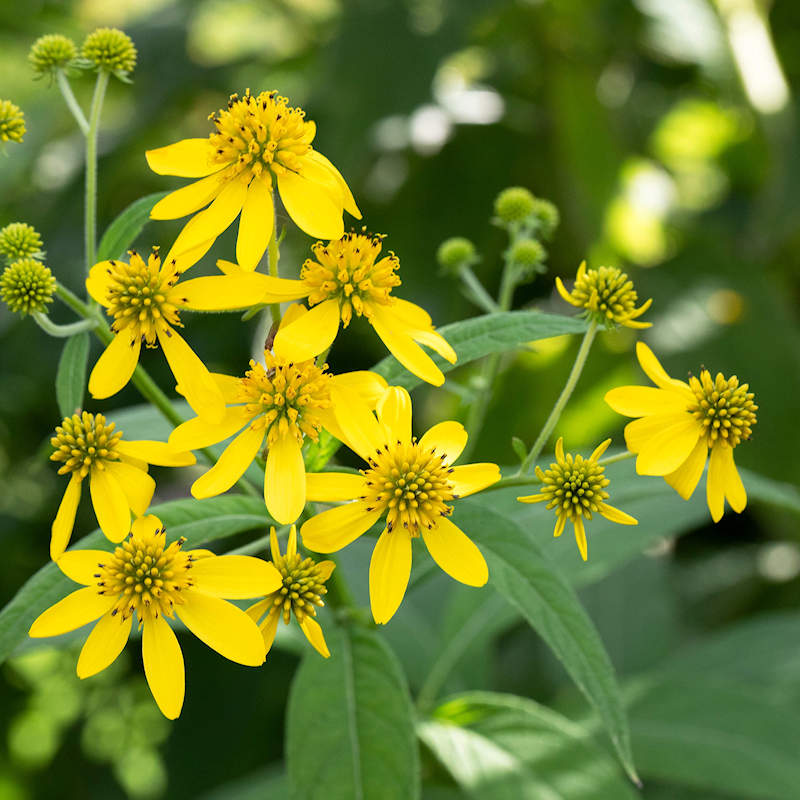
In Louisville, particularly along the Scott Gap Trail and throughout Jefferson Memorial Forest, Wingstem is a local powerhouse of the late-summer landscape. While it begins as the serrated, leafy stalk you spotted in April, it eventually towers over other forest floor plants, sometimes reaching heights of eight feet. By August, it earns its name from the distinctive, leafy "wings" that run vertically down its stem, topped with shaggy, bright yellow flowers that look like daisies having a "bad hair day." It’s a vital late-season pit stop for Louisville's native pollinators and migrating Monarch butterflies, and thanks to its slightly rough texture, it’s one of the few plants our local deer population usually leaves off the menu.
Yellow Flag Iris
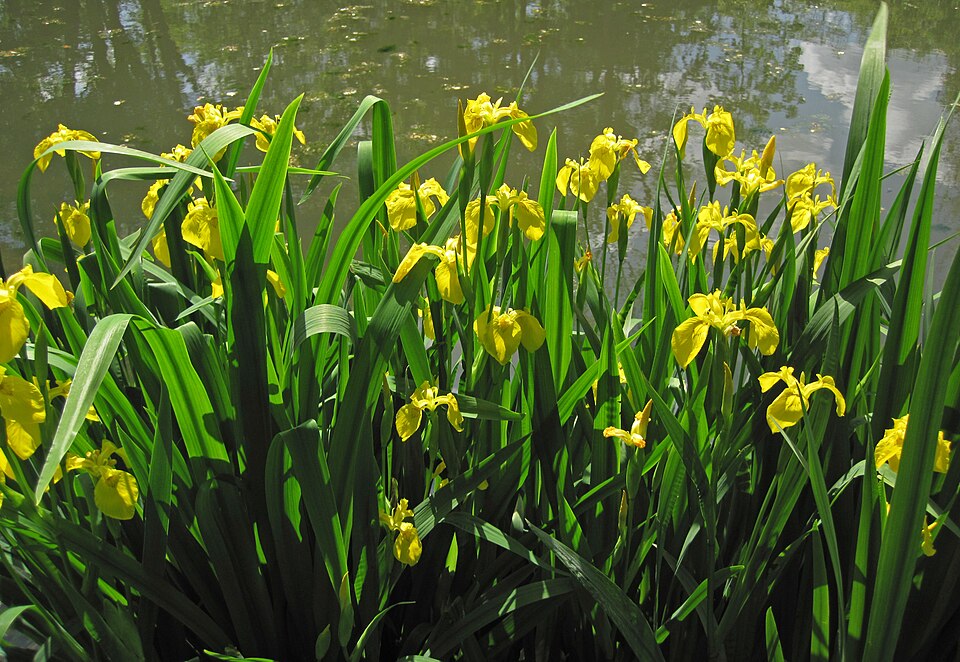
Dominates many disturbed areas, it is important to distinguish it from the Blue Flag Iris, a native Kentucky treasure. Unlike its aggressive yellow cousin, the Blue Flag Iris grows in polite clumps that provide essential habitat without overwhelming the ecosystem. The easiest way to tell them apart before they bloom is by the leaves: the native Blue Flag has flatter, more flexible leaves that lack the rigid, sword-like central ridge found on the Yellow Flag.
When they bloom in late spring, the difference is unmistakable. The native variety produces delicate, violet-blue flowers with intricate yellow "signals" on the petals to guide pollinators. Ecologically, the Blue Flag Iris is a vital part of the Kentucky wetland community, coexisting harmoniously with other native plants and providing stable egg-laying sites for amphibians. Choosing to protect and plant the native blue variety over the invasive yellow one helps maintain the natural balance and prevents our unique vernal pools from being transformed into impenetrable thickets.
Yellow Trout Lily
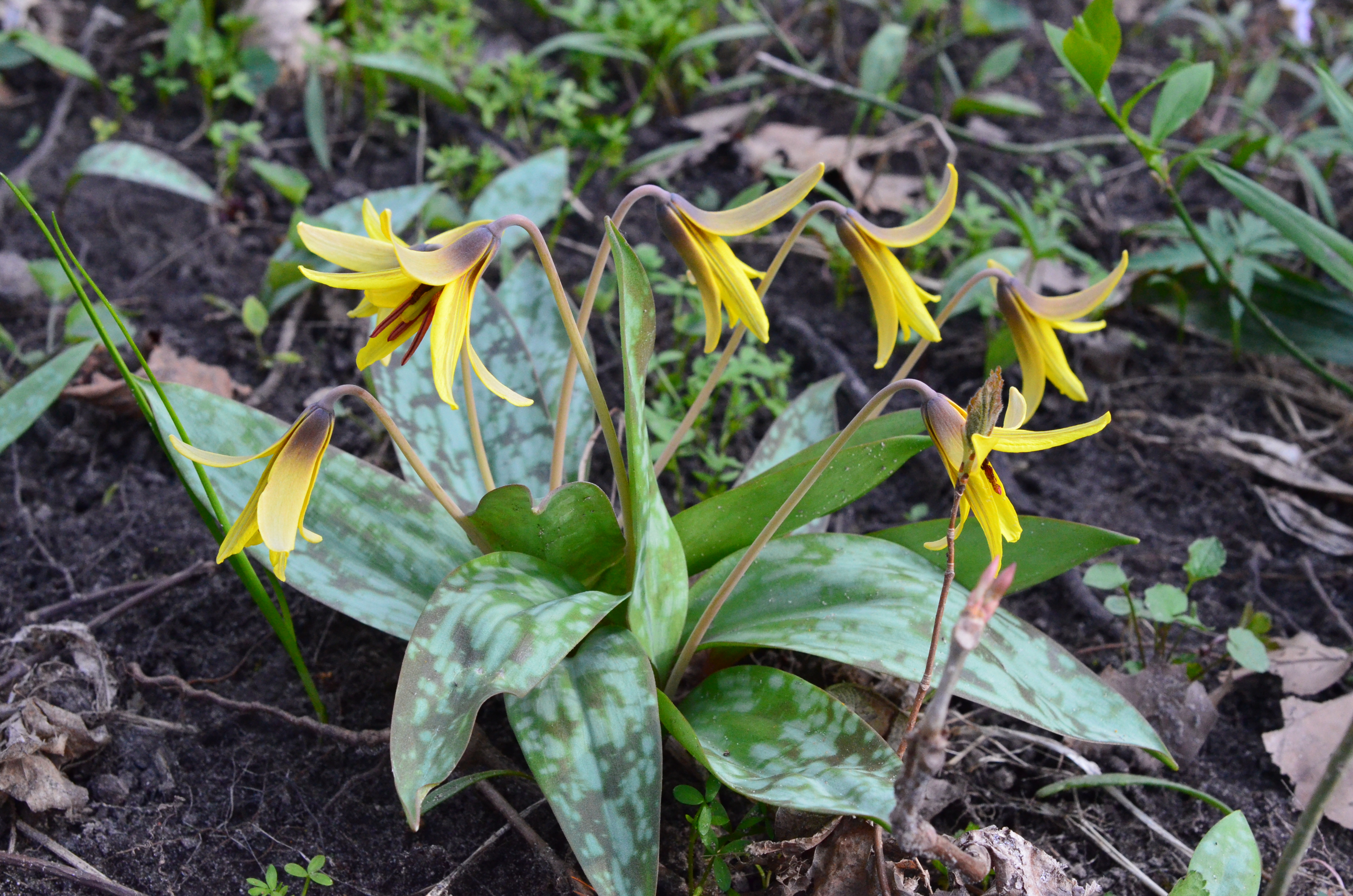
One of nature’s most charming "blink-and-you’ll-miss-it" spring ephemerals. Native to eastern North America, it is easily identified by its nodding, sunshine-yellow petals and distinctive mottled leaves, which resemble the dappled skin of a brook trout—hence the name. These plants are masters of timing, blooming in early spring to soak up sunlight before the forest canopy fills in. Interestingly, they often form massive underground colonies through runners, but only the "mature" plants with two leaves actually produce a flower. If you spot a carpet of single-leaved plants, you’re looking at a nursery that might take up to seven years to finally bloom.