Boone Bottoms Trail
"Where you been is good and gone / All you keep is the getting there." — Guy Clark / Townes Van Zandt
October 11 - 65° Cloudy
20261011_164029.jpg)
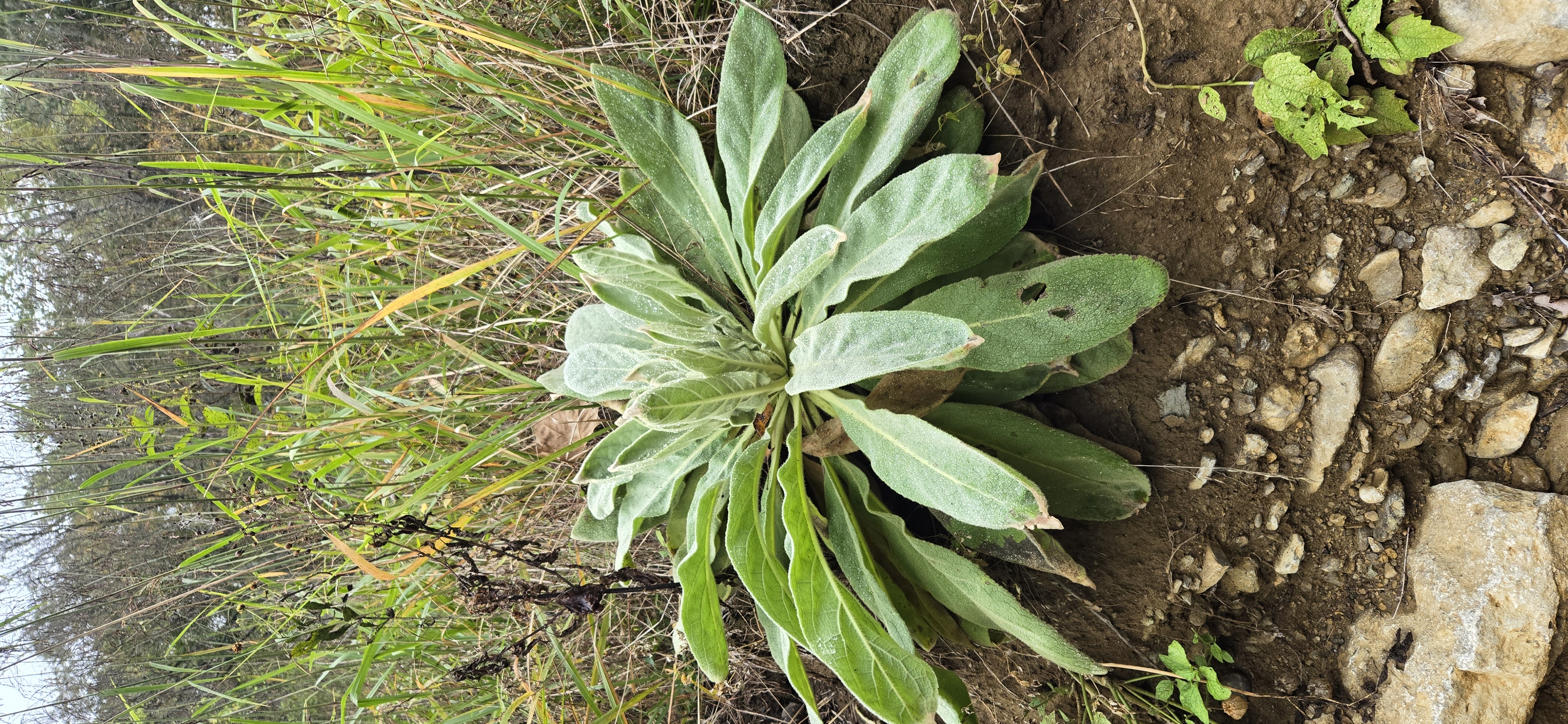
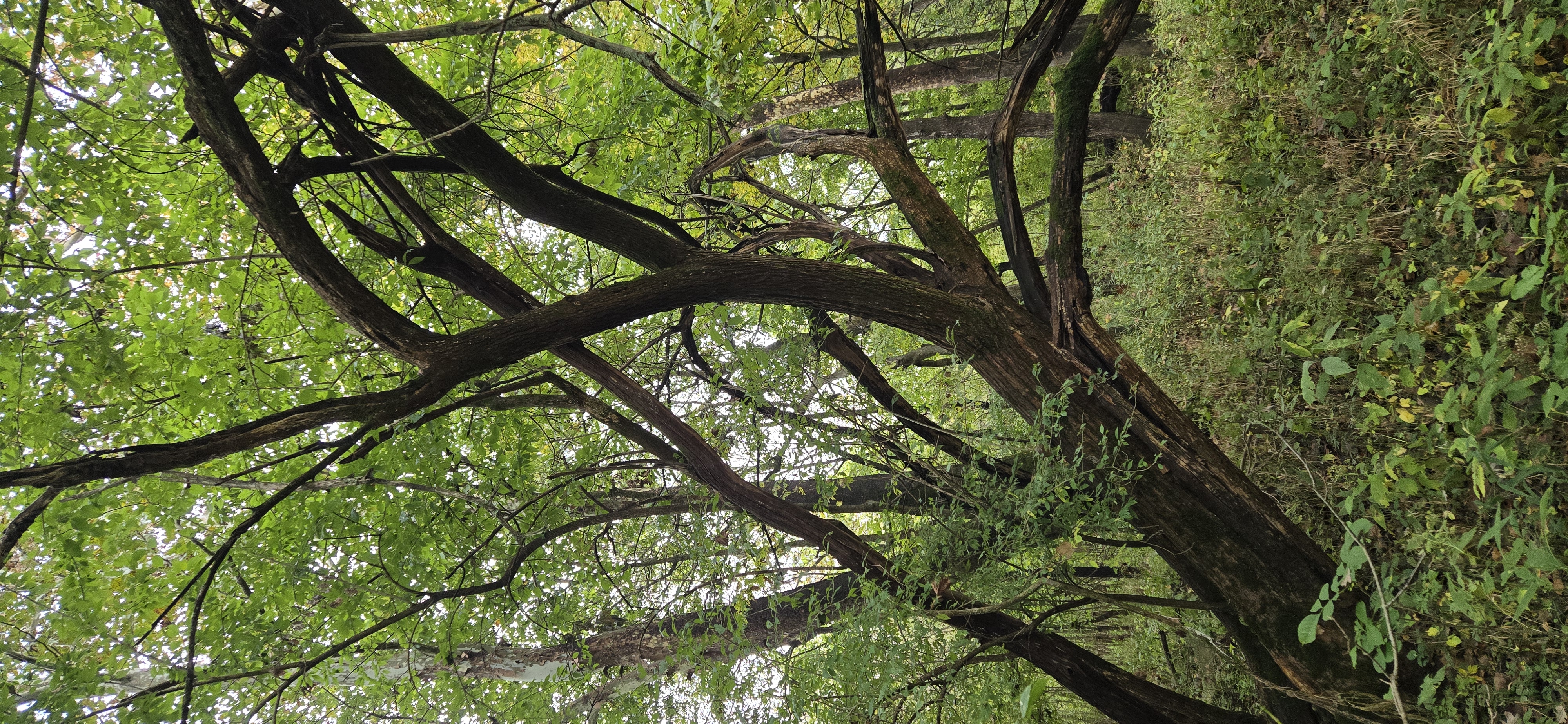
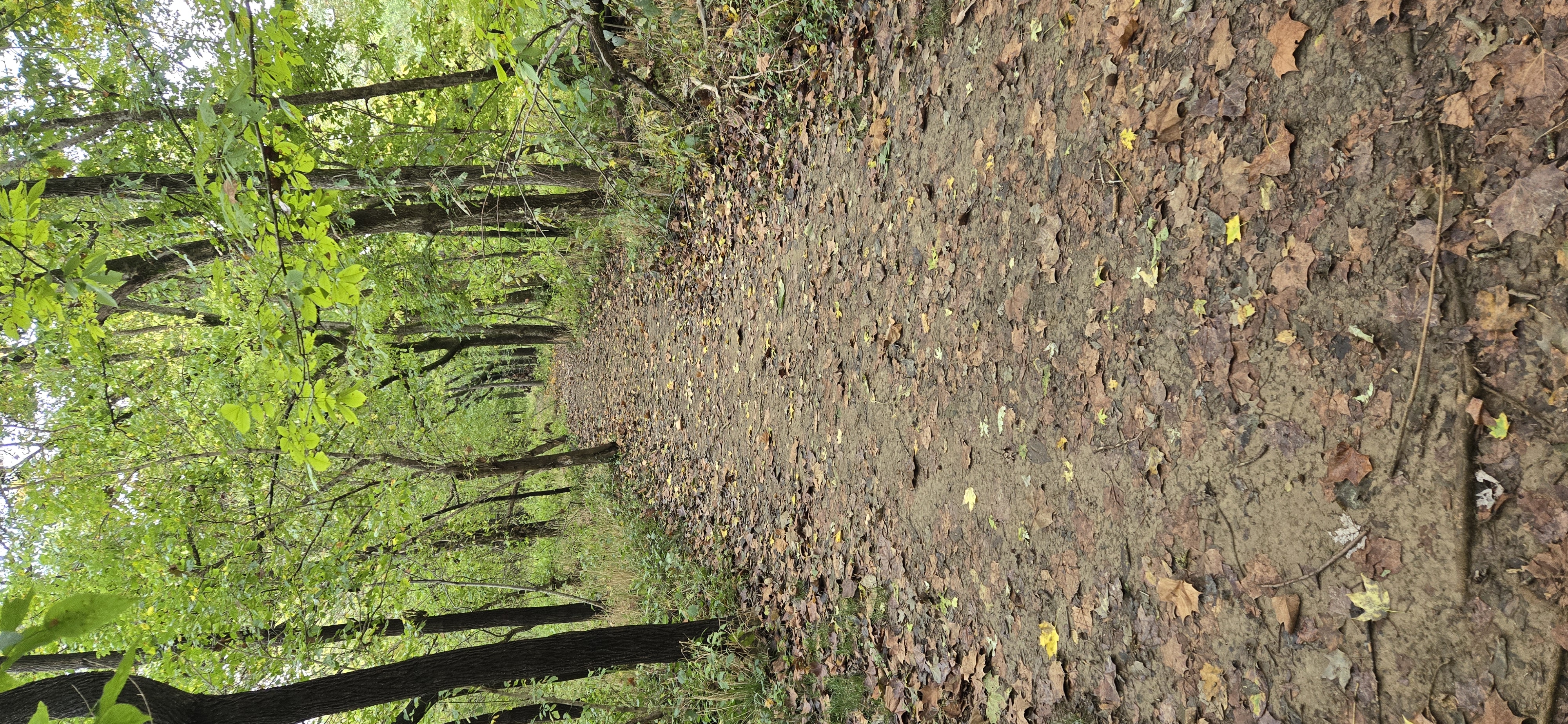
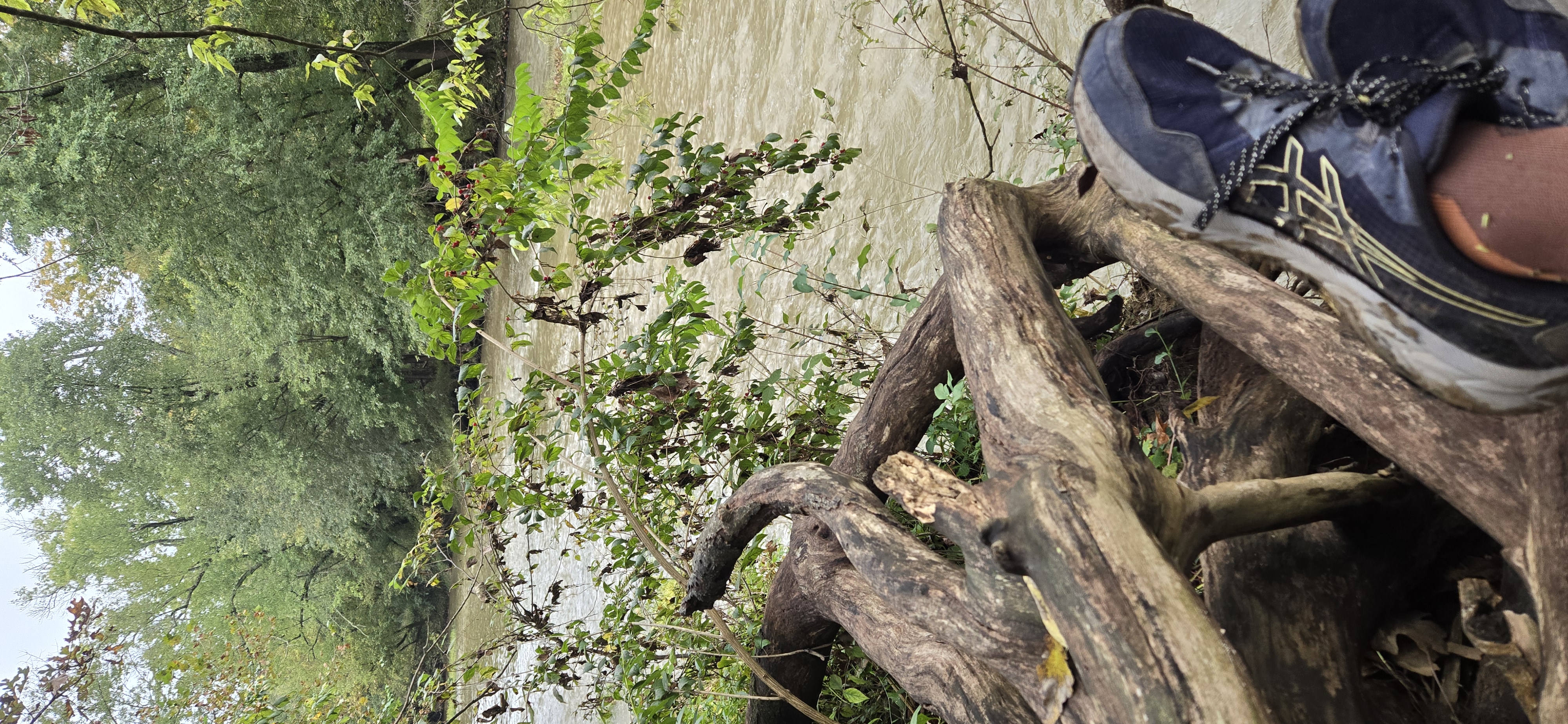
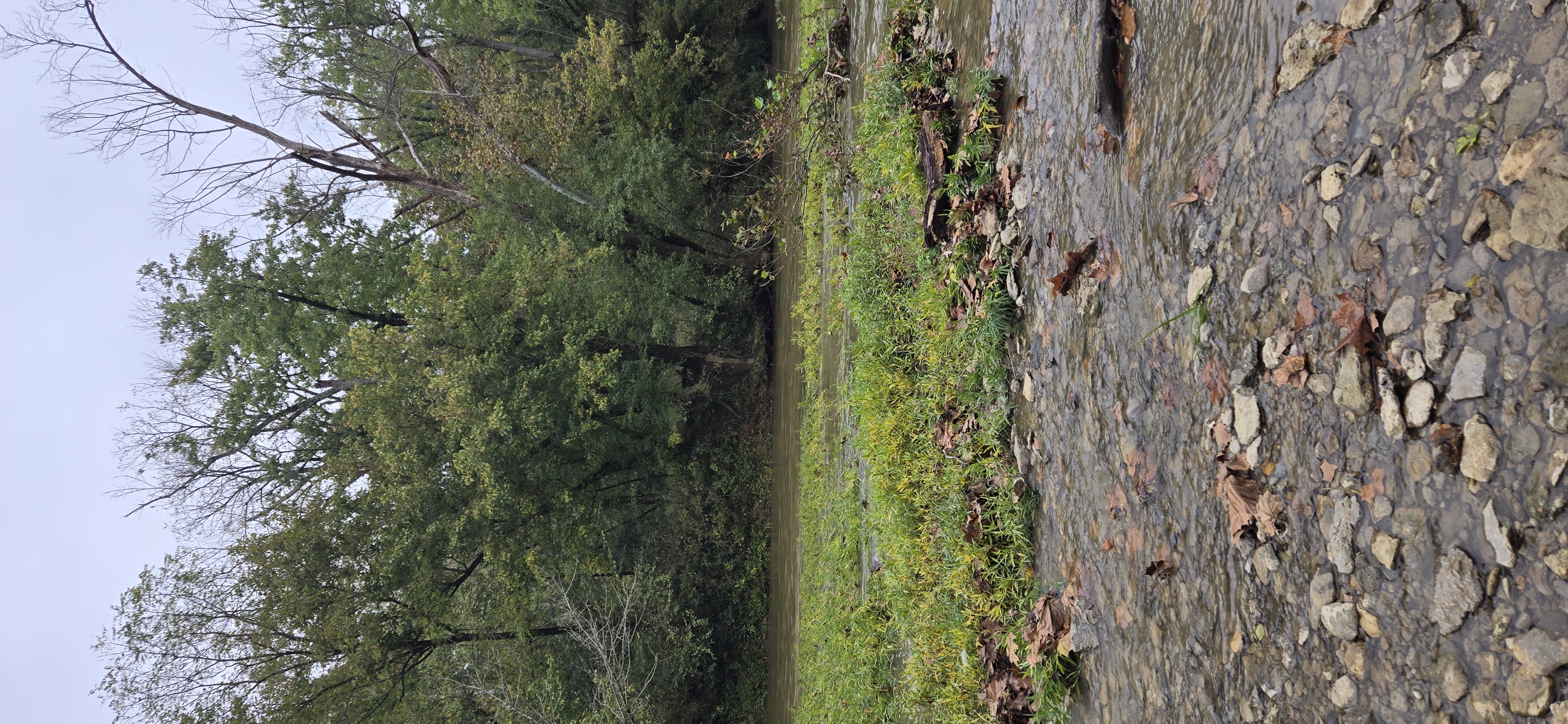
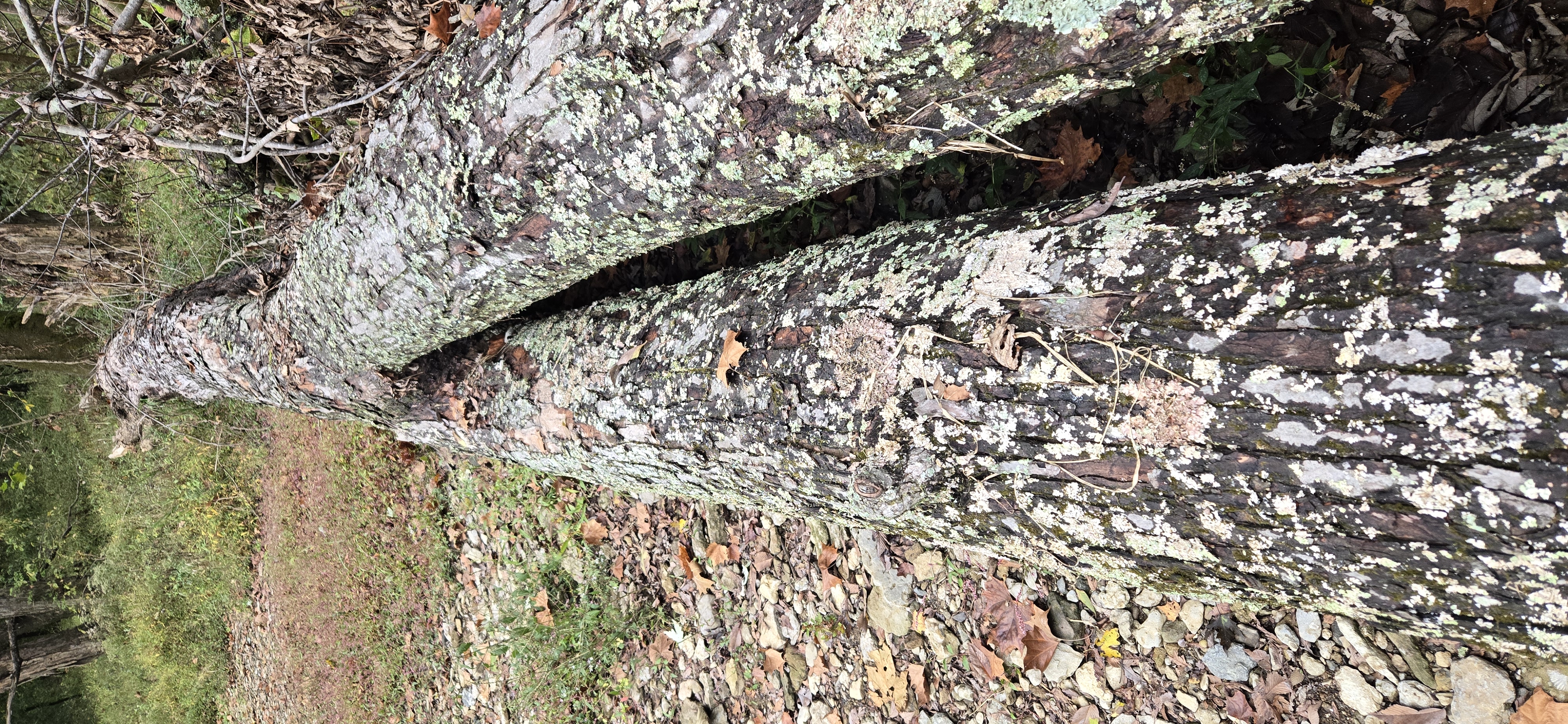
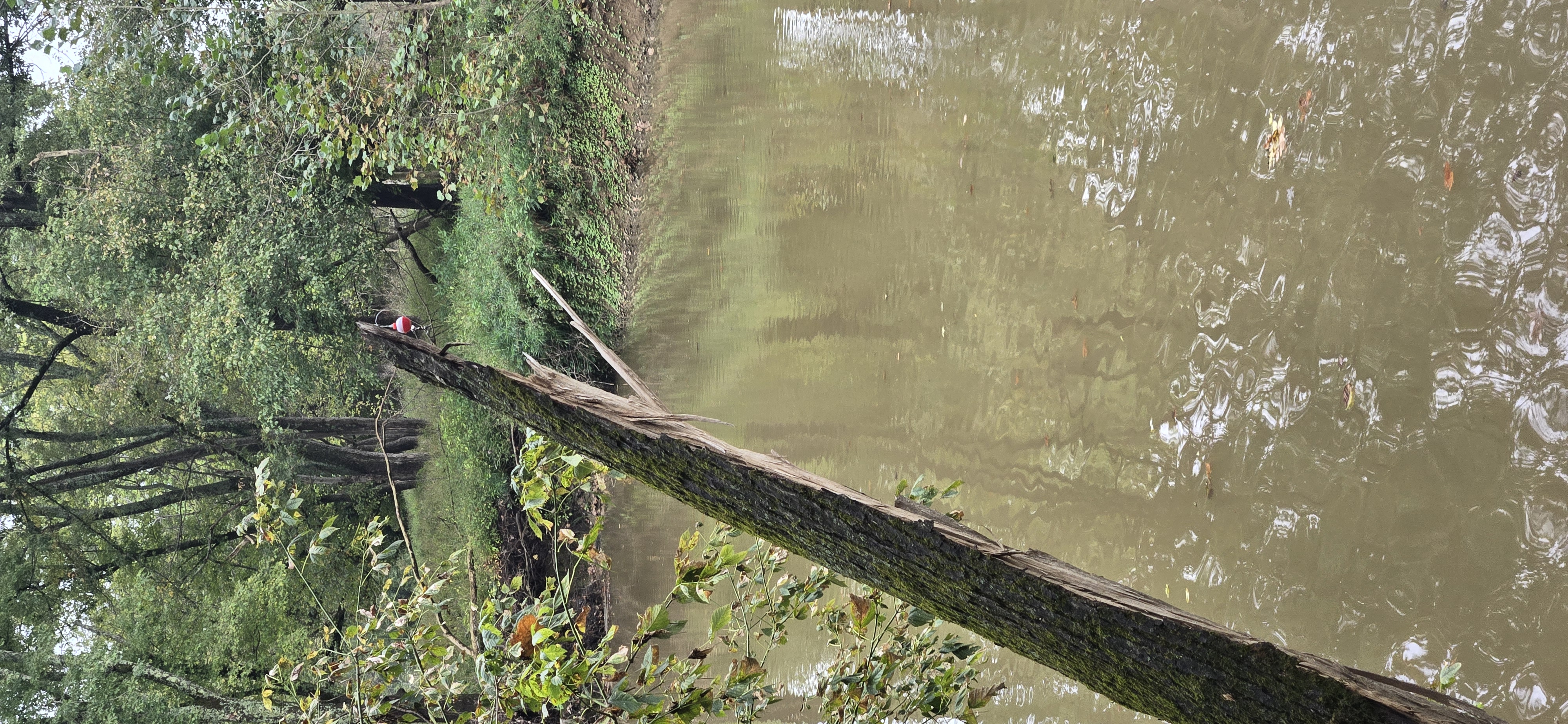
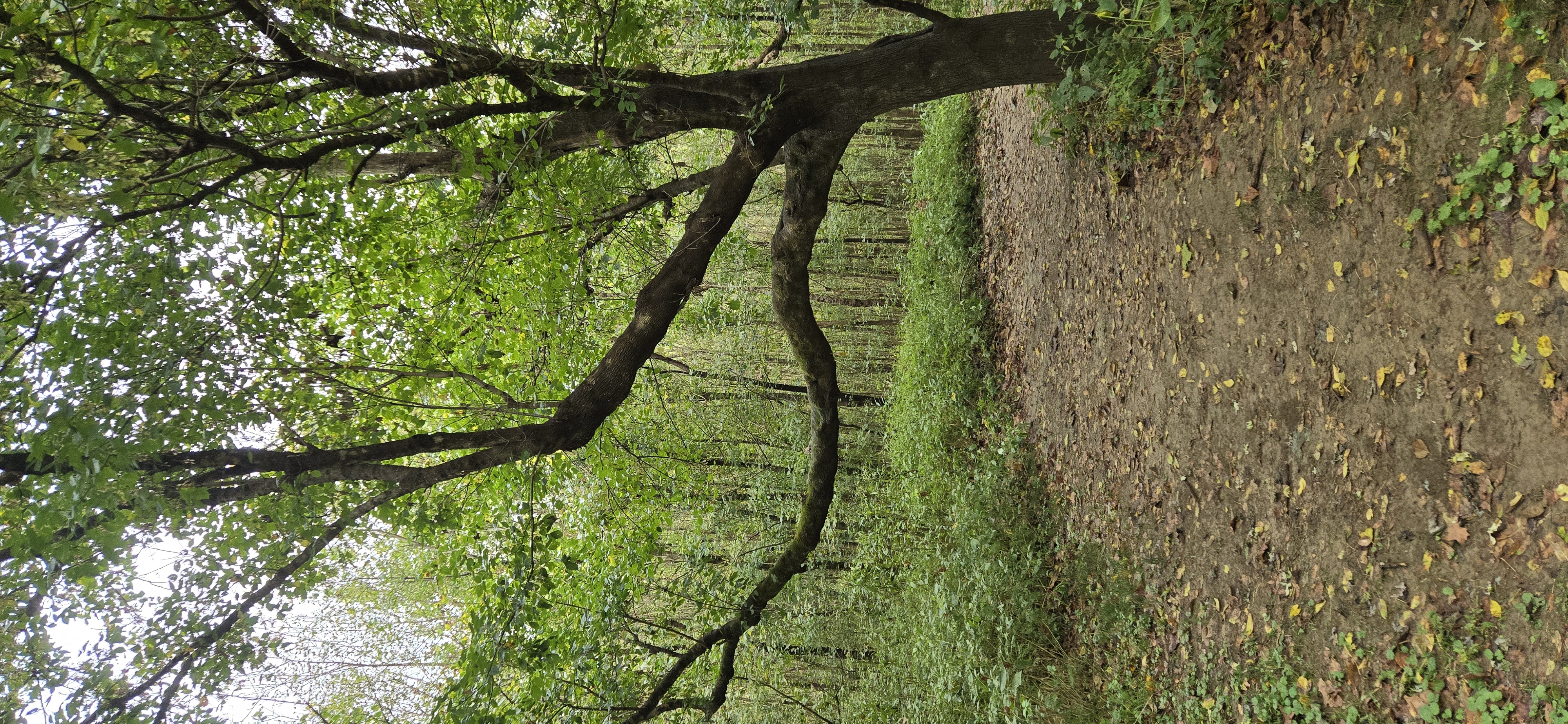
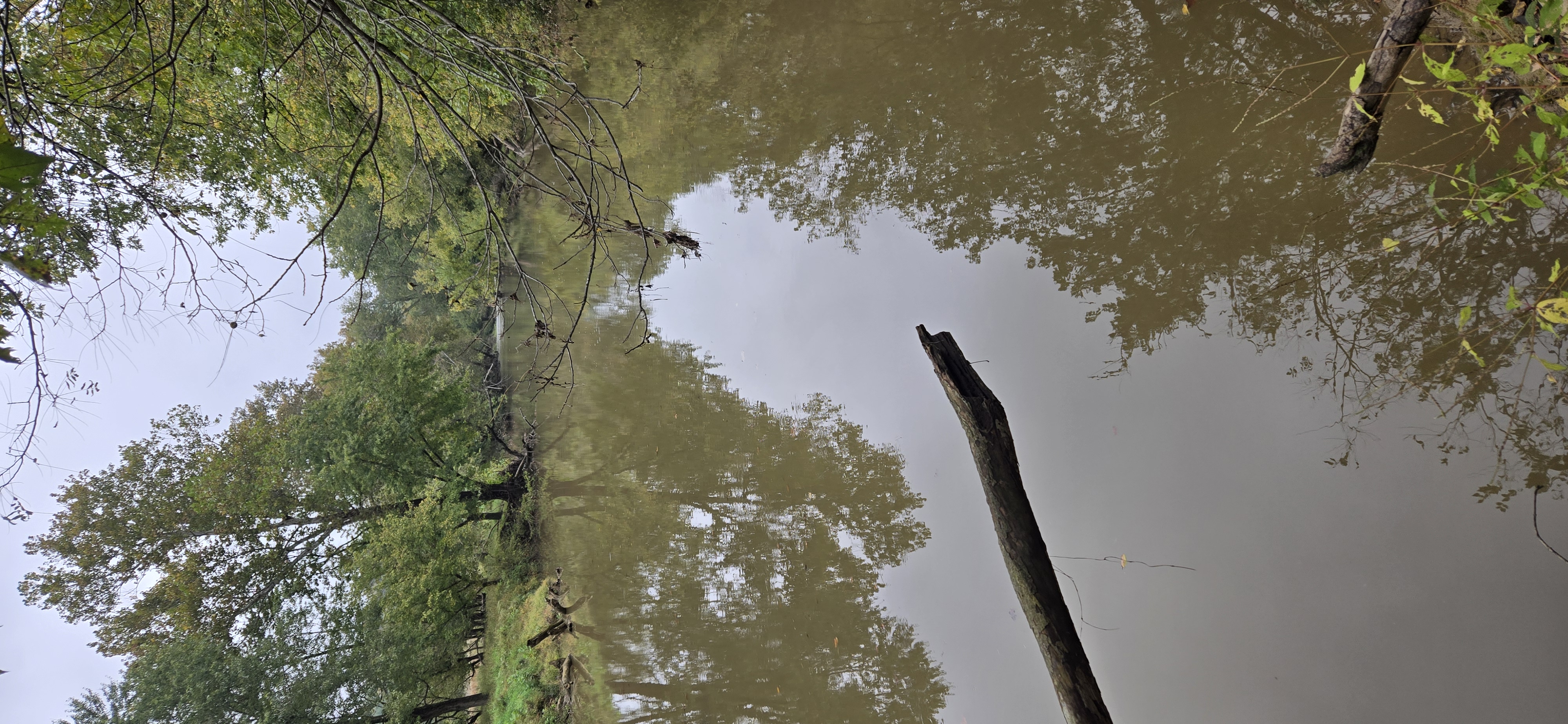
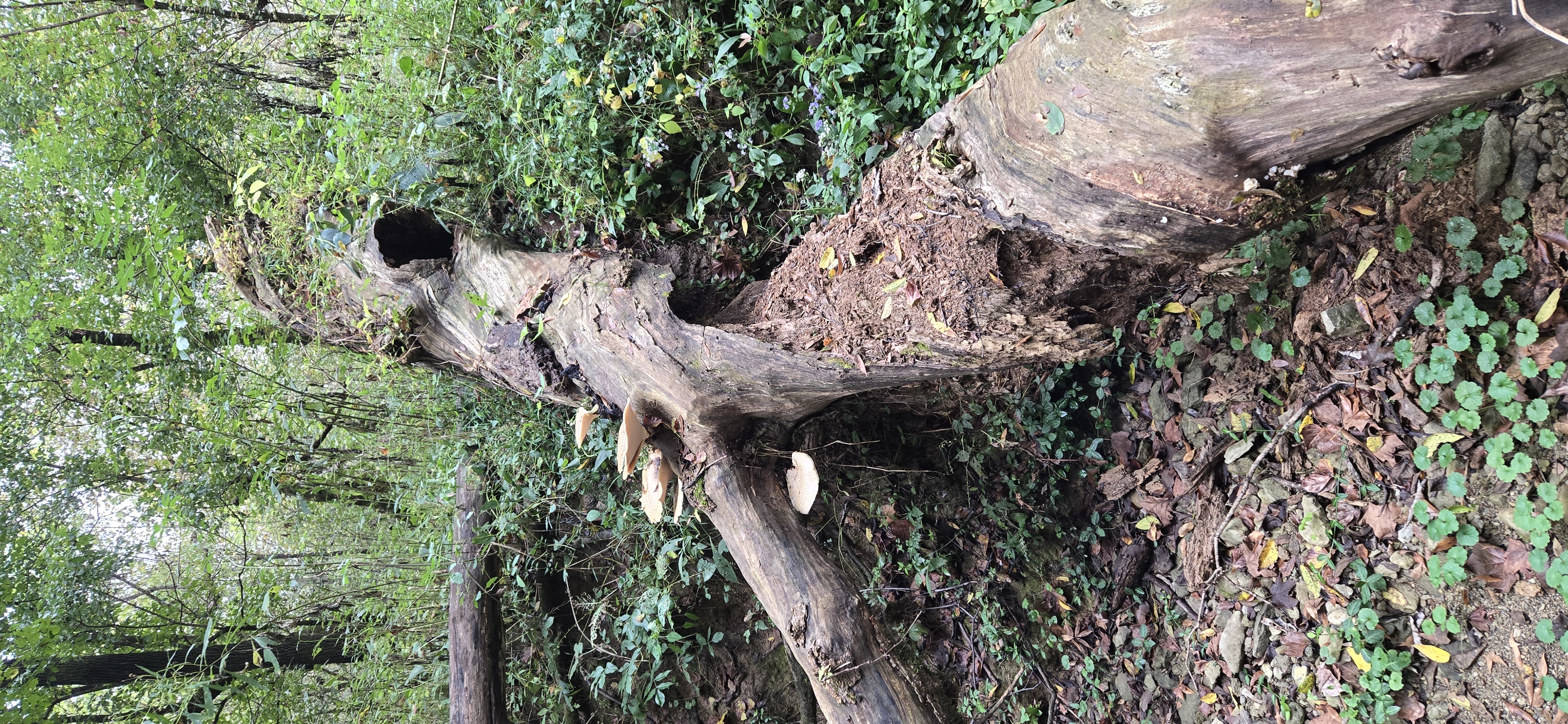
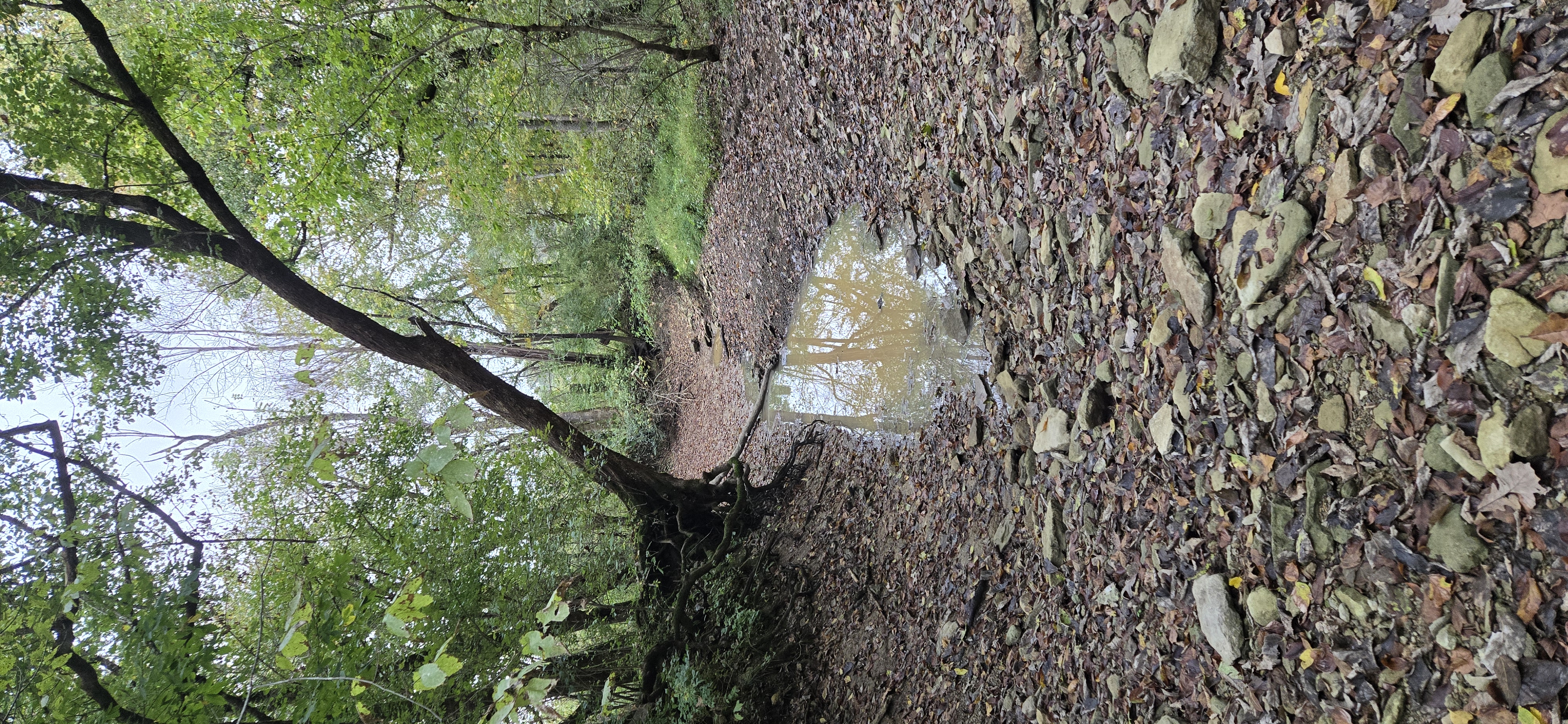
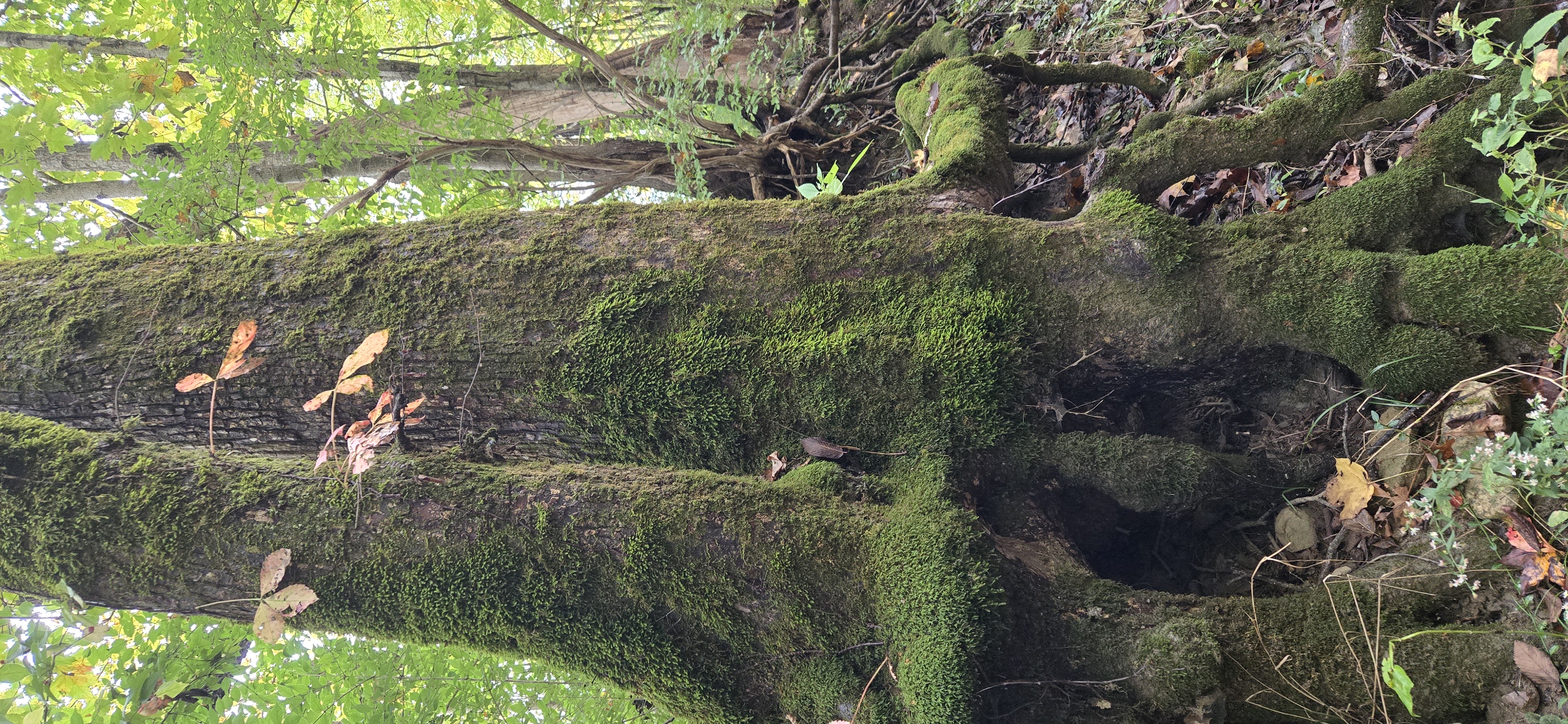
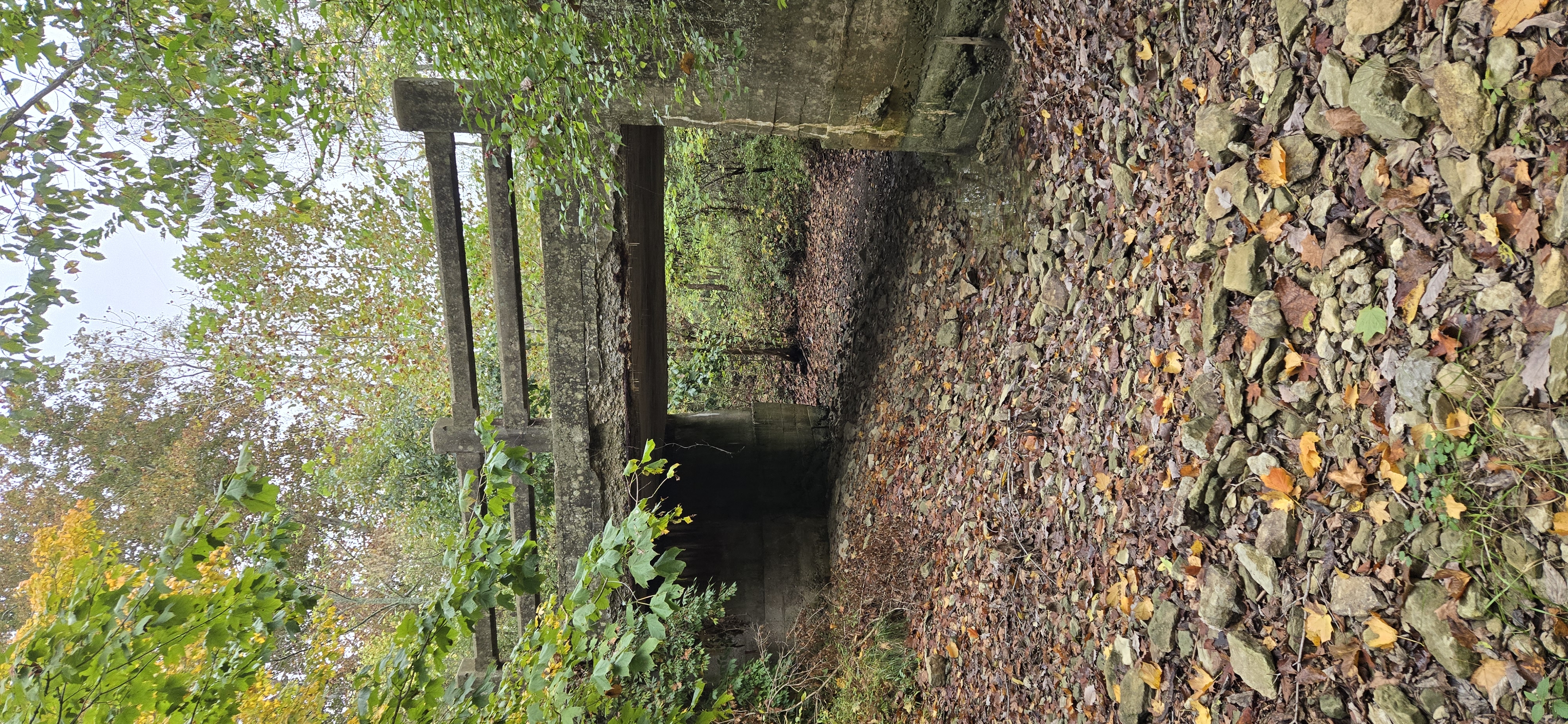
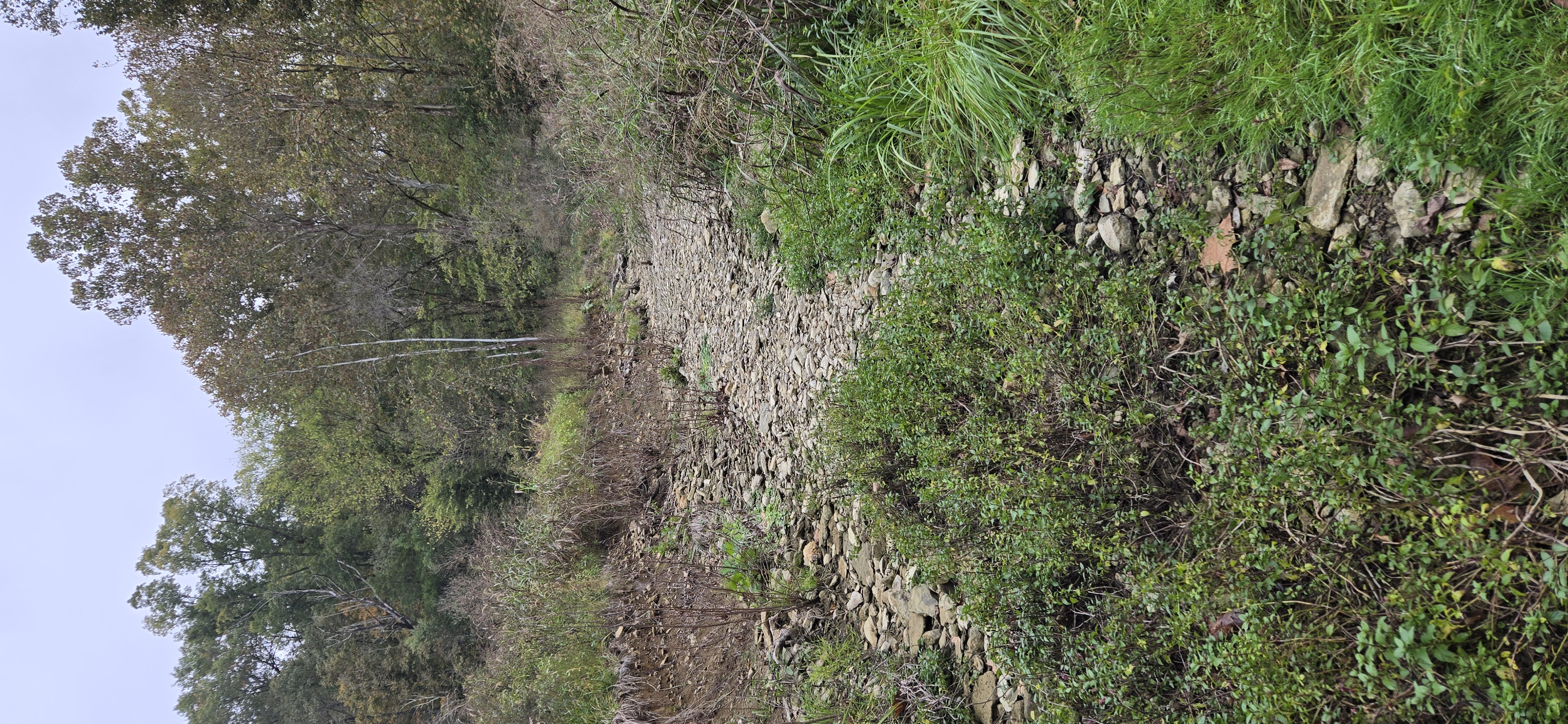
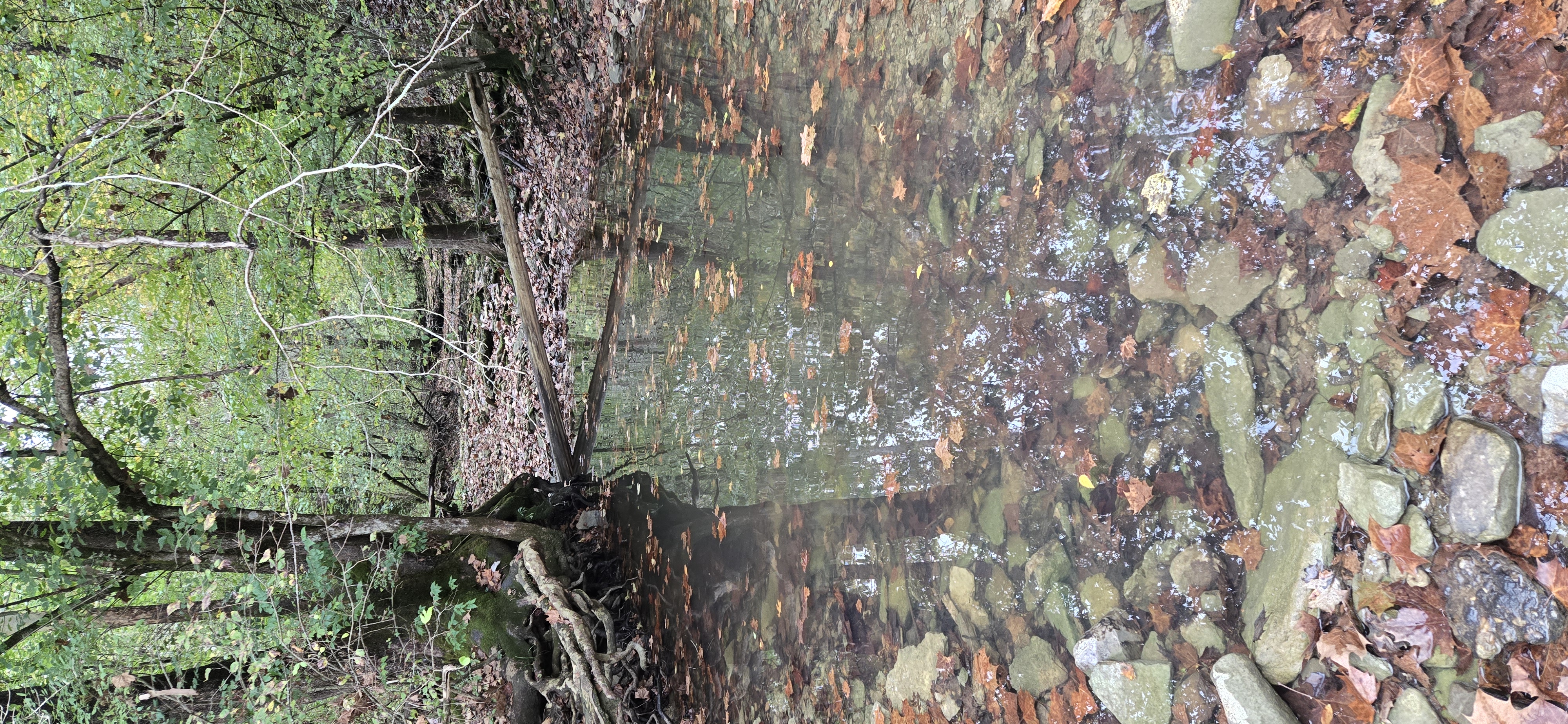
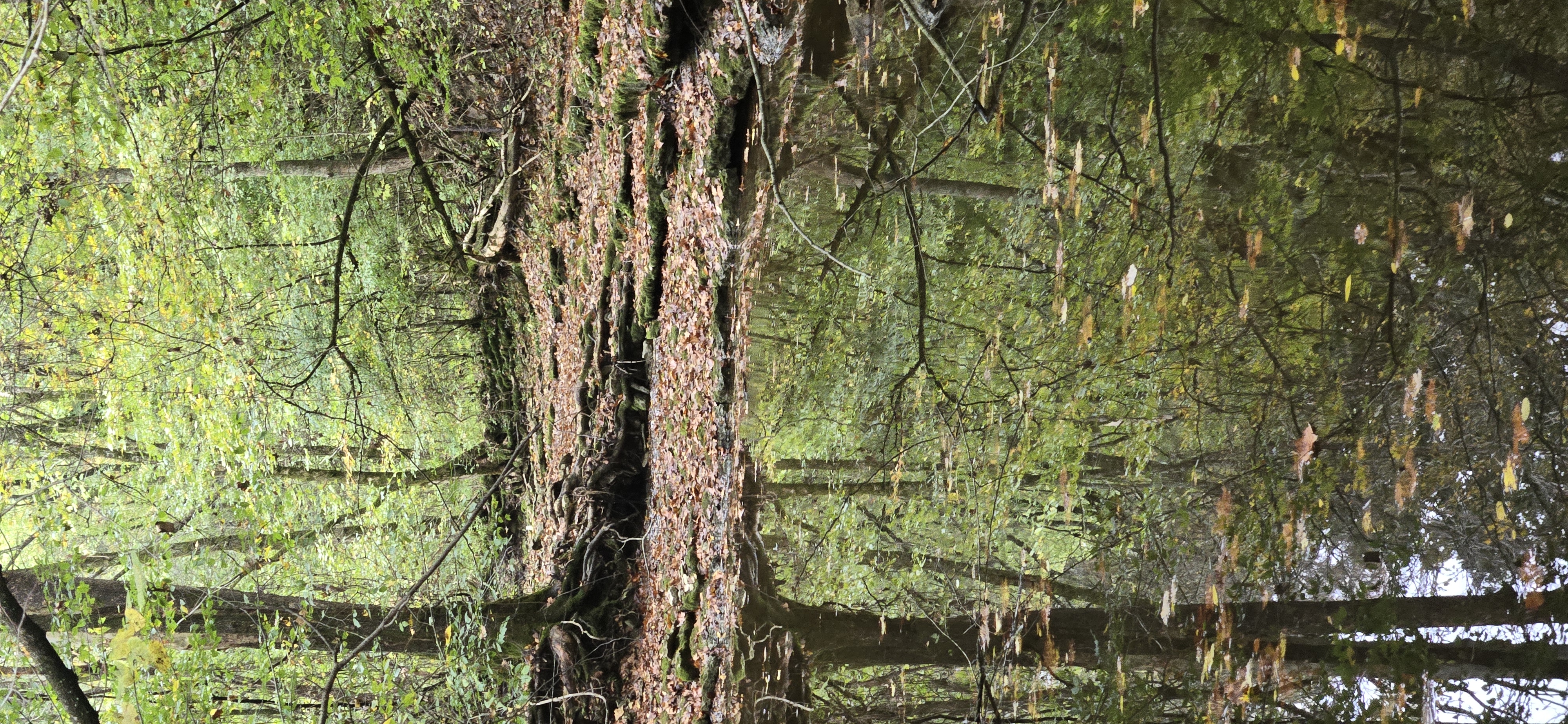
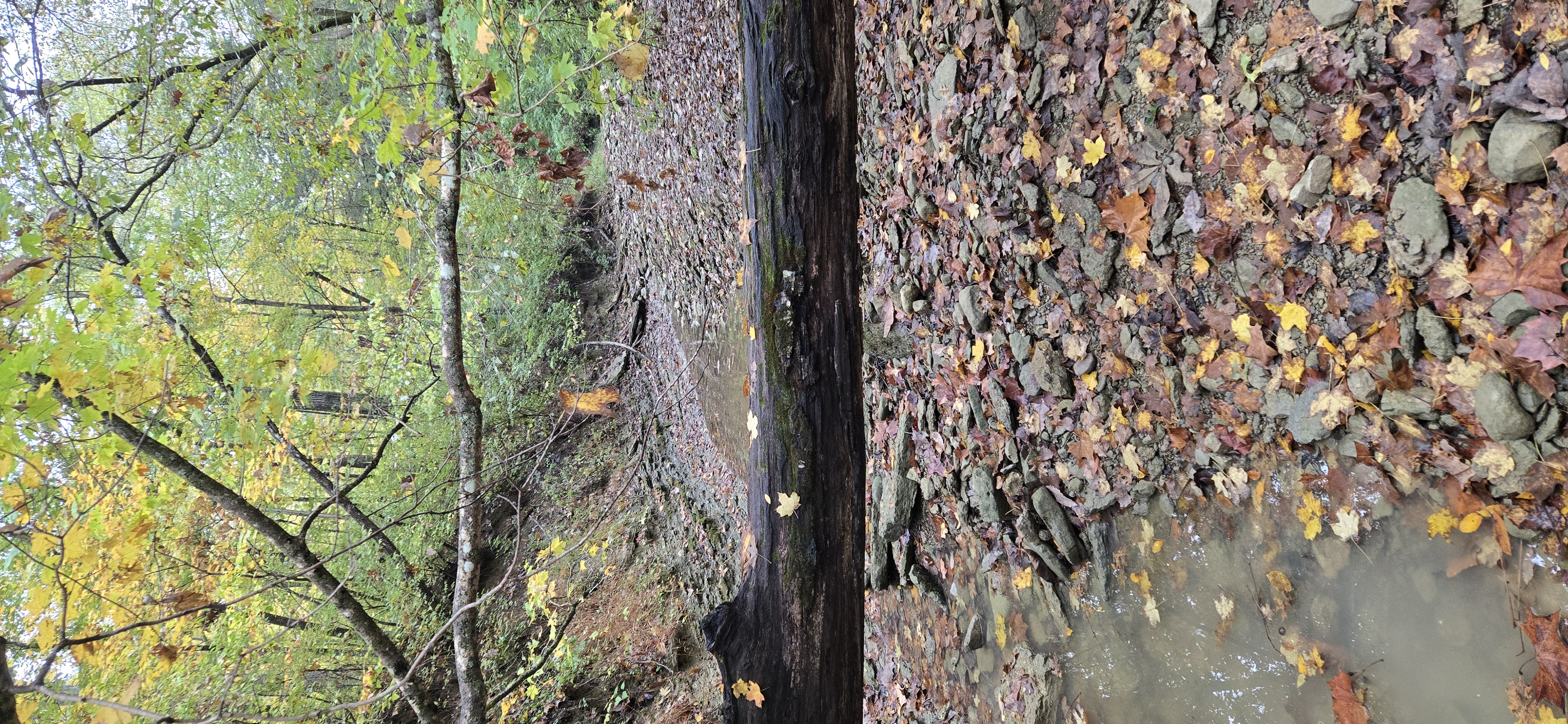
Cloudy today, but the rain had stopped by the time I got out on the Bottoms Trail. Got in one good lap and then went around again to explore the creek. It was running high and muddy. The side creek was dry and I followed it up to about midway on the Hyacinth Trail. There was some neat Mullein in the valley where the power lines cross. Also some Dryad's Saddle mushrooms along the creek bed.
Past and Present
Walking past those mushrooms on the decaying hardwood, I couldn't help but think of Daniel Boone traipsing through these same Kentucky bottomlands back in the late 1770s. Back then, Floyds Fork was a wild, uncharted stream, and navigating it after a hard downpour meant sloshing through the same heavy mud that clung to my shoes today—courtesy of the rain and gusty winds brought on by the remnants of Hurricane Isaias sweeping through the region this week. With the news feeds constantly echoing with geopolitical turbulence, overseas ceasefire talks, and the usual political noise, stepping out into the woods makes all that human friction feel wonderfully distant, if only for an hour or two.
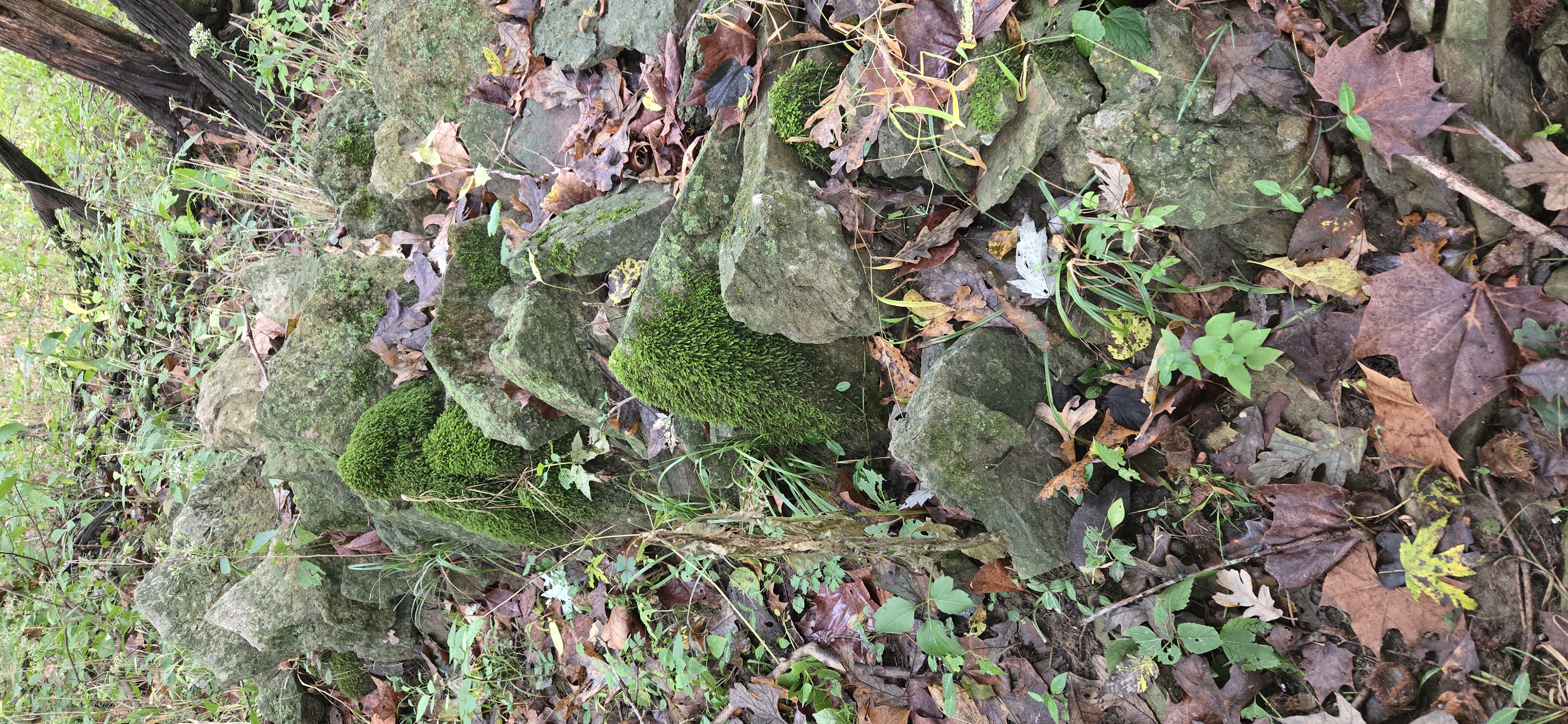
Down along the creek bed, nature operates on its own ancient, untroubled schedule. I was reading just this week about scientists using ultrafast X-rays to finally capture how nature transfers energy at the subatomic level with near-perfect efficiency—a process that has been quietly fueling every leaf, fungus, and mossy bank on this trail for centuries without needing our technology to figure it out. Standing under the canopy as the cool autumn wind rustled the high branches, it was a gentle reminder that despite the world's chaos, the quiet machinery of the natural world keeps humming right along. It’s comforting to know that no matter what the week's headlines bring, the trail remains steady, grounding, and ready for the next walk.
20261011_161303.jpg)
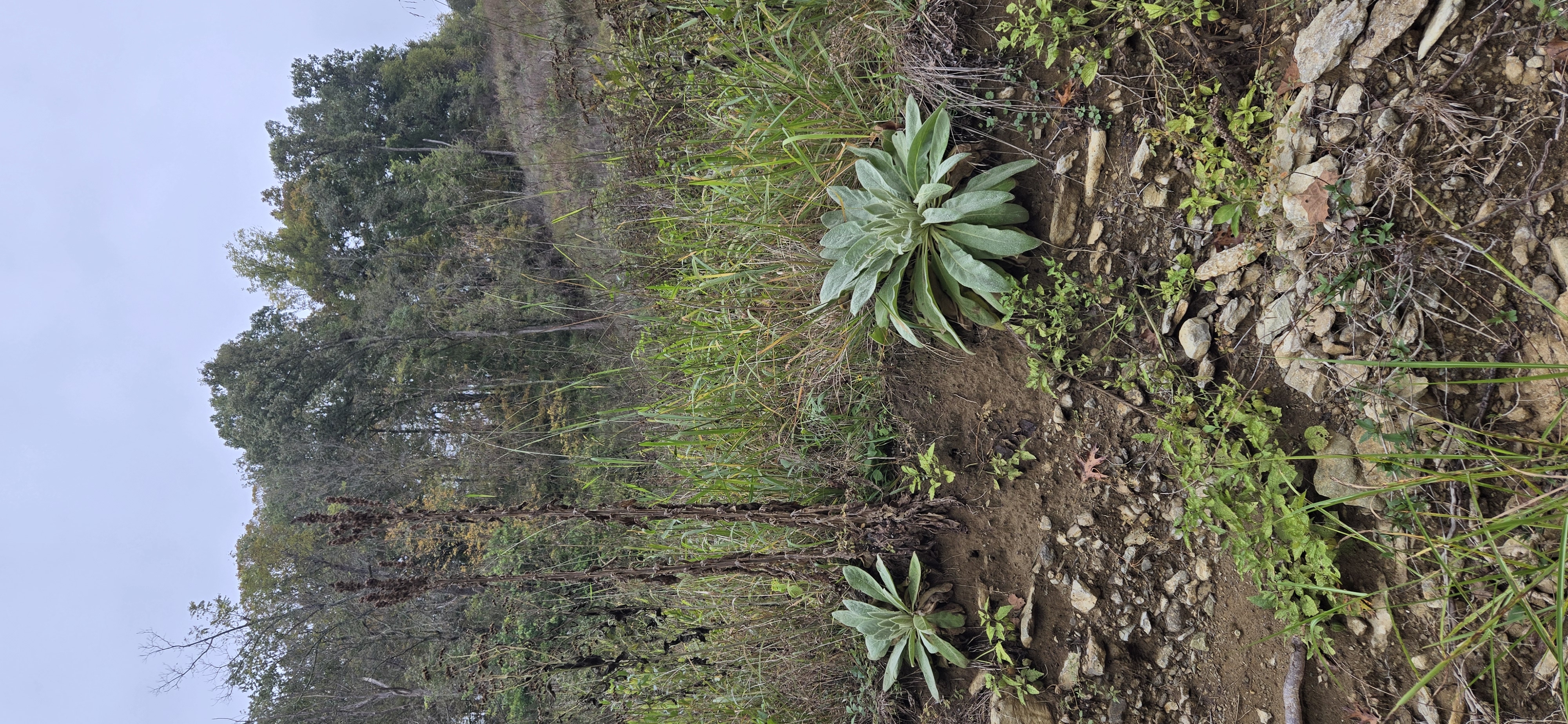
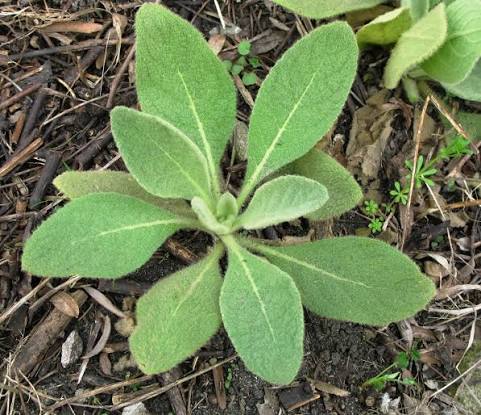
Common Mullein (Verbascum thapsus) - A hardy biennial plant easily recognized by its thick, velvety, grayish-green leaves that form a ground-hugging rosette during its first year of growth. Native to Eurasia and widely naturalized across North America, it thrives in full sun and dry, disturbed soils along trail edges, gravel banks, and roadsides. In its second year, the plant shoots up a dramatic central spike reaching up to six feet tall, which blooms with small, bright yellow flowers. Long appreciated in traditional folk medicine for soothing respiratory conditions and affectionately nicknamed "cowboy toilet paper" for its soft leaf texture, mullein is one of the most distinct and adaptable wildflowers found along North American paths.
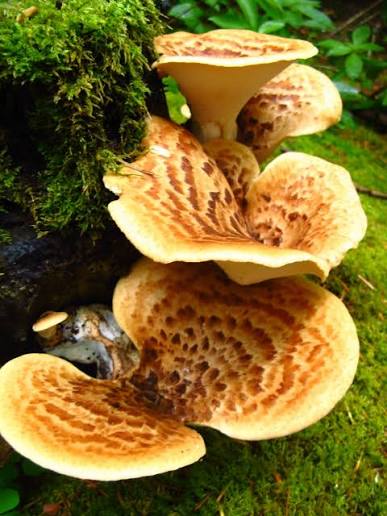
Dryad's Saddle (Cerioporus squamosus) - Commonly known as the Pheasant Back mushroom, is a distinctive bracket fungus easily recognized by its broad, fan-shaped caps covered in dark, feather-like scales. Named both for its resemblance to a pheasant's plumage and mythologically as a perch fit for dryads (wood nymphs), this fungus grows on dying or dead hardwood logs, playing a vital role in forest decomposition. Rather than having gills, its pale underside is lined with tiny pores, and fresh specimens carry a unique, watermelon-rind or cucumber-like aroma. Prominent throughout spring and fall, it is one of the most recognizable bracket mushrooms found in eastern North American woodlands.