Coppiced Woods Trail
"I come into the peace of wild things who do not tax their lives with forethought of grief... For a time I rest in the grace of the world, and am free." — Wendell Berry
4/19/2026 - 60° Sunny


The Coral Honeysuckle are alway a welcome greeting on the way to the Coppiced Wood trail. Did a couple of laps (going both directions). Focused on the hills today. Part of the trail loop runs up the entry to the parking lot across from Angler Lake and over Beckley Creek Parkway. It can be tricky to navigate the first couple times. The usual suspects were out, including Golden Ragwort and Wild Blue Phlox. Found one particularly vibrant Dwarf Larkspur. The oak catkins are everywhere, including my back porch. A few caterpillar tents are up. Stopped to explore a neat little creek near the road that runs back out to the trail. Cool Sycamore roots hanging down into the rushing water. Nice Thunder weekend run.
Past and Present
The roar of the F-35s from the Thunder Over Louisville air show was still echoing in my mind as I hit the hills. It’s a striking contrast—massive military technology screaming through the sky while these woods maintain a much older, quieter pace. These specific Coppiced Woods were likely logged back in 1915 for whiskey barrel white oak and hickory tool handles, and the multi-trunked trees we see today are essentially living history of those early settlers. It’s amazing to think that while we’ve spent a century perfecting supersonic flight, the American Sycamore roots are still using the same ancient "tech" to anchor themselves into the limestone.
With the world feeling a bit more settled under the news of a potential Iran truce, it was easier to appreciate the "biological technology" surrounding the path. I’ve been following the UofL Green Heart Project, which is scientifically proving that just being near these trees actually boosts our immune systems. It turns a simple Sunday run into a full-body recharge. Between the vibrant Wild Blue Phlox and the buzzing caterpillar tents, nature is putting on its own colorful display that’s every bit as impressive as the fireworks downtown. It’s a good week to be in Louisville—the air is thick with pollen, but also with a lot of hope.


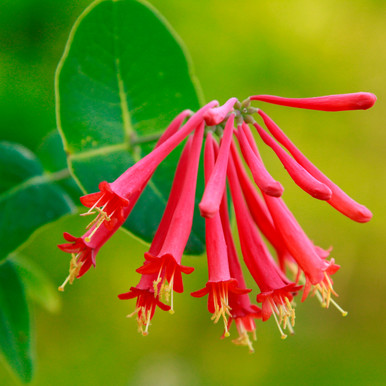
Coral Honeysuckle (Lonicera sempervirens) - is a standout native vine frequently used in the landscaping at Beckley Creek Park for its striking aesthetics and ecological benefits. Characterized by its clusters of vibrant, trumpet-shaped flowers—which range from the classic coral-red to the sunny yellow 'John Clayton' variety—this plant is a vital nectar source specifically evolved for hummingbirds. Unlike its invasive, fragrant cousins, this species is scentless and easily identified by its unique "fused" leaves that form a circular green disk around the stem just below the blooms. By choosing this native climber over invasive alternatives, the park supports local pollinators while maintaining a beautiful, non-aggressive display along the trails.
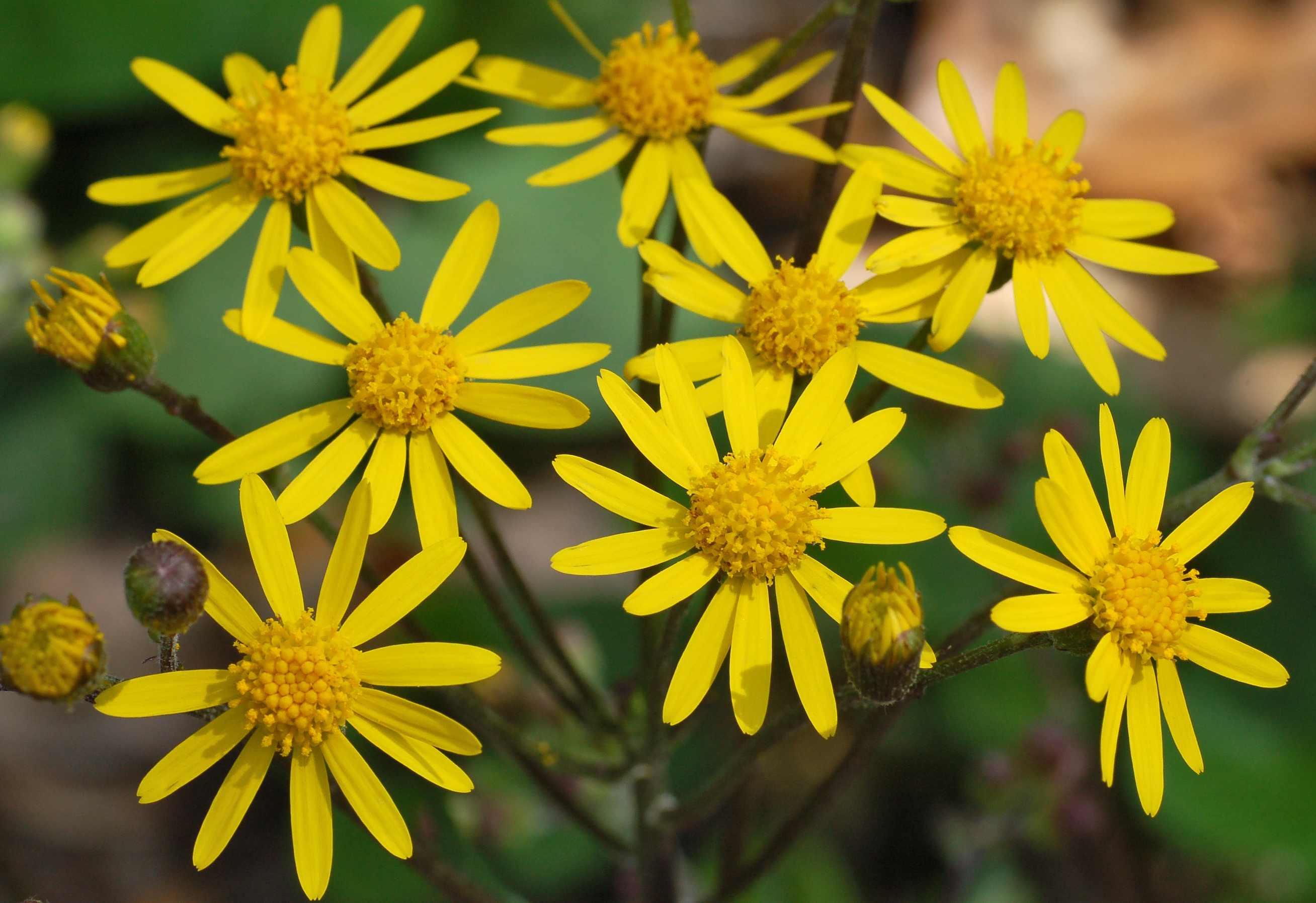
Golden Ragwort (Packera aurea) - A native perennial that lights up Kentucky’s damp floodplains with yellow blossoms. It is a vital early-season nectar source for the native pollinators that support our local agricultural and garden ecosystems.
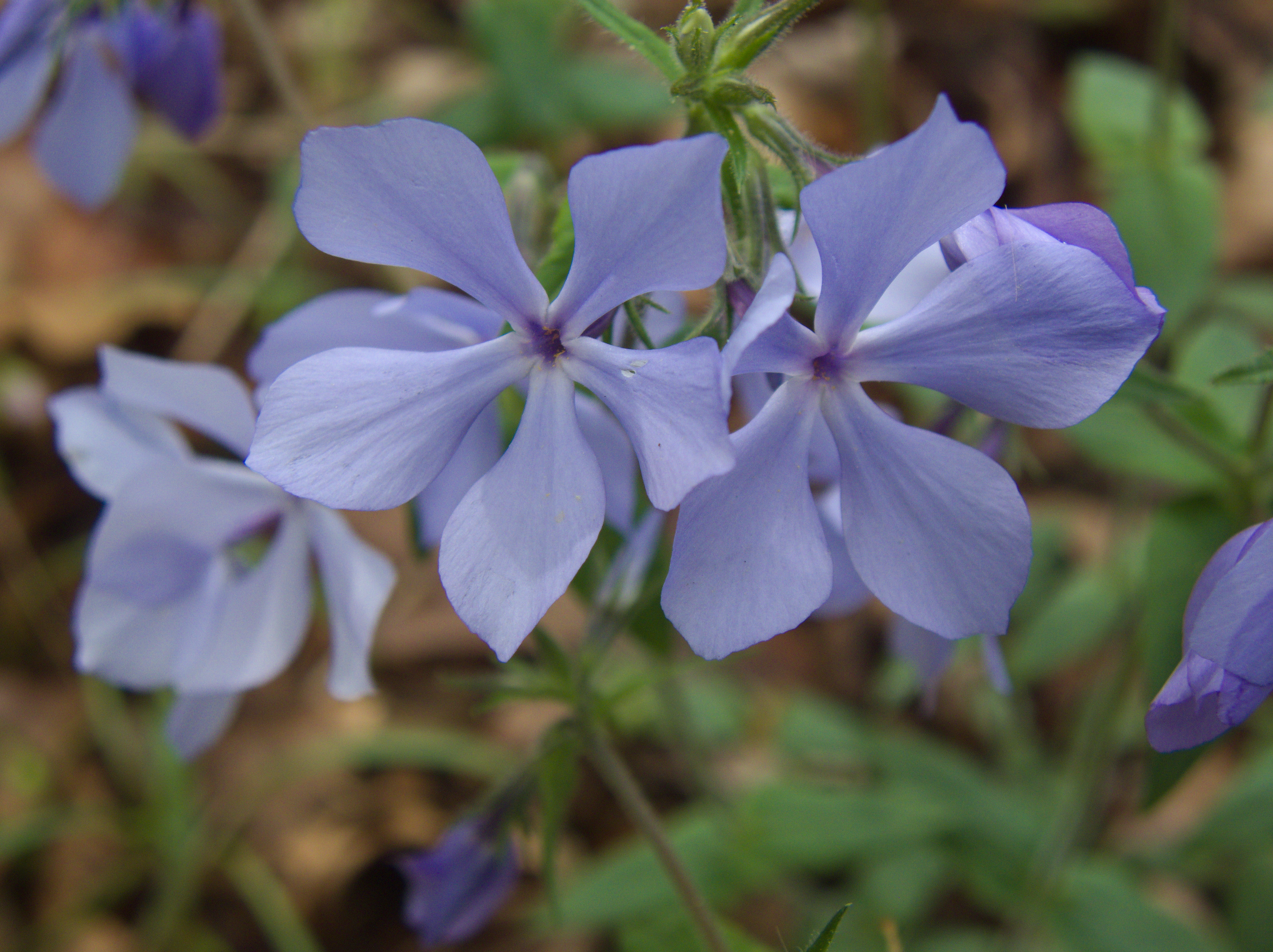
Wild Blue Phlox (Phlox divaricata) - In the heart of Louisville’s spring, Wild Blue Phlox —also known as woodland phlox—paints the forest floor with delicate clusters of lavender and periwinkle. This native perennial is a hallmark of the city’s ecological restoration efforts, most notably in Cherokee Park’s Wildflower Woods, where it has seen a resurgence thanks to the removal of invasive honeysuckle. You can also find it blanketing the Moss Gibbs Woodland Garden in Broad Run Park or thriving along the shaded stream banks of the Parklands of Floyds Fork.
Standing about a foot tall, its fragrant, five-petaled star flowers are more than just a visual treat; they serve as a critical early-season nectar source for Tiger Swallowtails and hummingbirds. Whether you’re hiking the Olmsted trails or planting a pollinator garden at home, this hardy "Wild Sweet William" is a beloved local symbol of Kentucky’s natural heritage.
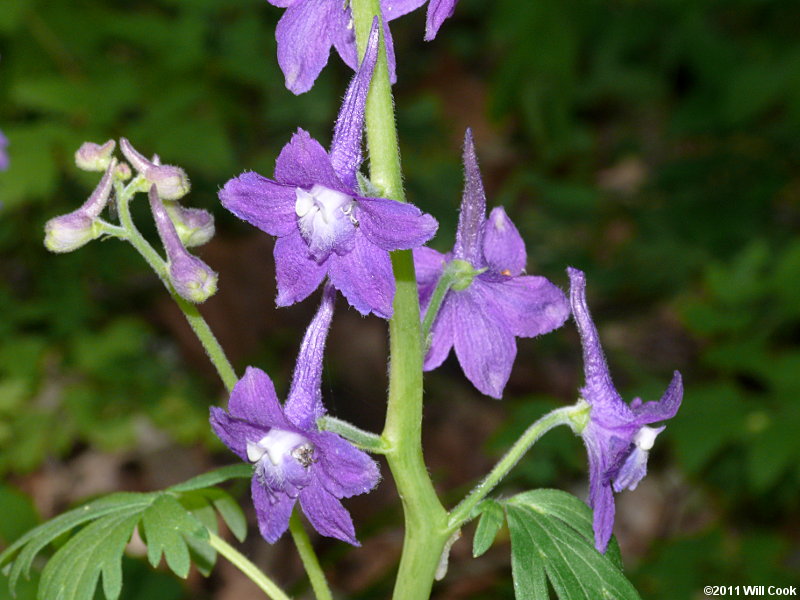
Dwarf Larkspur (Delphinium tricorne) - A quintessential spring ephemeral found gracing the shaded forest floors of Louisville. These native wildflowers are easily recognized by their striking spikes of spurred, violet-blue blossoms and deeply lobed, fan-like foliage. They "race" to bloom in early spring, soaking up the sunlight before the overhead canopy fully develops. Each flower features a distinctive rear "spur" containing nectar, making them a specialized food source for bumblebees and early butterflies. While beautiful to look at, these plants contain alkaloids that make them toxic to most mammals, a natural defense that protects them from hungry deer as they emerge each year.
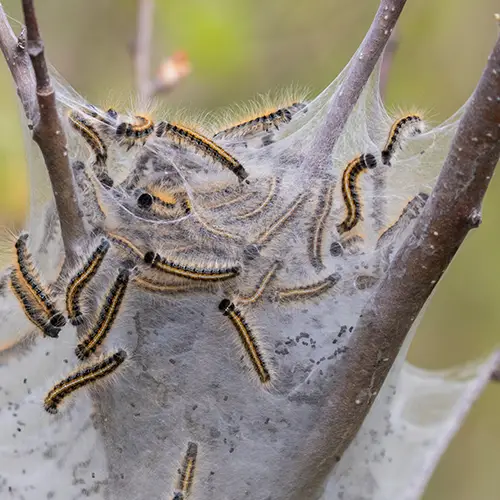
The Eastern Tent Caterpillar (Malacosoma americanum) - Well-known for constructing large, silken "tents" in the crotches of fruit and hardwood tree branches during the Kentucky spring. These social caterpillars use the web as a centralized protective gallery, emerging several times daily to feed on emerging foliage before returning to the shelter to rest and digest. While their massive webs and hearty appetites can temporarily strip a tree of its leaves, the damage is primarily aesthetic, and healthy trees typically recover. By late spring, the caterpillars leave the tent to spin cocoons, eventually transforming into inconspicuous brown moths.