Goose Creek Nature Trail
"Not all those who wander are lost." — J.R.R. Tolkien
5/3/2026 - 50° Sunny


Easy post Derby run today and mostly flat. I'm really enjoying these trails at Tom Sawyer. Goose Creek has just as many side trails as Wetlands. Get a general bearing with your compass and you should be good. The ruins from the old hospital farm add a timeless character to the trails. The ephemerals are starting to retreat. See you guys next year. Saw some Multiflora Rose, which look like blackberry flowers, but have a yellow center bloom. Also saw Yellow Flag Iris and some neat little Forget-me-nots along the creek. I went by the vernal pool from a couple of weeks ago. It actually looks like it has more water.
Note: When I was working with Gemini to create the image of the forest creature, it asked me if I wanted a video. This is what is gave me. Kinda wild.
Past and Present
The energy from yesterday’s 152nd Kentucky Derby still lingers in the chill air, a sharp contrast to the quiet rustle of the sycamores along the creek. While the crowds at Churchill Downs were fixated on the high-tech biometric tracking that monitors every stride of those elite colts, I found myself thinking about the former residents of the Central State Hospital who once tilled these very fields; their manual labor built the stone foundations that nature is now so gracefully reclaiming. It’s a strange, beautiful bridge between the cutting-edge technology of the "fastest two minutes" and the unhurried growth of the forest.
Between the birdsong, my mind drifted to the headlines about the renewed Iran nuclear talks and the latest political maneuvering ahead of the upcoming election cycle. There is plenty of noise in the world right now, and while distant echoes of global conflict remain a sobering reality, the steady, rhythmic flow of Goose Creek offers a much-needed perspective. As the world navigates complex diplomacy and the rapid pace of change, there is something profoundly grounding about the way the sun hits the water near the ruins. It feels like the city is catching its collective breath after the Derby madness, leaning into a season of growth and finding a peaceful path forward.


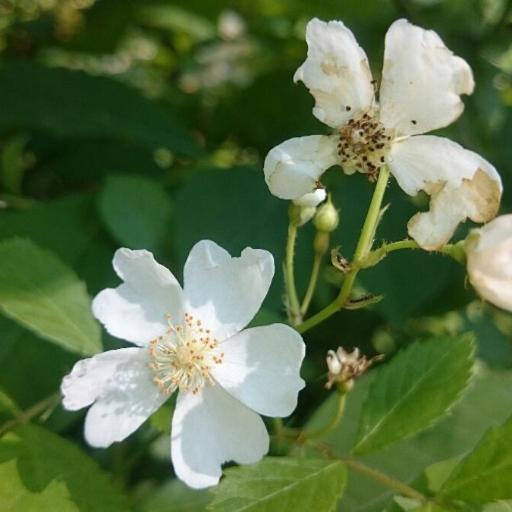
Multiflora Rose (Rosa multiflora) - Recognized as one of the most prevalent and aggressive invasive shrubs threatening local ecosystems. This vigorous plant forms dense, thorn-covered thickets that can grow up to 15 feet tall, effectively outcompeting native vegetation and reducing habitat quality for local wildlife. As of early 2026, local management efforts are active; for instance, the University of Louisville Botanical Society and sustainability programs host regular invasive plant removal events at Jefferson Memorial Forest to knock back these populations. Additionally, the Natural Areas Division of Louisville Parks & Recreation and groups like The Parklands of Floyds Fork utilize techniques such as rotational mowing and targeted removal to protect the region's meadows and forests from being overtaken by this "thorny threat".
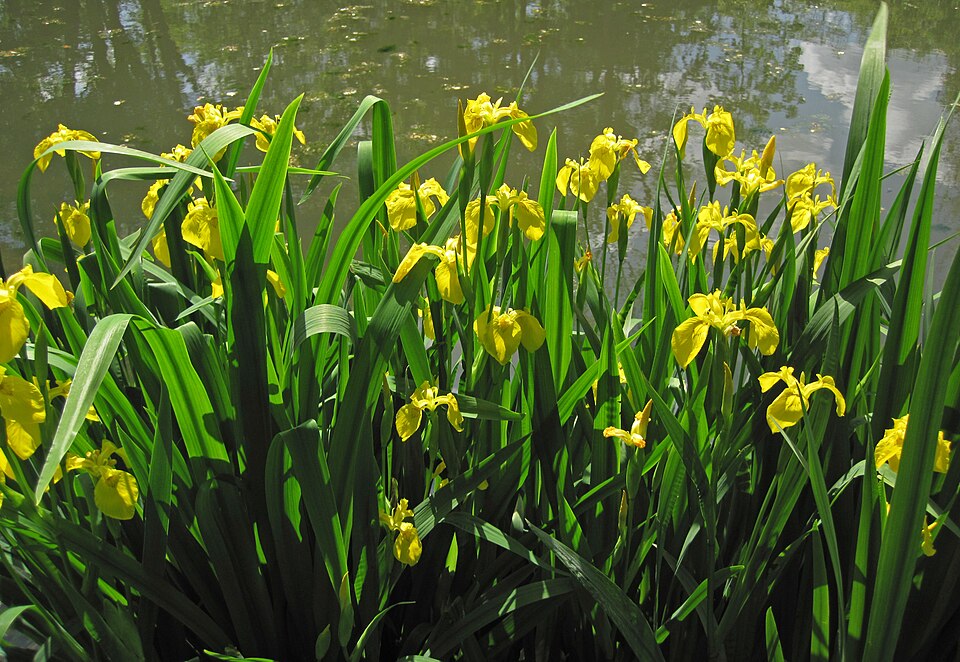
Yellow Flag Iris (Iris pseudacorus) - Dominates many disturbed areas, it is important to distinguish it from the Blue Flag Iris, a native Kentucky treasure. Unlike its aggressive yellow cousin, the Blue Flag Iris grows in polite clumps that provide essential habitat without overwhelming the ecosystem. The easiest way to tell them apart before they bloom is by the leaves: the native Blue Flag has flatter, more flexible leaves that lack the rigid, sword-like central ridge found on the Yellow Flag.
When they bloom in late spring, the difference is unmistakable. The native variety produces delicate, violet-blue flowers with intricate yellow "signals" on the petals to guide pollinators. Ecologically, the Blue Flag Iris is a vital part of the Kentucky wetland community, coexisting harmoniously with other native plants and providing stable egg-laying sites for amphibians. Choosing to protect and plant the native blue variety over the invasive yellow one helps maintain the natural balance and prevents our unique vernal pools from being transformed into impenetrable thickets.
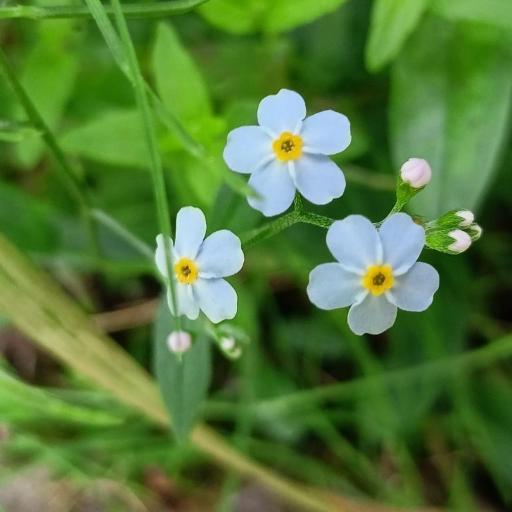
Water Forget Me Not (Myosotis scorpioides) - Commonly known as the Water Forget-me-not or True Forget-me-not, is a rhizomatous perennial native to Europe and Asia that has naturalized across much of North America. It thrives in wet habitats such as stream banks, marshes, and pond margins, where it can even form floating rafts. The plant is easily identified by its sky-blue, five-lobed flowers with bright yellow centers, which typically bloom from late spring through summer. Its most distinctive feature is the inflorescence—a coiled, branched cluster that resembles a scorpion's tail and gradually unrolls as the flowers open.
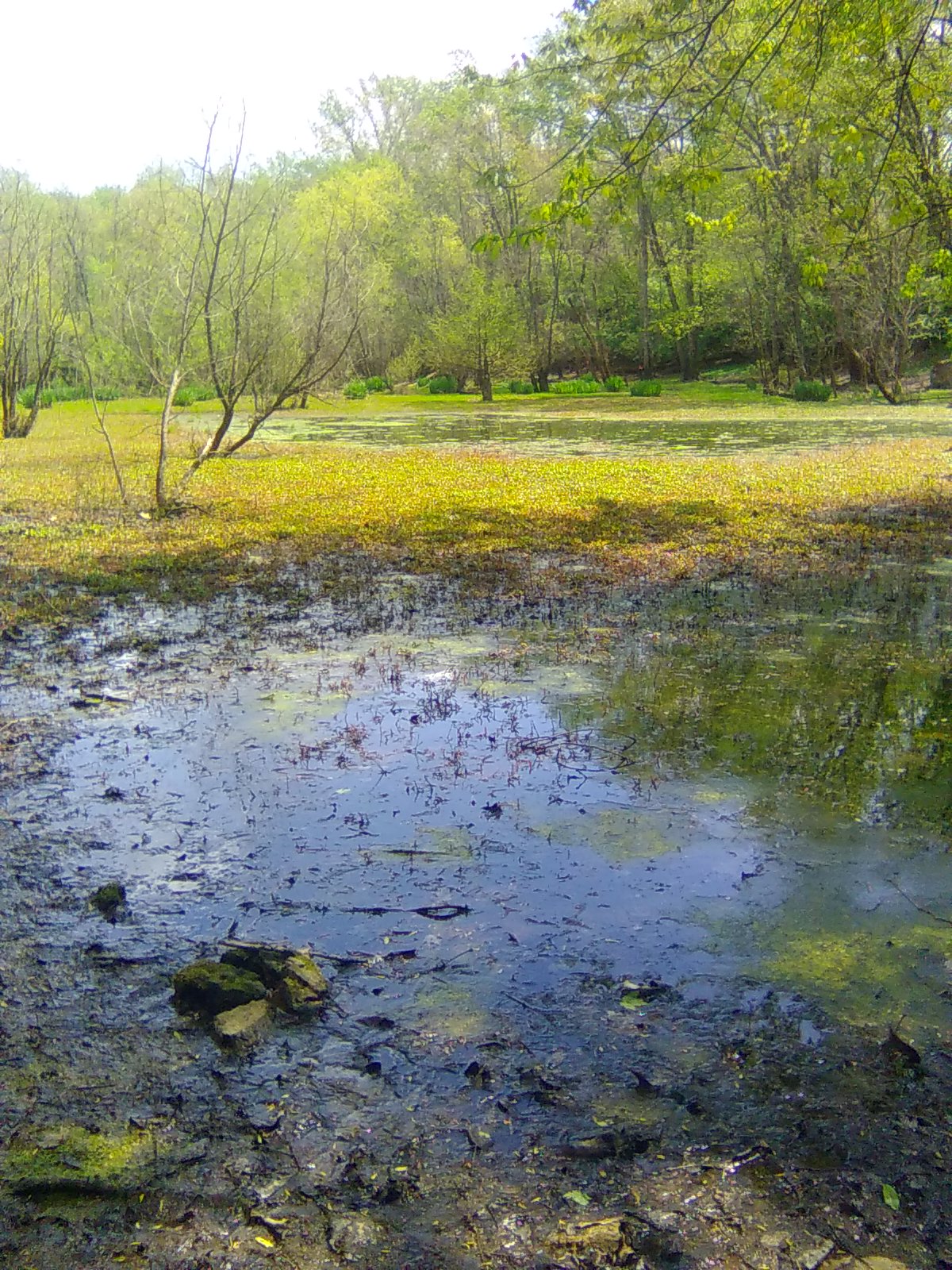
Vernal Pools - Vital, ephemeral wetlands that act as seasonal "nurseries" for the state's biodiversity. Typically forming in low-lying depressions in forests or floodplains, these pools fill with autumn and winter rains but dry up completely during the sweltering Bluegrass summers. This cyclic drying is their most important feature: it prevents fish populations from establishing, creating a safe, predator-free environment for specialized species like the Spotted Salamander, the Wood Frog, and the rare Fairy Shrimp. From the limestone "karst" regions of Central Kentucky to the deep woods of Jefferson Memorial Forest, these temporary ponds are essential biological hotspots that support the state's unique amphibian and invertebrate populations.