McNeely Lake
"The present moment is filled with joy and happiness. If you are attentive, you will see it." — Thích Nhất Hạnh
5/17/2026 - 85° Sunny


I was last here back in November when I made it all the way around the lake. I started out at the horse trails entrance again. The path was decorated with hundreds of Oxeye Daisies. At the dam spillway I spotted a watersnake, but was not able to get a picture. I remember walking this trail when I was young and someone thought they spotted a Cottonmouth, but that poisonous snake does not live in Louisville.
I ran up the steep side of the dam and continued the trail to Durrett Cave. The cave was once used by native Indians, but cats shelter here today (managed by Alley Cat Advocates). When I was young the cave was visible from the road. It is now overgrown and I think this gives it more mystic. The path to the area above the cave led me to some purpose built shelters for the cats, but instead of cats I saw several ominus Black Vultures. Such a strange site to walk into. I did see one large torty cat.
I ran back to the dam and out to the end of the lake we used to call the swamp. It would be hard to get around the lake this time of year. I checked the cache of golf balls from November and they were still there. Finished up the run along the creek, past the old stone bridges (I think) and back to the parking lot.
Past and Present
As I slowed to a brisk walk past the hidden, mossy remnants of the old Deutsch and Thomas farmsteads, I couldn't help but reflect on how our definition of a map has changed since the days when children gathered at the nearby Old Liberty No. 1 Schoolhouse to study basic geography. Sitting on a stone ledge by Pennsylvania Run creek, I reflected on the whirlwind of world events that unfolded this past week. While global leaders wrapped up a high-stakes diplomatic trip to China to foster strategic stability amidst ongoing conflicts abroad, humanity was simultaneously charting a completely different kind of territory. Far beyond our atmosphere, the James Webb Space Telescope mapped the cosmic web in breathtaking, unprecedented detail, tracing the universe's largest skeletal structures and making this tiny, historic Kentucky valley feel like a beautifully intricate speck in a vast, connected universe.
The intersection of the natural world and advanced architecture seems to be the theme of the week, echoing even in the way the park’s wildlife adapts to the local karst topography. Watching the calculated survival instincts of the community cats and the stark, cooperative behavior of those black vultures, I was reminded of a fascinating tech headline detailing how biotech scientists built a living AI device using real brain cells to merge organic biology with computing. It’s wild to think about a future where nature and technology blend so seamlessly. No matter how fast our global politics shift or how futuristic our science becomes, there is an enduring comfort in the simplicity of this trail, where the creek faithfully flows south, the daisies continue to claim the hillsides, and the quiet rhythm of the woods remains entirely untouched.


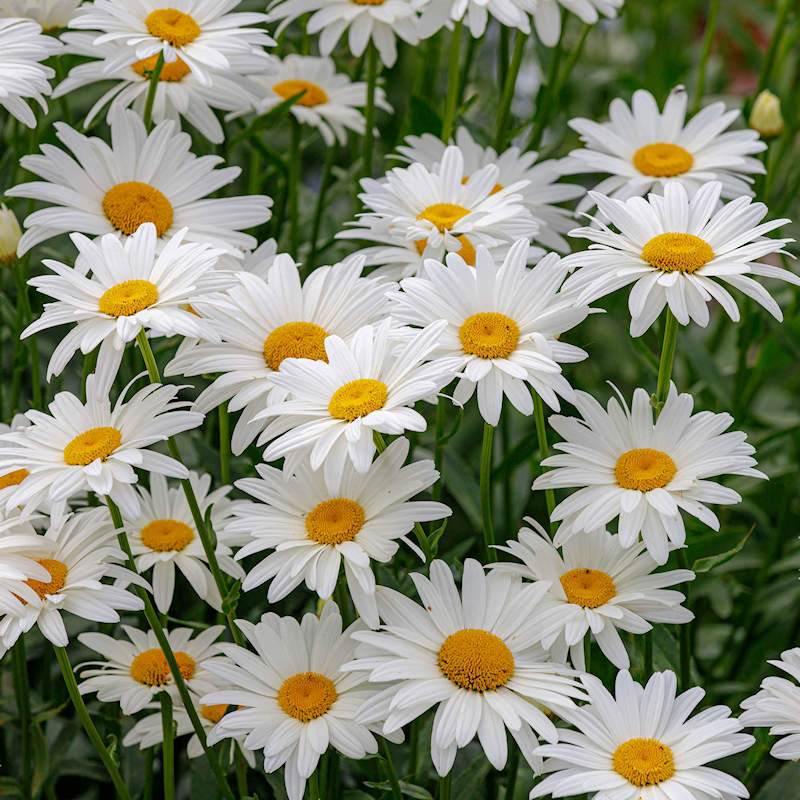
Oxeye Daisies (Leucanthemum vulgare) - Louisville’s sun-drenched parks and grassy hillsides—from McNeely Lake to local roadside meadows—get painted by the cheerful white and yellow blooms of the Oxeye Daisy. While these iconic wildflowers look like a postcard-perfect staple of a Kentucky spring, they are actually charming opportunists. Originally native to Europe, these hardy plants have thoroughly made themselves at home in Derby City, aggressively claiming local meadow real estate and putting on a spectacular, sun-soaked show just as the late-spring warmth settles in.
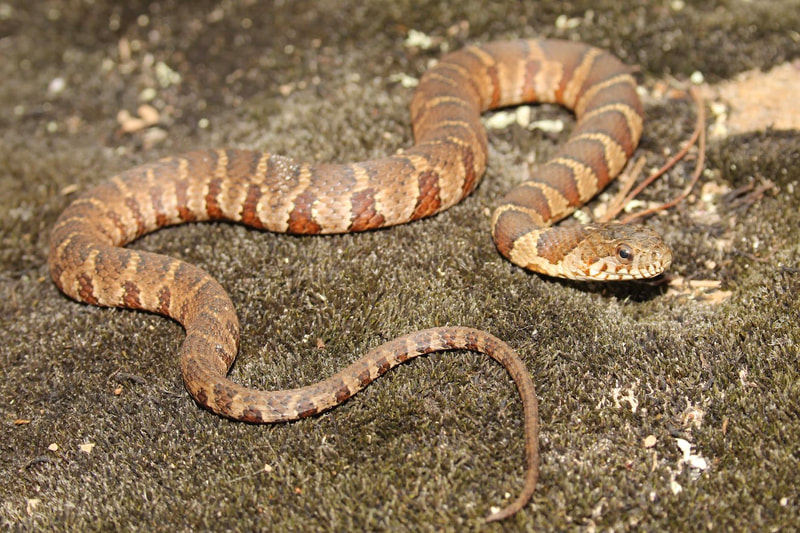
Common Watersnake (Nerodia sipedon) - a harmless, non-venomous native reptile frequently spotted hunting for fish and amphibians around Kentucky’s lakes, rivers, and spillways. Despite being ecologically beneficial and completely non-aggressive unless cornered, this heavy-bodied snake is the frequent victim of mistaken identity, almost universally feared as the venomous Northern Cottonmouth (water moccasin) due to its dark brown, banded coloration and aquatic habits. To complicate matters, when threatened, the watersnake will intentionally flatten its jaws into a dramatic, triangular shape—a brilliant defensive bluff that mimics a pit viper perfectly, but unfortunately often leads to unnecessary human panic.
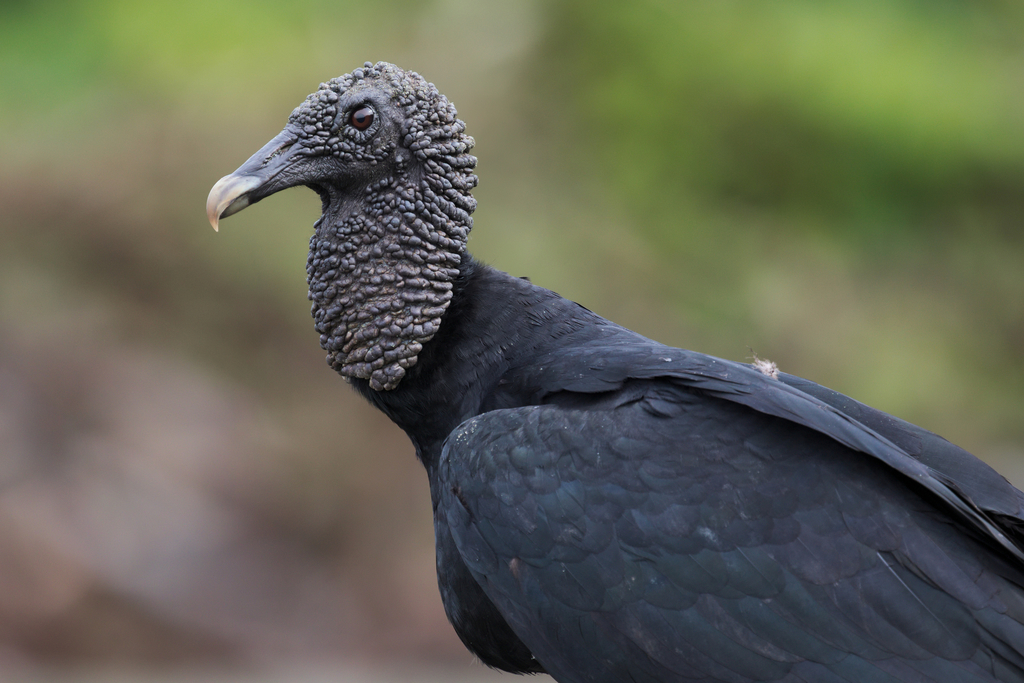
Black Vultures (Coragyps atratus) - These birds are a highly social and intelligent species whose footprint has been steadily expanding across Kentucky. Distinct from their red-headed Turkey Vulture relatives, they are easily recognized by their compact silhouettes, shorter tails, and wrinkled, featherless black heads. Often seen loafing together in cooperative groups, these sharp-eyed scavengers play a vital role in the local ecosystem, navigating their environment with a unique anatomical quirk: lacking a vocal tract, they communicate not with typical bird songs, but through a series of subtle hisses and guttural grunts.