Putney Pond
"When we try to pick out anything by itself, we find it hitched to everything else in the Universe." — John Muir
7/5/2026 - 85° Sunny


Happy 250 America! I'm always surprised by these small wooded parks. There are a lot of short named trails at Putney, but they all connect with each other. Several curious deer including one at the entrance and two fawns racing across the ridge from Stuarts' Loop (nice climb here). Going from Stuart's to the Wetland Trail leads you over the boardwalk. It is fun to Hanna through the forest, racing on the boards. Spotted a nice crayfish chimney near the pond. I see tons of these guys in creeks, but I've not seen many of the chimneys. At the end of the boardwalk are some small falls and a pool of good size Bluegill and a Creek Chub. Lots of Scouring Rush along the banks.
Past and Present
Watching the trails seamlessly shift from dirt loops to the wetland boardwalk made me think of an incredible neuroscience breakthrough published by Rice University and Baylor College of Medicine. Researchers mapped the human brain at the single-neuron level and discovered that bilingual brains don't build entirely separate mental worlds for different languages. Instead, they navigate a single, universal geometric neural map in the hippocampus, seamlessly reading the exact same conceptual landscape from different angles depending on the language being spoken. It is a lot like how the history of Putney Pond itself layers different stories over the exact same 25 acres of woods. From Meade Babcock’s 1930s hunting grounds to Betty and Moseley Putney converting the 150-year-old cabin and renaming the pond in memory of their son Pete, a USAF fighter pilot lost in 1958, this forest holds countless overlapping memories. I even paused near the clearing where the legendary State Champion Kentucky Coffee Tree once stood, appreciating how the old history and new growth share the same deep, quiet soil.
Taking in the peaceful woods was the perfect reset after a whirlwind week of monumental headlines. Between the global buzz surrounding historic international elections and the usual background noise of foreign conflicts, the world sometimes feels like it's spinning incredibly fast. But out here, under the shaded canopy of sugar maples and beech trees, things slow down and find their grounding. Celebrating America's 250th birthday surrounded by the timeless beauty of the Kentucky landscape reminds you of what truly endures. Watching the afternoon sun filter through the leaves onto the water felt like the ultimate tribute to our nation's history. Happy Semiquincentennial, America—may we always find freedom, unity, and a little piece of wonder out on the trails!


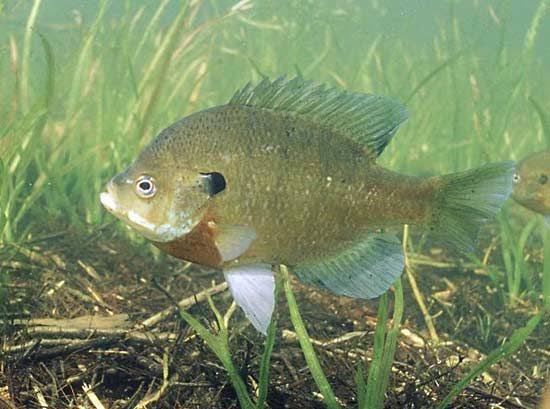
Bluegill (Lepomis macrochirus) - Belonging to the sunfish familiy, the Bluegill is the quintessential cornerstone of the commonwealth's ponds, lakes, and slow-moving creeks. These hardy, vibrant sunfish are incredibly abundant throughout the state, thriving anywhere they can find a little shallow cover, like the weed beds and overhanging trees. Beyond being an essential forage fish that sustains larger predators like largemouth bass, bluegill hold a legendary status in Kentucky’s outdoor culture; because they are eager biters and spirited fighters for their size, they serve as the classic "first catch" for generations of young anglers and remain a beloved, nostalgic fixture of local summers.
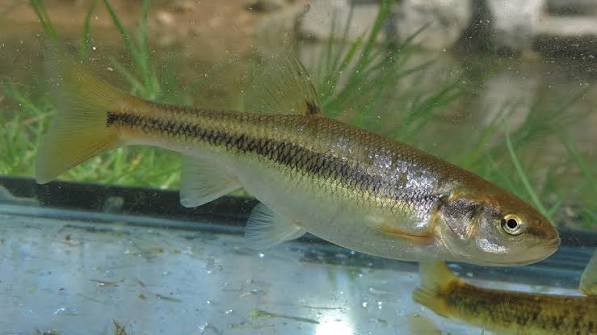
The Creek Chub (Semotilus atromaculatus) - One of the most resilient and spirited native minnows swimming in Kentucky's streams. Far from a helpless little baitfish, it behaves more like a miniature trout—acting as a hardy, opportunistic predator that aggressively hunts insects, terrestrial bugs that fall into the water, and even smaller fish. They are easily identified by their streamlined, torpedo-shaped bodies, that prominent ink-black lateral stripe, and a signature dark spot at the front base of their top dorsal fin. During the spring spawning season, dominant males actually develop specialized, horn-like bumps on their heads called nuptial tubercles, which they use like tiny battering rams to defend the gravel nests they painstakingly build.
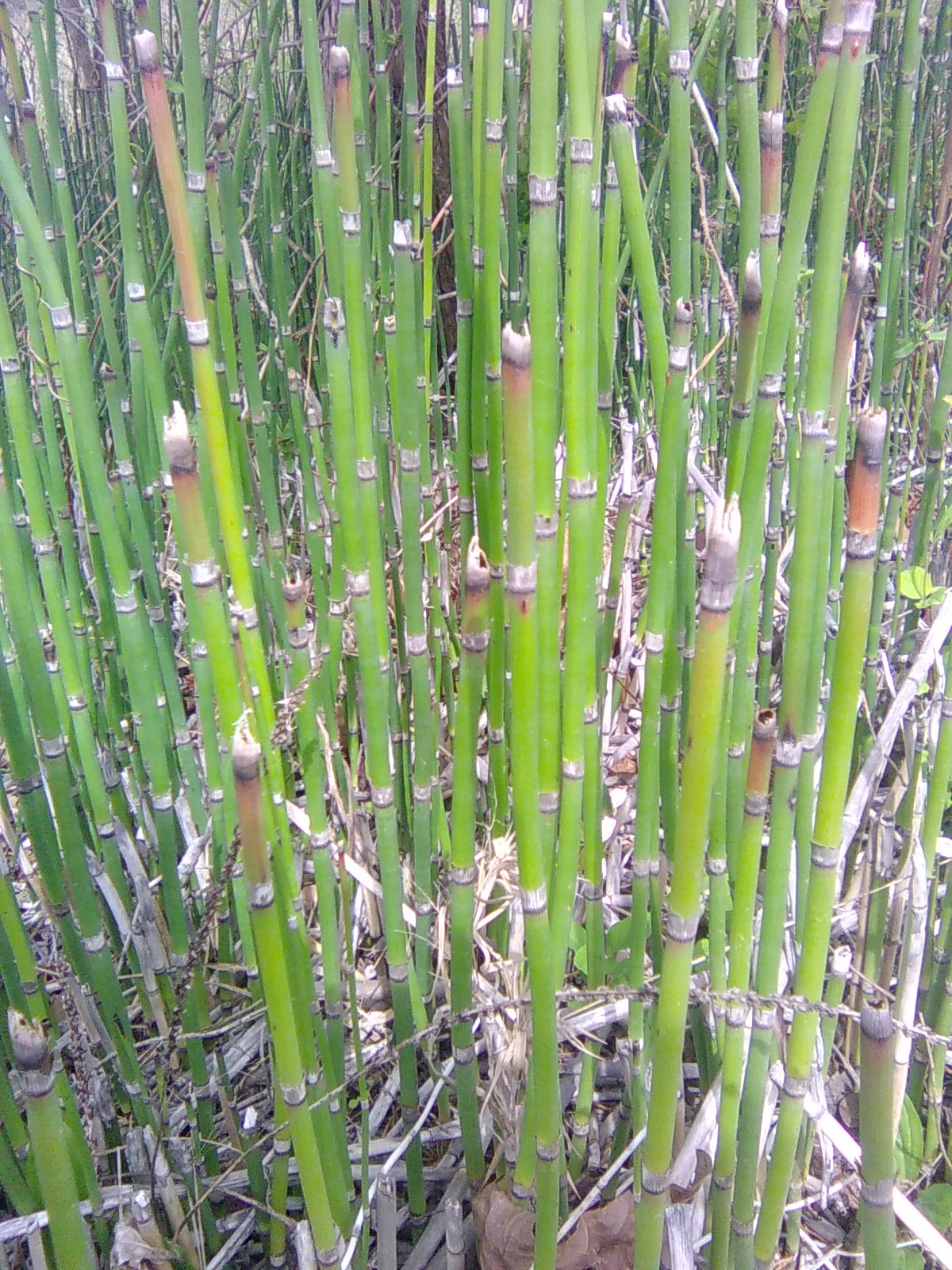
Scouring Rush (Equisetum hyemale) - This "living fossil" thrives in the wet, limestone-rich creek beds of Jefferson County. Its silica-rich stems were essential tools for Kentucky pioneers, who used them to scrub iron cookware before the advent of modern soaps. Their ancestors dominated the Earth during the Carboniferous period (over 300 million years ago), growing into massive, tree-sized forests. Today they are essentially a miniature version of a dinosaur-age landscape!