Sam's March
"I think we’re going to the moon because it’s in the nature of the human being to face challenges. We’re required to do these things just as salmon swim upstream." — Neil Armstrong
4/4/2026 - 70° Sunny


Great march out on the trail today. The path to the trailhead has a mound of Allegheny Mound Ants on the right. We called these Army Ants when I was little. Not a lot of wildlife, but the flowers continue to bloom. Spotted Toadshade Trillium and Golden Ragwort along with the Wild Blue Phlox and Spring Beauties. My favorite part of this trail is a grove of ceders that is like nothing else on the trail. The smell, sounds, even the breeze are all different. Finished the run with a jog up the stairs of the silo.
There are a couple places where this trail crosses other trails. If you are coming from the Silo stay to the left for Paw Paw. You can take a break at Boulder Pond and then march back to the silo.
The first time I hiked this trail was with my two boys. My youngest was about 4 or 5. It was a lot of steps for him, but he marched on bravely.
The stone walls along the this trail were constructed during the 19th century, primarily between the 1830s and 1880s. They were built by the original farming families of the Floyds Fork area, such as the Seaton family (for whom Seatonville was named) or the Jean family, whose farm spanned seven generations.
Past and Present
Just as the Seaton and Jean families once meticulously laid these stones to define their slice of the Floyds Fork valley, we’re watching a new generation of pioneers mark their own boundaries this week. While world leaders have been caught in the usual dance of diplomatic summits and the headlines carry the passing, familiar weight of overseas tensions, my mind kept drifting to the Artemis II crew. There’s something grounding about seeing the latest high-resolution feeds of the Orion capsule—a marvel of modern engineering—as it prepares to carry humanity back toward the lunar horizon. Standing next to a wall built with nothing but 19th-century muscle and grit, the contrast is striking; both represent a fundamental human drive to build something that lasts, whether it’s a pasture fence or a path to the stars.
The Paw Paw trees themselves are just starting to show their strange, maroon blossoms, a subtle reminder of the deep history of this soil. It’s a bit like the new bio-tech conservation initiatives being piloted across the park system this spring, using satellite monitoring to protect these exact ancient rhythms of growth. Even with the political cycle beginning to churn and the noise that often follows, the trail remains a place of steady, quiet progress. Watching the sunlight hit the ripples of the fork, I felt a genuine surge of optimism for what's ahead. Whether we are moving forward by foot on a dirt path or by rocket through the atmosphere, there is a resilient beauty in our collective momentum.


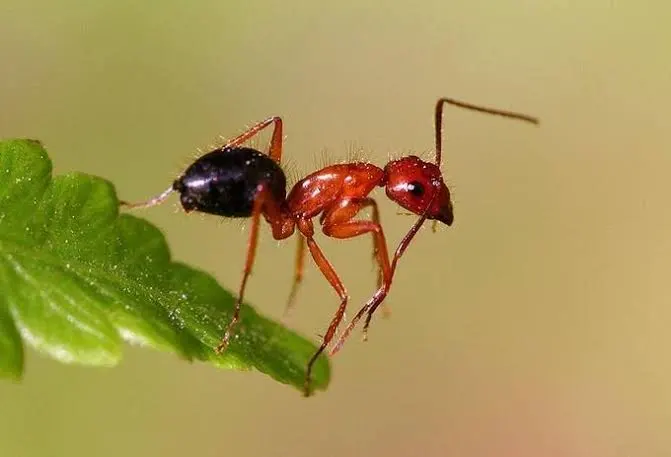
Allegheny Mound Ants (Formica exsectoides) - These master engineers are vital to Kentucky’s forest health. By building their massive, sun-warmed mounds in open clearings, they help aerate the soil and manage insect populations, proving that even our smallest park residents play a massive role in maintaining the balance of the local ecosystem.
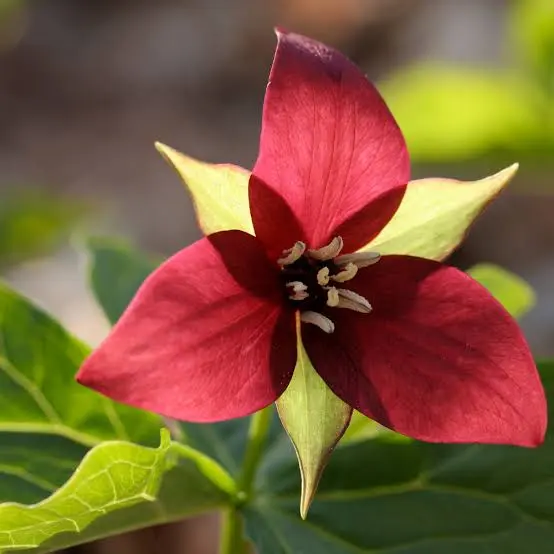
Toadshade Trillium (Trillium sessile) - A cherished Kentucky spring ephemeral found throughout the Bluegrass. This plant, with its mottled leaves and stalkless maroon flower, is a hallmark of the rich, undisturbed limestone soils characteristic of the local landscape.
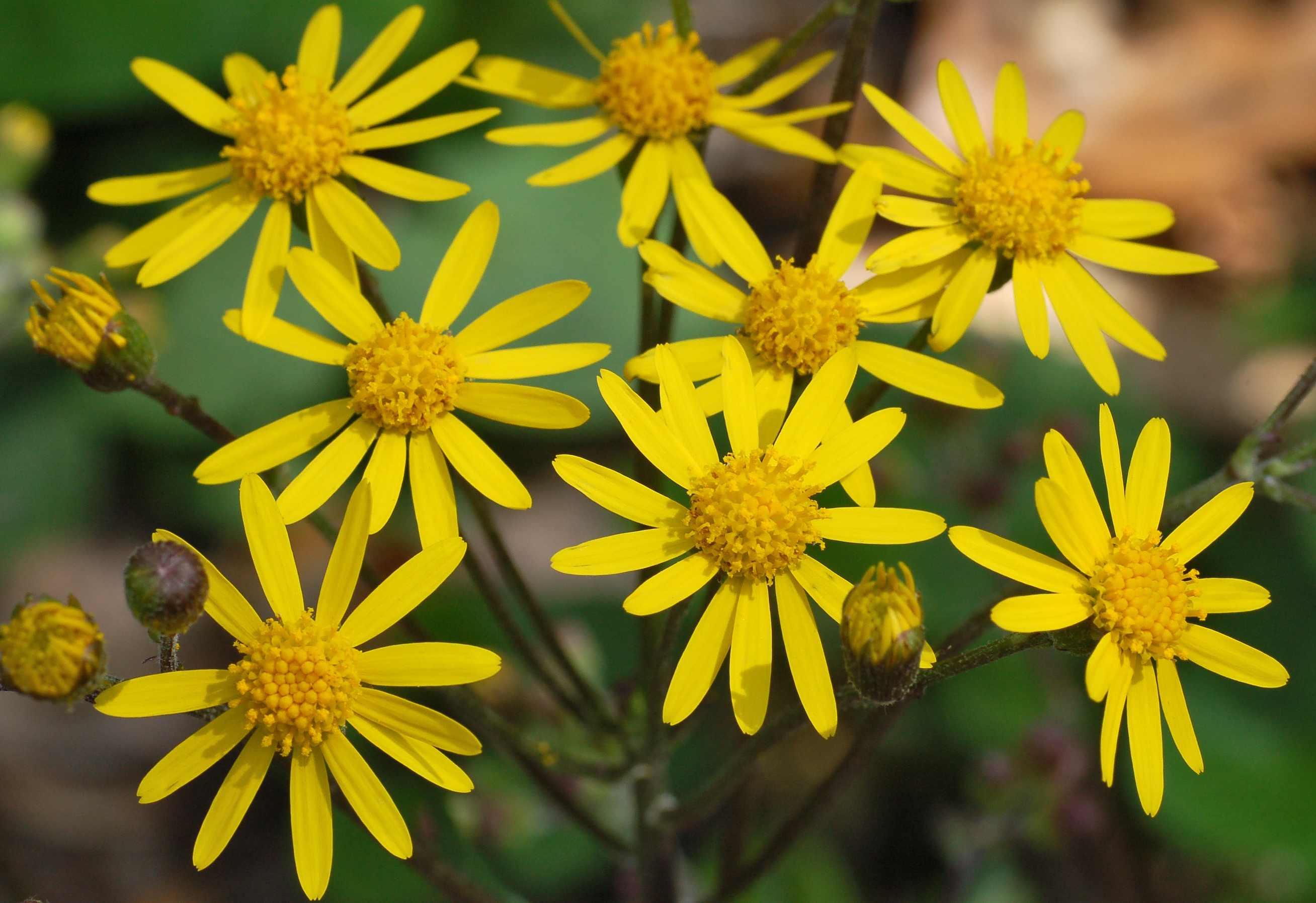
Golden Ragwort (Packera aurea) - A native perennial that lights up Kentucky’s damp floodplains with yellow blossoms. It is a vital early-season nectar source for the native pollinators that support our local agricultural and garden ecosystems.
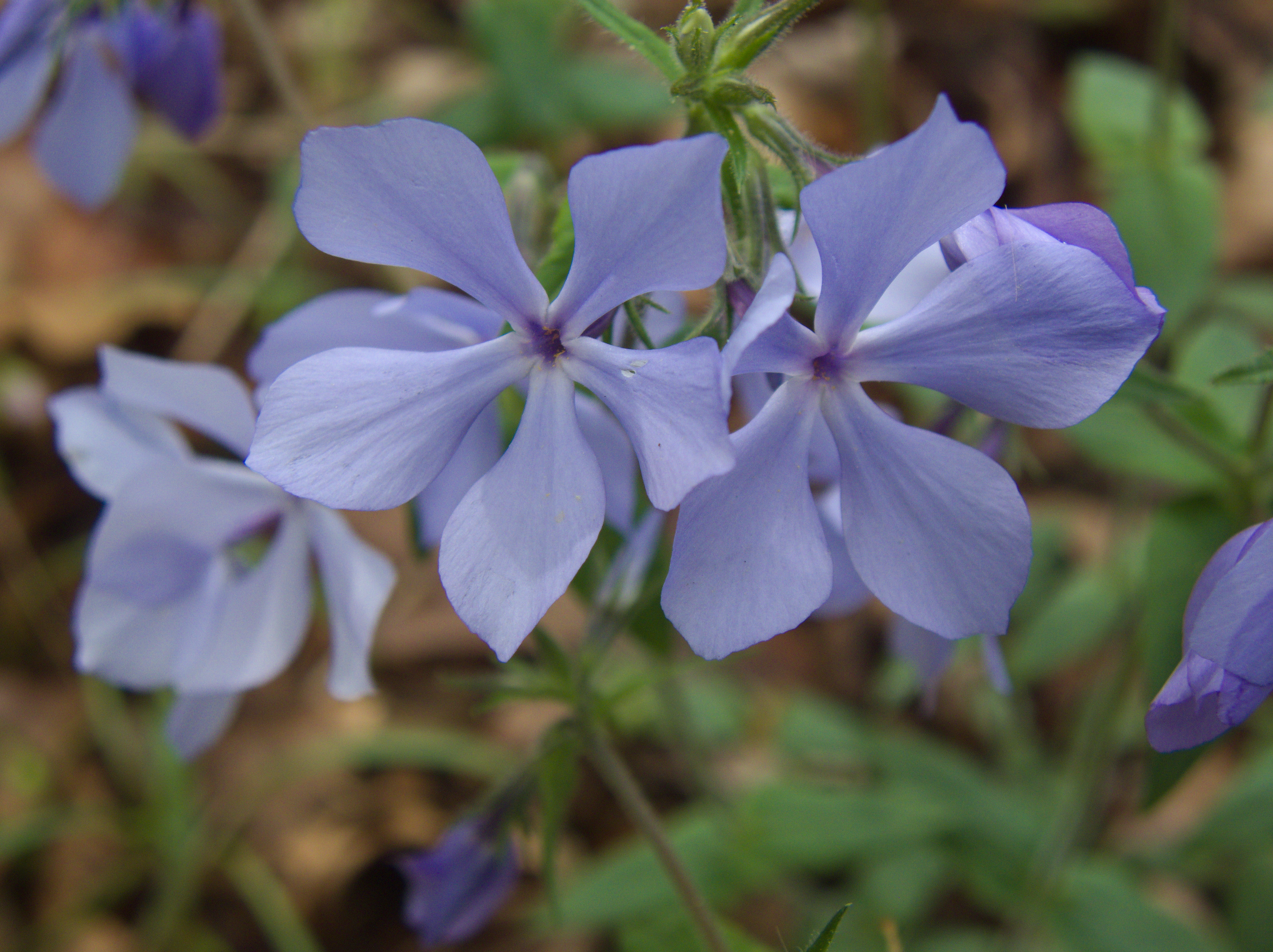
Wild Blue Phlox (Phlox divaricata) - In the heart of Louisville’s spring, Wild Blue Phlox —also known as woodland phlox—paints the forest floor with delicate clusters of lavender and periwinkle. This native perennial is a hallmark of the city’s ecological restoration efforts, most notably in Cherokee Park’s Wildflower Woods, where it has seen a resurgence thanks to the removal of invasive honeysuckle. You can also find it blanketing the Moss Gibbs Woodland Garden in Broad Run Park or thriving along the shaded stream banks of the Parklands of Floyds Fork.
Standing about a foot tall, its fragrant, five-petaled star flowers are more than just a visual treat; they serve as a critical early-season nectar source for Tiger Swallowtails and hummingbirds. Whether you’re hiking the Olmsted trails or planting a pollinator garden at home, this hardy "Wild Sweet William" is a beloved local symbol of Kentucky’s natural heritage.
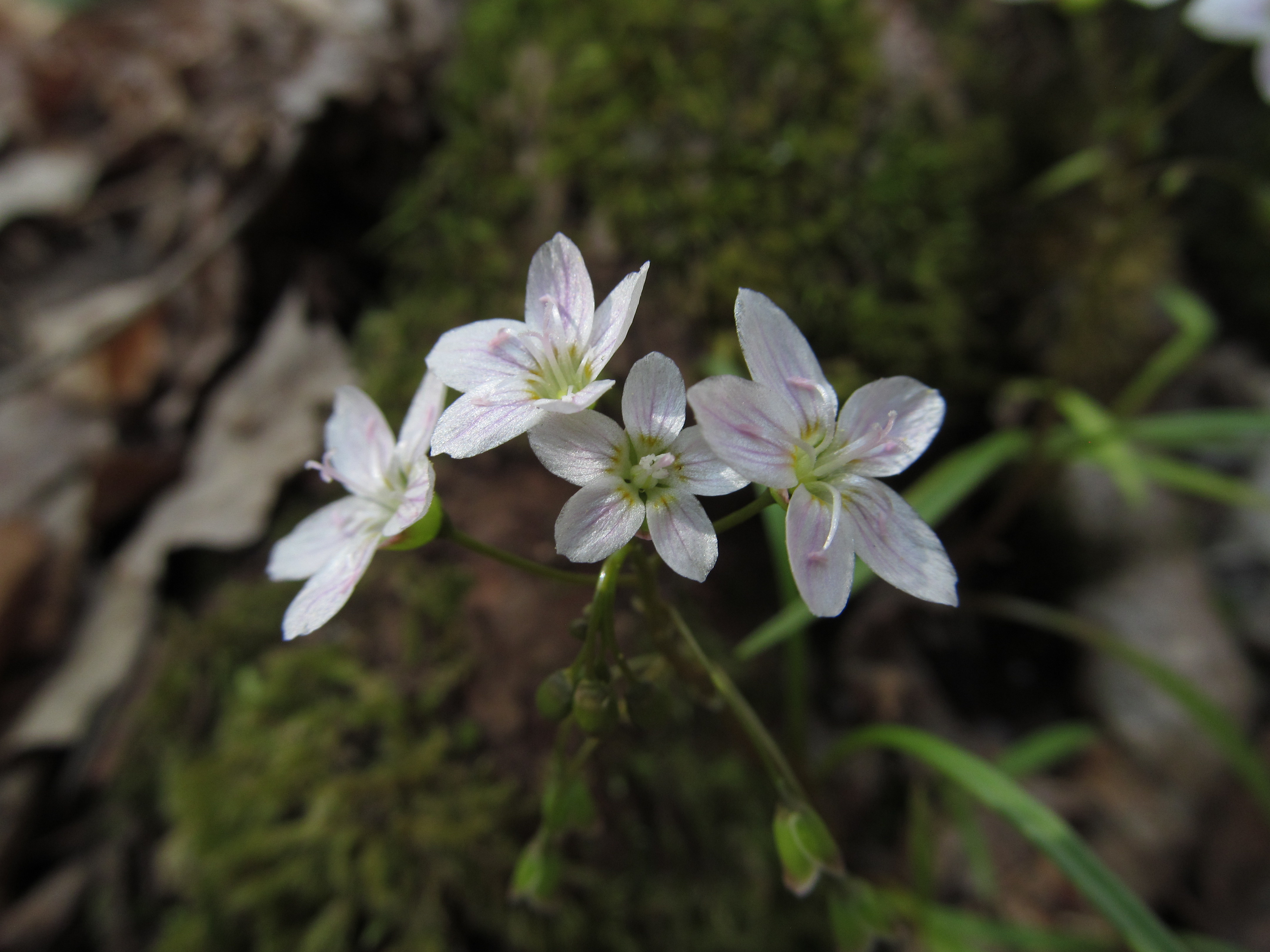
Spring Beauties (Claytonia virginica) - The ultimate "early birds" of the forest floor. These delicate spring ephemerals race to bloom in a rush of white and candy-pink stripes before the overhead tree canopy fills in and steals their sunlight. If you look closely at their petals, those tiny pink veins aren't just for show—they act like neon landing strips (nectar guides) to direct sleepy, early-season bees toward the center. Despite their fragile appearance, they are remarkably hardy, storing energy in small, underground tubers nicknamed "fairy spuds" that were once a seasonal snack for foragers.