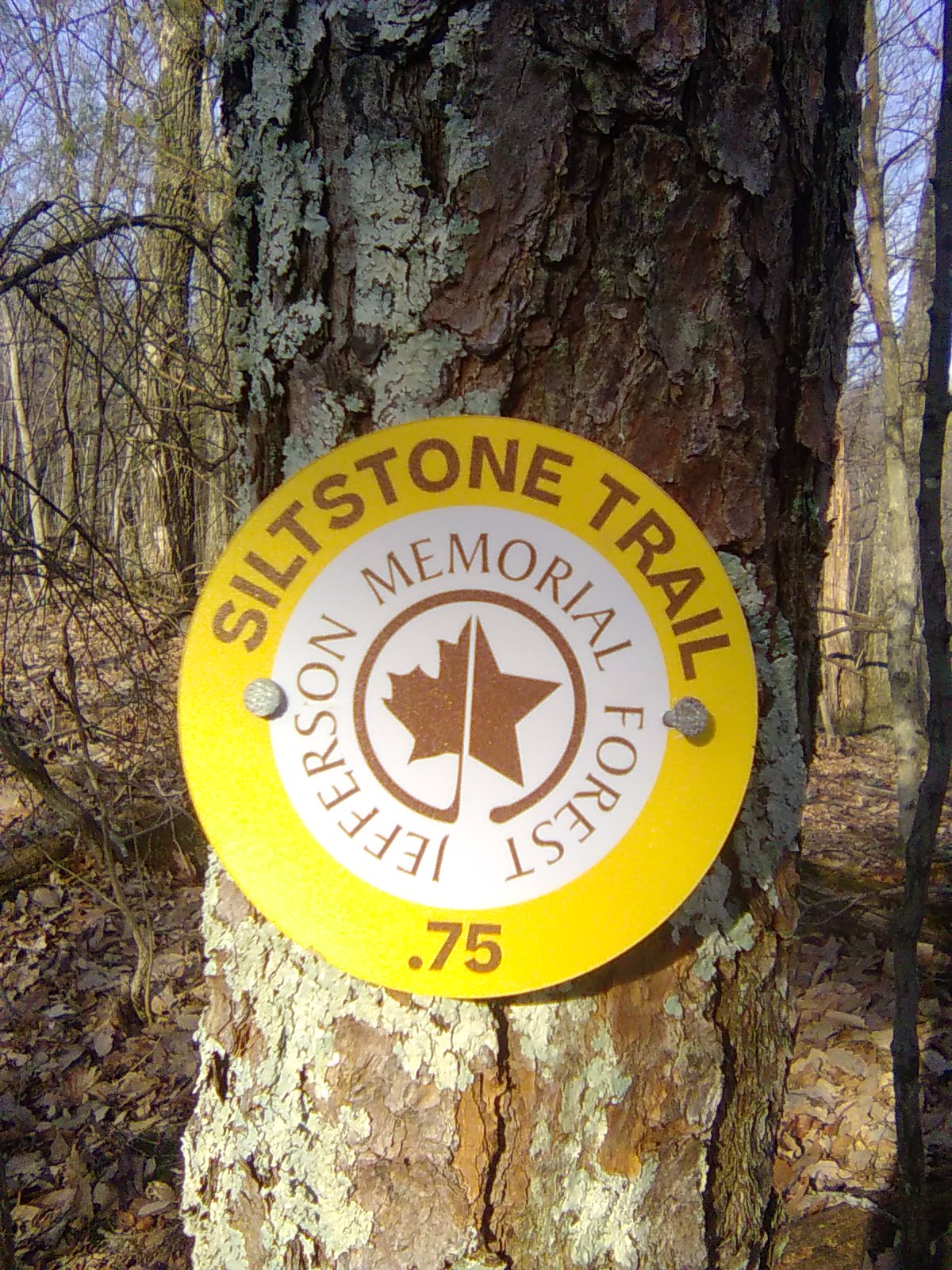
Siltstone Trail
"Not reaching a goal is an opportunity to create a new one" — me
3/22/2026 - 60° Windy
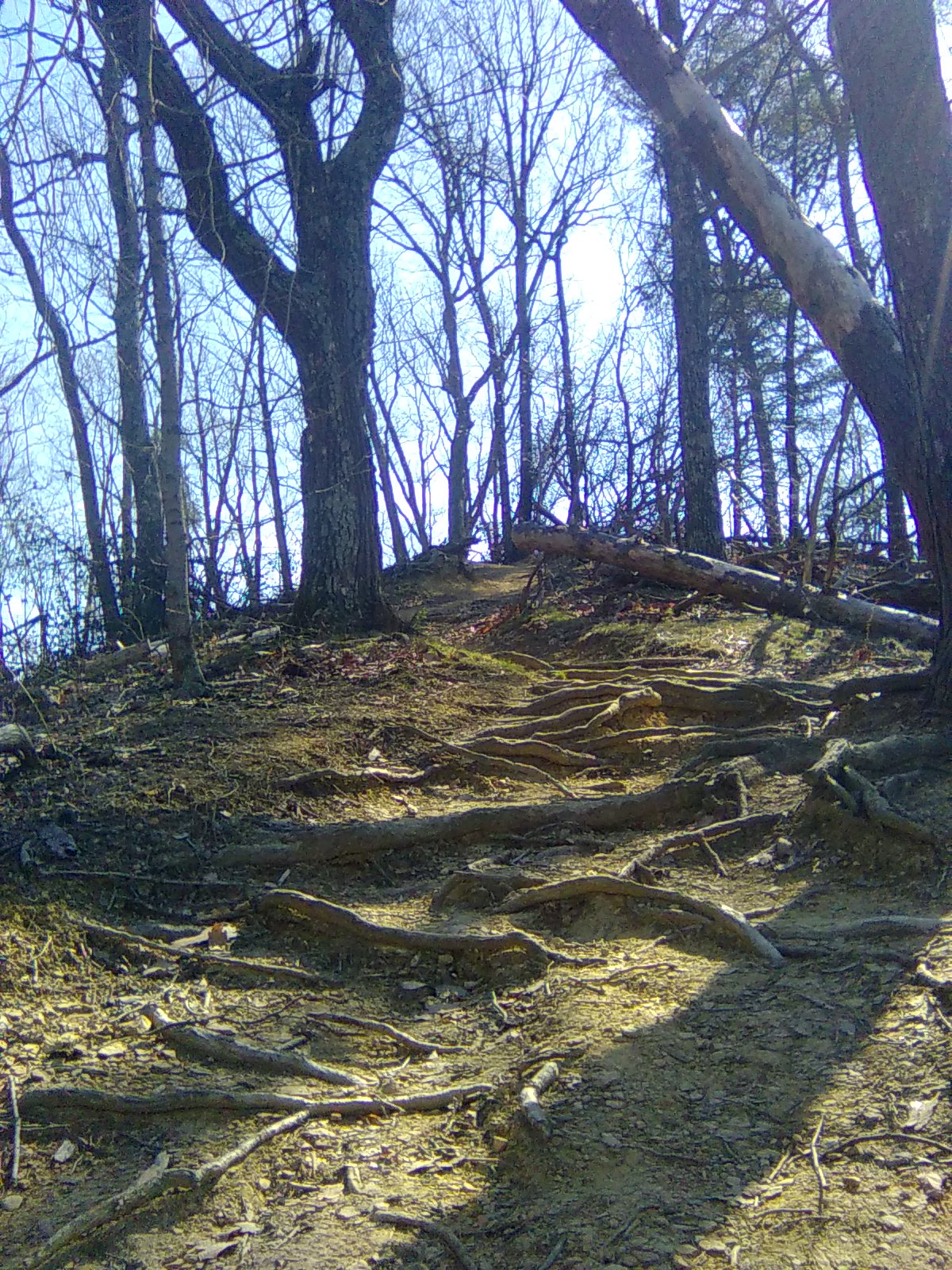
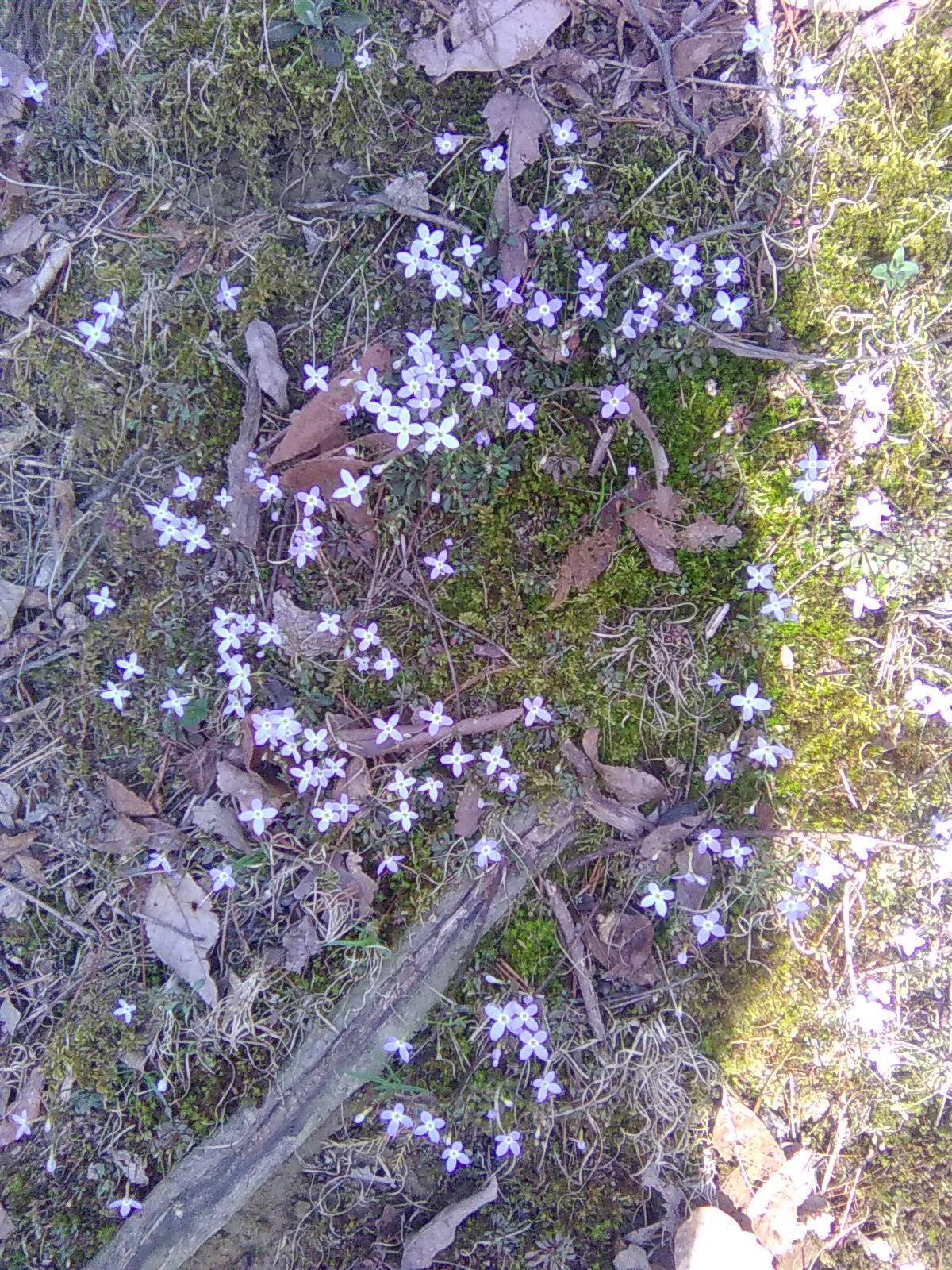
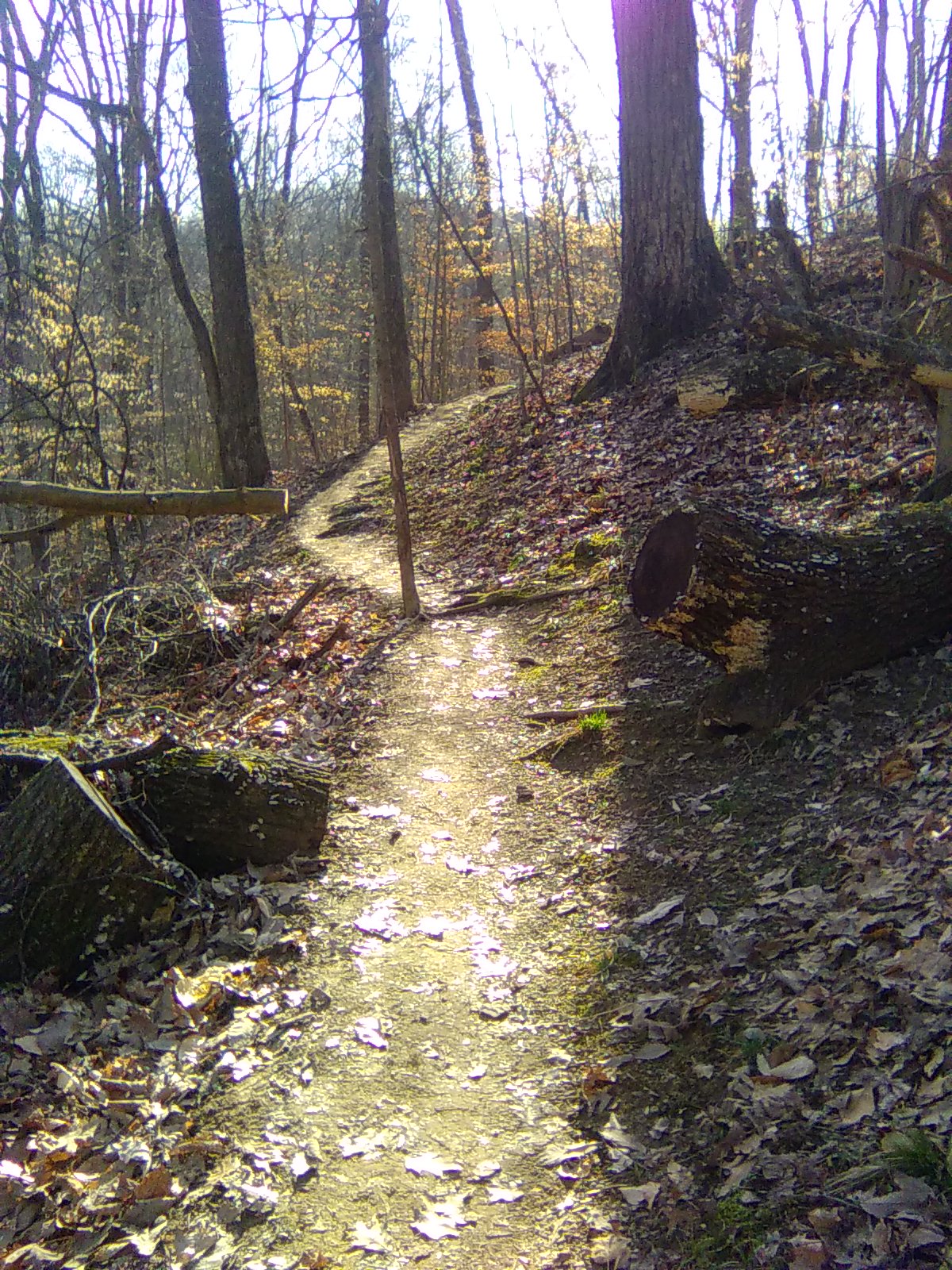
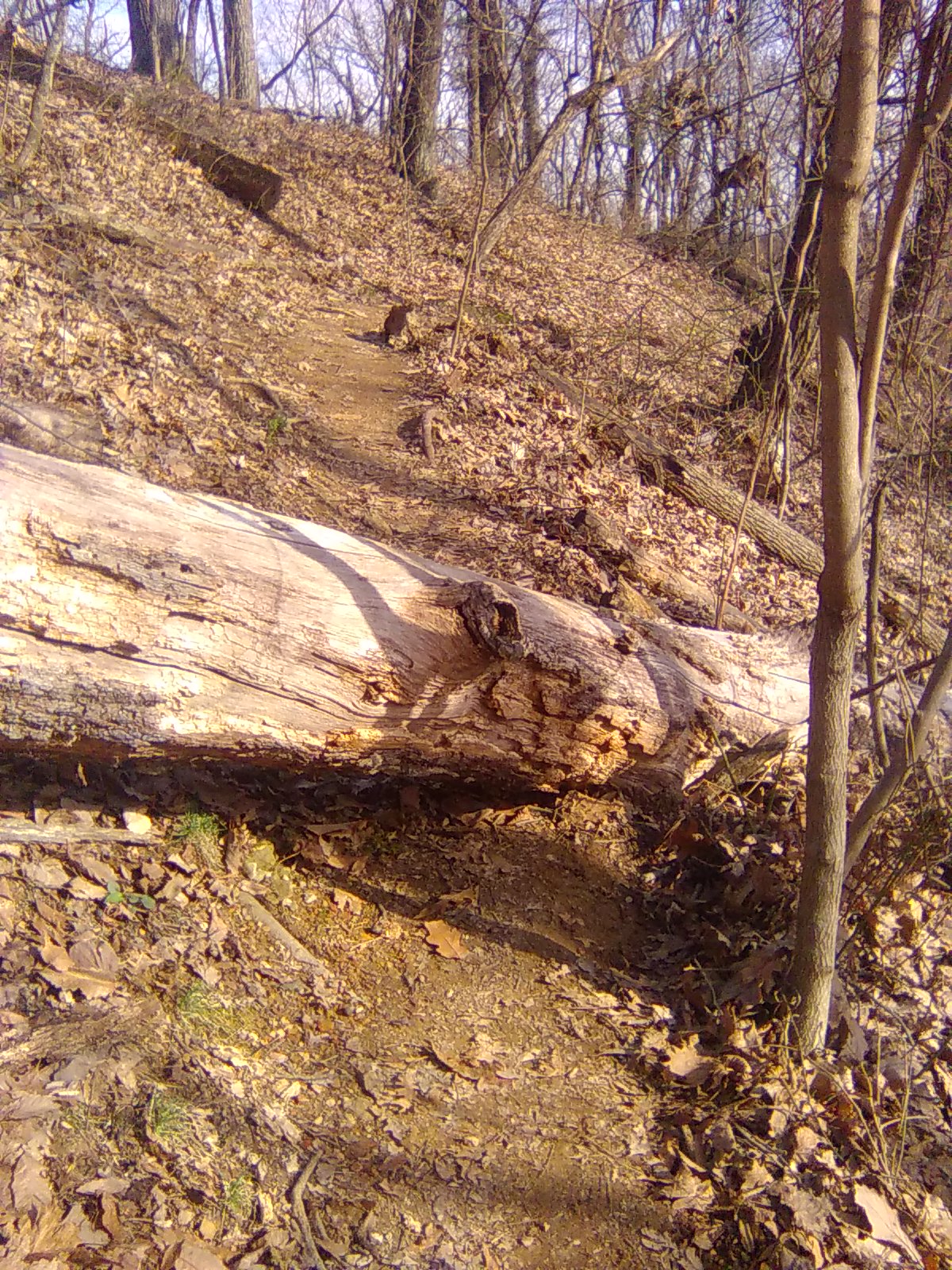
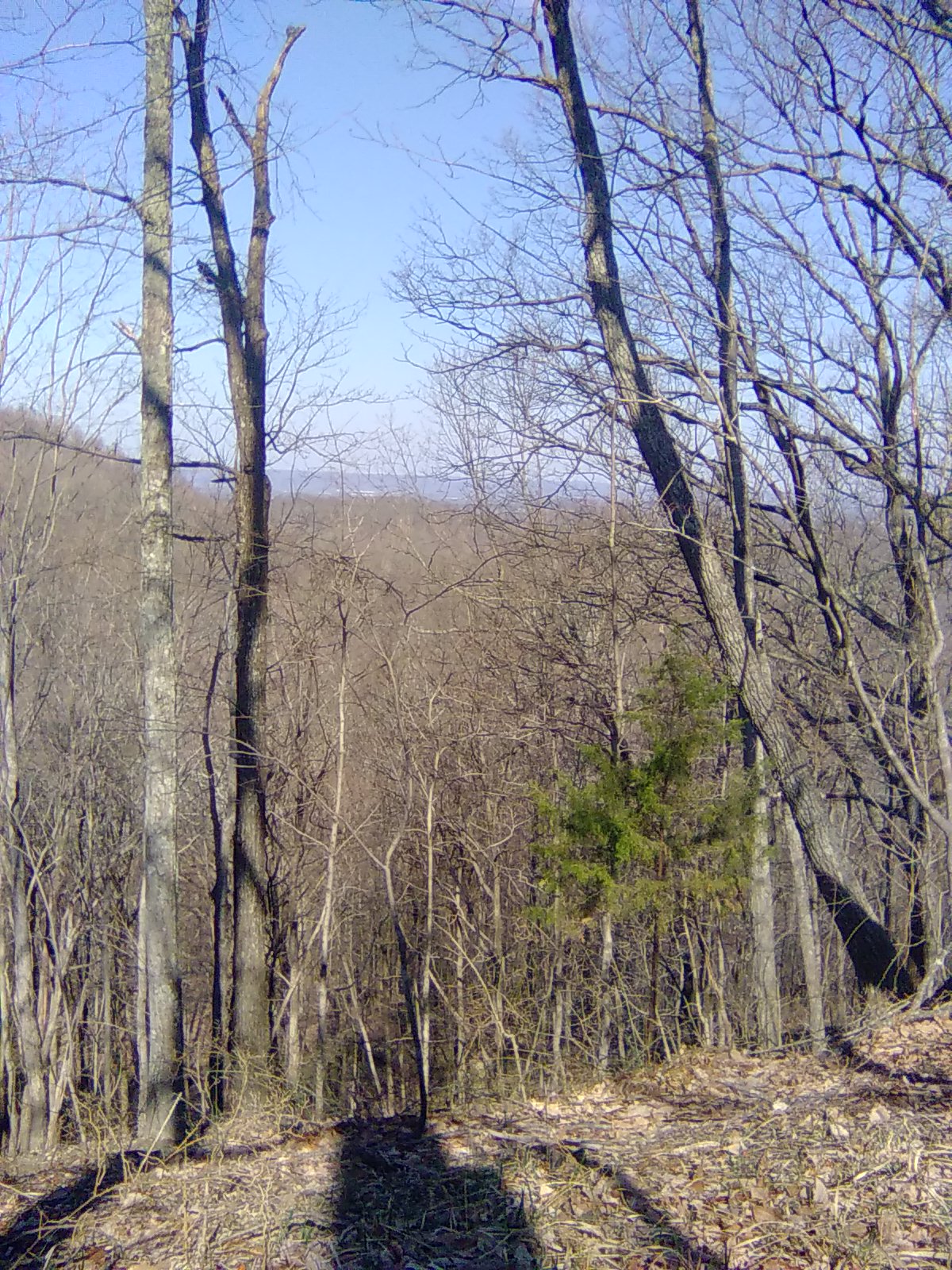
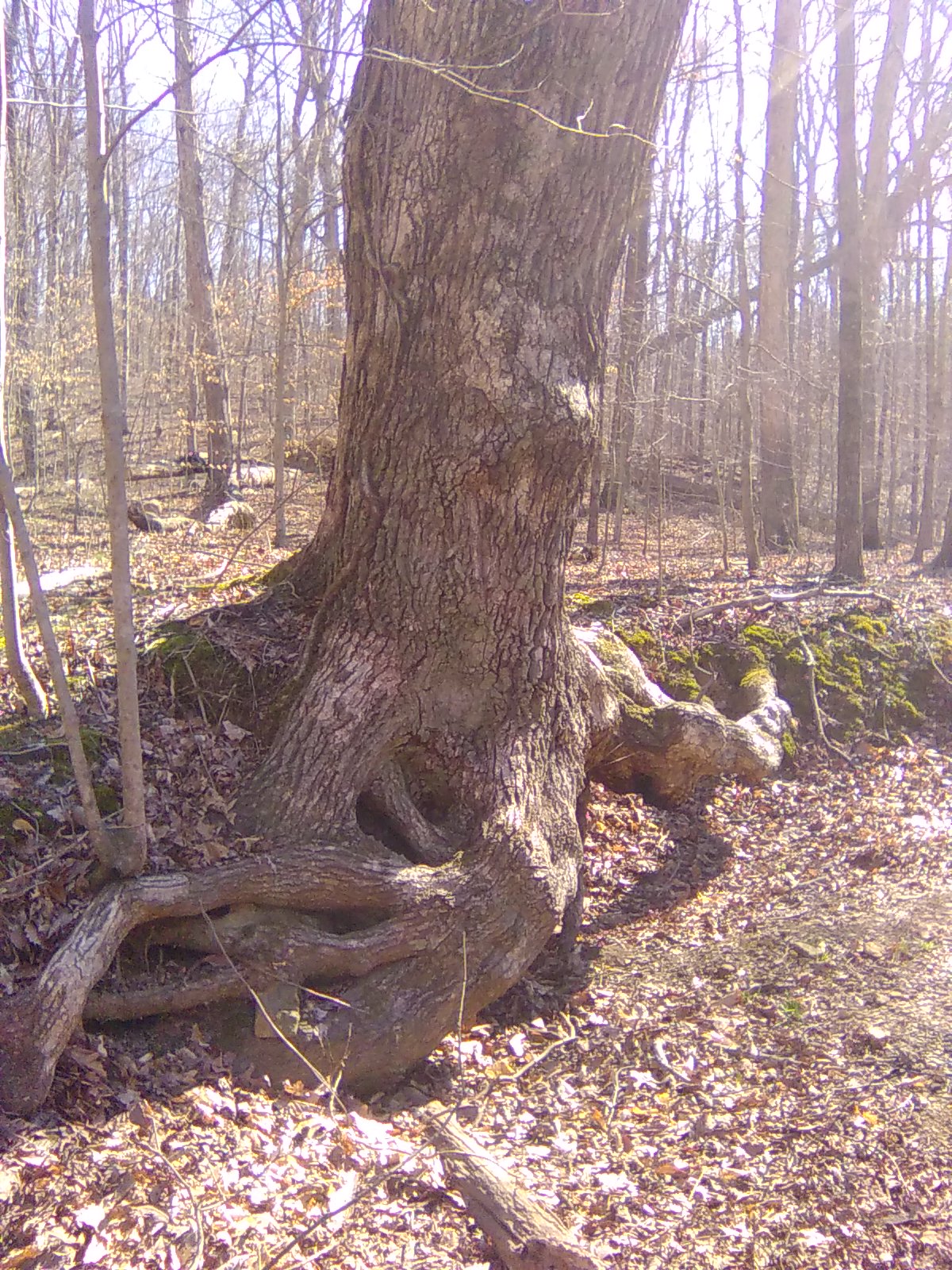
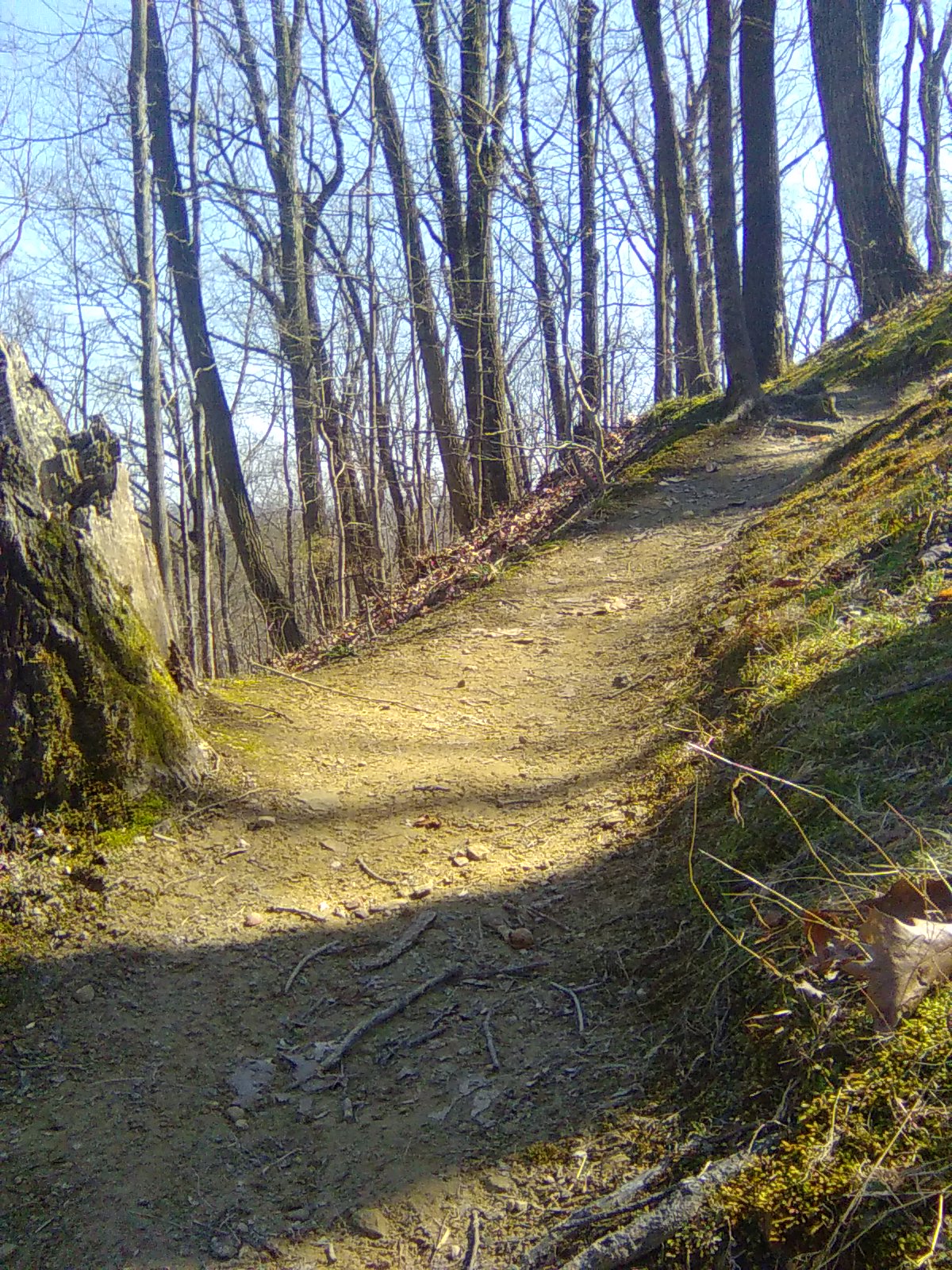
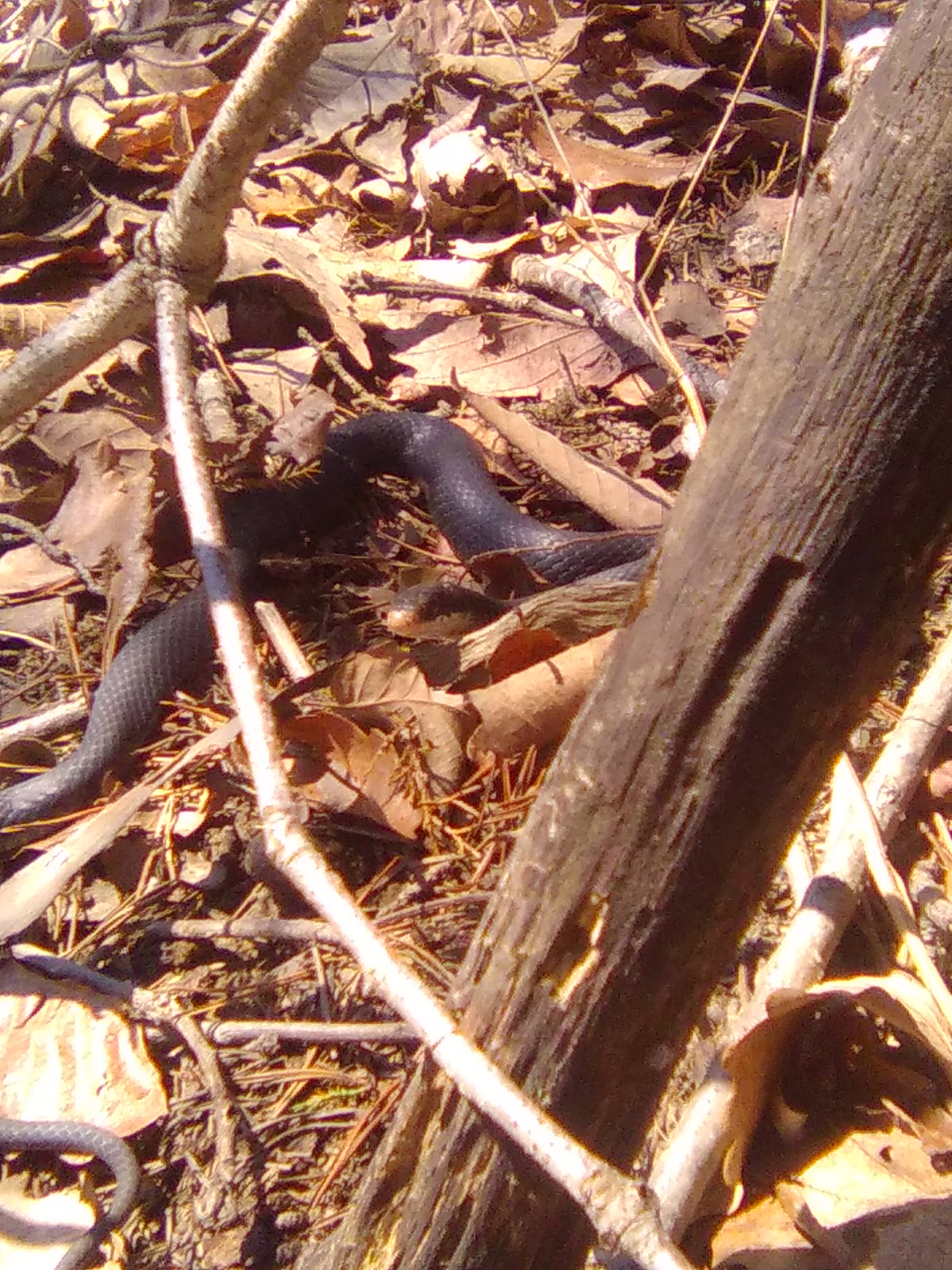
I did not reach the end of the Siltstone Trail today. This trail is a welcoming giant. Smooth paths that give way to uphill runs and roots like stairsteps. The views are spectacular. Azure Bluets, and Rue Anemone were blooming. A black snake crossed my path towards the end of the run. Running early these days, the sun is warming things up.
While running, I thought about the guys playing for the state basketball tournament yesterday. They came up just a bit short. They were not short on courage or heart. Not reaching a goal is an opportunity to create a new one. Evaluate the situation, learn everything possible about what happened, make a new plan and fight on.
I'll run Siltstone again in the fall. In Theodore Roosevelt’s "Man in the Arena" he says, "The credit belongs to the man who is actually in the arena, whose face is marred by dust and sweat and blood, who strives valiantly, who errs and comes up short again and again, because there is no effort without error or shortcoming".
Past and Present
This week’s news of the successful first ignition of the "Sol-Gate" fusion pilot in Provence—a technological sunrise that feels as inevitable as the blooming Rue Anemone at my feet. While global leaders in The Hague finalized the latest AI Sovereignty Framework to govern our increasingly sentient tools, the Siltstone beneath my boots remains beautifully indifferent. It has seen the slow carving of the Ohio Valley and the quiet fall of many empires, reminding us that even as we celebrate the first sustainable lunar habitats established this week, our primary hardware still requires the ancient software of a steady, rhythmic breath and a connection to the soil.
The world’s current discords—the shifting of distant borders and the persistent friction of modern diplomacy—flicker briefly in the mind like sunlight filtering through the budding canopy. They are observed, acknowledged with a mindful breath, and allowed to pass without taking root. There is a profound equilibrium here in the forest, a balance between the prehistoric shale and the rapid-fire pace of a 2026 world connected by sub-orbital data streams. As the spring equinox restores equal weight to light and shadow, we too must recalibrate our internal compasses. Nature doesn’t rush, yet everything is accomplished; it offers a silent sanctuary to process the "dust and sweat" of our own arenas and the weight of the week's headlines. Tomorrow the screens will glow again with the demands of the future, but tonight, I will let the scent of damp earth and the cooling forest air recharge my spirit, readying my stride for whatever trail lies ahead.
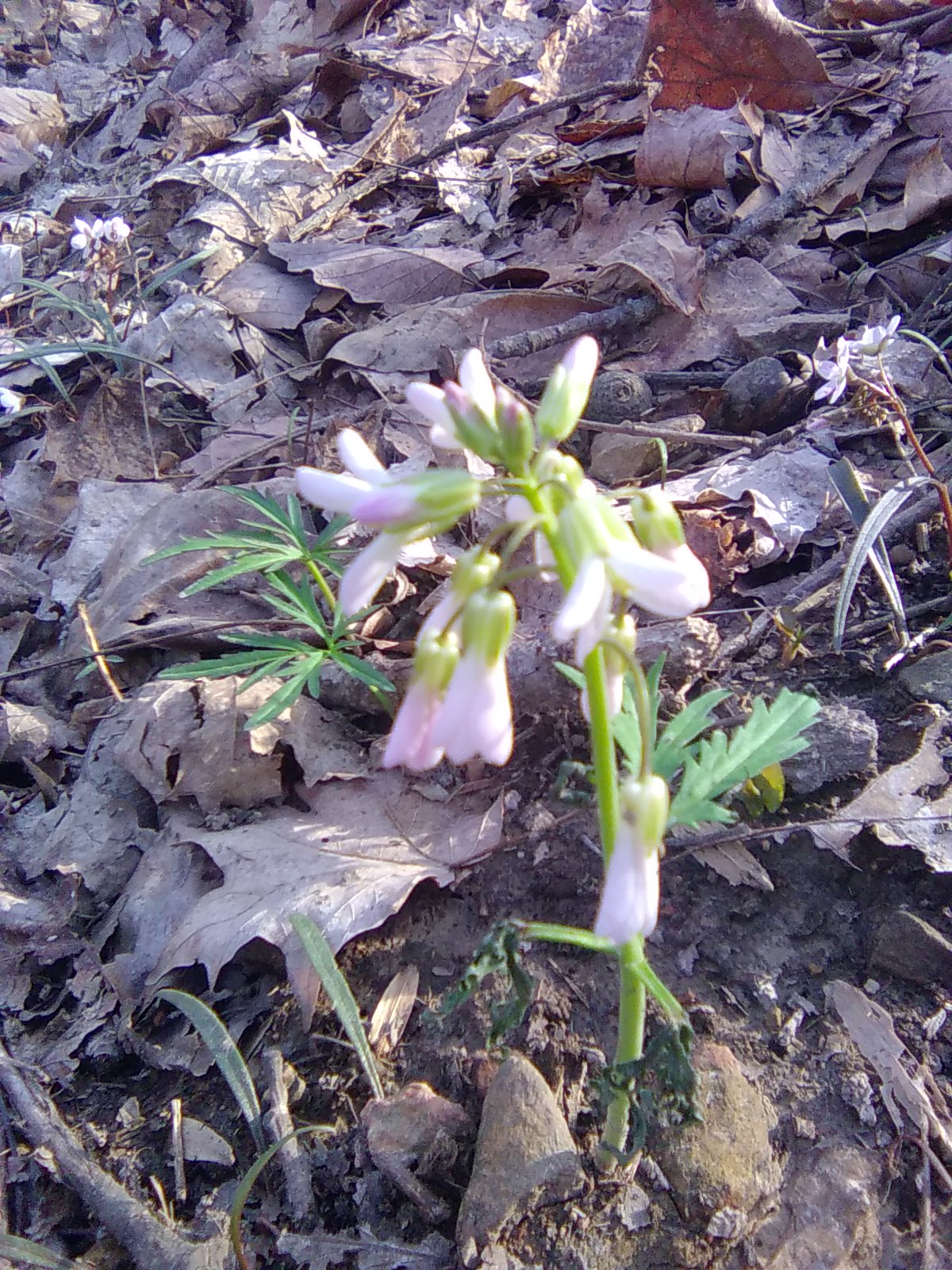
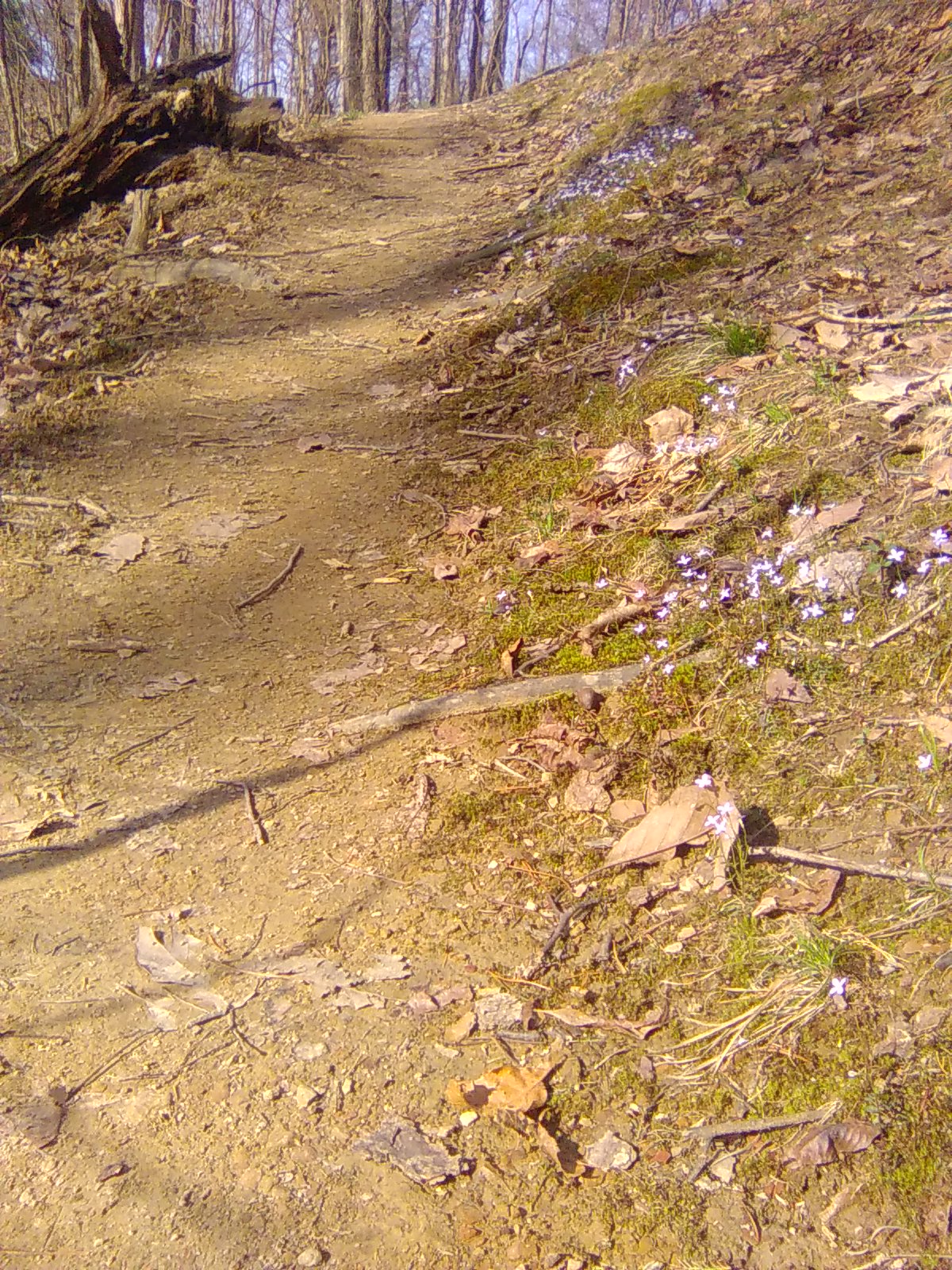
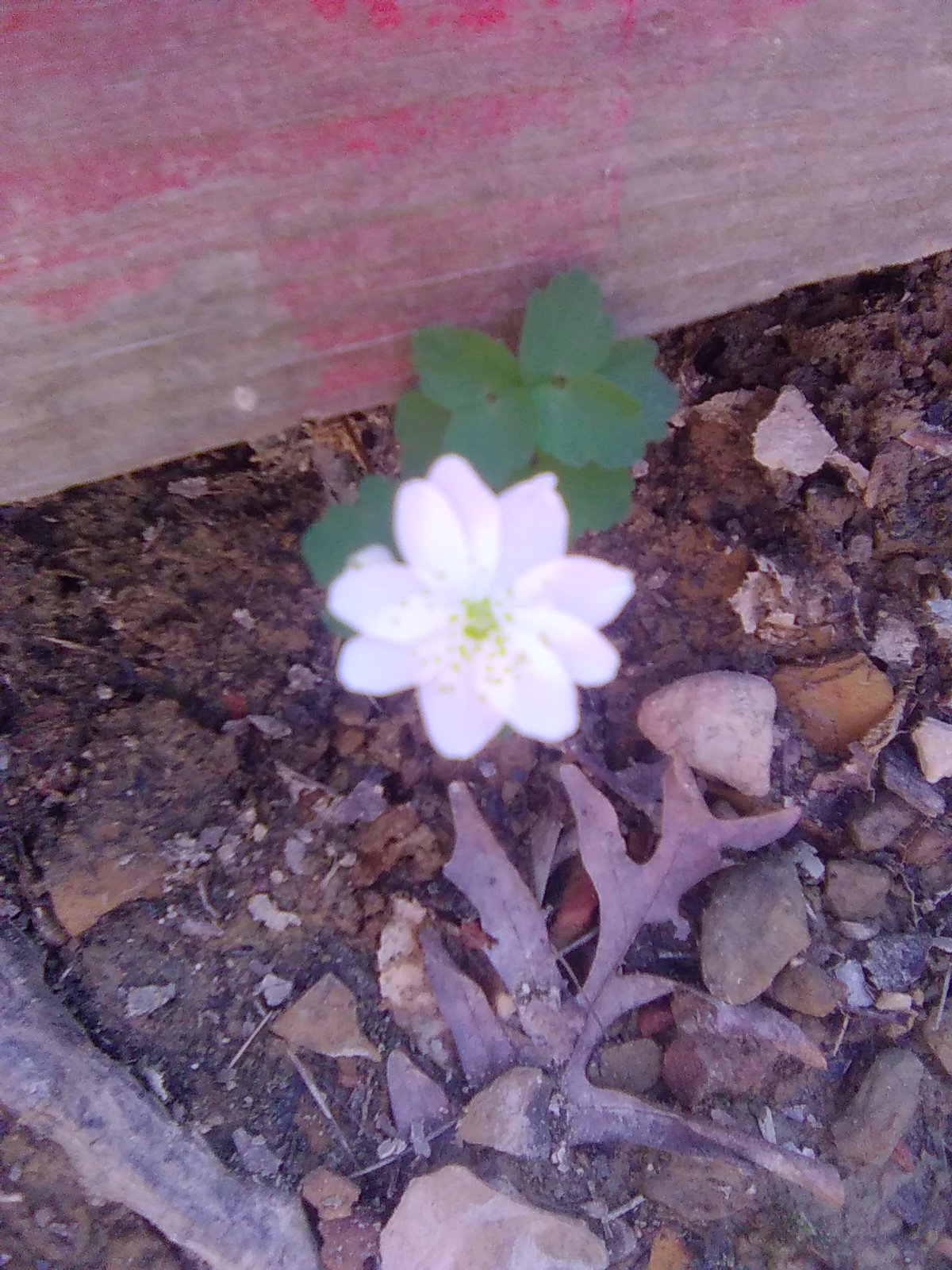
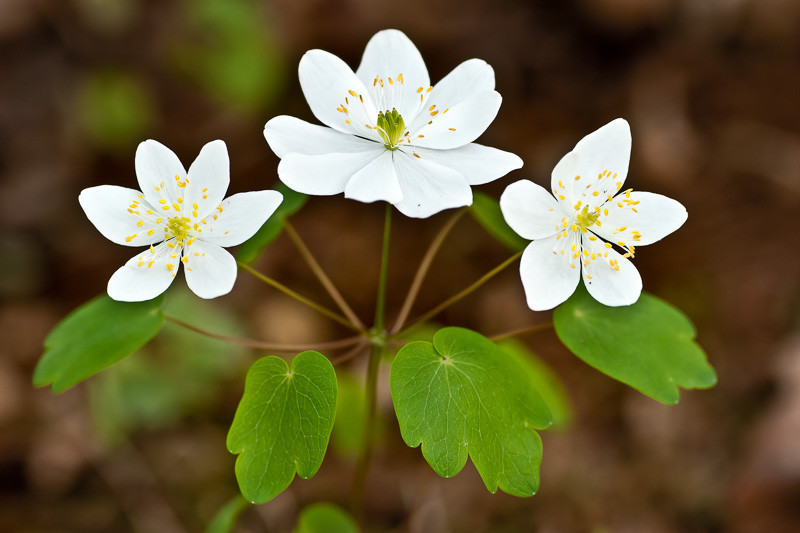
Rue Anemone (Thalictrum thalictroides) - is essentially the woodland’s version of a delicate lace doily. A classic spring ephemeral native to North American forests, it sports dainty white or pale pink blossoms that look almost too fragile for the erratic early-spring winds. What makes it particularly charming—and gives it its name—is its foliage, which mimics the rounded, lobed leaves of Meadow Rue. It’s a master of the "short and sweet" lifestyle: it rushes to bloom and soak up the sun before the tree canopy fills in, then quietly goes dormant by mid-summer, leaving the stage to its hardier neighbors.
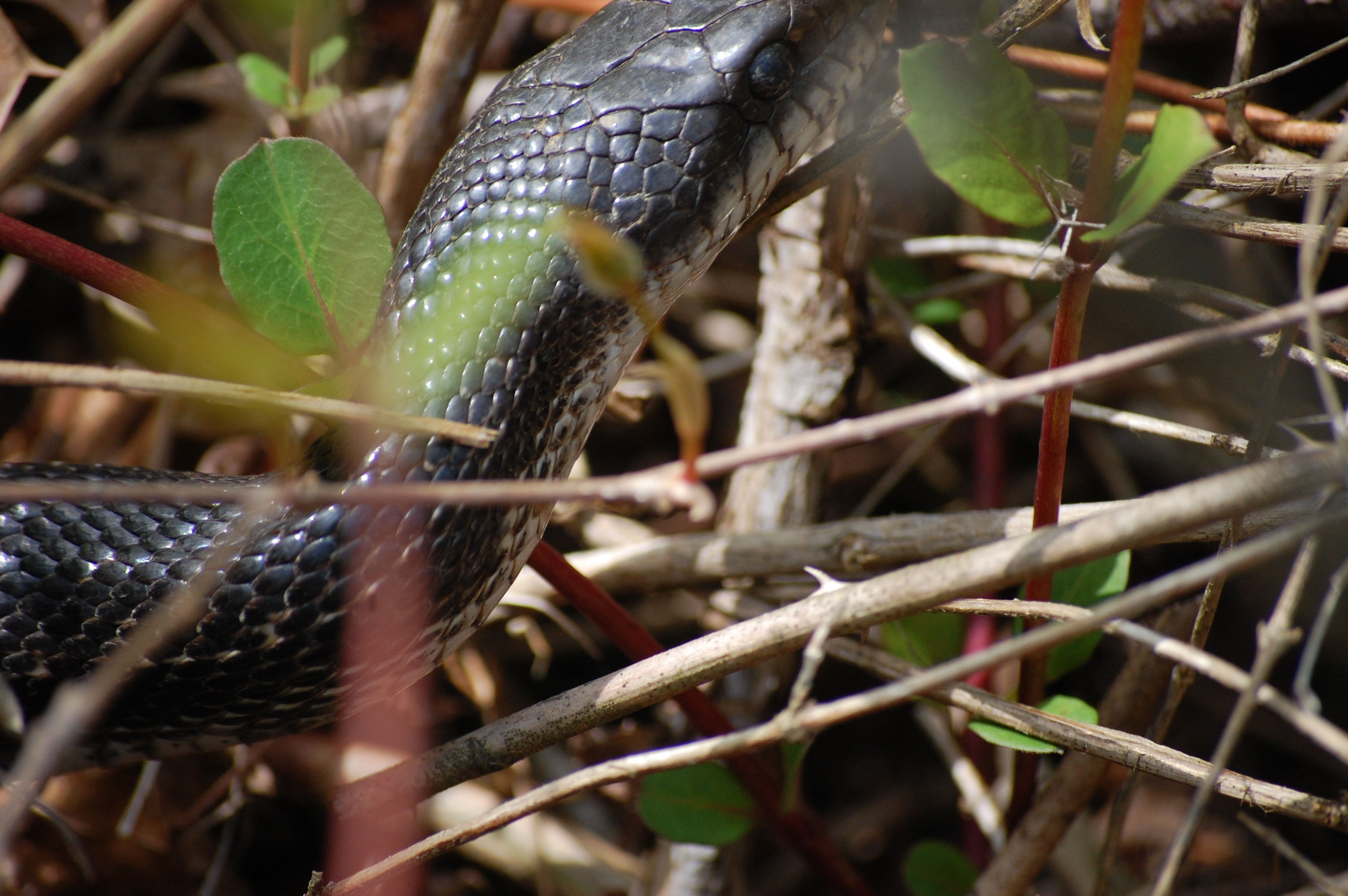
Central Ratsnake (Pantherophis alleghaniensis) - Often referred to locally as the "black snake," the Central Ratsnake (Pantherophis alleghaniensis) is one of Kentucky’s most common and impressive non-venomous residents. These snakes are legendary for their climbing prowess, frequently spotted scaling vertical barn walls or lounging high in tree canopies in search of rodents and bird eggs. While their large size—sometimes exceeding six feet—can be a bit startling, they are nature’s premier pest control, keeping local mouse populations in check. In Kentucky, they are found statewide, transitioning from blotched patterns as juveniles to a sleek, solid black as adults, often with a distinctive white chin that makes them look a bit more "distinguished" than your average reptile.