Squire Boone Bottoms
"Life flows in so many different ways... It goes in waves, and it changes, and you just kind of ride along." — Jim James
5/10/2026 - 60° Sunny


Happy Mother's Day! This is a great little trail that starts from the Ben Stout House parking lot and loops past Floyds Fork and Turkey Run creeks. I ran it counter clockwise on the first lap. I never noticed the little bridge on the Turkey Run side, not far from the parking lot. I took the steps to the Wild Hyacinth Trail and met a friend walking the opposite direction. I explored down by the creek. There is always this one rock I see that has all these fossils on it (Brachiopods, Bryozoans, Crinoids). I'm not sure why I remember that rock, as there are tons of fossil rocks like it along the creek, but I connect with that one. Some nice Christmas Fern along the way.
I took another trip counter-clockwise around the Bottoms and was rewarded with a Indigo Bunting near the parking lot. These birds travel up from the south arriving in Louisville around May to party, show off and find a date.
Past and Present
Standing near the stone walls of the Ben Stout House, you can’t help but think about Squire Boone himself—a man who was as much a restless innovator as he was a woodsman. He spent his life surveying these very bottoms, likely stepping over the same ancient crinoids I admired today while carving out a new future for Kentucky. While Squire was busy perfecting the frontier technology of his time, our modern world is busy carving out a different kind of path. Just this week, a Buddhist temple in South Korea introduced Gabi, a robot programmed to chant and guide meditation—a digital evolution of the quiet contemplation I found along the creek. And while those fossil rocks remind me of life’s deep past, science is reaching for a much longer future; researchers just announced they've successfully transferred longevity genes to extend lifespans, a scientific breakthrough that would have surely fascinated the pioneering spirit of the Boone brothers.
The air in the Parklands feels charged this week, mirroring the busy energy on the global stage. Between the flurry of diplomatic summits and the brief, sobering updates on distant world conflicts, it’s refreshing to return to the simple "politics" of the forest—where the Indigo Bunting’s only concern is his vibrant plumage and the Christmas Fern just wants its patch of limestone soil. As our world leaders navigate the complexities of international trade and the rapid growth of artificial intelligence, these woods offer a sense of timelessness that feels more necessary than ever. It’s the perfect setting for a weekend focused on the people who ground us. To all the moms who have ever wiped a muddy face after a creek walk or pointed out a fossil to a curious child: Happy Mother’s Day. You are the original explorers and the true anchors of our world.


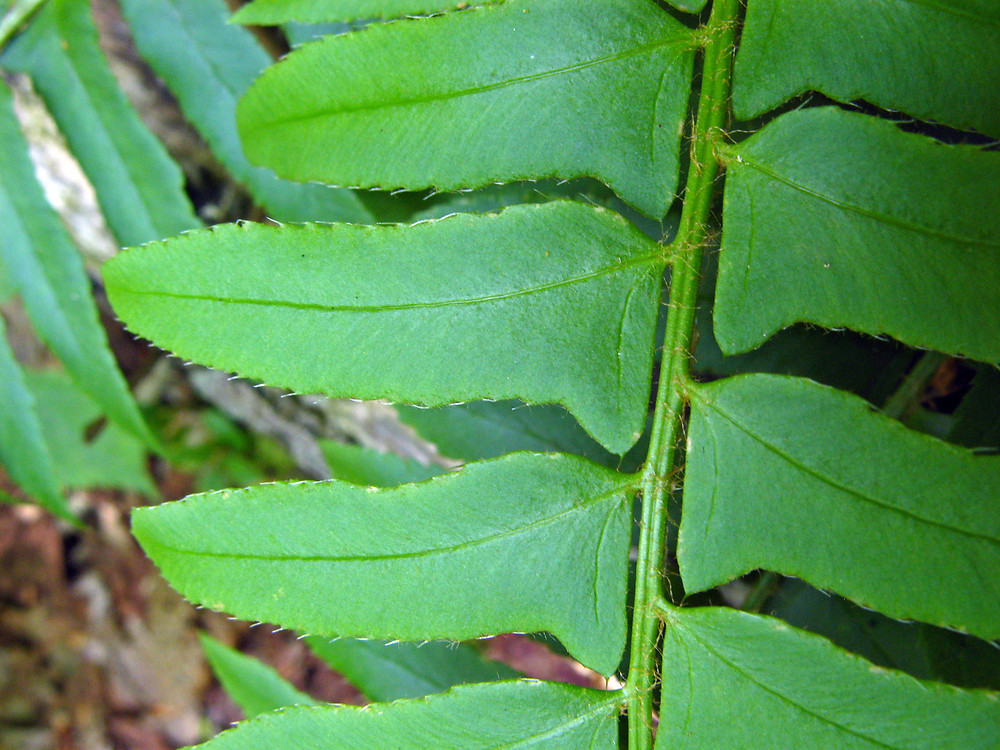
Christmas Fern (Polystichum acrostichoides) - Serves as a rugged, year-round anchor for the forest floor. These ferns thrive in the lime-rich, alkaline soils provided by the ancient fossil beds found throughout The Parklands, often huddling in clumps to help stabilize steep creek banks against the Kentucky rain. Best known for its leathery, evergreen fronds that offer a splash of emerald against the gray winter woods, its name is a charming double entendre: it was a historical favorite for holiday decorations, and each individual leaflet bears a distinctive "thumb" that makes it look like a miniature Christmas stocking. Whether it’s the height of summer or a snowy morning in December, this hardy native is a constant companion on the local trails, proving that even in the plant world, some things never go out of style.
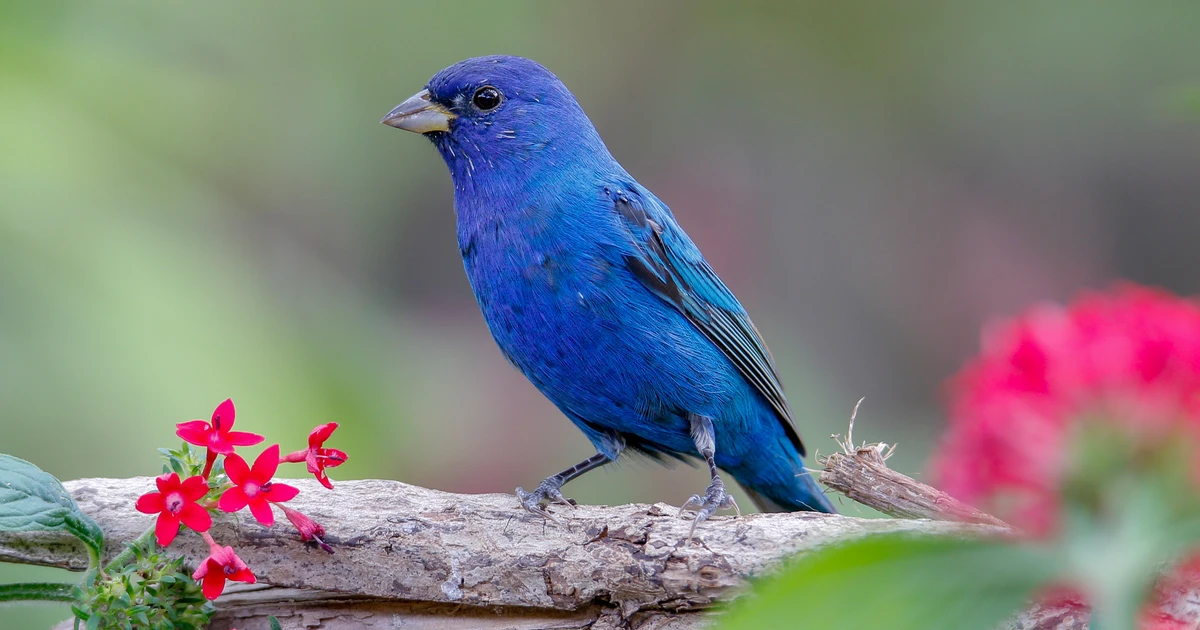
Indigo Bunting (Passerina cyanea) - Every May, Louisville’s "edges"—the brushy borders where the deep forest meets the sun-drenched paths of The Parklands—are set ablaze by the electric plumage of the Indigo Bunting. Often called "blue canaries" for their tireless, paired-note songs, these tiny migrants are a masterclass in optical physics; their feathers contain no actual blue pigment, instead relying on microscopic structures to scatter light into that signature neon hue. For hikers on the Boone Bottoms or Wild Hyacinth trails, spotting a male bunting is a seasonal rite of passage, marking the exact moment when the Kentucky landscape shifts from the soft pastels of early spring into the deep, vivid saturation of summer.