Valley of the Giants Trail
"Someday we'll look back and smile And know it was worth every mile" — Chris Stapleton
9/27/2026 - 75° Sunny
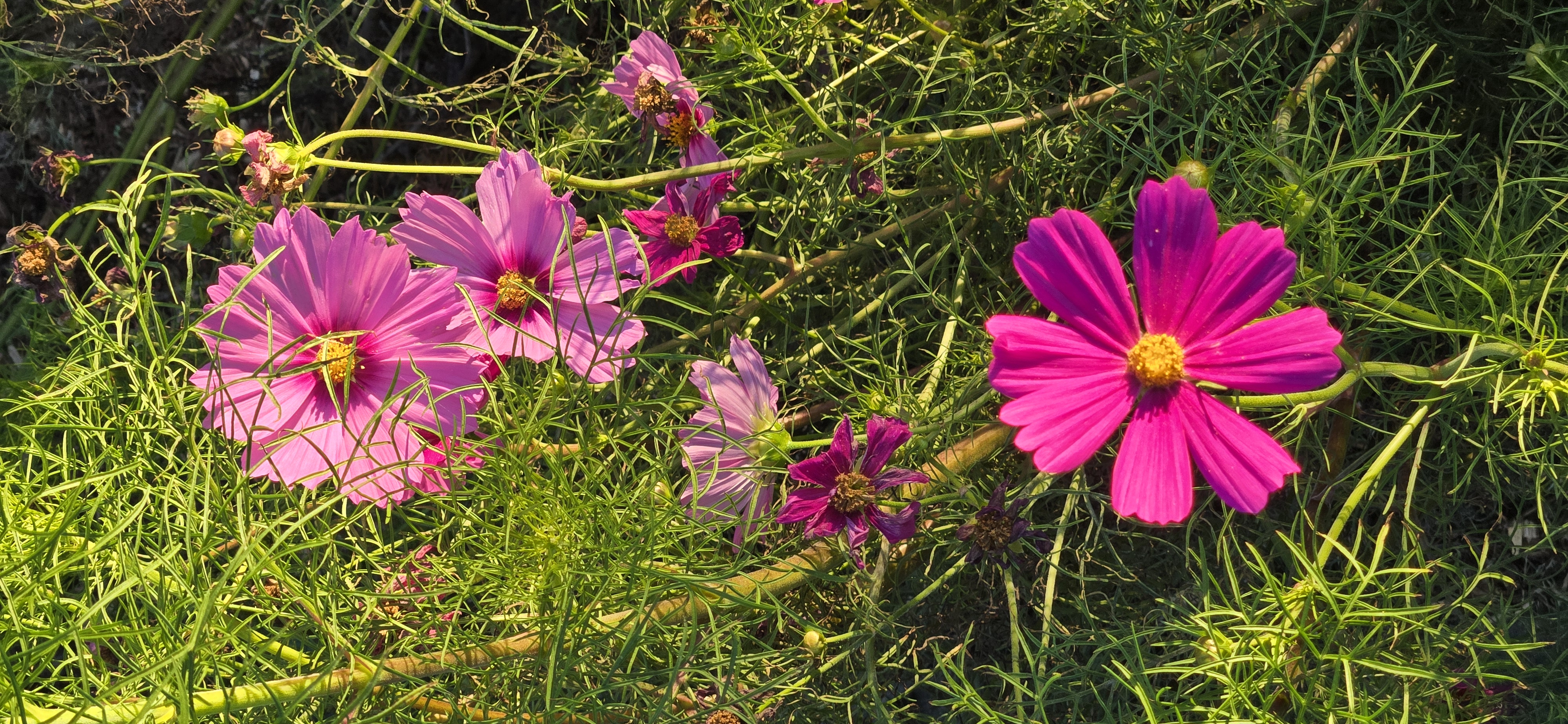

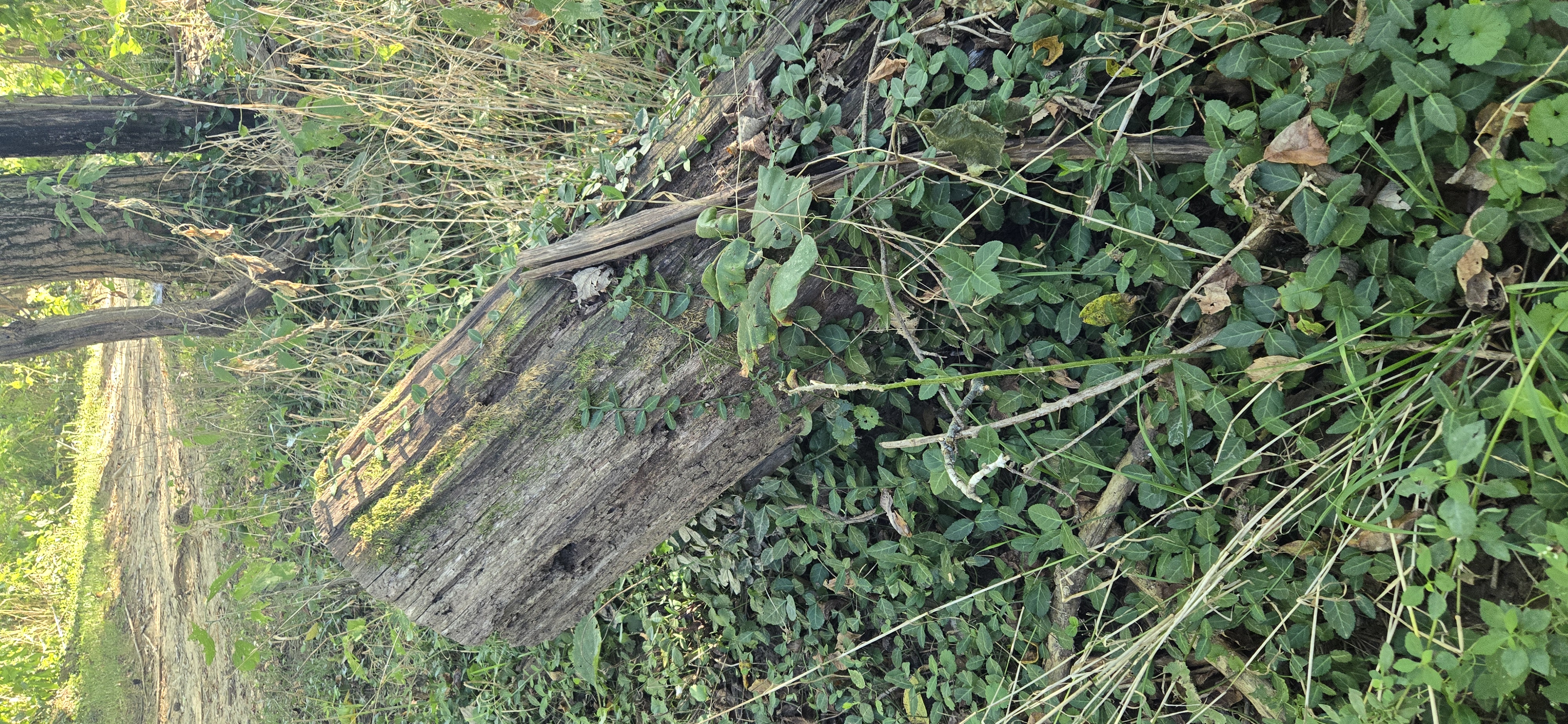
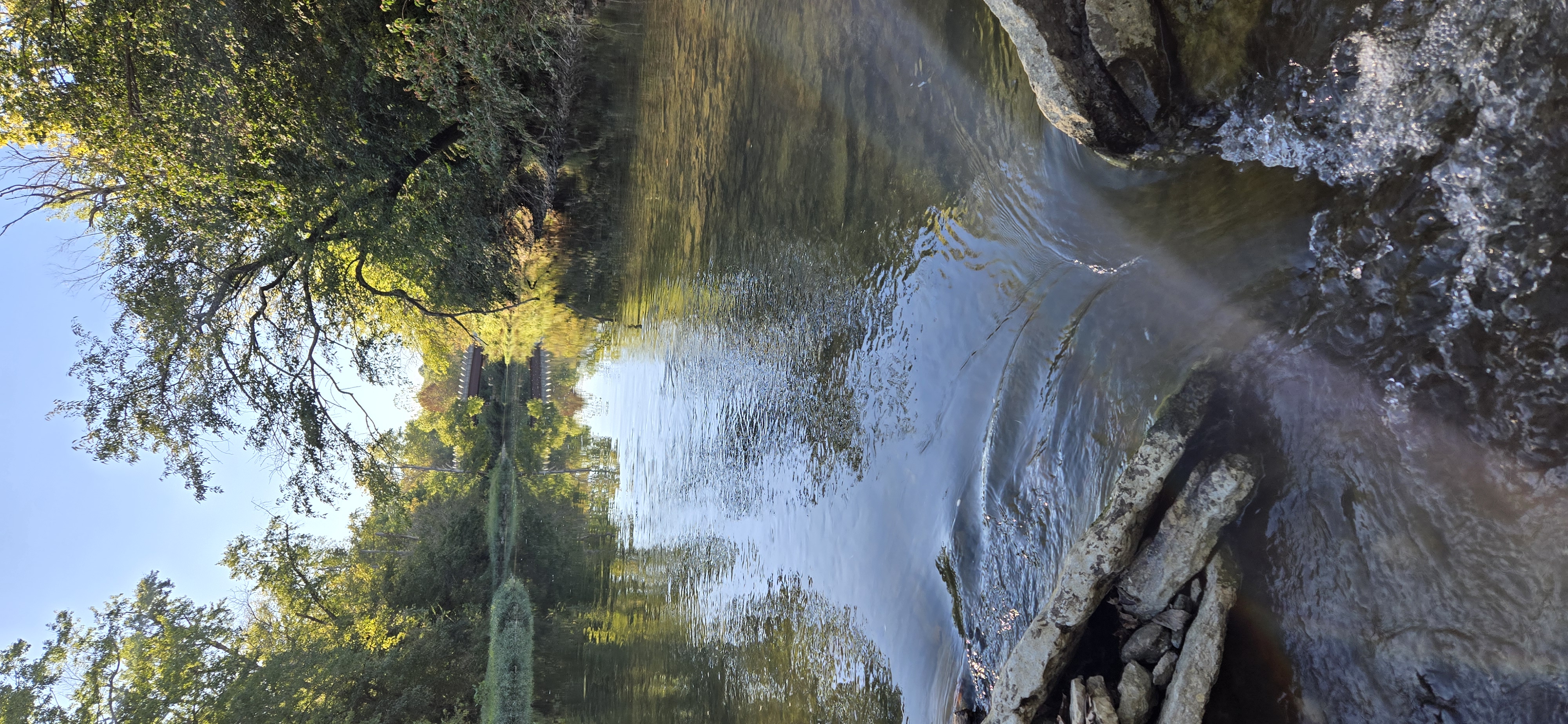
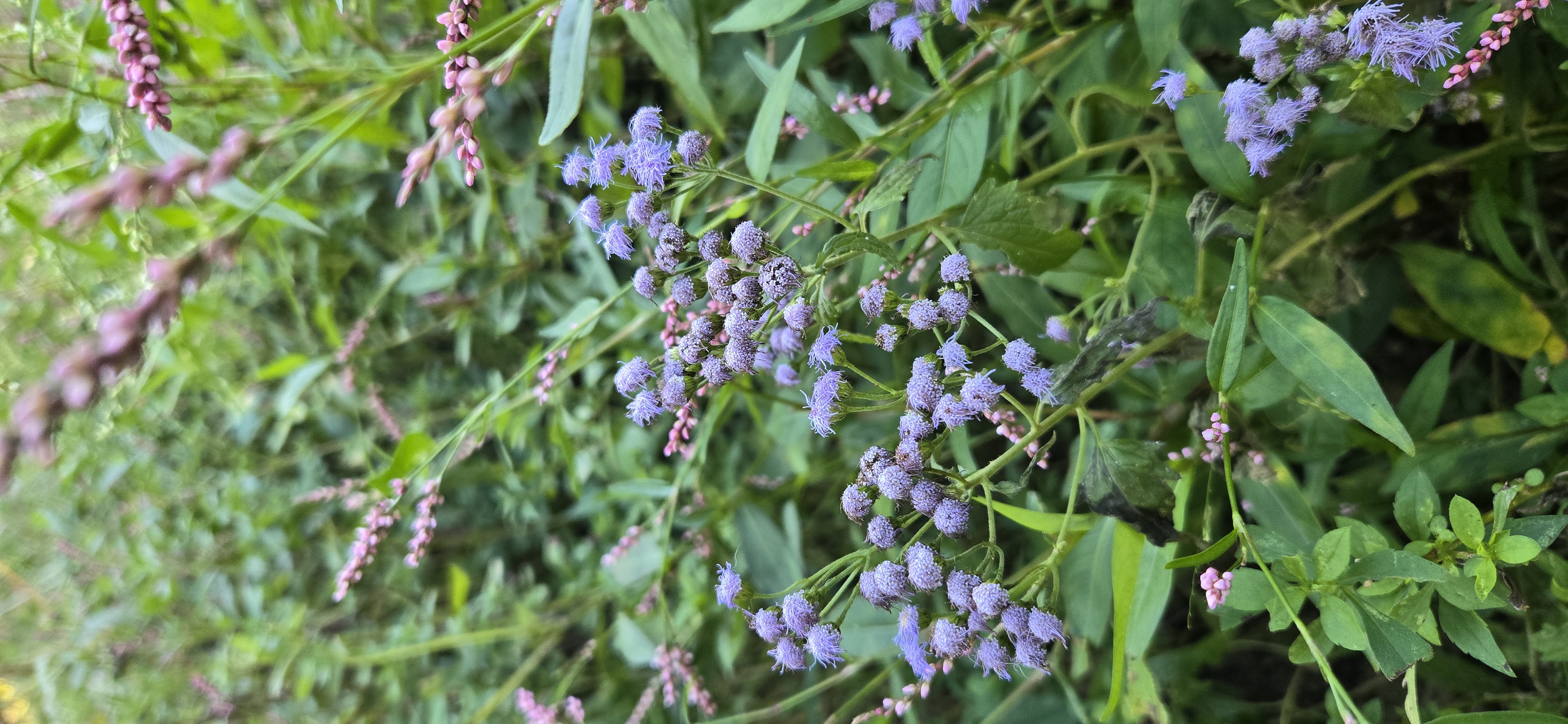
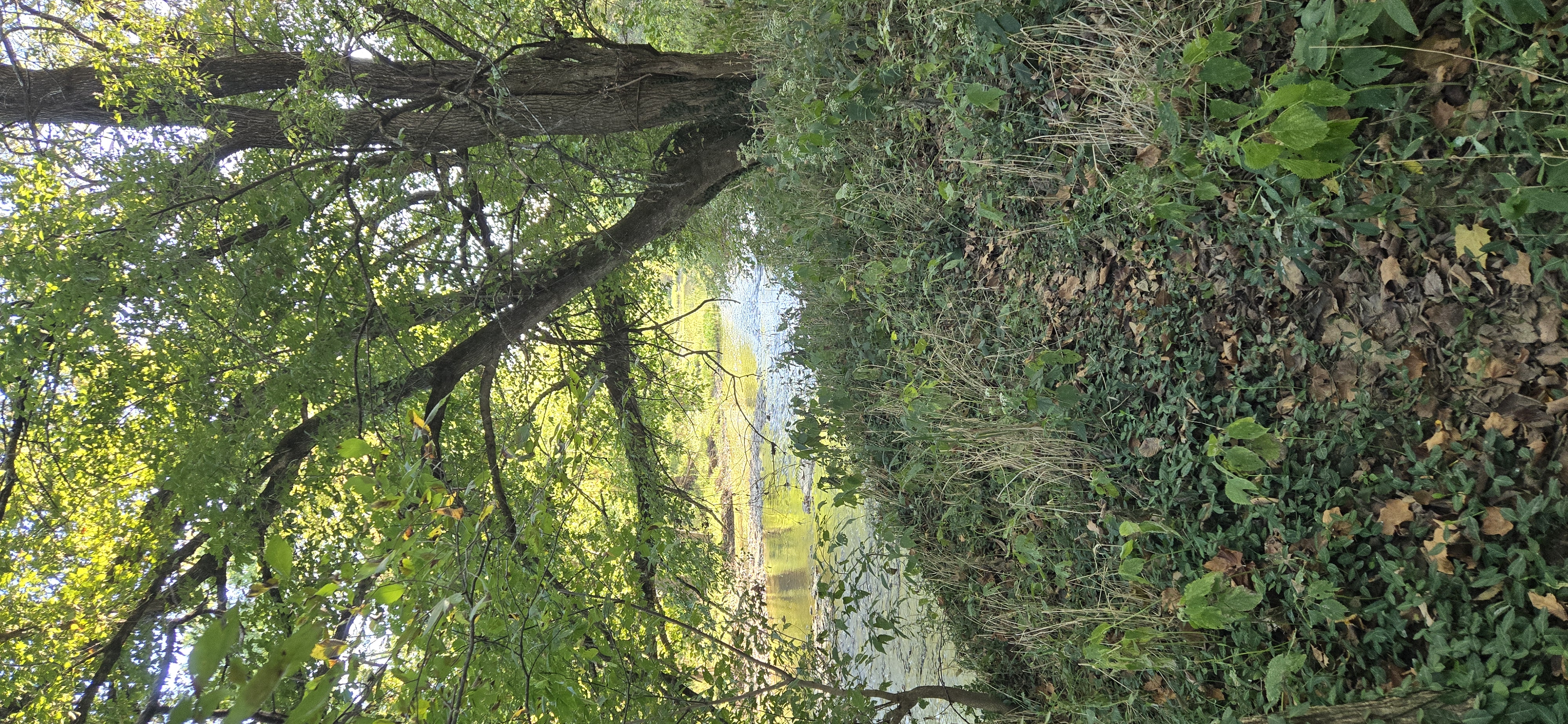
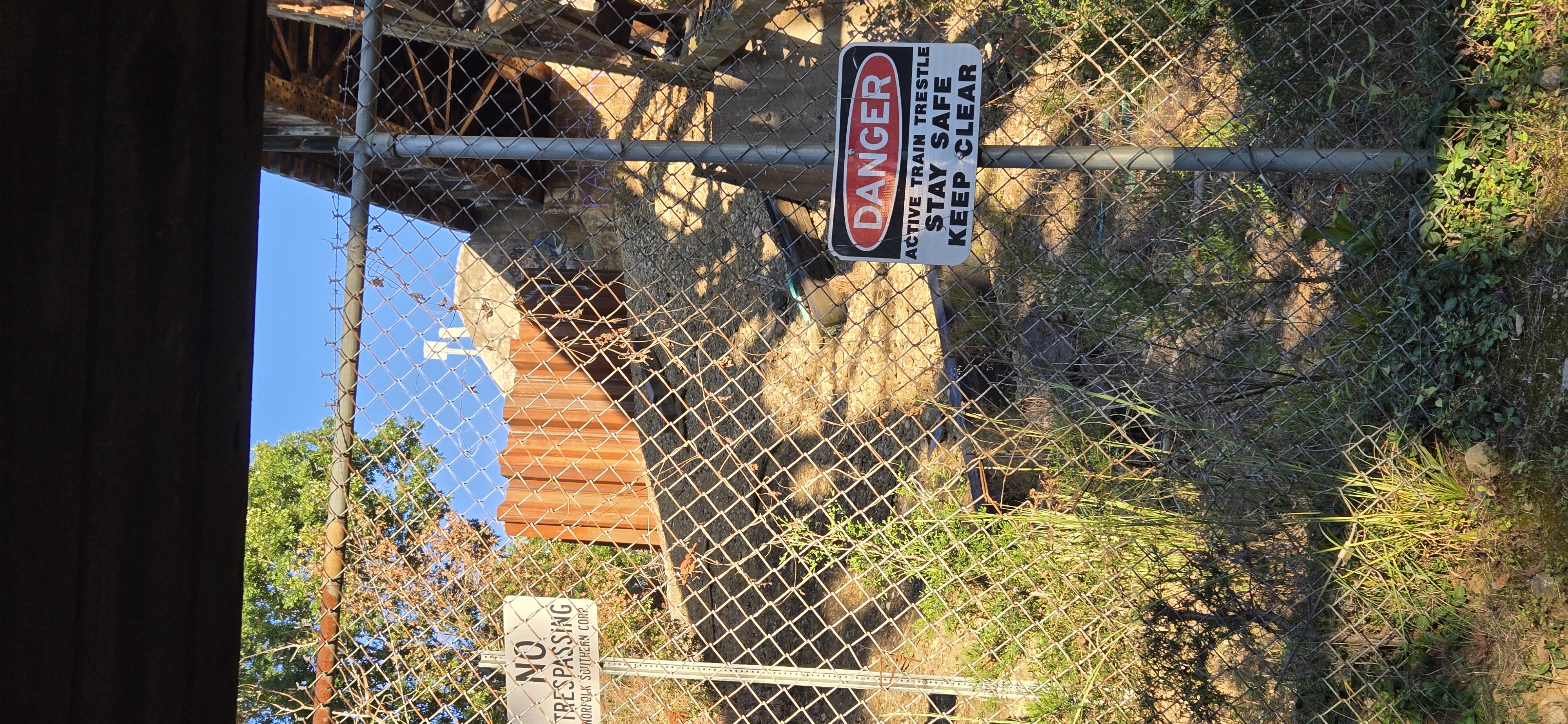
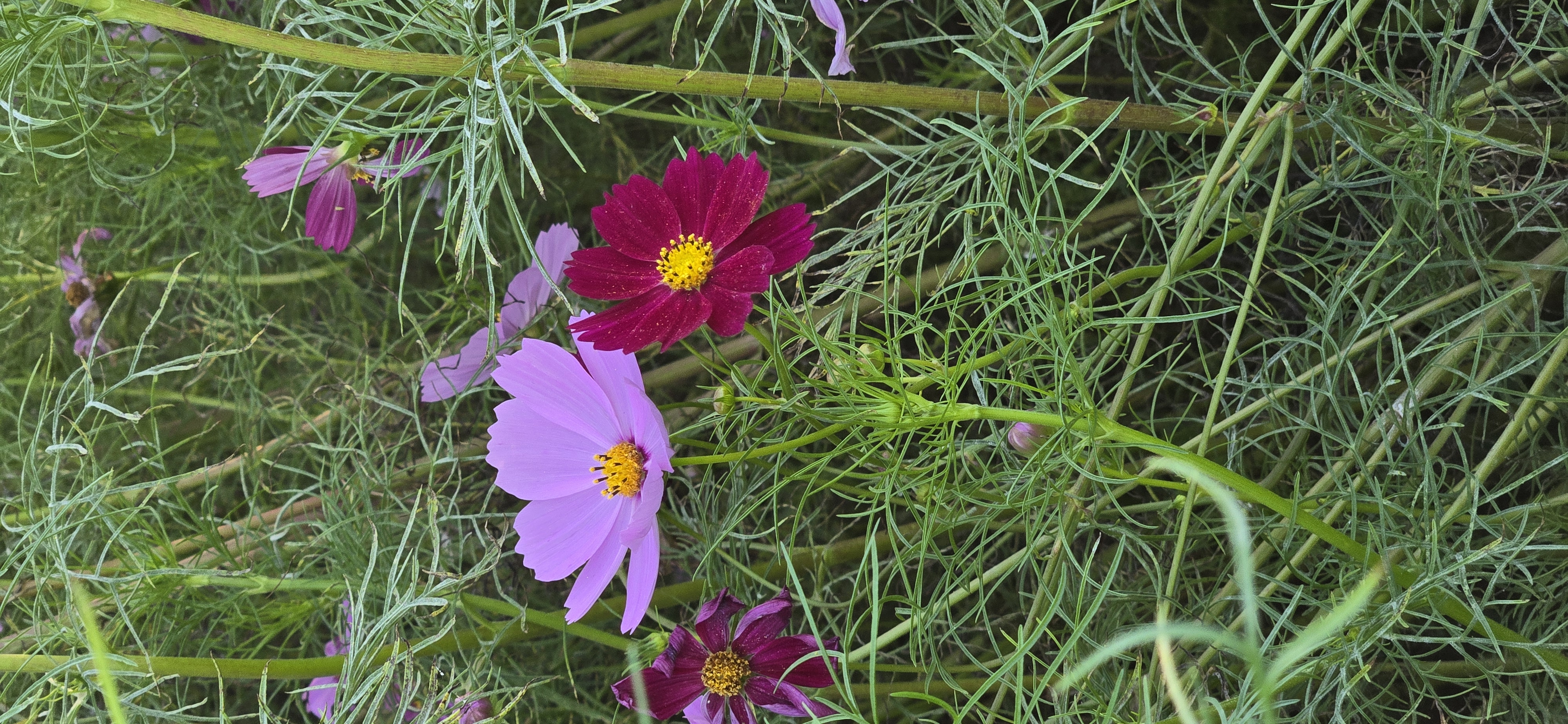
Legs were heavy from being at Bourbon & Beyond yesterday. I started at the trestles and ran the loop into Beckley. Bits of fall were peeking out on the Giants Trail. Some great little cascades on the creek. Flowers like the Sneezeweed and Blue Mistflower were still holding on to summer. Got in a good sprint back up the hill coming out of Beckley. Ran out of gas at the top. The Cosmos near the parking lot were a nice send off.
Past and Present
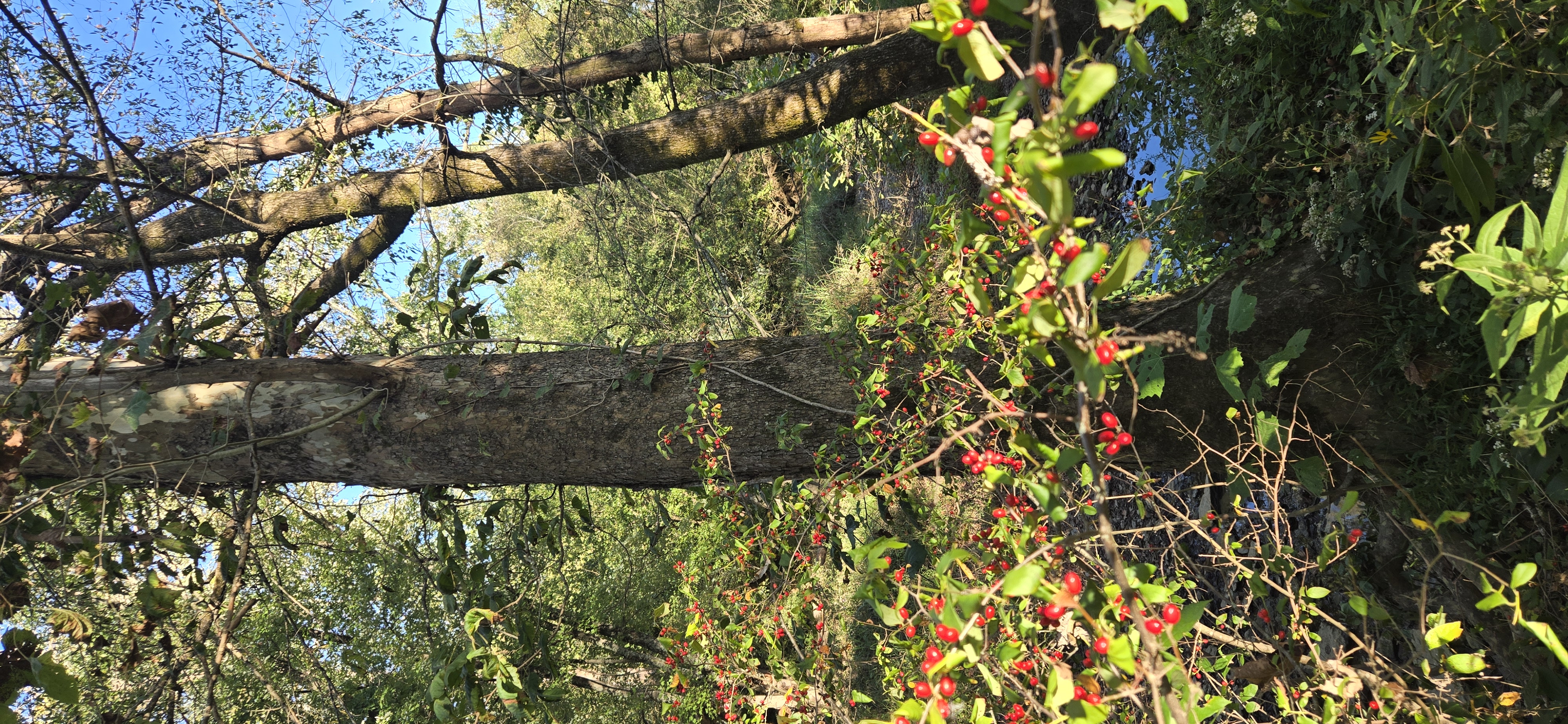
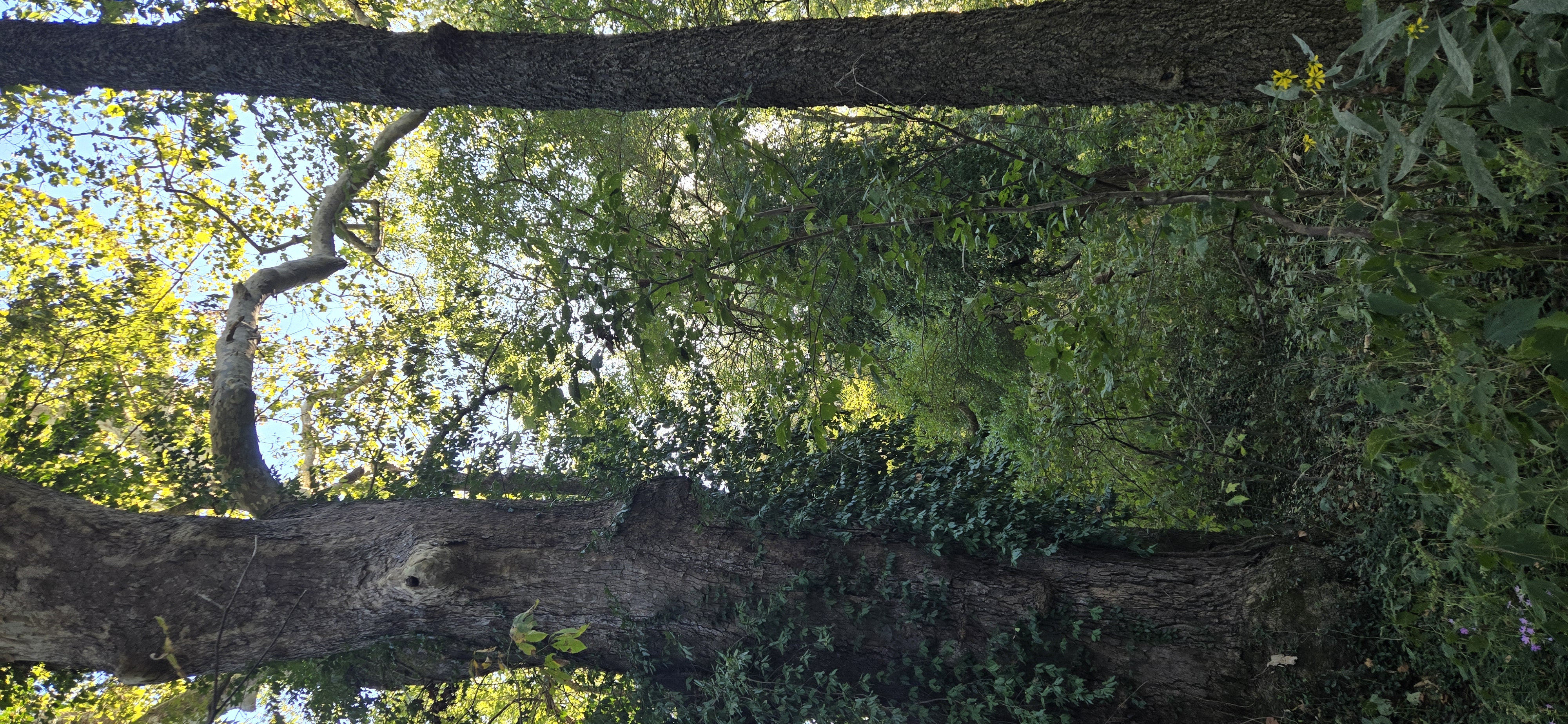
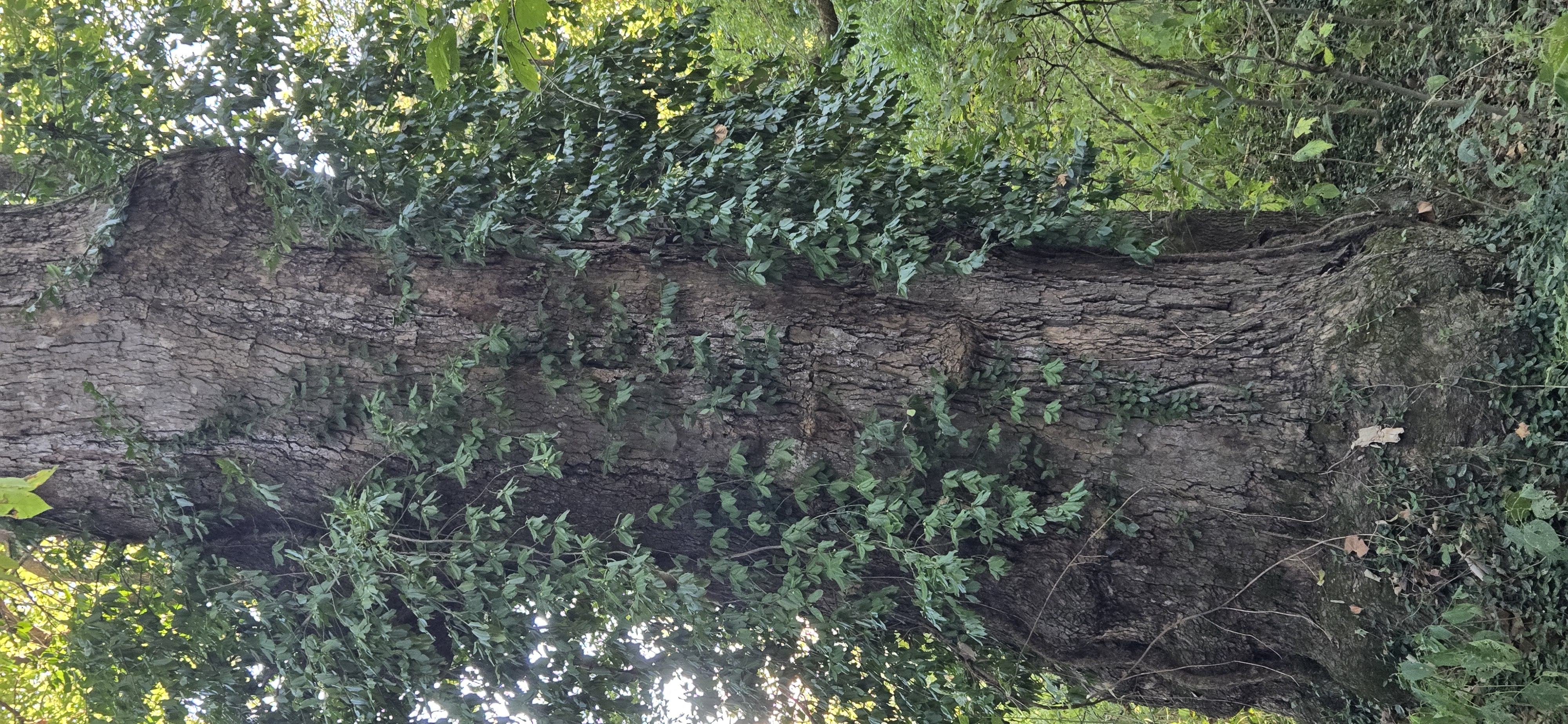
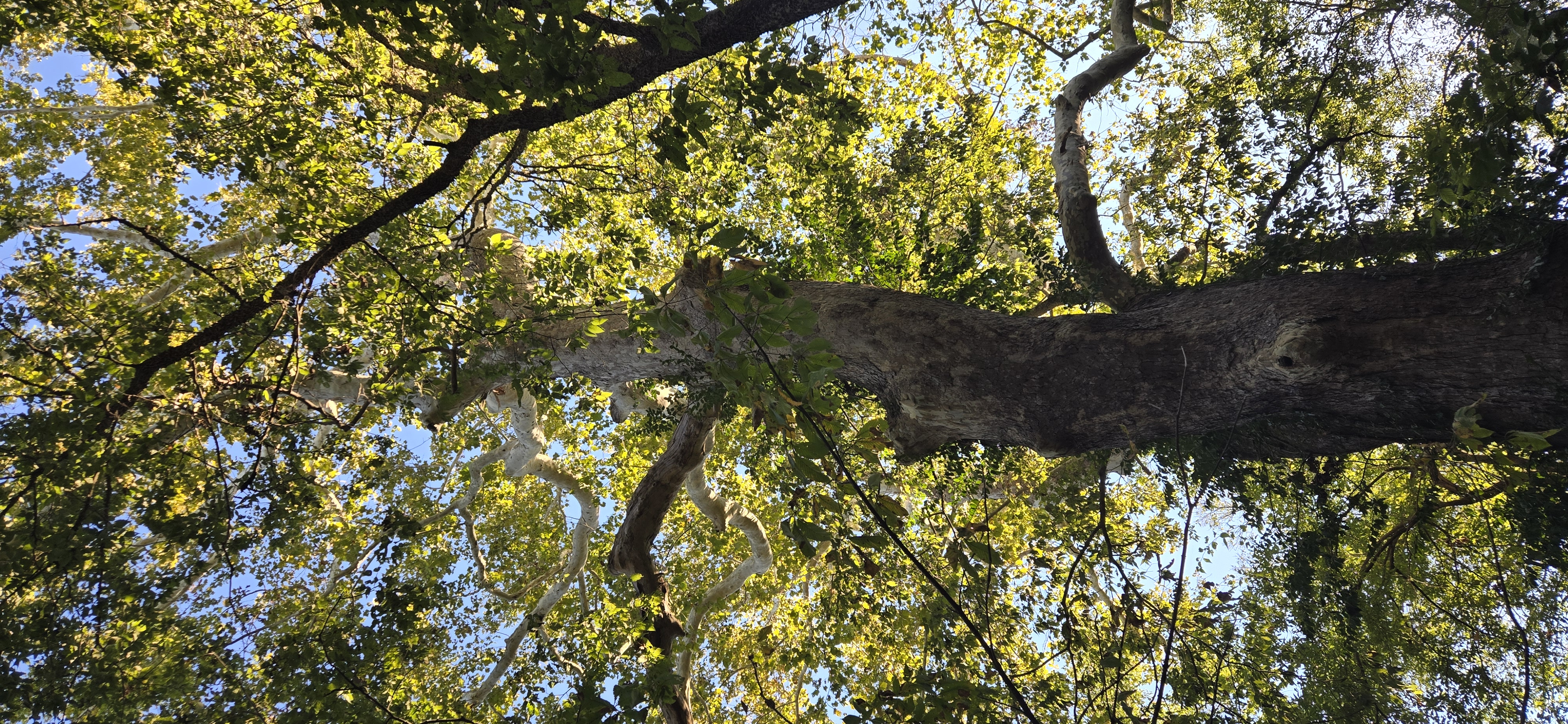
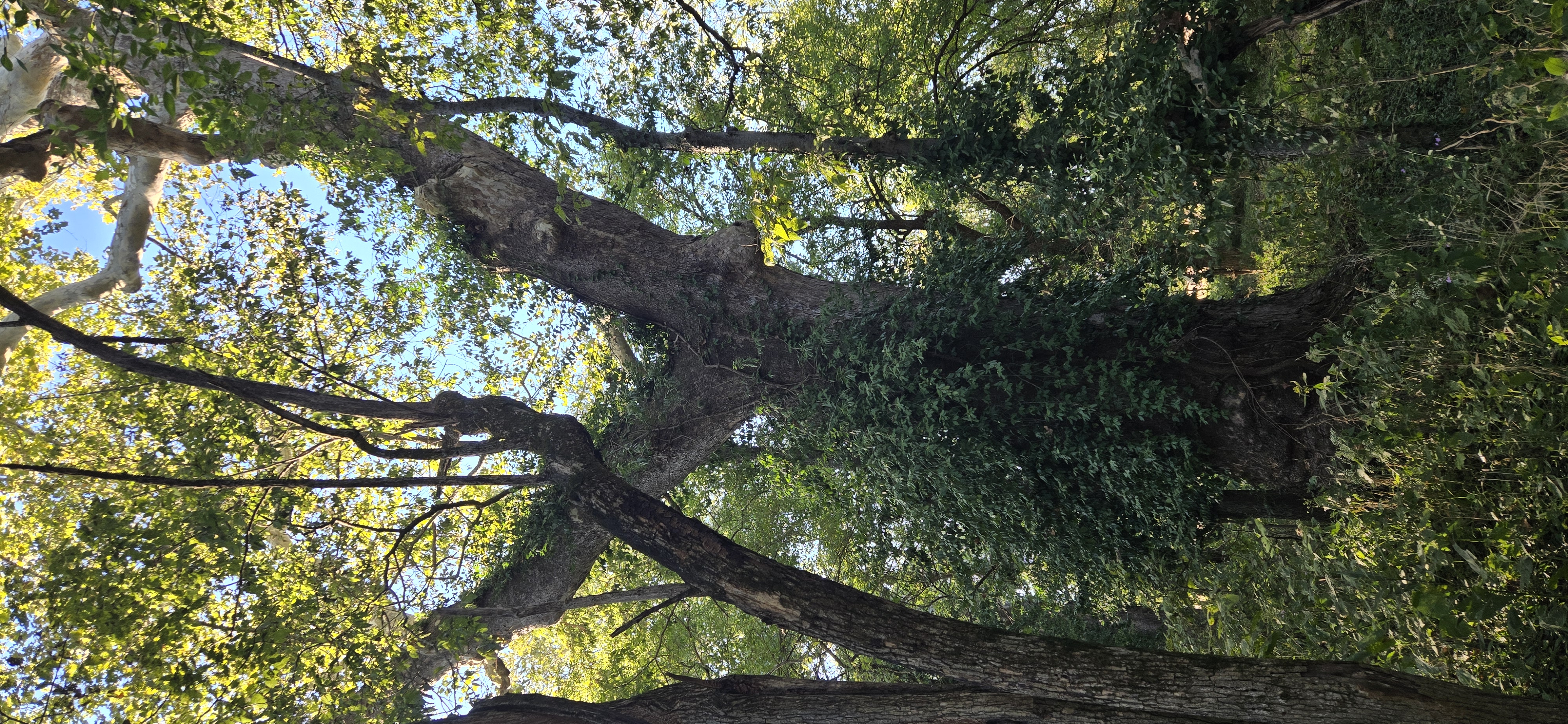
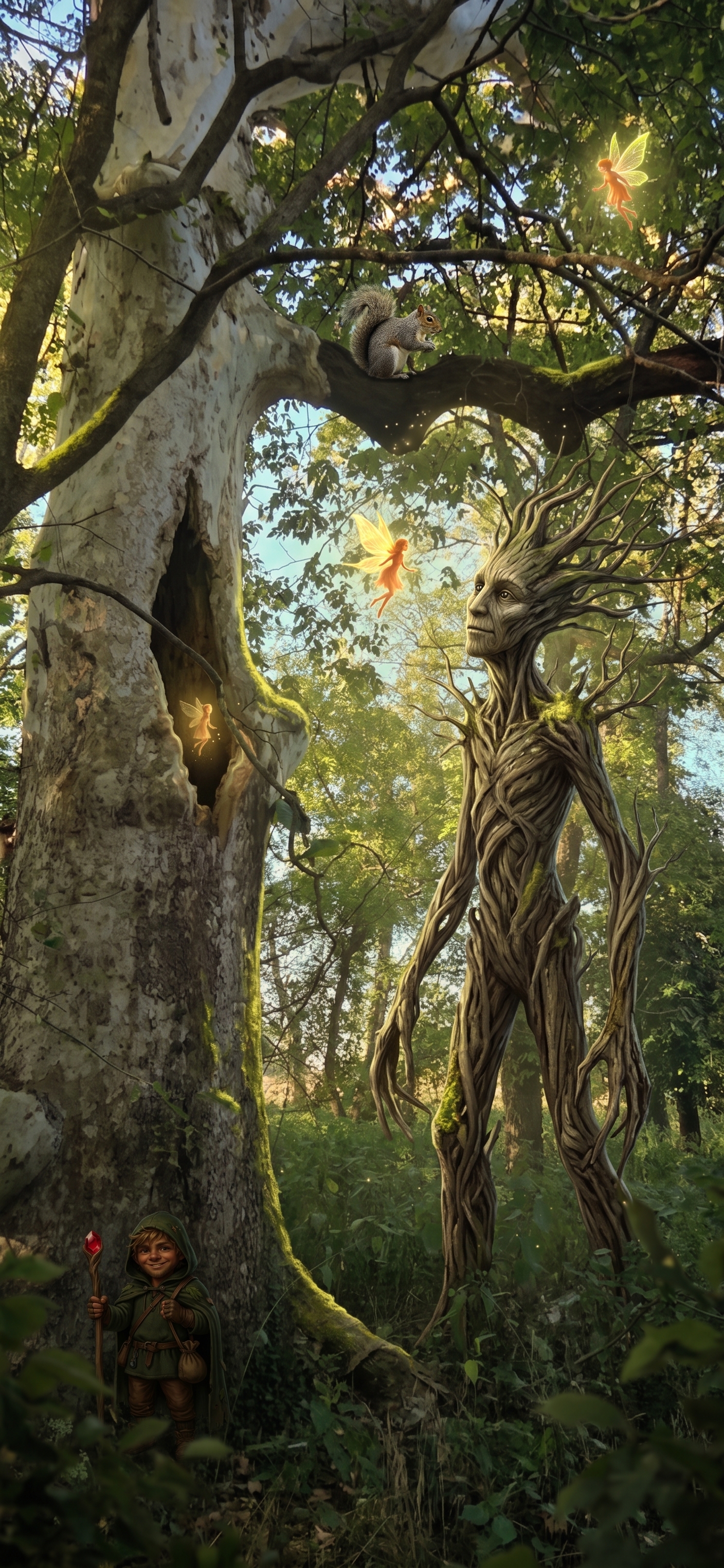
I looked back toward the towering sycamores that give the Valley of the Giants its name. It’s wild to think about Col. John Floyd surveying this creek in the 1780s, pushing through untamed bottomland where we now jog past old railway trestles. The morning headlines felt lightyears away from that quiet run—news of the James Webb Space Telescope detecting water near our galaxy's supermassive black hole, new AI models mapping the moon in unprecedented detail, and the usual flurry of political debates ahead of autumn elections.
In a week filled with heavy news, where distant conflicts and international tensions dominate the front page, spending an hour along Floyds Fork always brings things back to center. These ancient sycamores have weathered centuries of floods, seasonal shifts, and human history, serving as a quiet reminder of steady resilience. Science and technology might be accelerating our world at a breakneck pace, but the simple rhythm of a trail run never fails to ground you. Headed home with tired legs, a clear mind, and a real sense of peace.
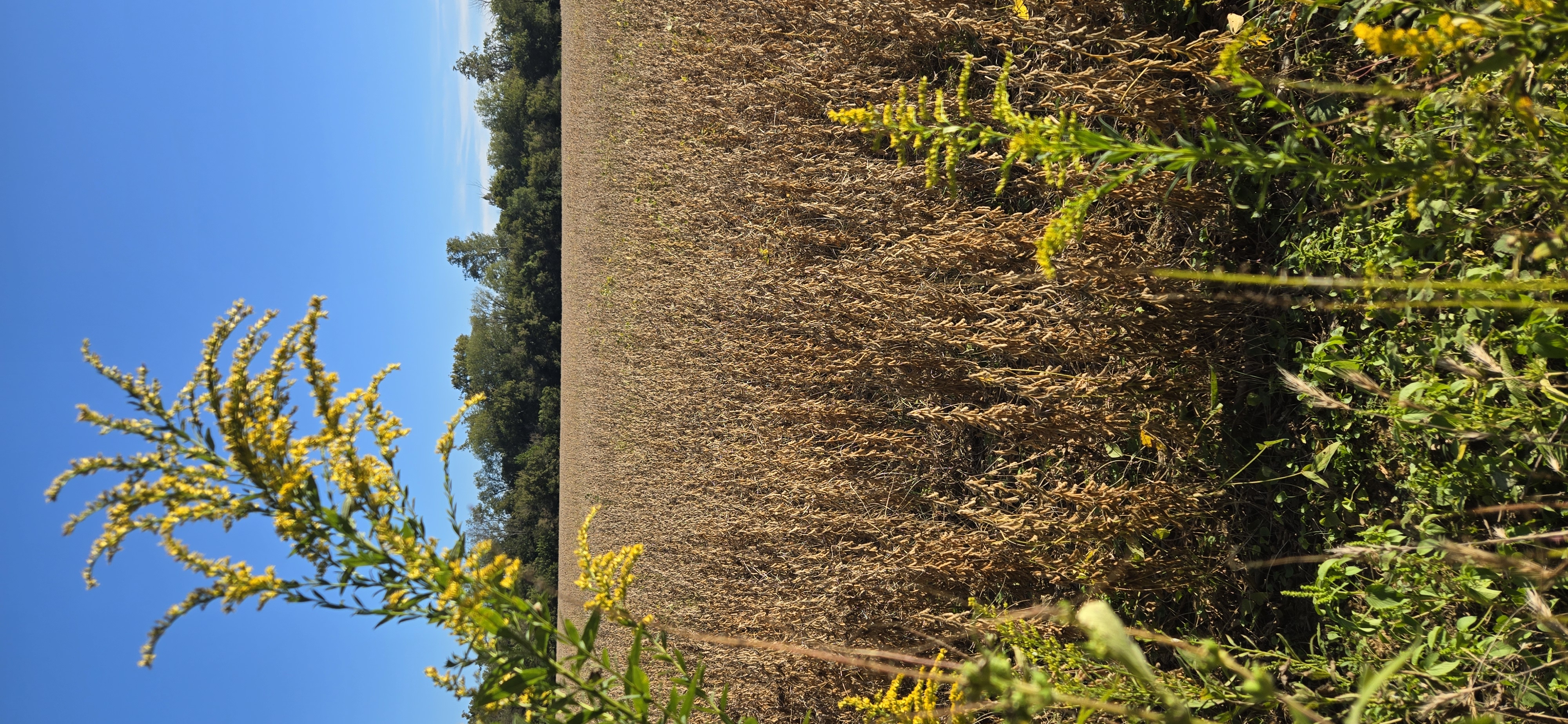

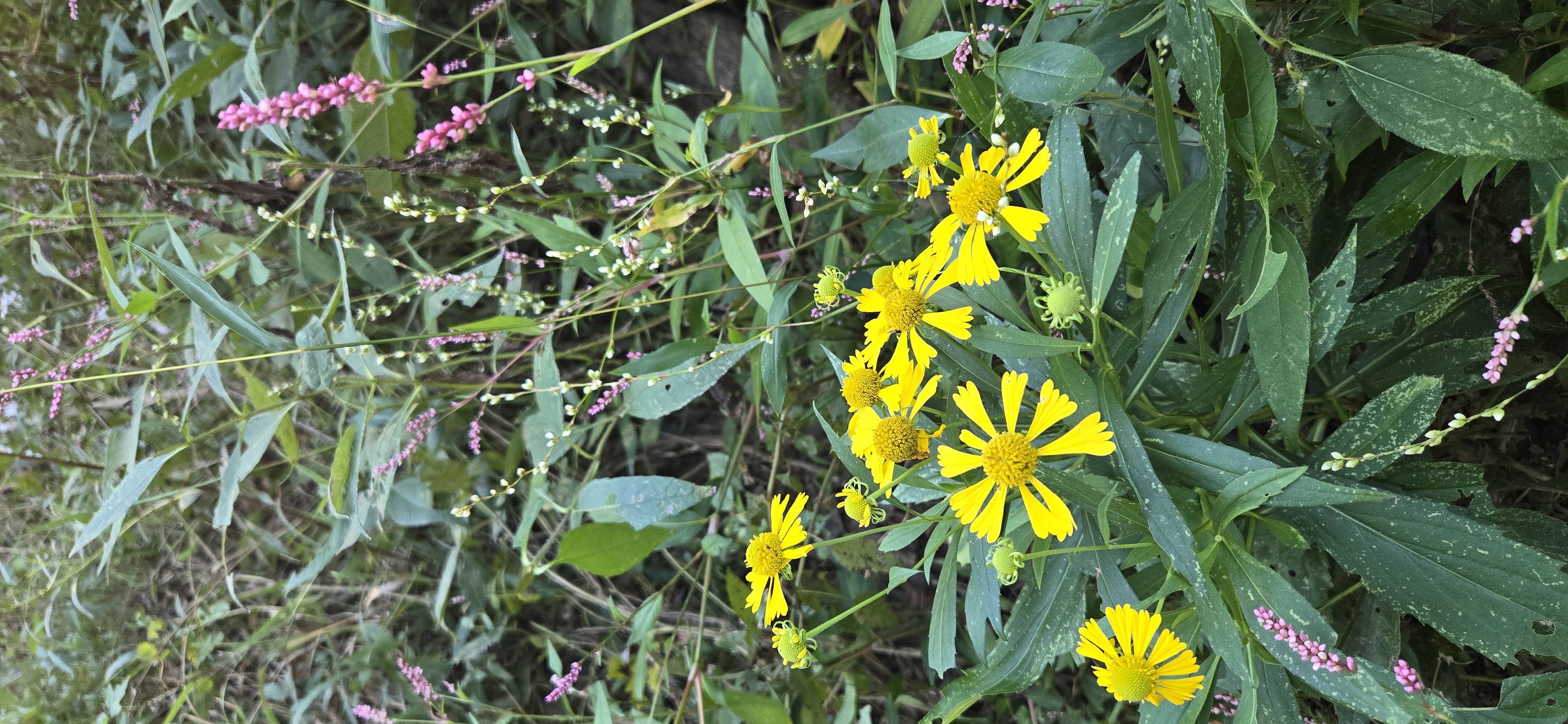




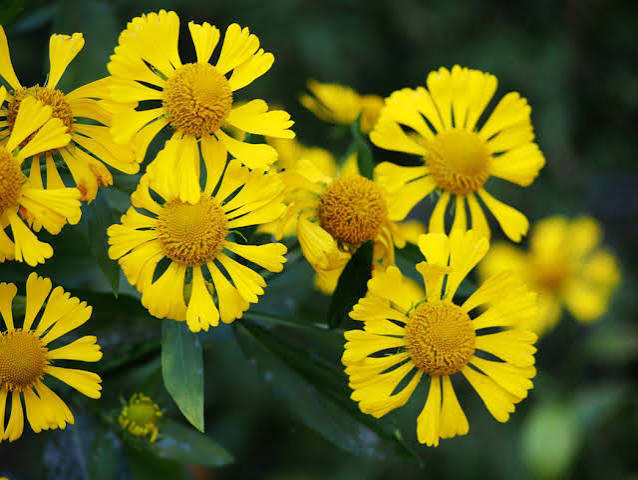
Common Sneezeweed (Helenium autumnale) - A native North American perennial wildflower easily recognized by its bright yellow, wedge-shaped petals with distinct three-lobed tips surrounding a prominent central dome. Blooming from late summer into autumn, it thrives in moist meadows and along stream banks, serving as a vital late-season nectar source for bees and butterflies. Despite its name, Sneezeweed does not trigger hay fever because its pollen is heavy and sticky for insect pollination rather than windborne; the name originates from a historical practice of using its dried leaves and flowers as a nasal snuff to induce sneezing and clear sinuses.
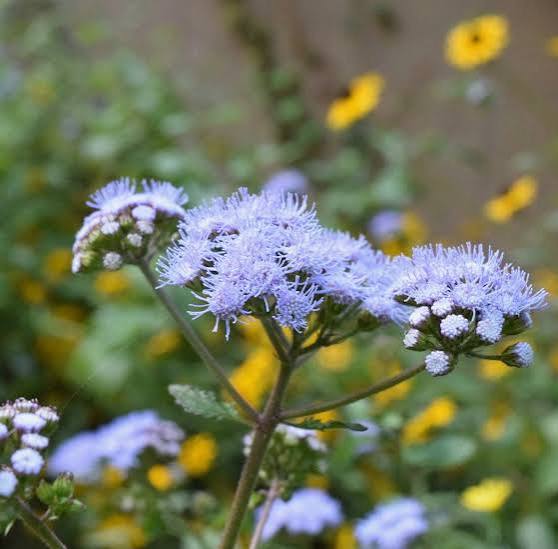
Blue Mistflower (Conoclinium coelestinum) - Also known as Wild Ageratum, is a native North American perennial celebrated for its vibrant clusters of fluffy, powder-blue to violet flowers that resemble soft bursts of mist. Blooming from late summer into mid-autumn, it thrives in moist soils along streambanks, wet meadows, and woodland edges. Because it blooms when many other plants are winding down for the season, it serves as a vital late-season nectar source for butterflies, bees, and other pollinators. Growing up to three feet tall, it naturalizes easily through creeping underground rhizomes to form eye-catching, misty colonies.
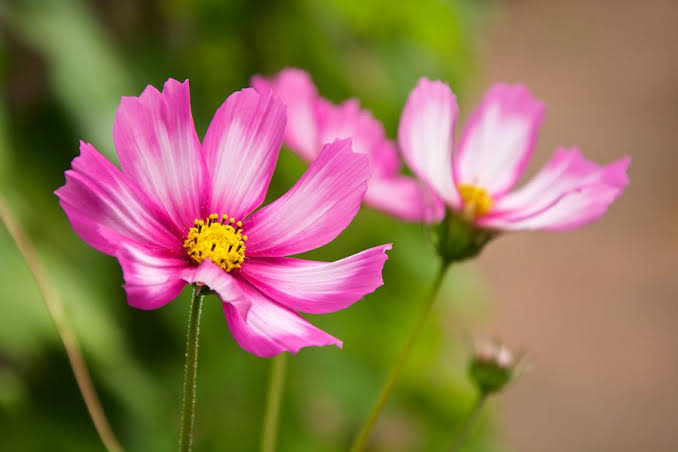
Garden Cosmos (Cosmos bipinnatus) - A popular annual wildflower cherished for its vibrant, daisy-like blossoms and delicate, feathery, dill-like foliage. Native to Mexico, it produces broad flowers in striking shades of soft pink, deep magenta, and white surrounding bright yellow centers. Blooming continuously from midsummer until the first hard frost, Cosmos thrives in full sun and dry or lean soils where other plants struggle. Its nectar-rich blooms make it a staple in butterfly gardens and park meadow mixtures, bringing effortless late-season color to trail edges and open fields.