Wetlands Trail
"The more high-tech we become, the more nature we need." — Richard Louv
4/12/2026 - 75° Sunny


This trail at Tom Sawyer is only about a mile out and back, but there is a web of trails that branch off in many directions. I took kind of a depth-first (computer term) approach and ran each one to the end then back. I kept track of where the body of water was to the right. Some great patches of Golden Ragwort and bits of Ground Ivy.
That body of water is called a vernal pool and will become almost dry in summer months. No fish can survive here and there are little floating plants and very tiny fairy shrimp. The sword-like plants are Yellow Flag Iris. I met some citizen scientist friends who were taking samples of the water to see what grows in it. Thats how I learned about vernal pools.
The cave like structure is man-made and known as the Sawyer Ice House. Built into the limestone hillside in the late 1800s or early 1900s, this structure served as a massive refrigeration unit for Central State Hospital. There are many of these "ghosts" in the area from the old hospital farm. There are remains fom the old pump house and a man-made lake for water storage. Many of the original buildings for the hospital (which opened in 1873) were built using brick kilns located right on the property. Spotted a little groundhog under some old steps.
Finished with a fast out and back on the main trail. Need to work some hills next week.
Past and Present
Walking past the old pump house today, I couldn't help but think of Dr. C.C. Forbes, the hospital’s first superintendent in 1873, who likely oversaw the very brick kilns that built this place. There’s a strange harmony in the way the local limestone, once used to keep ice cold for the asylum, now provides a cool backdrop for our modern world. It’s been a massive week for "firsts"—NASA's Artemis II crew just splashed down in the Pacific after their historic loop around the Moon, a journey that makes our mile-long trail feel like a tiny blink in the cosmos. Much like those astronauts returning to their home base, we’re seeing a new frontier in intelligence with the leak of Anthropic’s Claude Mythos, a 10-trillion parameter model that’s being called a "step change" in what machines can understand.
While the world watches the high-stakes marathon talks with Iran over maritime and nuclear boundaries, I find a different kind of boundary here at the edge of the water. The vernal pool is currently at its peak, teeming with life that doesn't need 10 trillion parameters to know it’s time to hatch. It’s a reminder that even as we navigate complex global tensions and build "Mythos" levels of tech, the simple, reliable cycles of nature—like the Golden Ragwort.


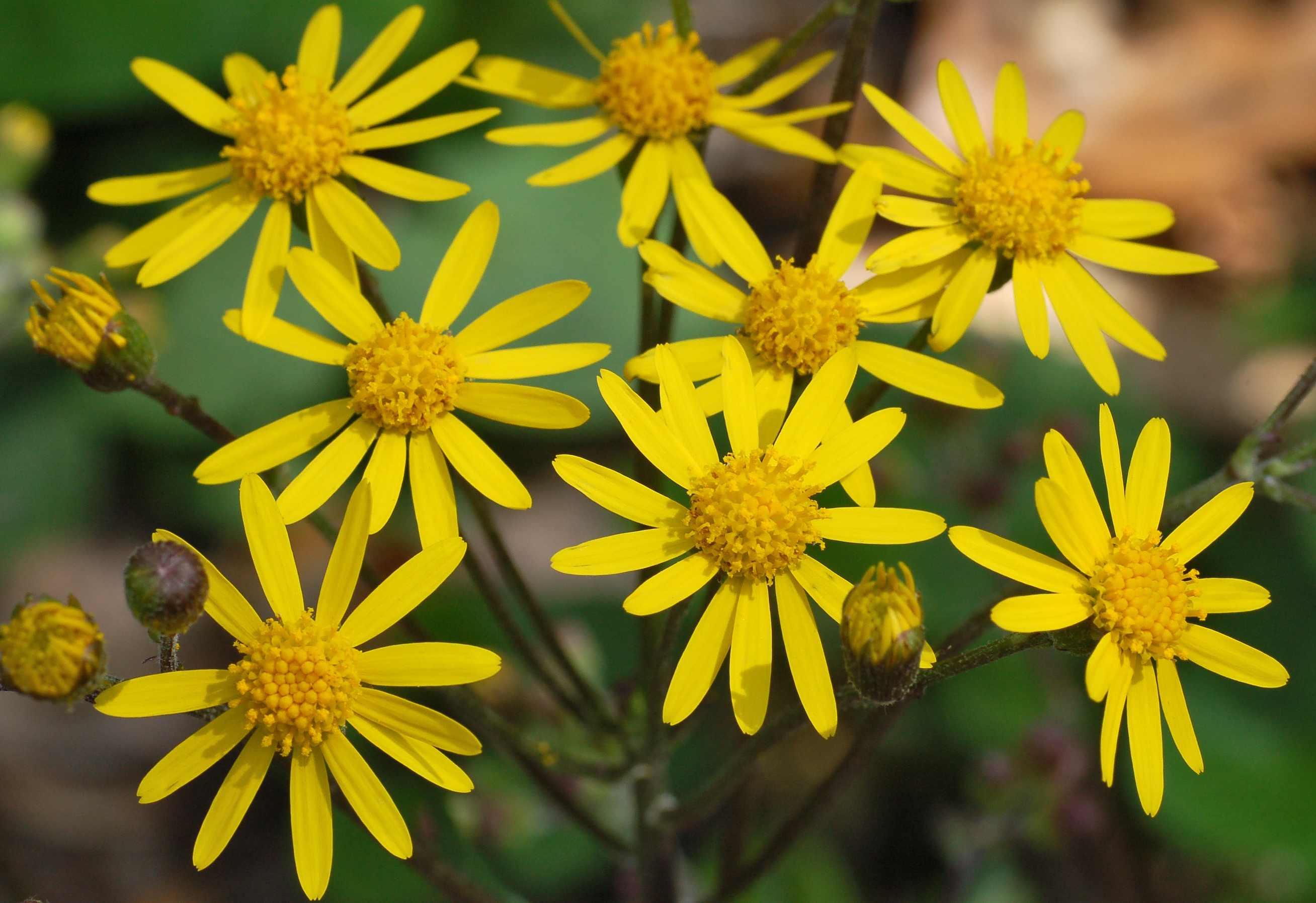
Golden Ragwort (Packera aurea) - A native perennial that lights up Kentucky’s damp floodplains with yellow blossoms. It is a vital early-season nectar source for the native pollinators that support our local agricultural and garden ecosystems.
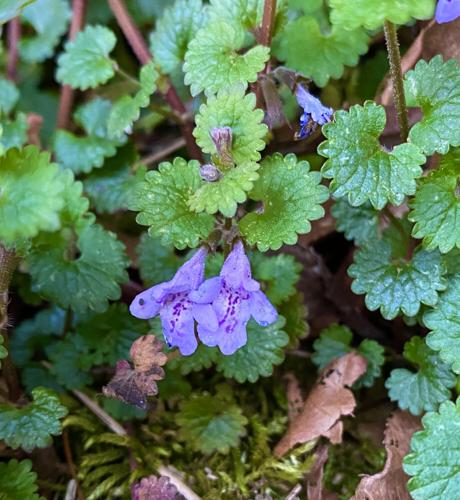
Ground Ivy (Glechoma hederacea) - Often referred to locally in Kentucky as "Creeping Charlie" or "Gill-over-the-ground," is an aromatic, evergreen perennial that thrives in the moist, shaded soils of the Bluegrass region. Originally brought over by European settlers for its medicinal and brewing properties, it has become a ubiquitous "opportunist" in Kentucky landscapes, spreading rapidly via creeping runners that root at every node. In the spring, it produces clusters of small, tubular, purplish-blue flowers that provide a vital early-season nectar source for native bees and pollinators. While its ability to form dense, minty-smelling mats makes it a frustrating weed for gardeners, in wilder areas like Tom Sawyer Park, it serves as a resilient groundcover that stabilizes the muddy banks of wetlands and vernal pools.
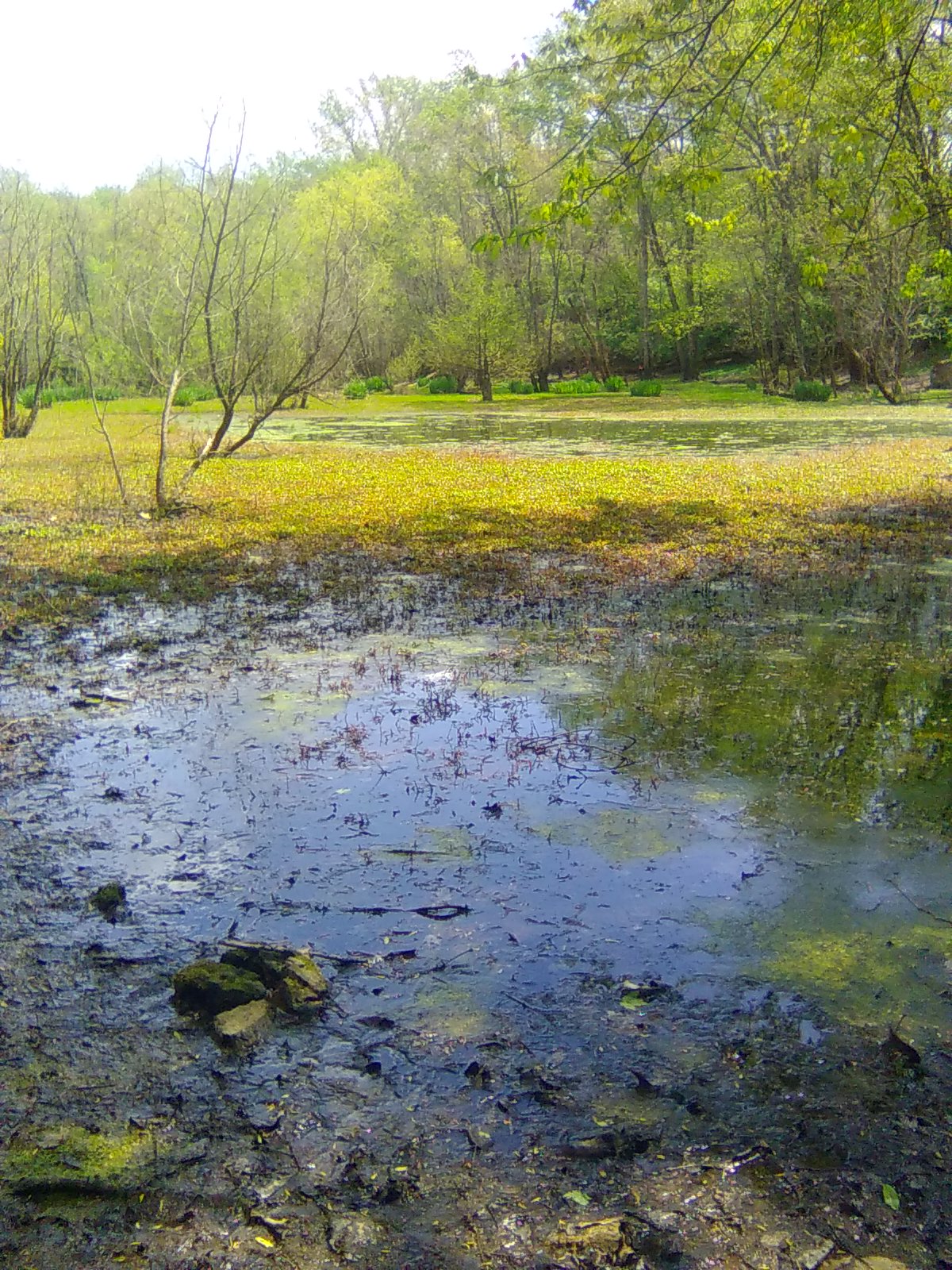
Vernal Pools - Vital, ephemeral wetlands that act as seasonal "nurseries" for the state's biodiversity. Typically forming in low-lying depressions in forests or floodplains, these pools fill with autumn and winter rains but dry up completely during the sweltering Bluegrass summers. This cyclic drying is their most important feature: it prevents fish populations from establishing, creating a safe, predator-free environment for specialized species like the Spotted Salamander, the Wood Frog, and the rare Fairy Shrimp. From the limestone "karst" regions of Central Kentucky to the deep woods of Jefferson Memorial Forest, these temporary ponds are essential biological hotspots that support the state's unique amphibian and invertebrate populations.
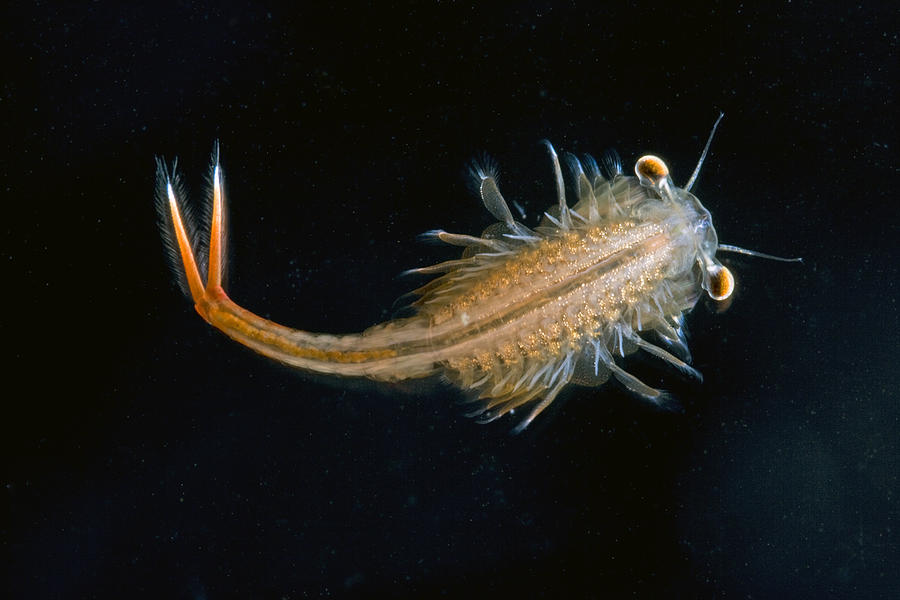
Eastern Fairy Shrimp (Eubranchipus vernalis) - acts as a seasonal ghost, appearing only when the conditions are perfectly fleeting. These delicate, inch-long crustaceans hatch from "cysts" (dormant eggs) buried in the mud as soon as winter rains or snowmelt fill the depressions in the forest floor. They are generally translucent-orange, but can appear white, green, or blue, possessing 11 pairs of swimming legs. They spend their short lives swimming upside down, filtering microscopic algae before the water warms above 20°C or evaporates entirely. Because they lack any natural defenses, their survival in Kentucky depends entirely on these temporary, fish-free "puddles"—like the one at Tom Sawyer Park—where they can mate and drop a new generation of weather-resistant eggs into the soil to wait for the next year's rains.
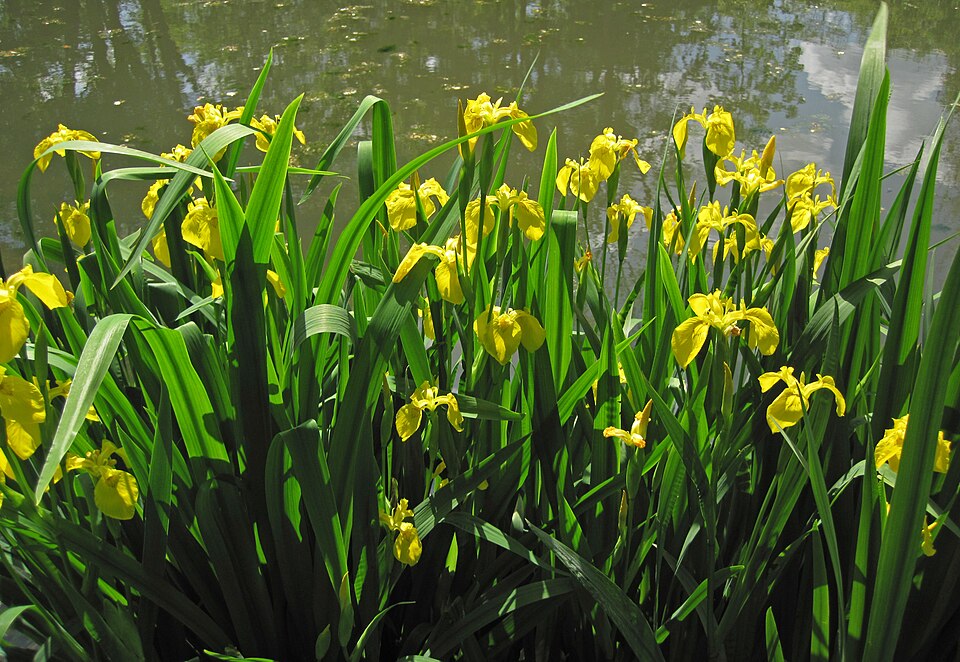
Yellow Flag Iris (Iris pseudacorus) - Dominates many disturbed areas, it is important to distinguish it from the Blue Flag Iris, a native Kentucky treasure. Unlike its aggressive yellow cousin, the Blue Flag Iris grows in polite clumps that provide essential habitat without overwhelming the ecosystem. The easiest way to tell them apart before they bloom is by the leaves: the native Blue Flag has flatter, more flexible leaves that lack the rigid, sword-like central ridge found on the Yellow Flag.
When they bloom in late spring, the difference is unmistakable. The native variety produces delicate, violet-blue flowers with intricate yellow "signals" on the petals to guide pollinators. Ecologically, the Blue Flag Iris is a vital part of the Kentucky wetland community, coexisting harmoniously with other native plants and providing stable egg-laying sites for amphibians. Choosing to protect and plant the native blue variety over the invasive yellow one helps maintain the natural balance and prevents our unique vernal pools from being transformed into impenetrable thickets.