Black Willow Trail
"We are all connected; To each other, biologically. To the earth, chemically. To the rest of the universe atomically." — Neil DeGrasse Tyson
3/28/2026 - 60° Windy


Nice breezy run today on the Black Willow Trail. Ran in from the Giants (one of my favorite short trails). Mostly flat run today and on gravel. Lots of people out with their dogs. One funny pug grunting and "swimming". More spring flowers like the native Blue Phlox and the invasive yellow Lesser Celandine and pushy Garlic Mustard. Also some poison Hemlock (I think). Eastern Redbud are showing their pink. Saw some honey locust with their big thorns down by the creek and I always think of the connection with the wooly mammoth. Saw a Grapevine Epimenis, which is a moth that flies during the day and has red patches on it's wings.
Past and Present
I stopped for a moment by the bank to watch the Black Willow roots knitting themselves into the mud. They’re the real engineers here, steadying the creek bank against the spring floods much like Elon Musk envisions his new "Terafab" steadying the global chip supply with a trillion watts of computing power. It’s wild to think about a "recursive loop" of silicon being forged in Texas to power a galactic civilization, while these willows have been running their own silent, recursive growth for centuries. I imagine John Floyd surveying this same muddy fork back in 1774, navigating the salt licks and buffalo traces, never dreaming that one day we’d be building humanoid robots while still struggling to keep the soil from washing away beneath our feet.
The air felt a bit heavier today, maybe a carryover from the "No Kings" rallies that filled the streets yesterday. It’s hard to completely tune out the noise of the world—the tension with Iran and the shadow of a new conflict—but out here, the hierarchy is different. The woods don't recognize kings, just keystone species and the occasional pushy weed. Even as the news cycle churns through political unrest, the Redbuds aren't waiting for permission to bloom; they’re just stubbornly, beautifully blushing pink against the grey sky. It’s a reminder that while empires and technologies rise and fall, the earth has a very steady way of returning to its baseline. I finished the loop feeling a little more grounded, grateful for the gravel under my shoes and the simple, persistent promise of a Louisville spring.


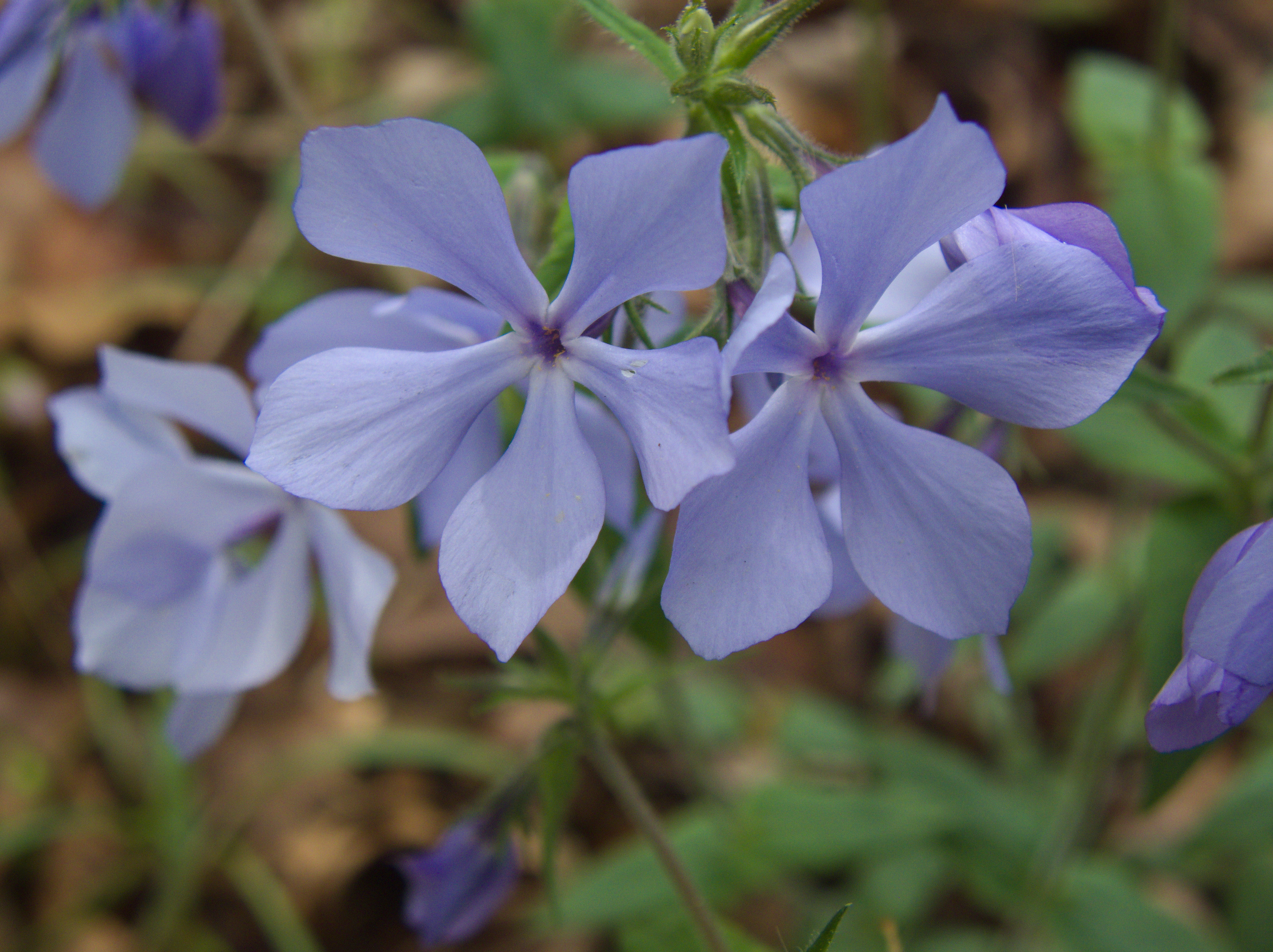
Wild Blue Phlox (Phlox divaricata) - In the heart of Louisville’s spring, Wild Blue Phlox —also known as woodland phlox—paints the forest floor with delicate clusters of lavender and periwinkle. This native perennial is a hallmark of the city’s ecological restoration efforts, most notably in Cherokee Park’s Wildflower Woods, where it has seen a resurgence thanks to the removal of invasive honeysuckle. You can also find it blanketing the Moss Gibbs Woodland Garden in Broad Run Park or thriving along the shaded stream banks of the Parklands of Floyds Fork.
Standing about a foot tall, its fragrant, five-petaled star flowers are more than just a visual treat; they serve as a critical early-season nectar source for Tiger Swallowtails and hummingbirds. Whether you’re hiking the Olmsted trails or planting a pollinator garden at home, this hardy "Wild Sweet William" is a beloved local symbol of Kentucky’s natural heritage.
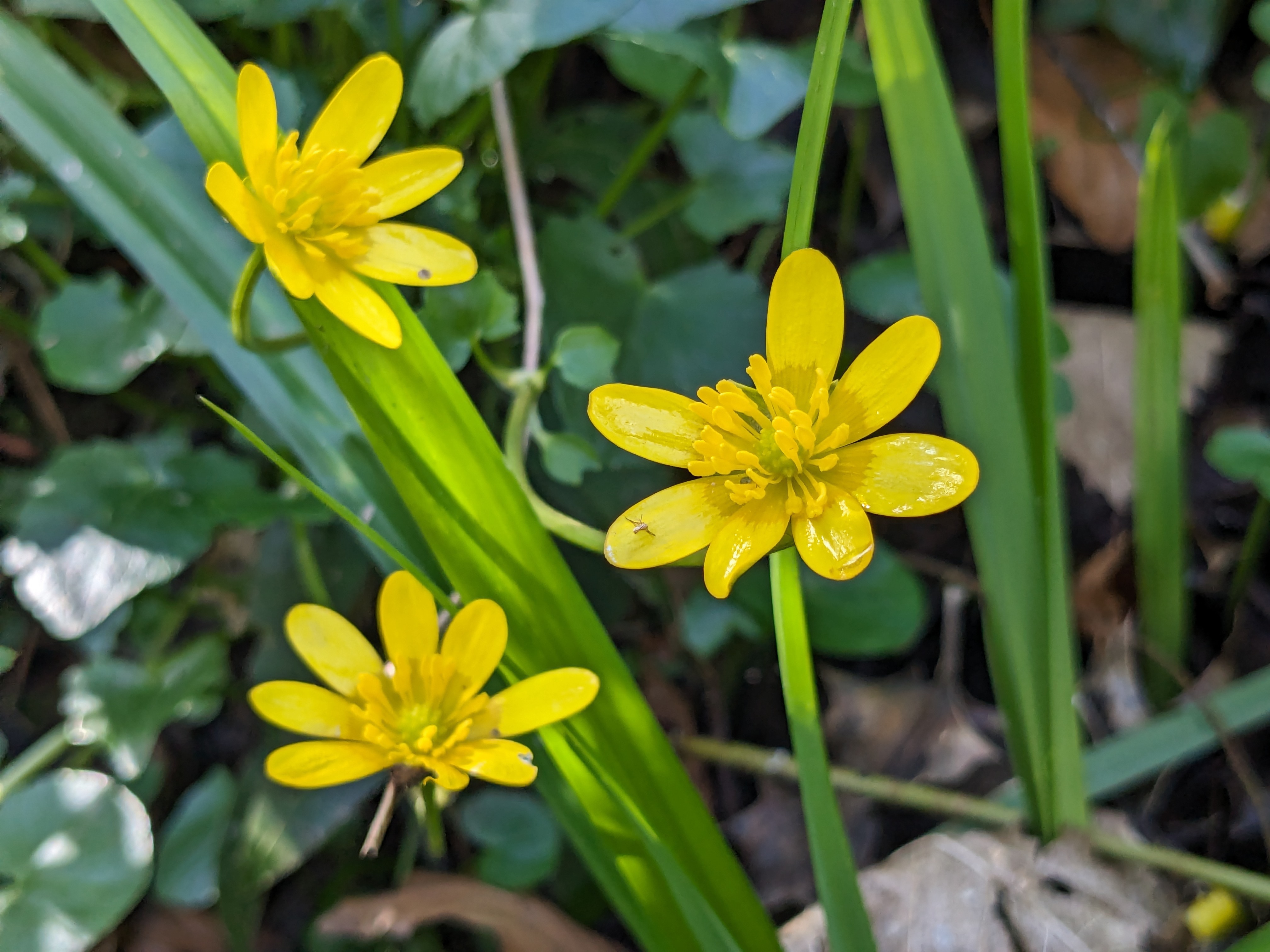
Lesser Celandine (Ficaria verna) - If you’ve taken a stroll through Cherokee Park or along the banks of Beargrass Creek in spring, you’ve likely seen a shimmering carpet of buttery yellow flowers. That’s Lesser Celandine, and while it’s undeniably photogenic, it’s also one of Louisville’s most persistent "botanical bullies." This invasive groundcover wakes up much earlier than our native Kentucky wildflowers, effectively hogging the sunlight and space before the local stars—like Trout Lilies and Virginia Bluebells—even get a chance to sprout.
By the time the Kentucky Derby rolls around in May, the plant will vanish back underground into a network of stubborn, finger-like tubers, leaving the forest floor bare and vulnerable to erosion. It’s a classic case of a pretty face with a ruthless agenda.
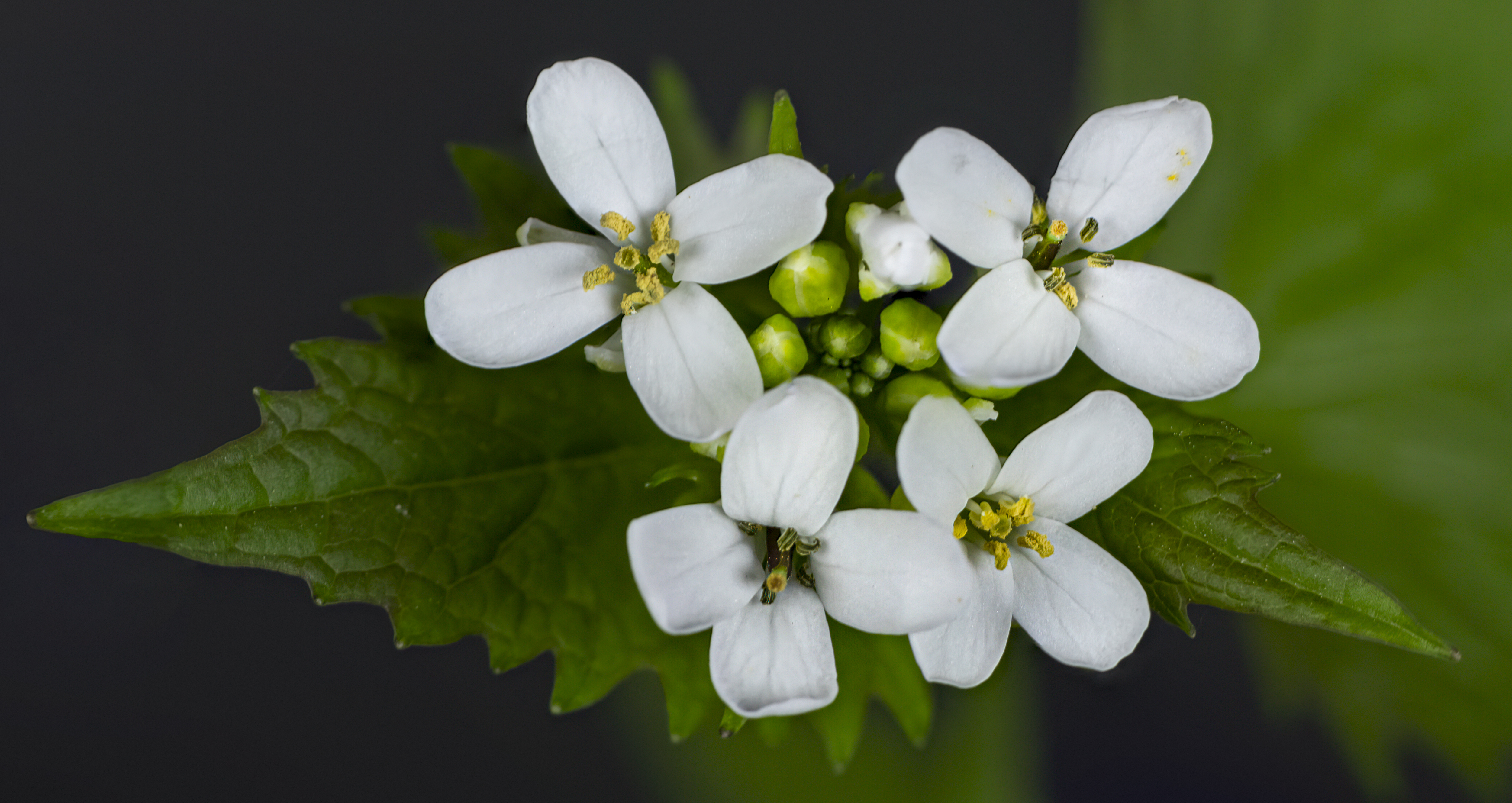
Garlic Mustard (Alliaria petiolata) - In Louisville, Garlic Mustard is the uninvited guest that refuses to leave the city's lush forest floors. This biennial invasive species is a major headache for the Olmsted Parks Conservancy and the Parklands of Floyds Fork, where it aggressively outcompetes native spring ephemerals like trillium and Virginia bluebells.
By early spring, its heart-shaped leaves and clusters of white four-petaled flowers dominate the understory of spots like Cherokee Park and Jefferson Memorial Forest, releasing allelopathic chemicals into the soil that actively stunt the growth of neighboring native plants. While its "garlic-breath" scent when crushed makes it a favorite for local foragers looking to make a spicy pesto, conservationists urge residents to skip the compost bin—every pulled plant must be bagged and trashed to prevent its thousands of seeds from hitching a ride elsewhere.
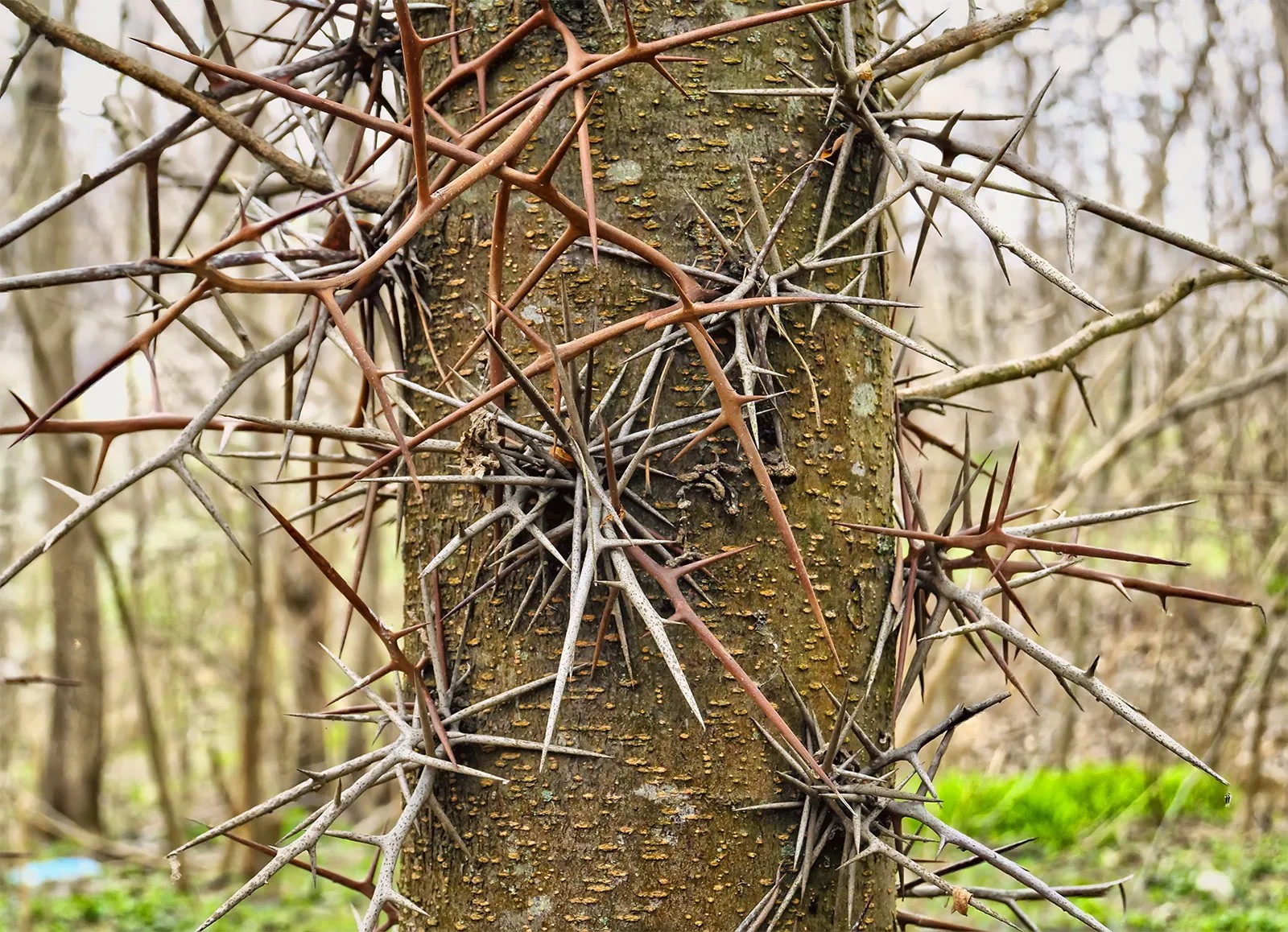
Wild Honey Locust (Gleditsia triacanthos) - In the parks and riverbanks of Louisville, the wild honey locust (Gleditsia triacanthos) stands as a prickly "ghost of the Pleistocene." While its lacey foliage looks delicate, its trunk is often armed with clusters of terrifying, multi-branched thorns that can grow several inches long. These weren't designed to deter modern pests like deer or squirrels; they are evolutionary leftovers from a time when Mammoths and Mastodons roamed the Ohio Valley.
Just a short drive from Louisville at Big Bone Lick, paleontologists have found extensive evidence of these giants. The honey locust evolved its armor and large, sugary seed pods specifically to interact with megafauna: the thorns protected the bark from being stripped by massive tusks, while the mammoths ate the pods and dispersed the seeds across the landscape. Today, though the mammoths are long gone, the honey locust remains a living link to Louisville’s prehistoric past.