Blackacre
"We are stardust, we are golden / And we've got to get ourselves back to the garden." — Joni Mitchell
7/26/2026 - 85° Cloudy
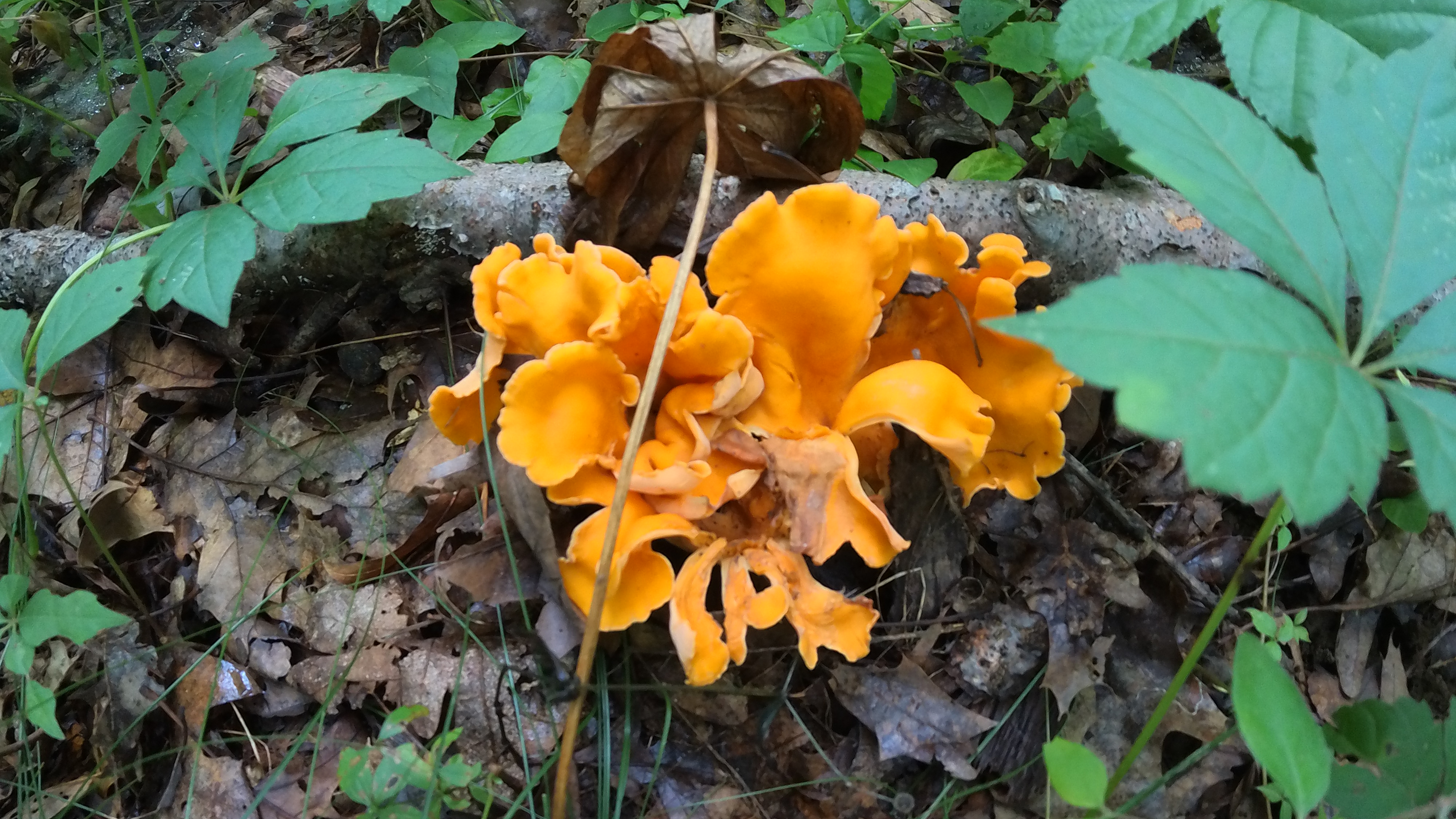
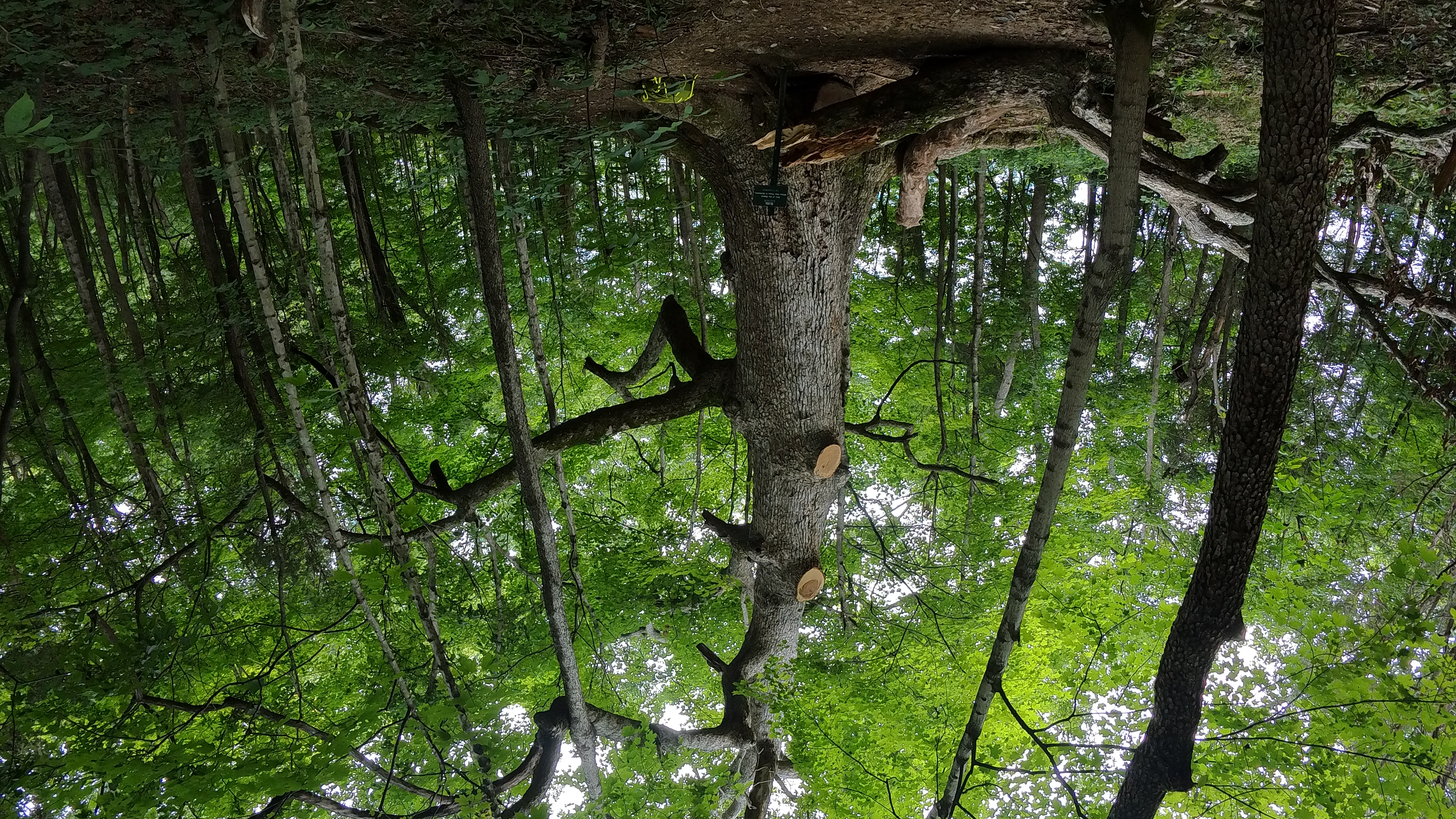
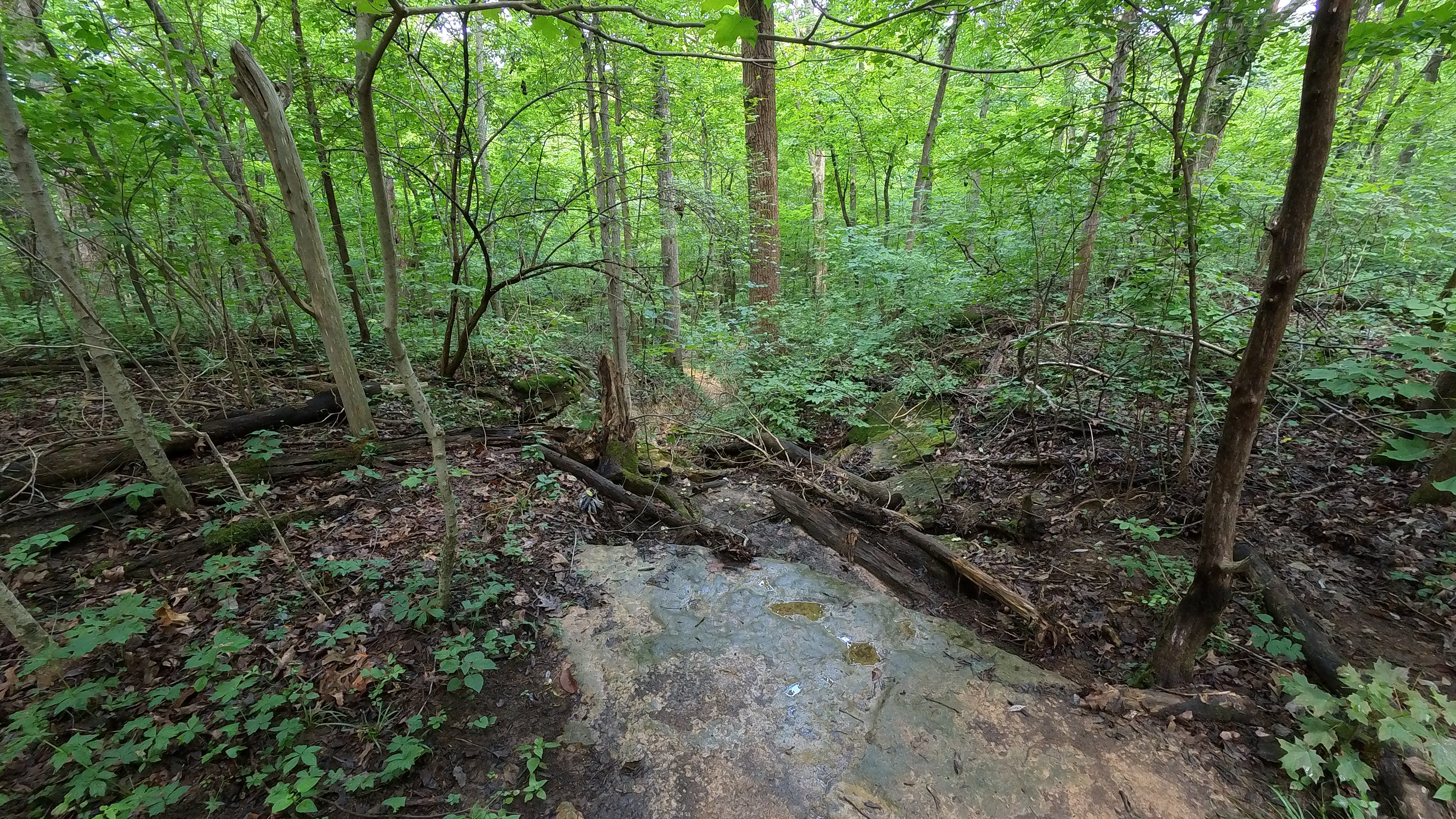
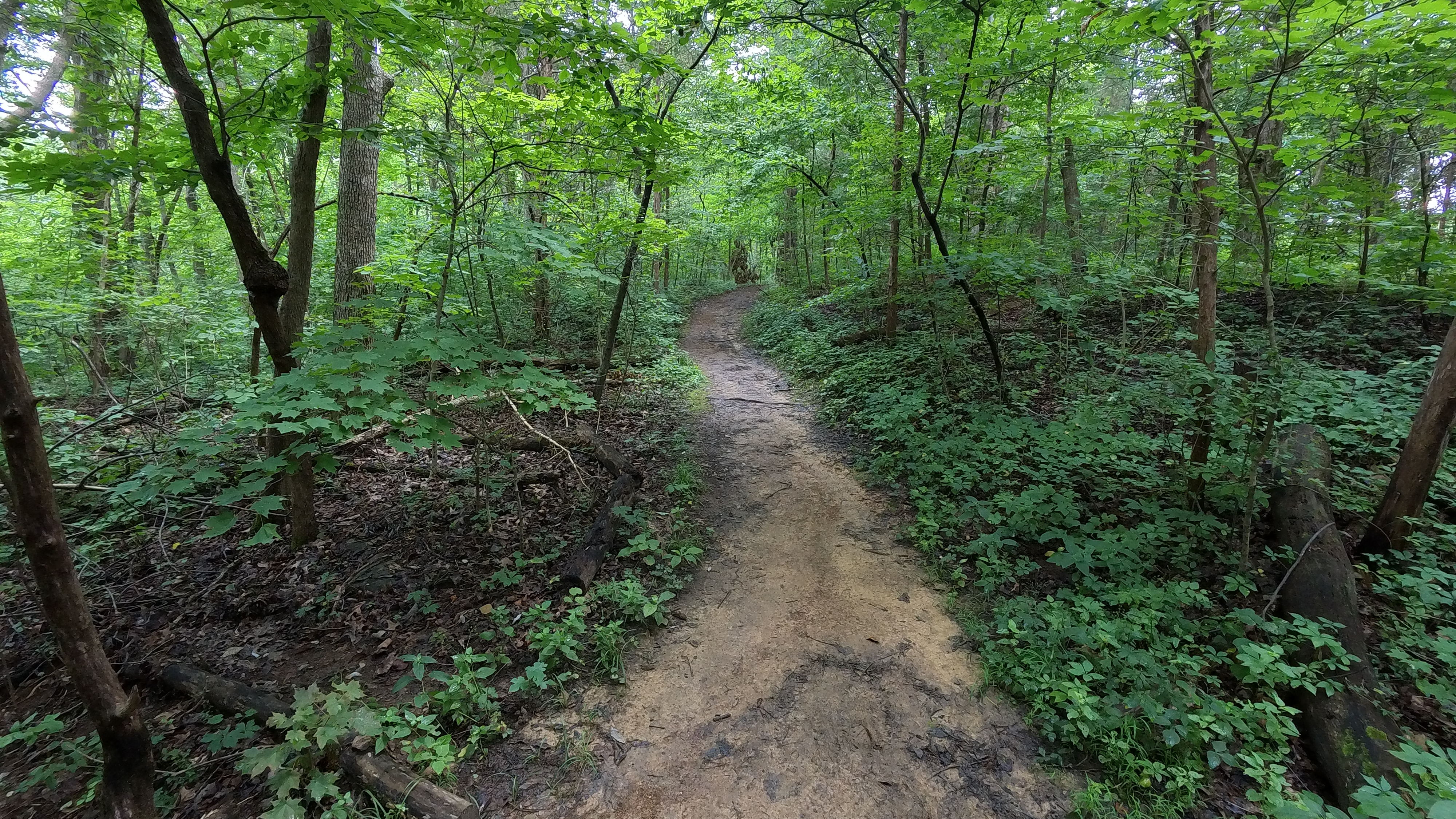
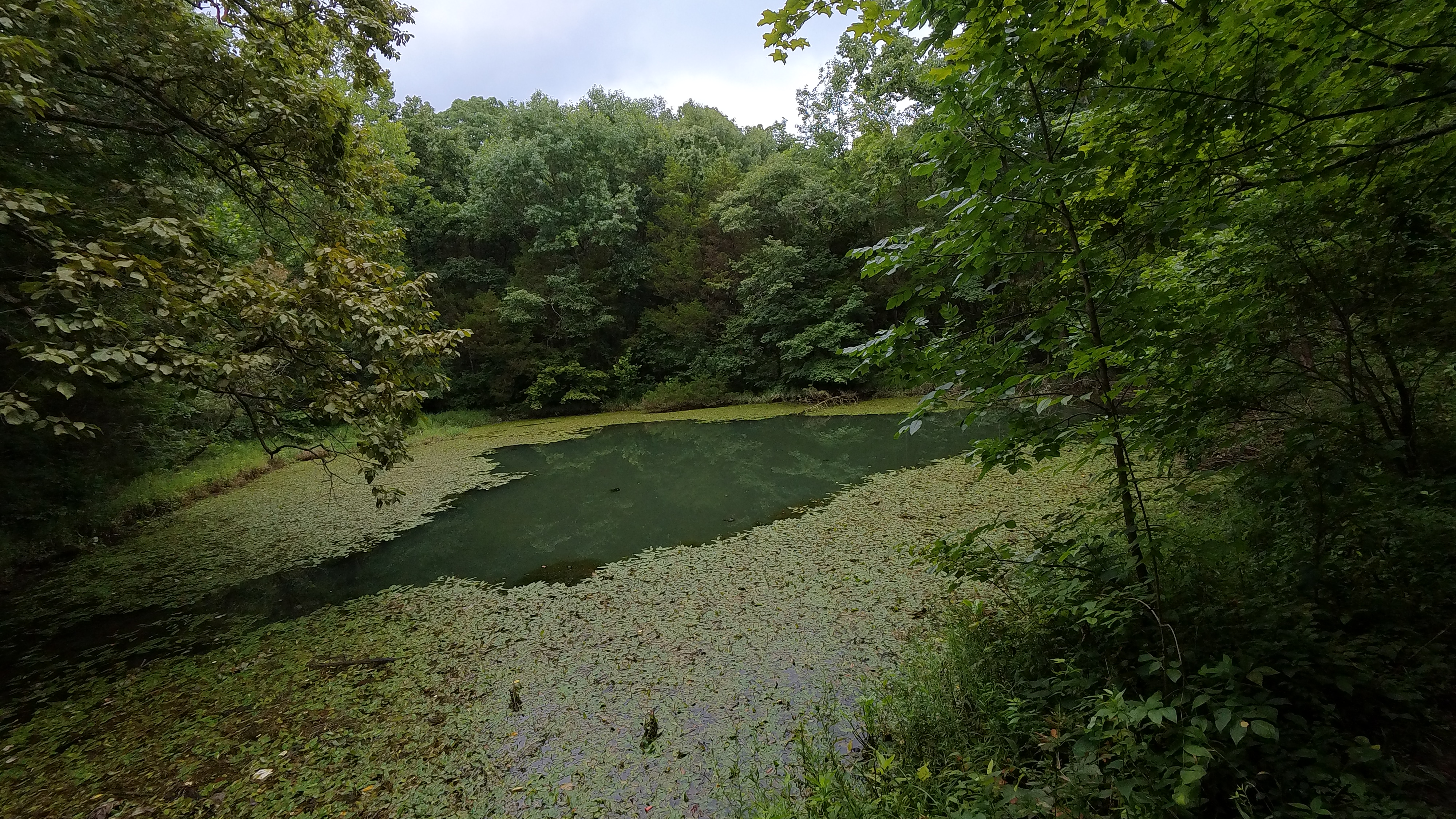
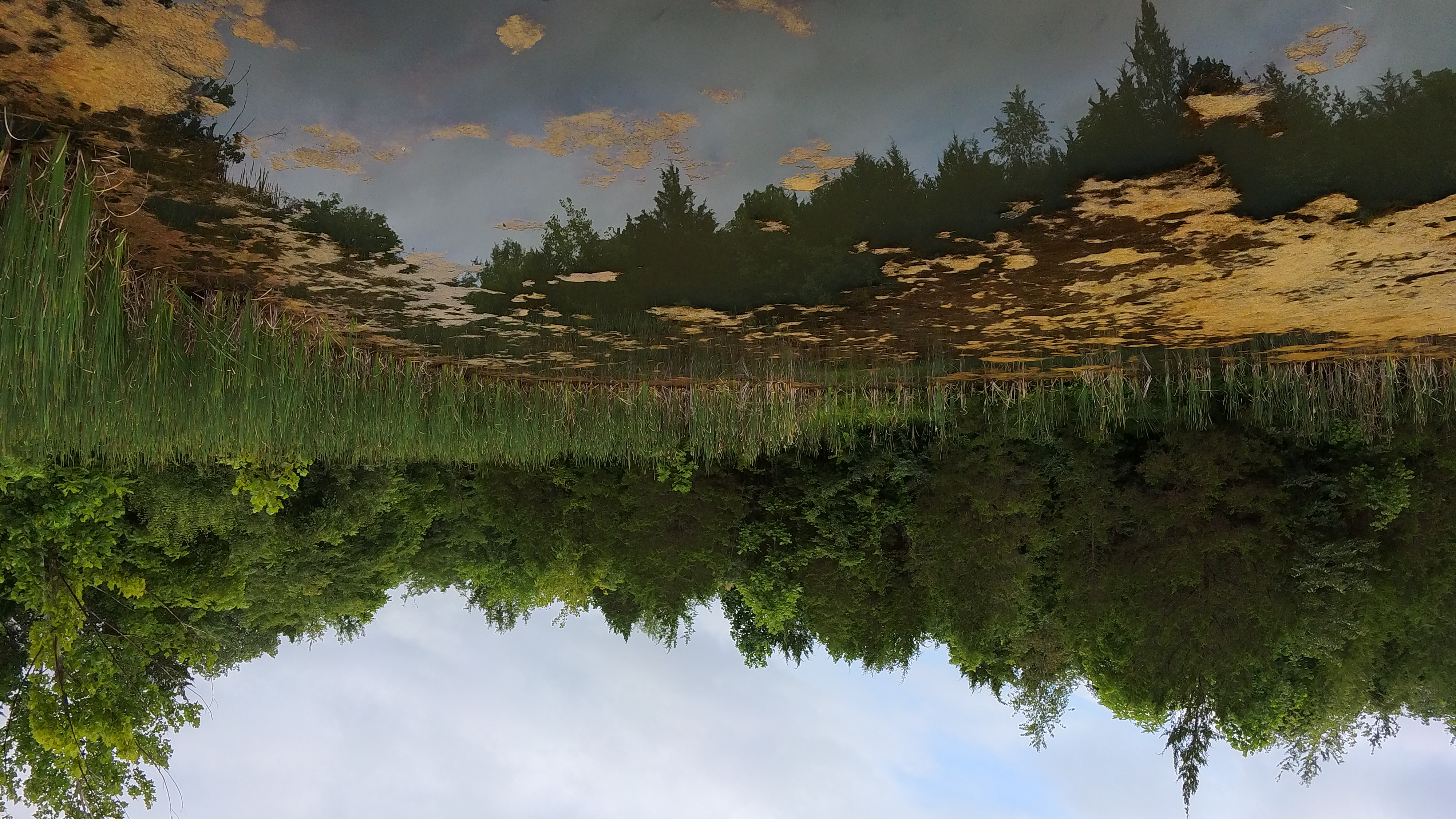
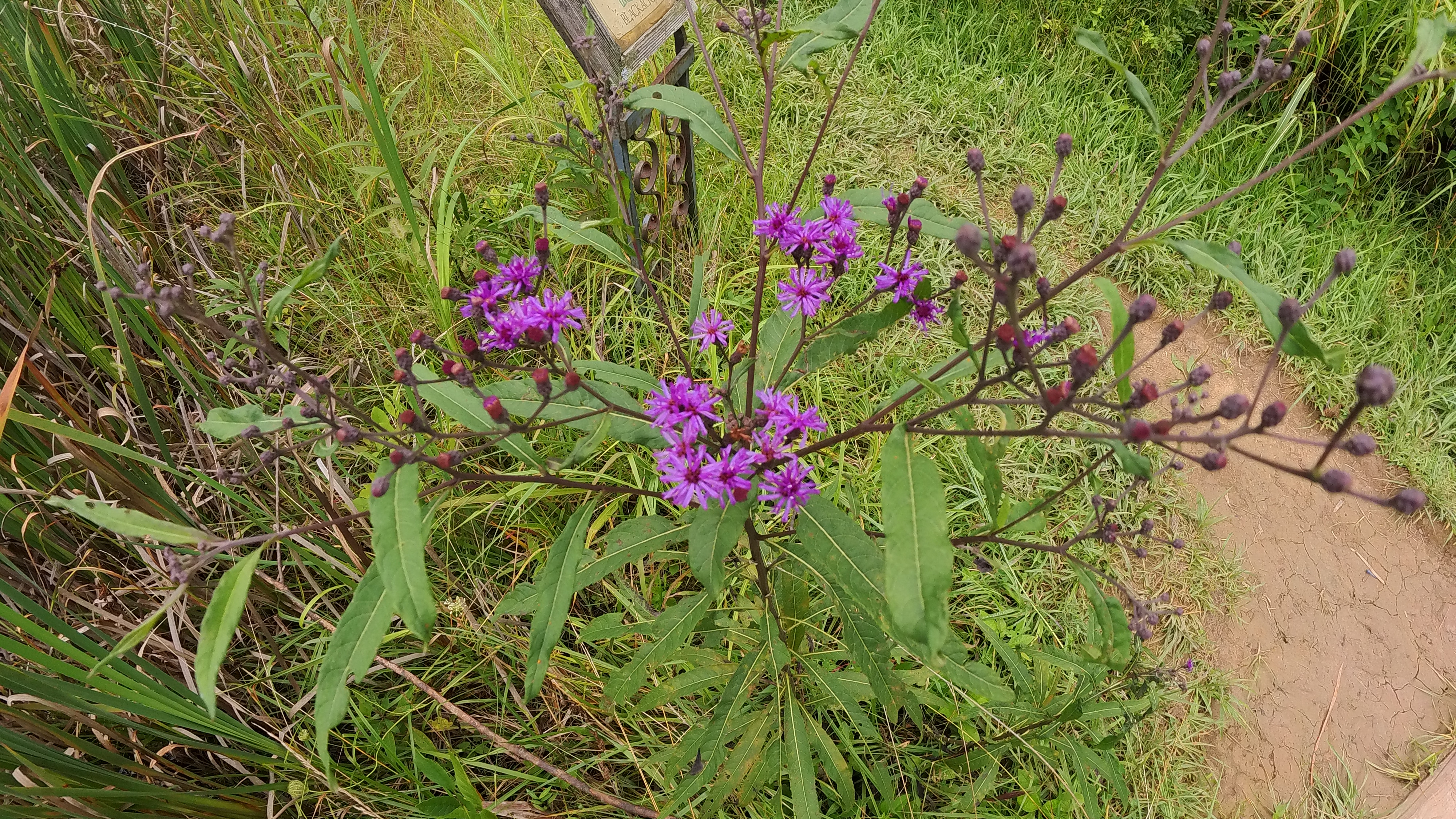
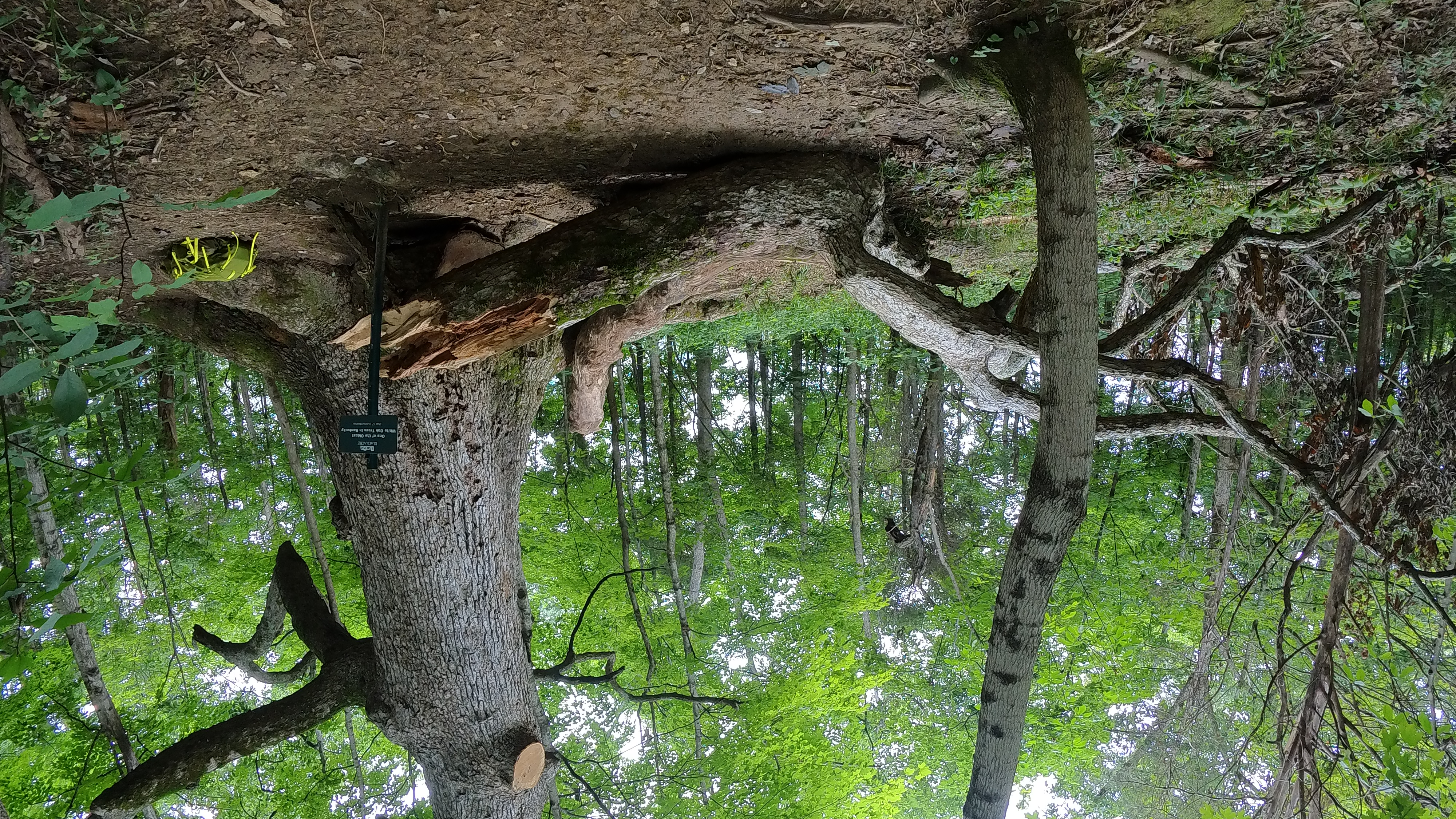
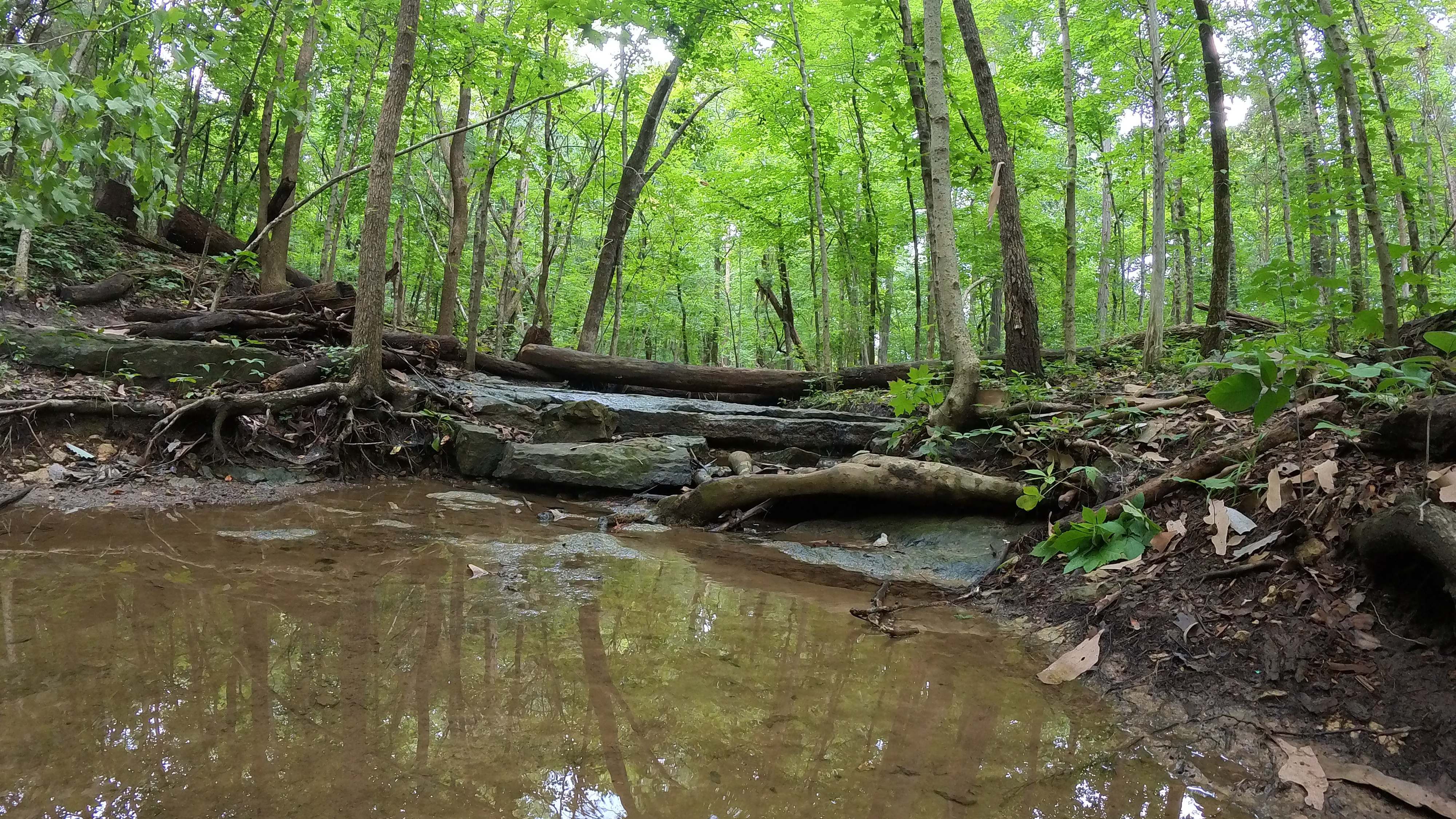
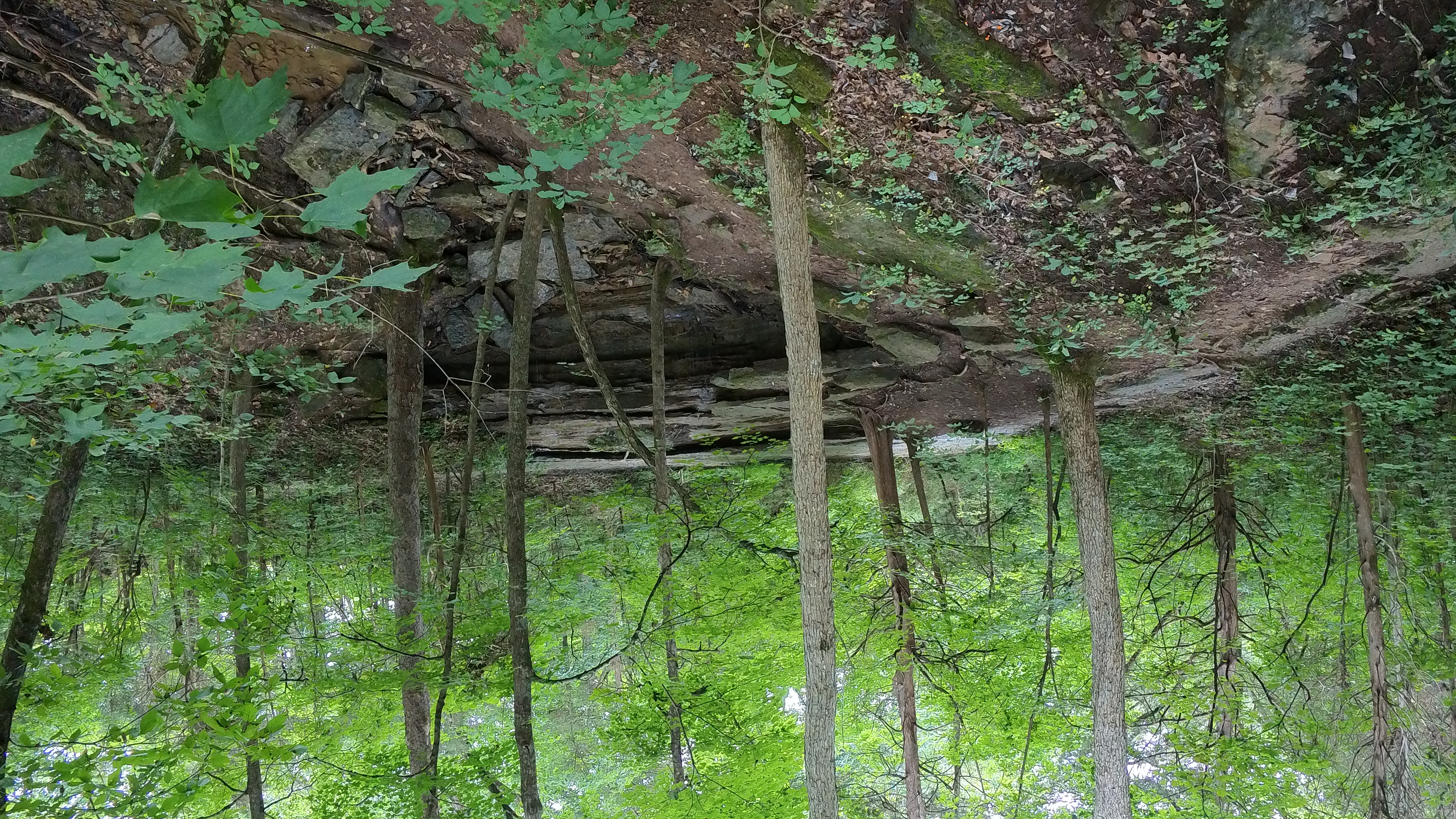
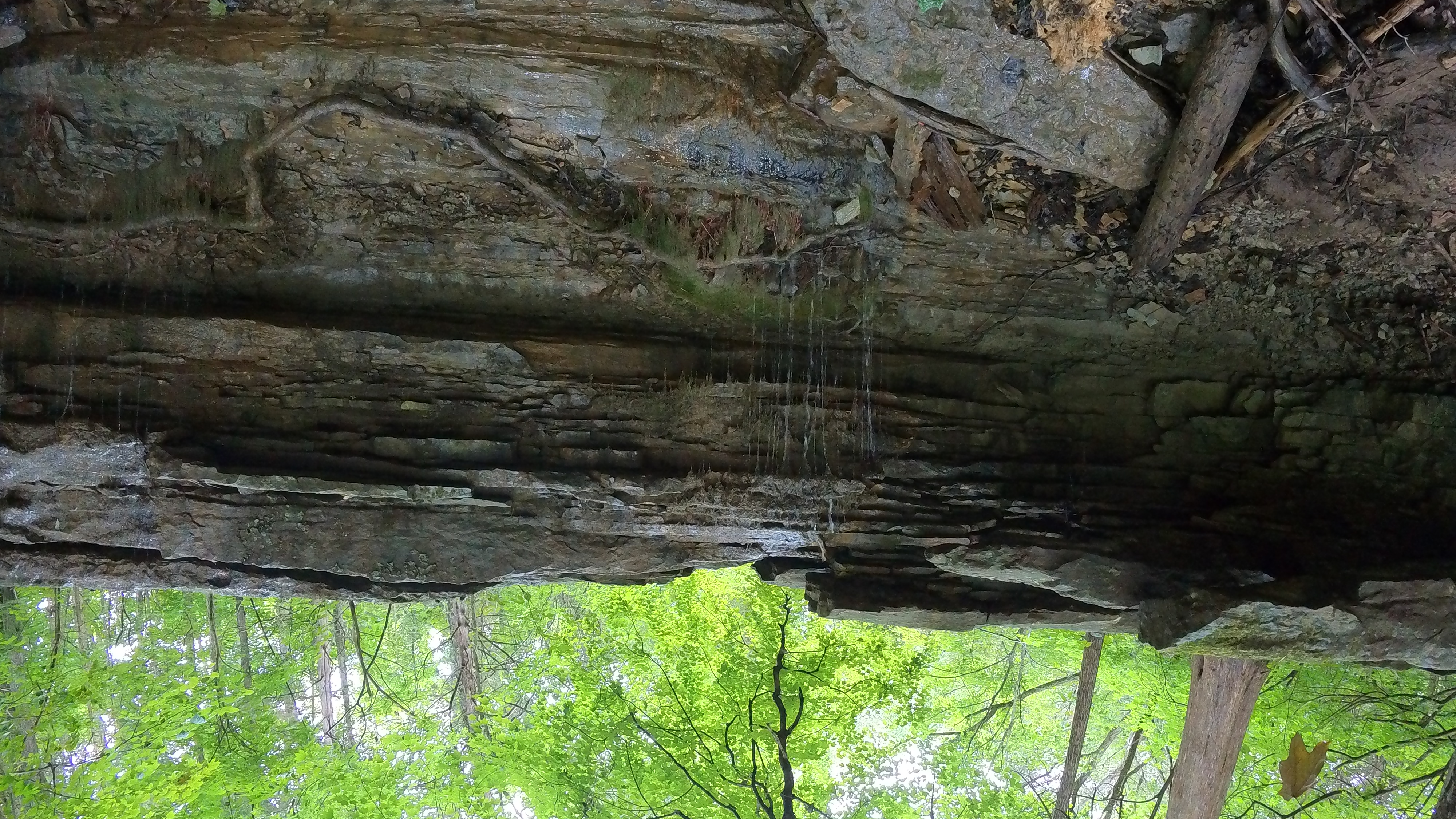
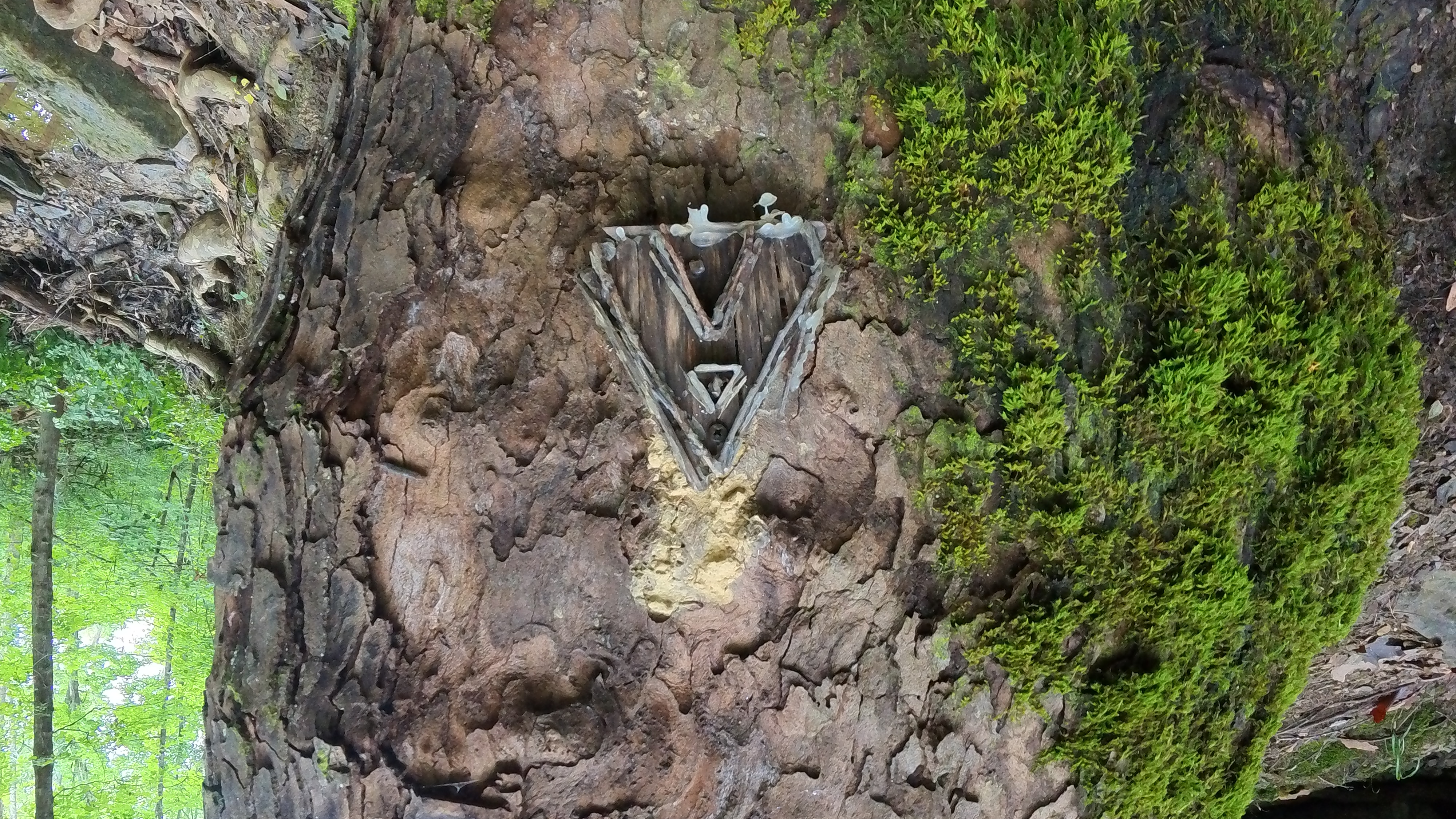
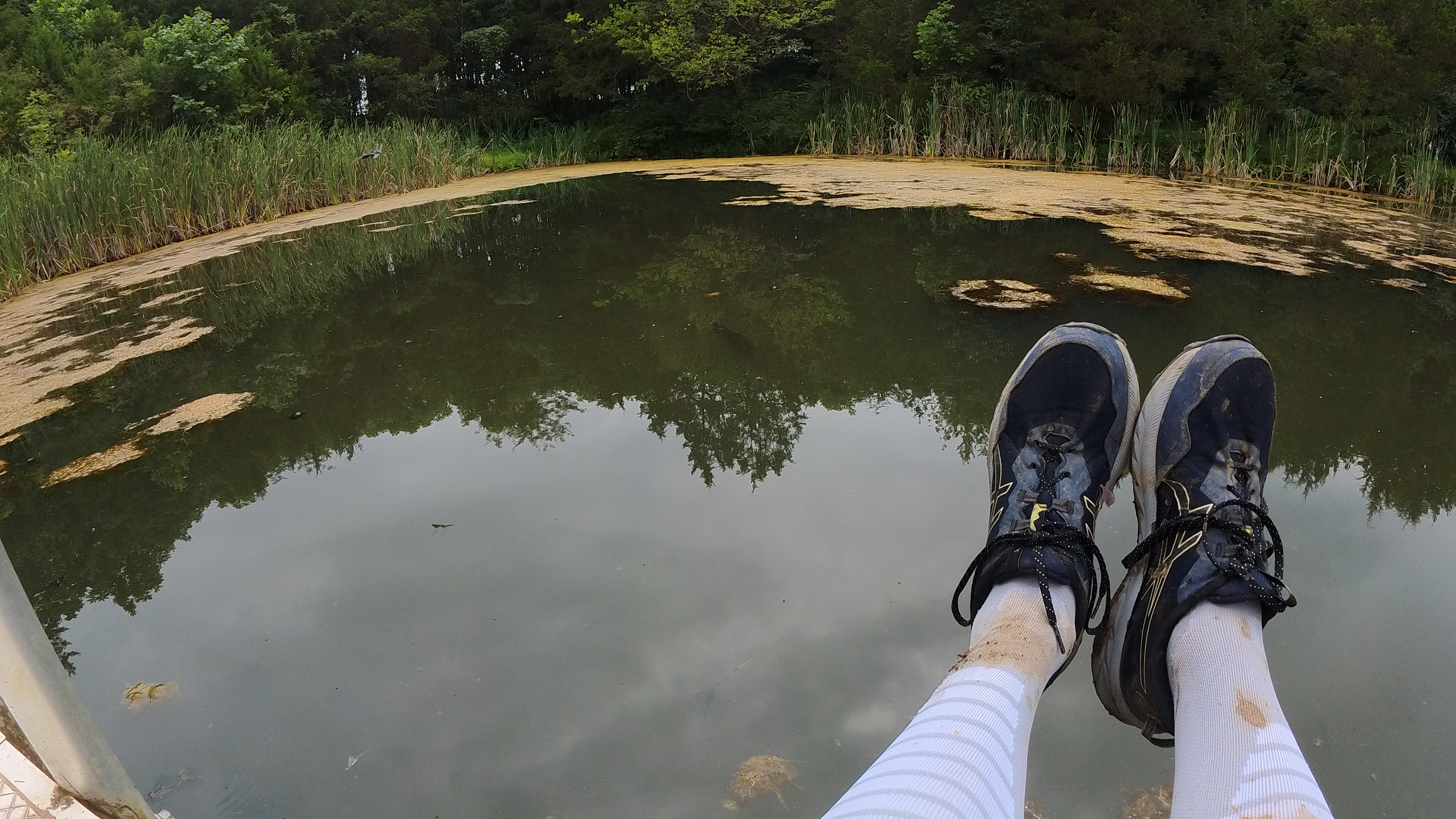
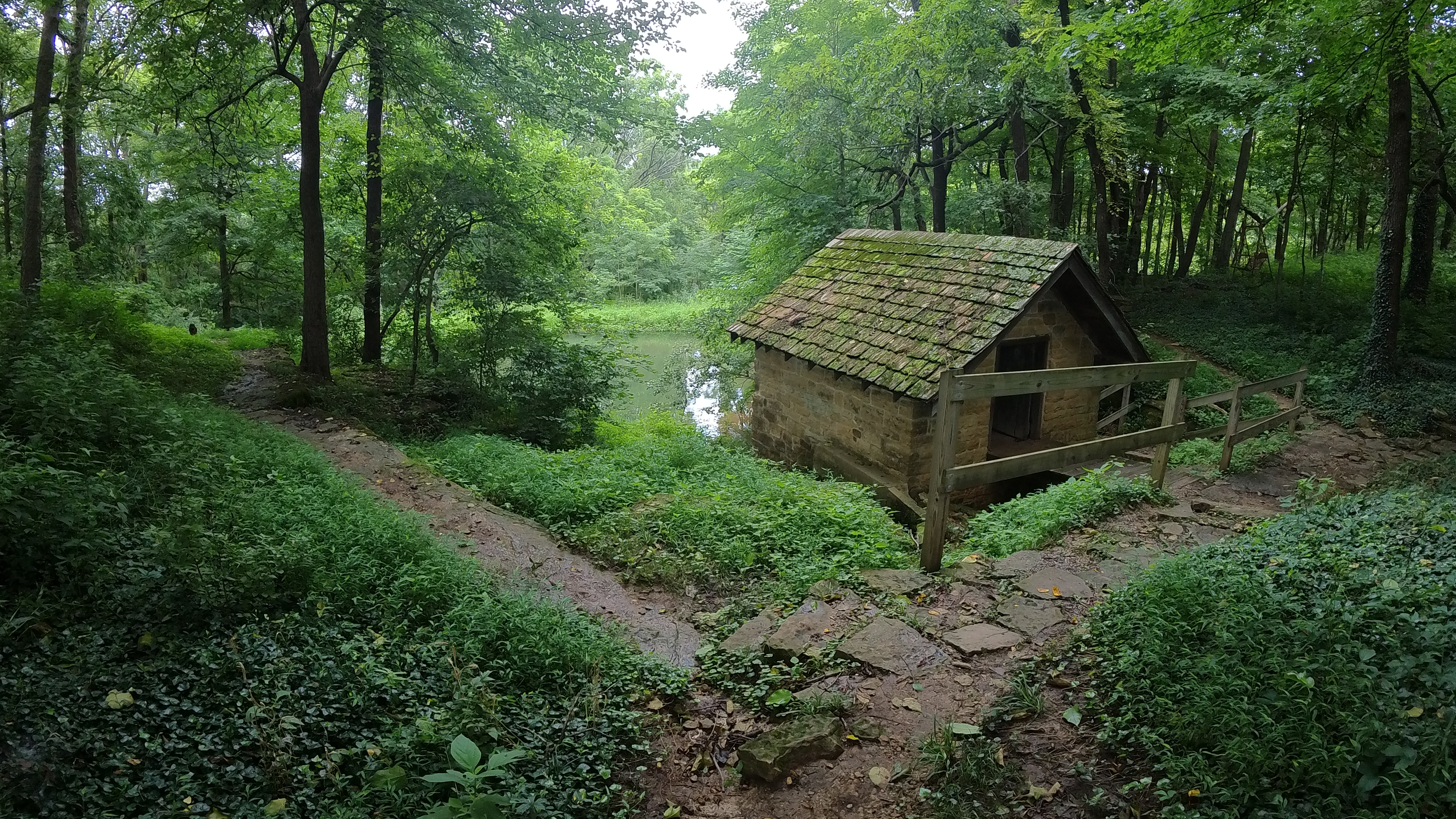
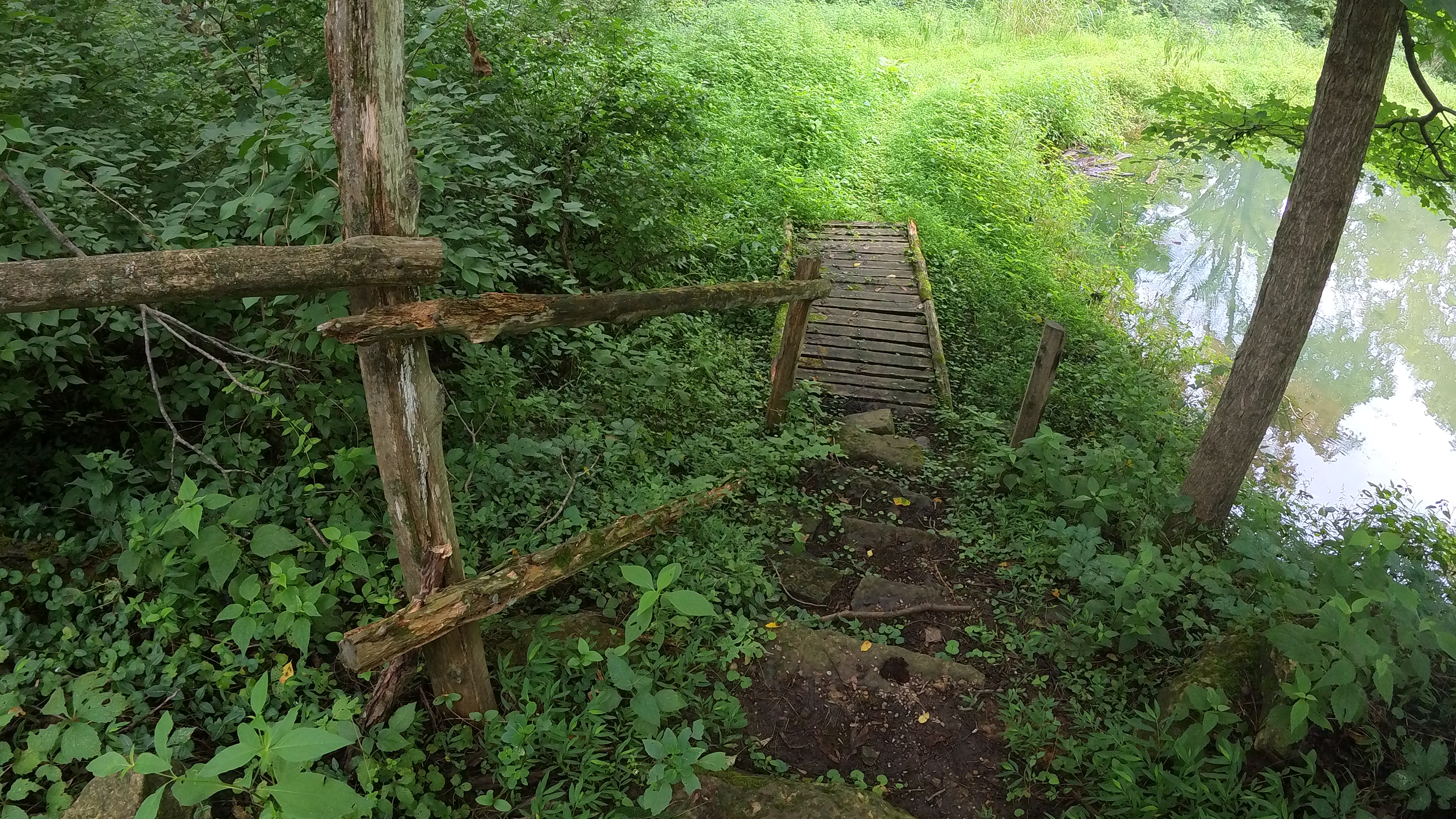
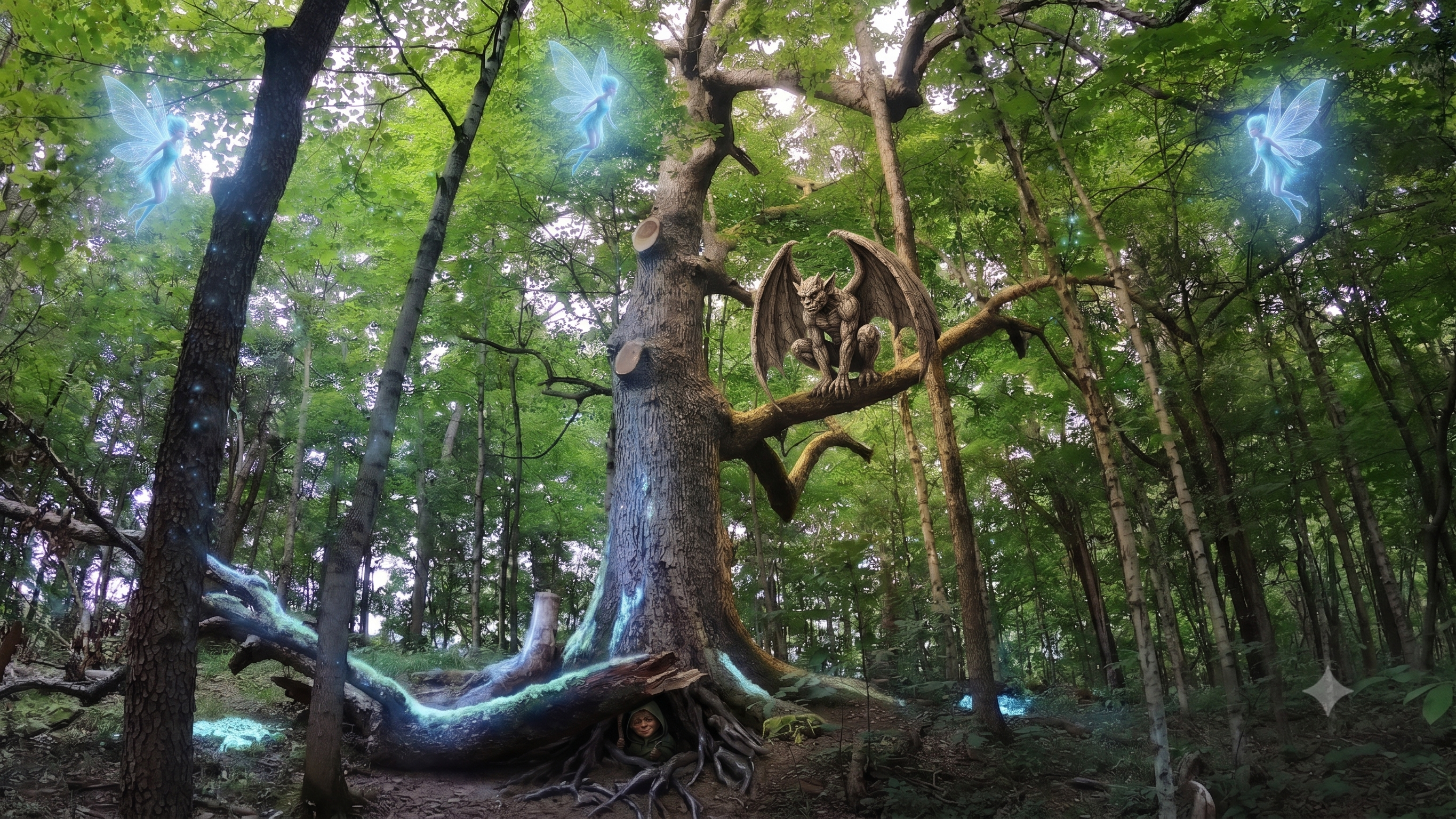
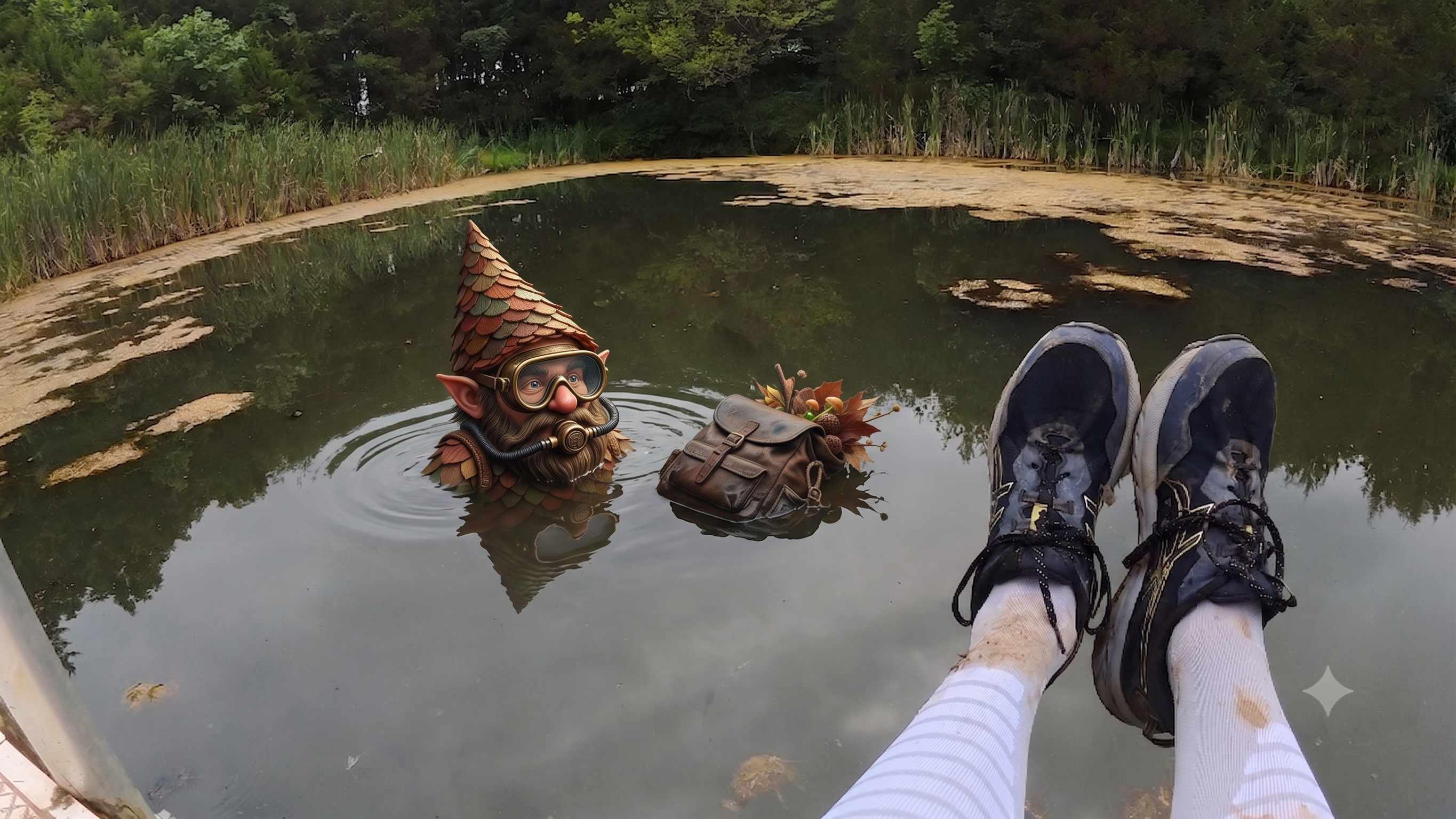
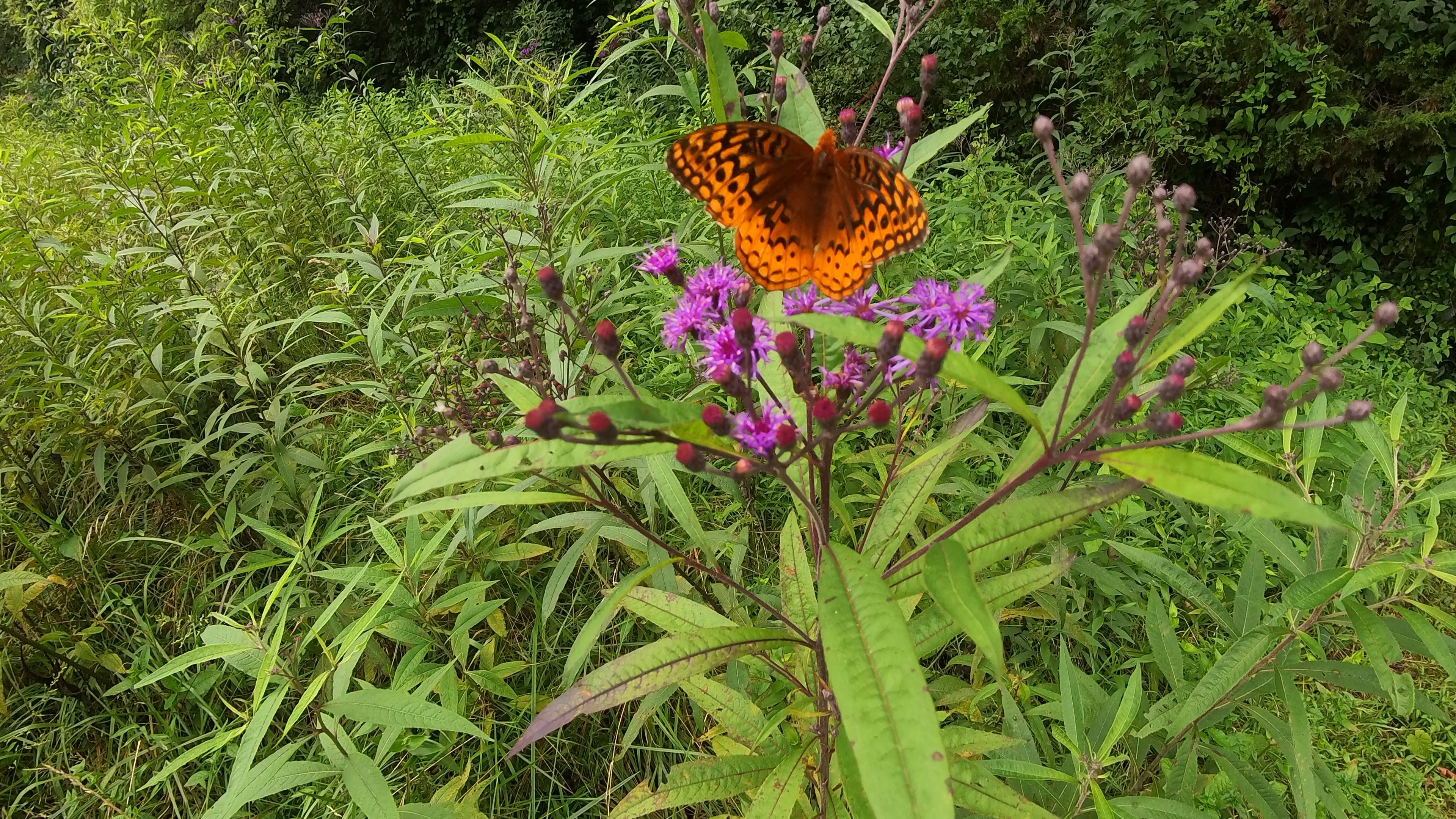
Some wet trails today, but the weather was nice. I took a tour of the main house and learned about the history of the people who lived there. Saw some really nice orange Chanterelle mushrooms. I got some good video of a Great Spangled Fritillary and a Spicebush Swallowtail. There was some Tall Ironweed near the dock at the Dragonfly Pond. The old White Oak had sustained some damage in recent storms. At over 300 years old it is doing just fine.
Past and Present
Standing beneath that ancient white oak, it's wild to think about everything it has witnessed since Moses Tyler first cleared this land in the 1790s and Presley Tyler built the 1844 brick farmhouse. The tree was already well-rooted long before Judge Macauley and Emilie Smith donated the property to create Kentucky's first state nature preserve. Between SpaceX's thirteenth Starship test flight successfully deploying new Starlink satellites and NASA announcing fresh cislunar space technology demonstrations, human ambition is reaching further out into the cosmos than ever. It's quite a contrast to global news, where international trade tariffs are being debated and overseas conflicts continue in the background, though out here in the quiet woods, those distant troubles feel far away.
It makes you reflect on the balance between our roots and where we're headed. Watching a hawk soar over the pasture while reading about rocket re-entries and lunar technology, you realize how nature and human ingenuity mirror one another. The same quiet determination that drove early settlers to build a life along Chenoweth Run is now propelling humanity toward new frontiers. Storms will always pass through, whether in the weather forecast or on the world stage, but the deep roots in places like Blackacre remind us of resilience. Walking back to the trailhead, I felt a simple, steady optimism for what lies ahead.
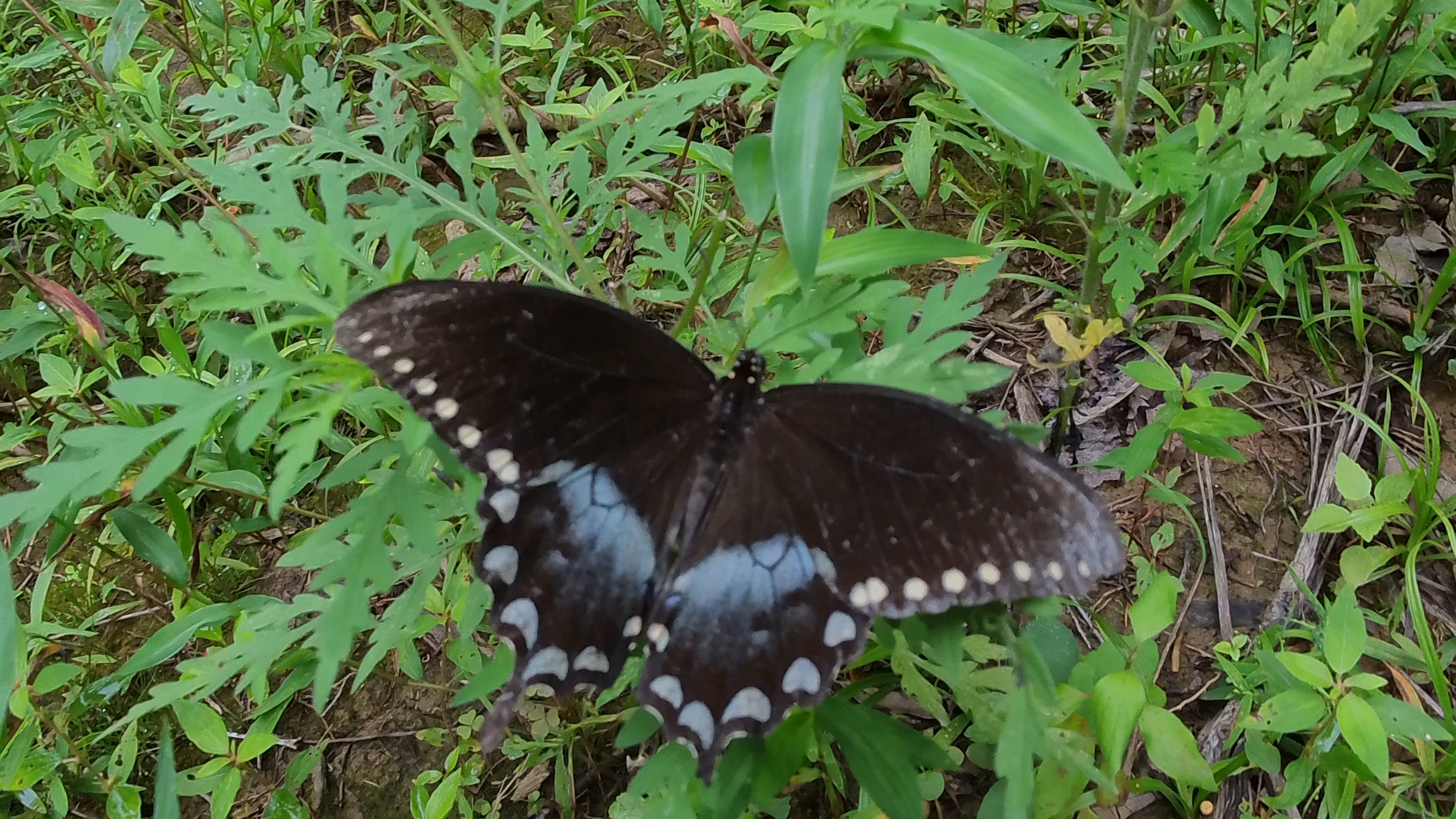
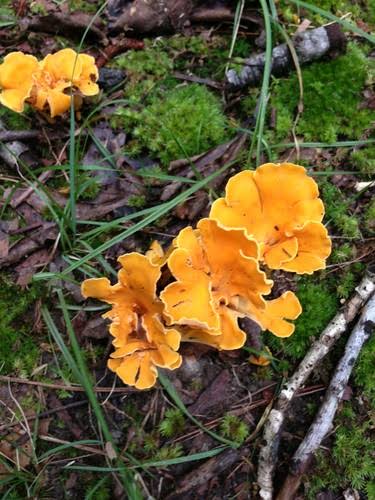
The Smooth Chanterelle (Cantharellus lateritius) - A prized edible wild mushroom native to the hardwood forests of eastern North America. Easily spotted by its vibrant egg-yolk yellow to orange color and wavy, funnel-shaped cap, it sets itself apart from related species by its nearly flat, smooth underside that lacks deep gills or sharp ridges. It fruits directly from the forest floor during warm, humid summer months, forming beneficial mycorrhizal relationships with the roots of trees like oaks. Foragers particularly value the Smooth Chanterelle for its firm, peelable flesh, clean flavor, and subtle aroma reminiscent of fresh apricots.
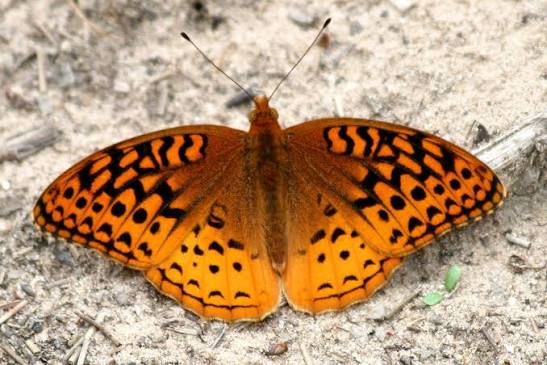
The Great Spangled Fritillary (Speyeria cybele) - A large, vibrant butterfly recognizable by the rich orange and black checkered pattern on its upper wings. On the undersides of its hindwings, it features broad, brilliant silver spots—or "spangles"—that give the species its name. Active throughout the summer, this striking pollinator is a frequent visitor to open fields, sunny trail edges, and overgrown meadows where it feeds on late-summer wildflowers like thistles and ironweed, while its caterpillars rely exclusively on native violets for food.
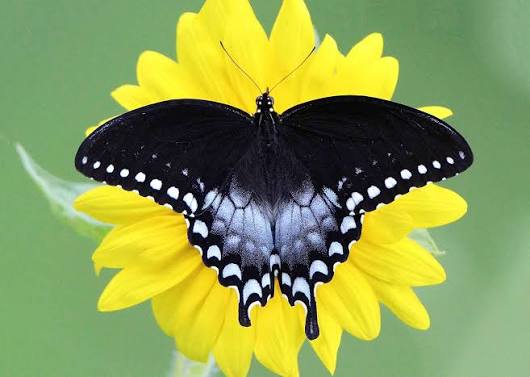
Spicebush Swallowtail (Papilio troilus) - A velvety, dark-winged butterfly prized for its elegant appearance and clever defense mechanisms. Its charcoal-black wings feature a row of light cream spots along the edges and a stunning, iridescent blue wash across the lower wings. To avoid predators, adults mimic the toxic Pipevine Swallowtail, while their caterpillars go through remarkable disguises—starting out resembling bird droppings before turning bright green with snake-like fake eyespots. They are commonly found fluttering near woodland edges and moist thickets where their primary host plants, sassafras and spicebush, grow.
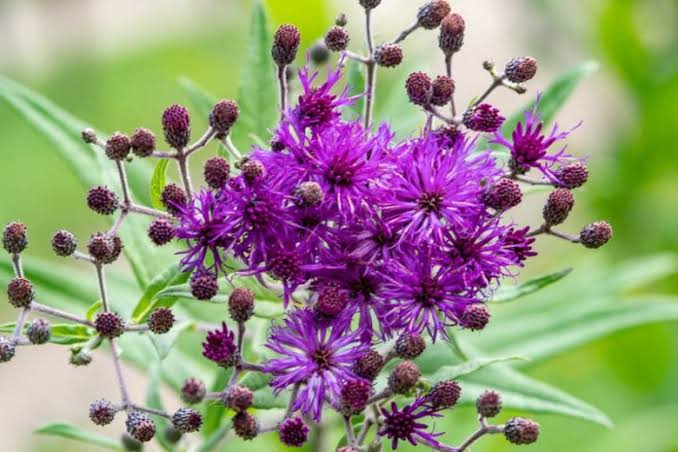
Tall Ironweed (Vernonia gigantea) - A robust native perennial that brightens mid-to-late summer meadows and trail borders with rich, fluffy purple flower clusters. It earns its common name from its remarkably tough, fibrous dark stems, which easily stand up to summer storms. Lacking flat outer ray petals, its deep magenta-violet blooms consist entirely of nectar-rich disc florets. Peak-blooming in July and August, Tall Ironweed plays a crucial ecological role by providing a high-energy refueling station for a wide array of foraging butterflies, native bees, and other pollinators.