Saunders Springs
"Sitting on a creek bank... just watching the world go by." — Luke Bryan
8/2/2026 - 75° Rain
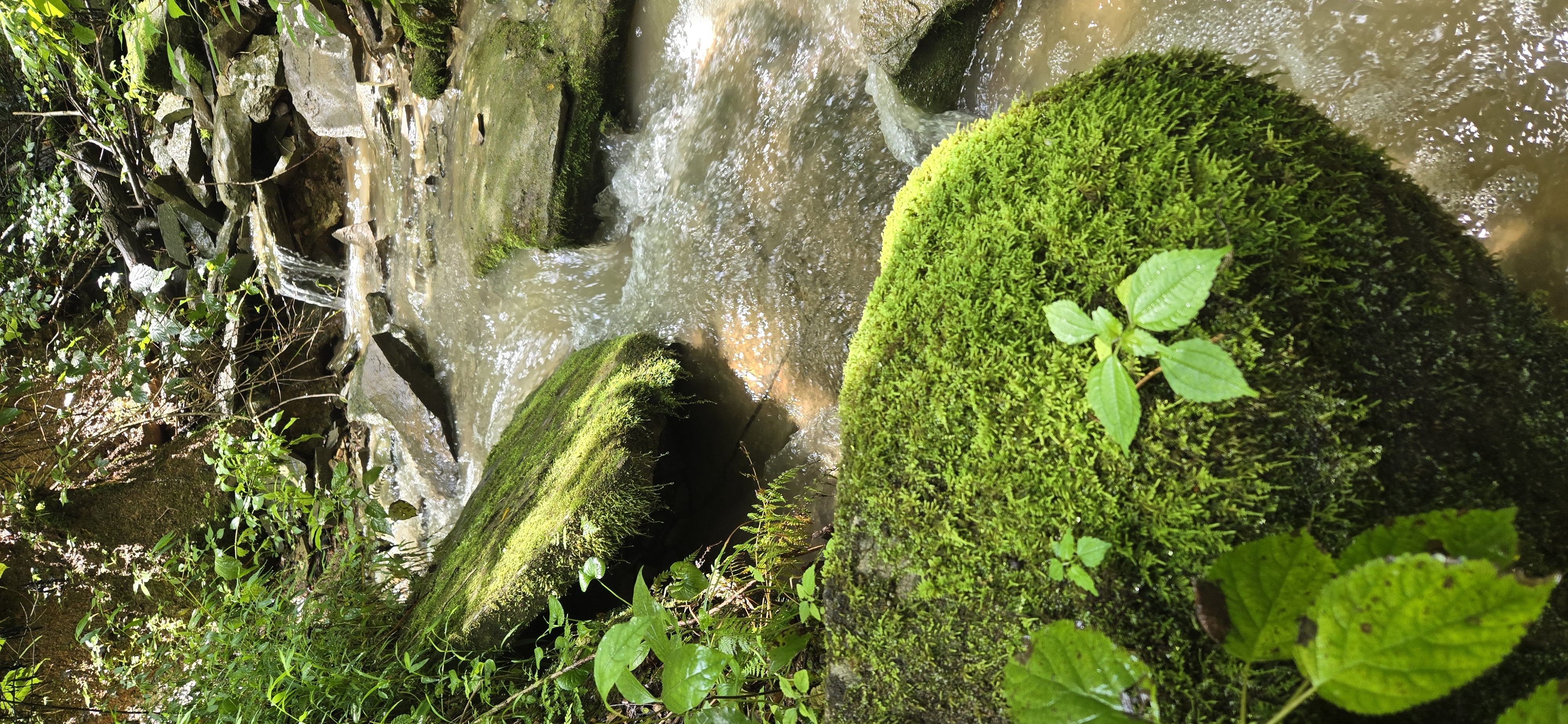
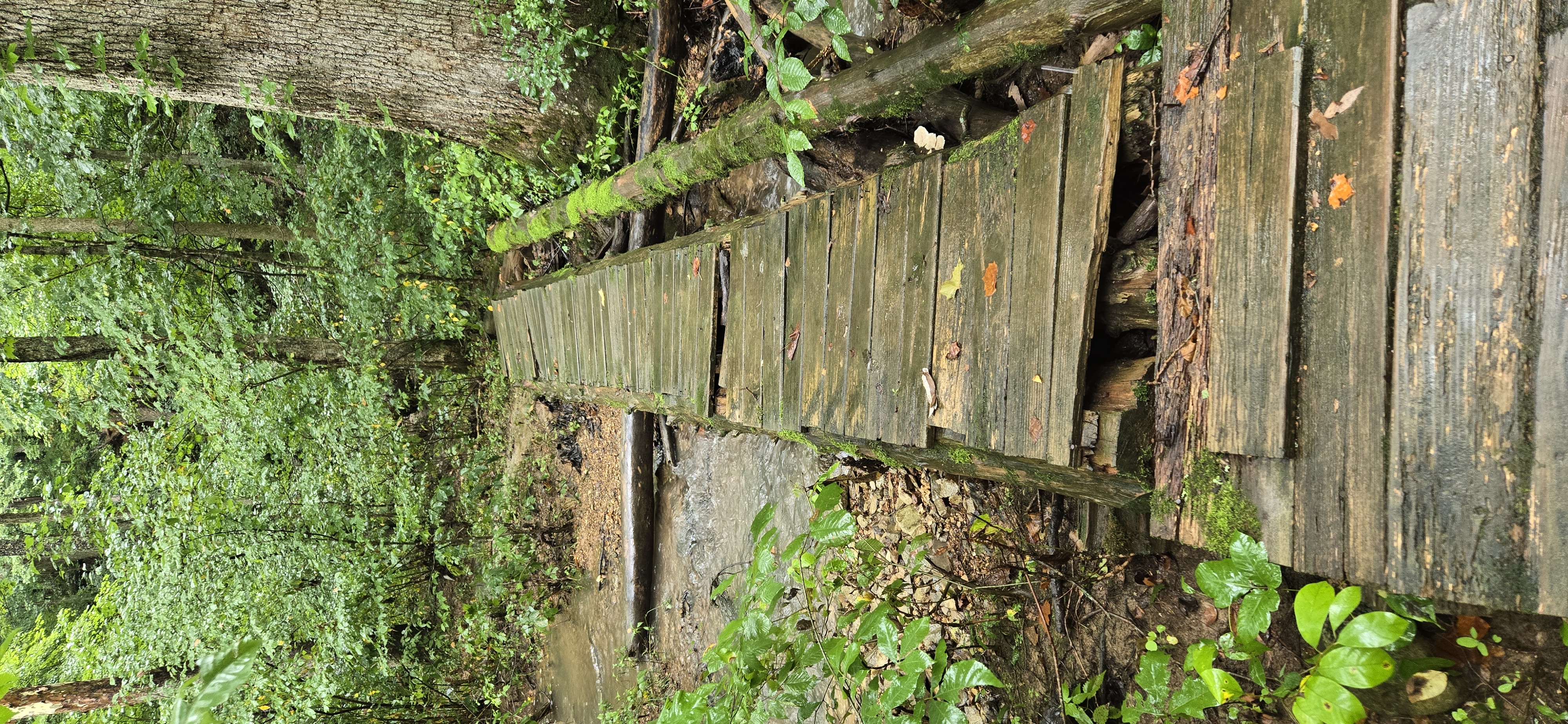
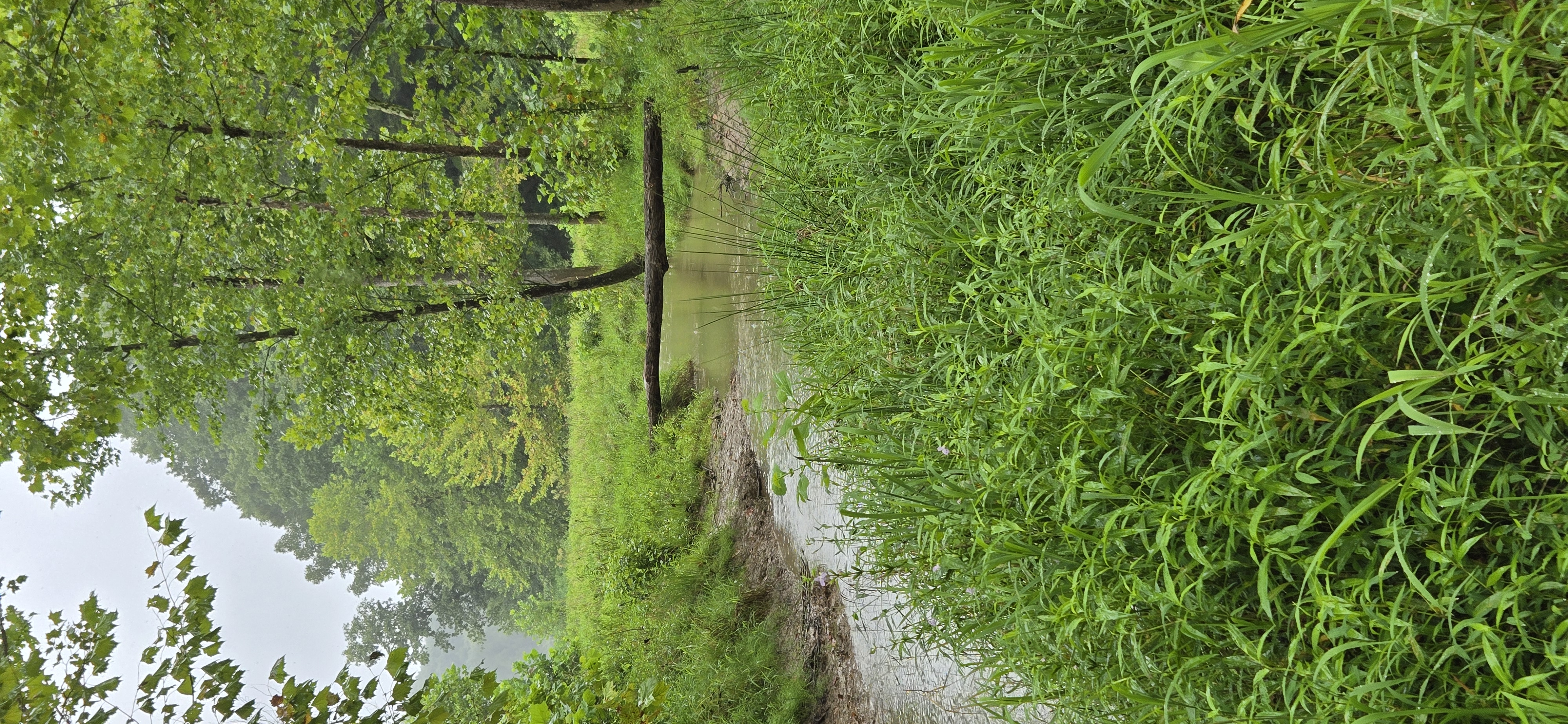
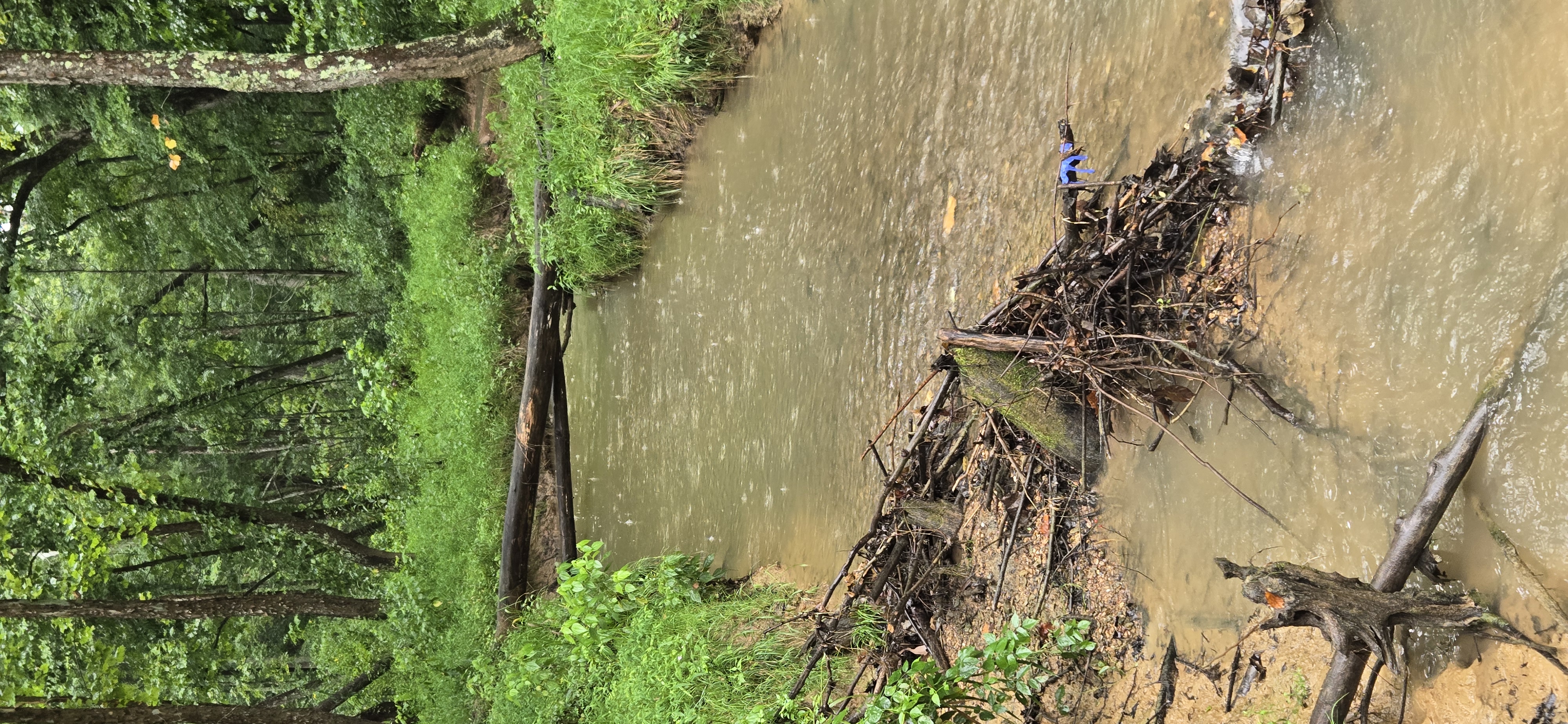
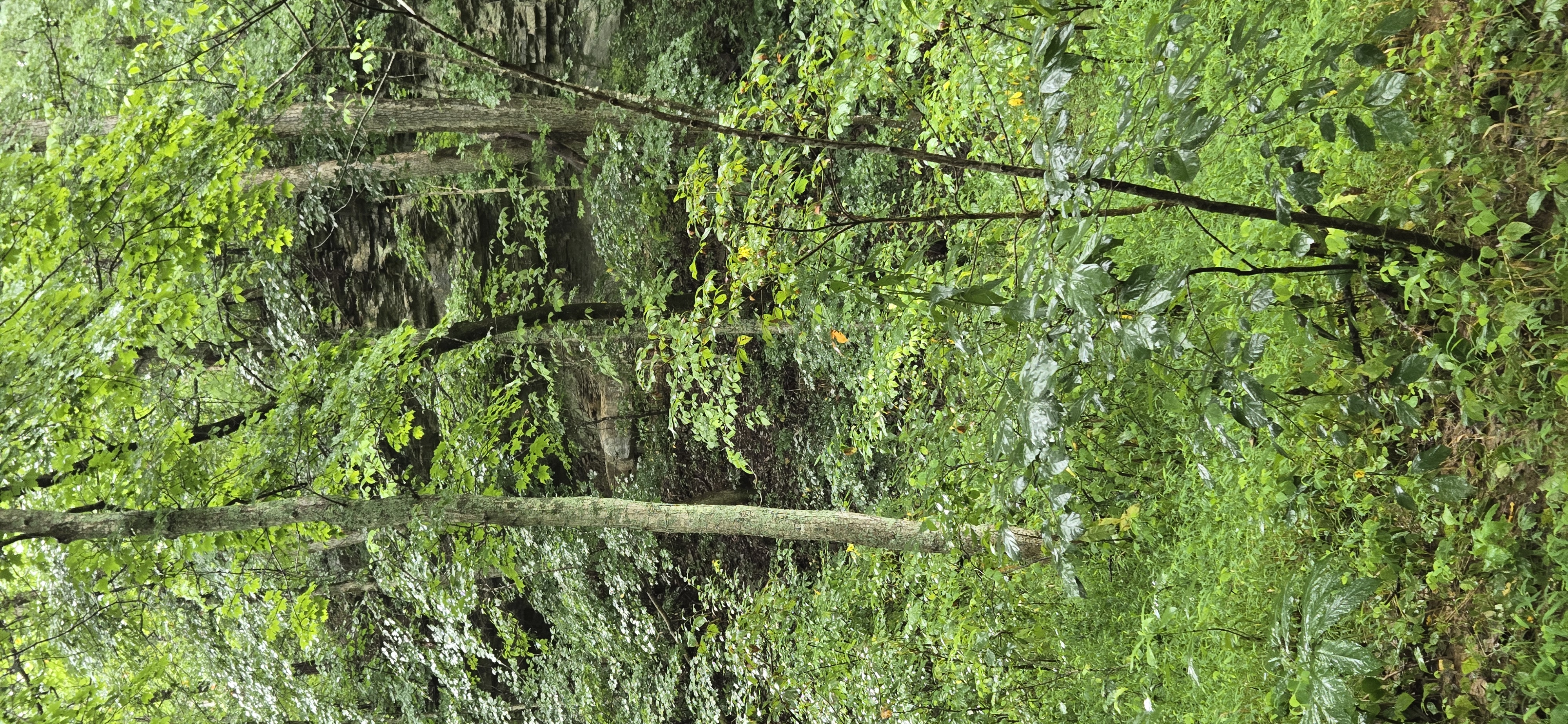
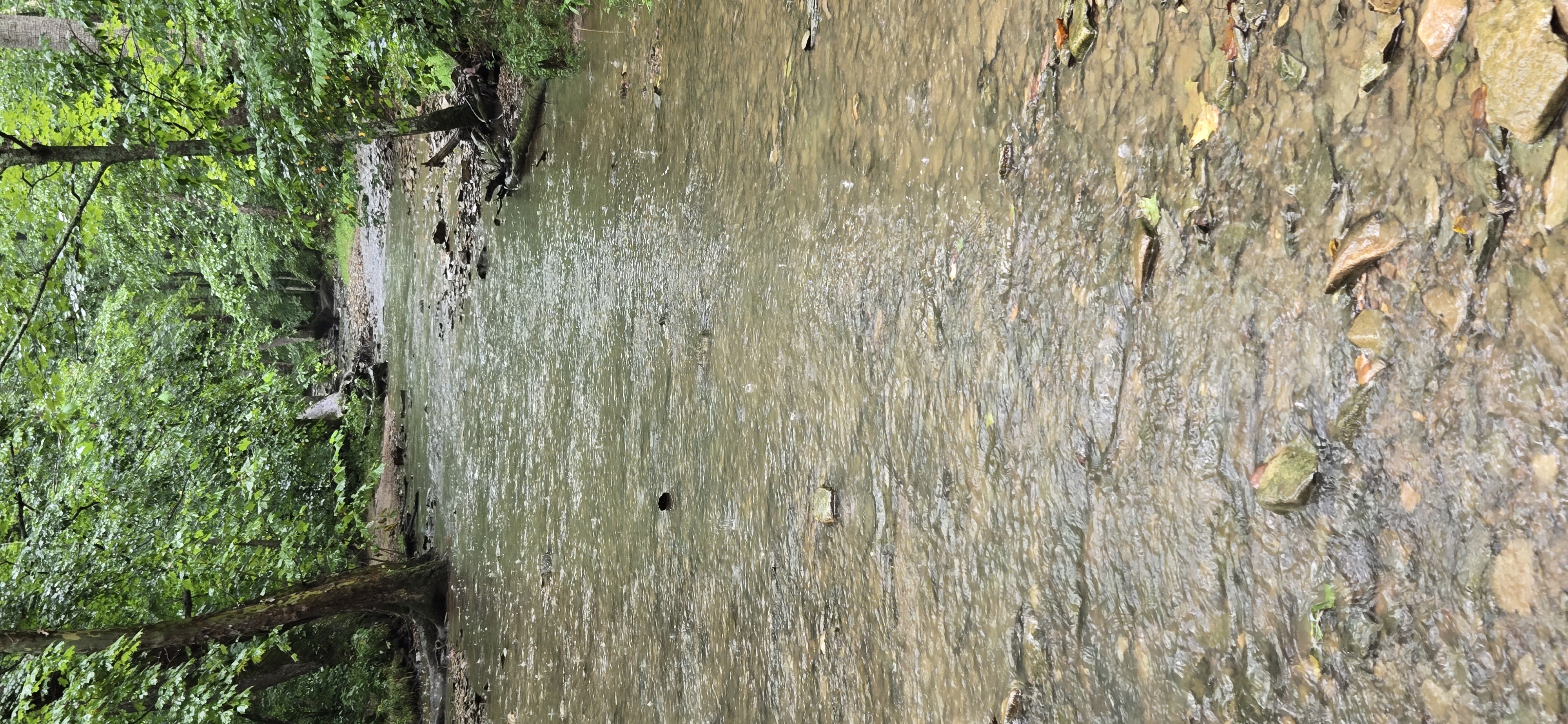
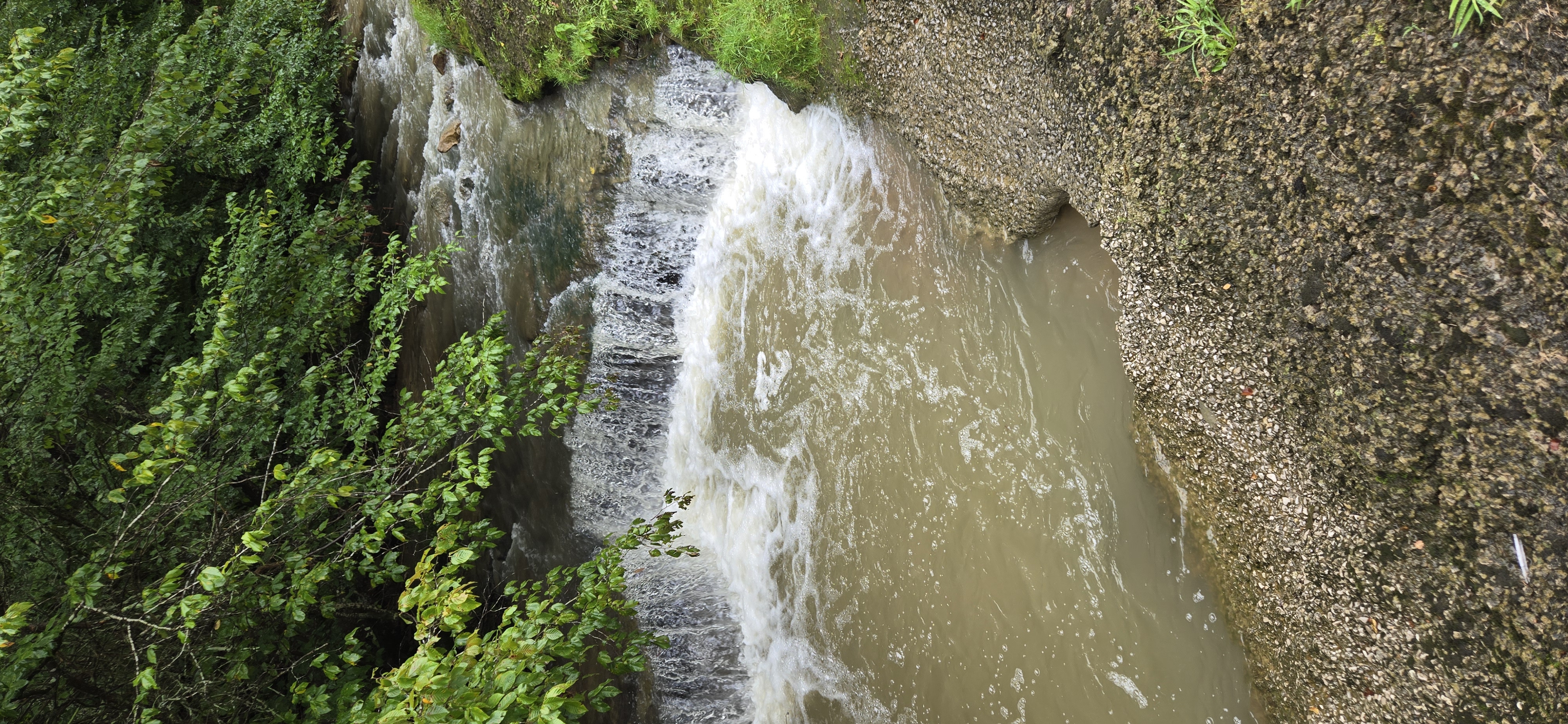
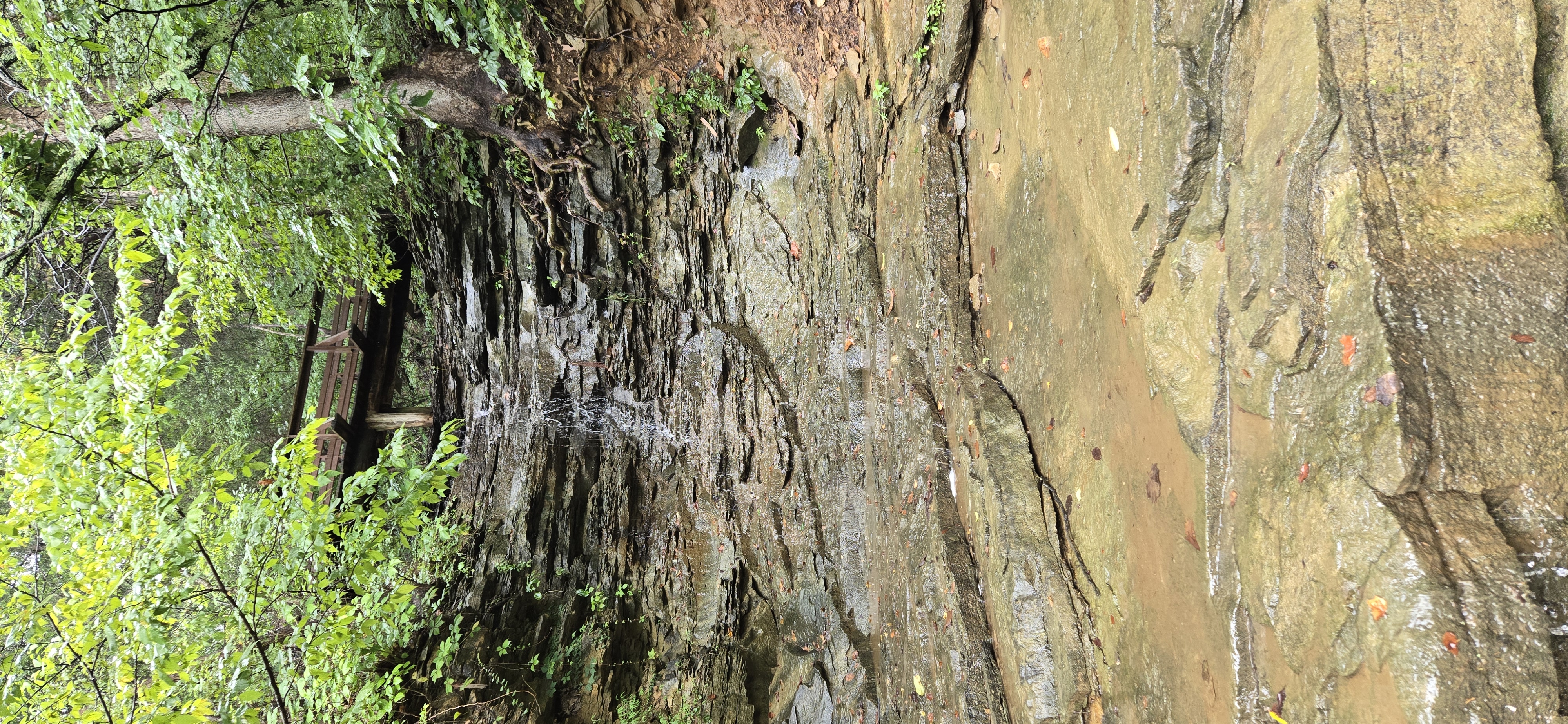
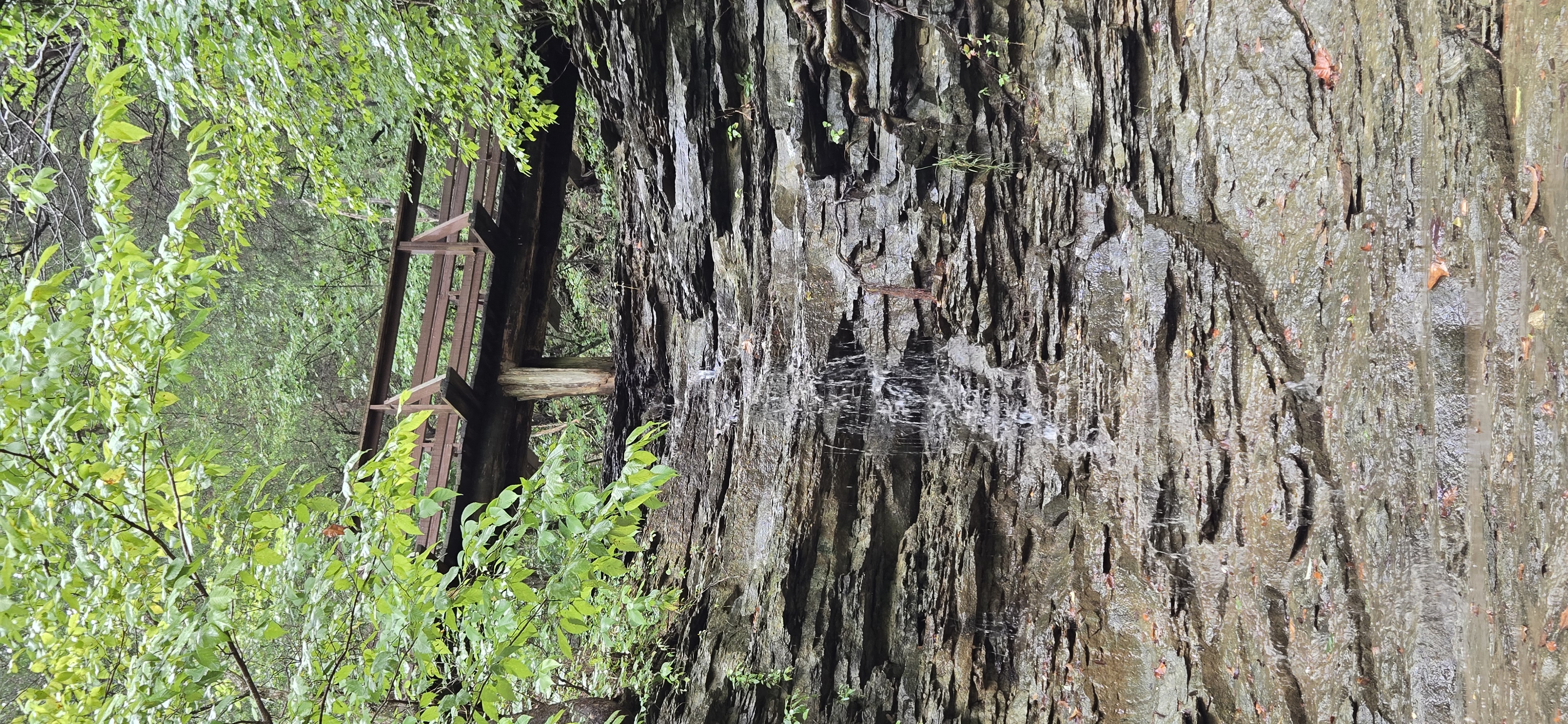
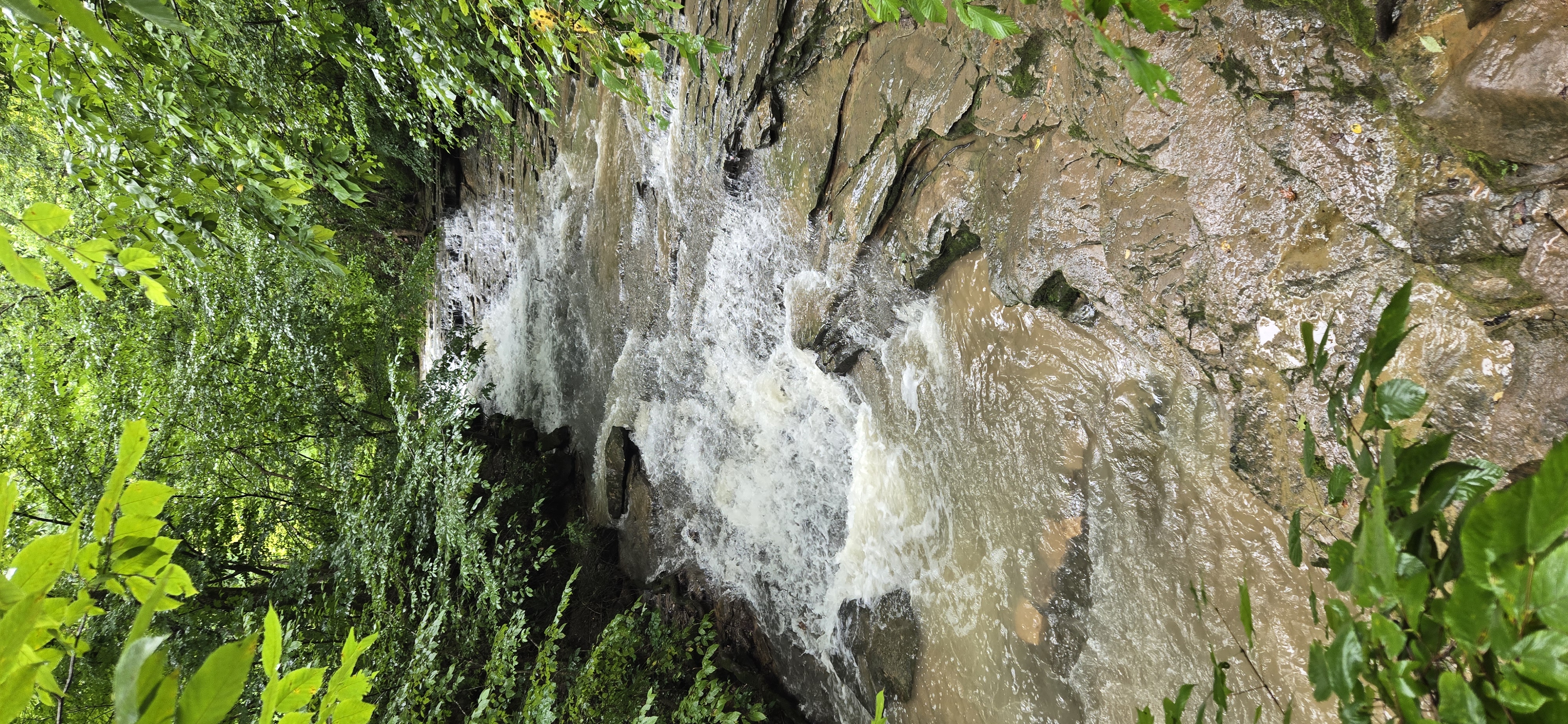
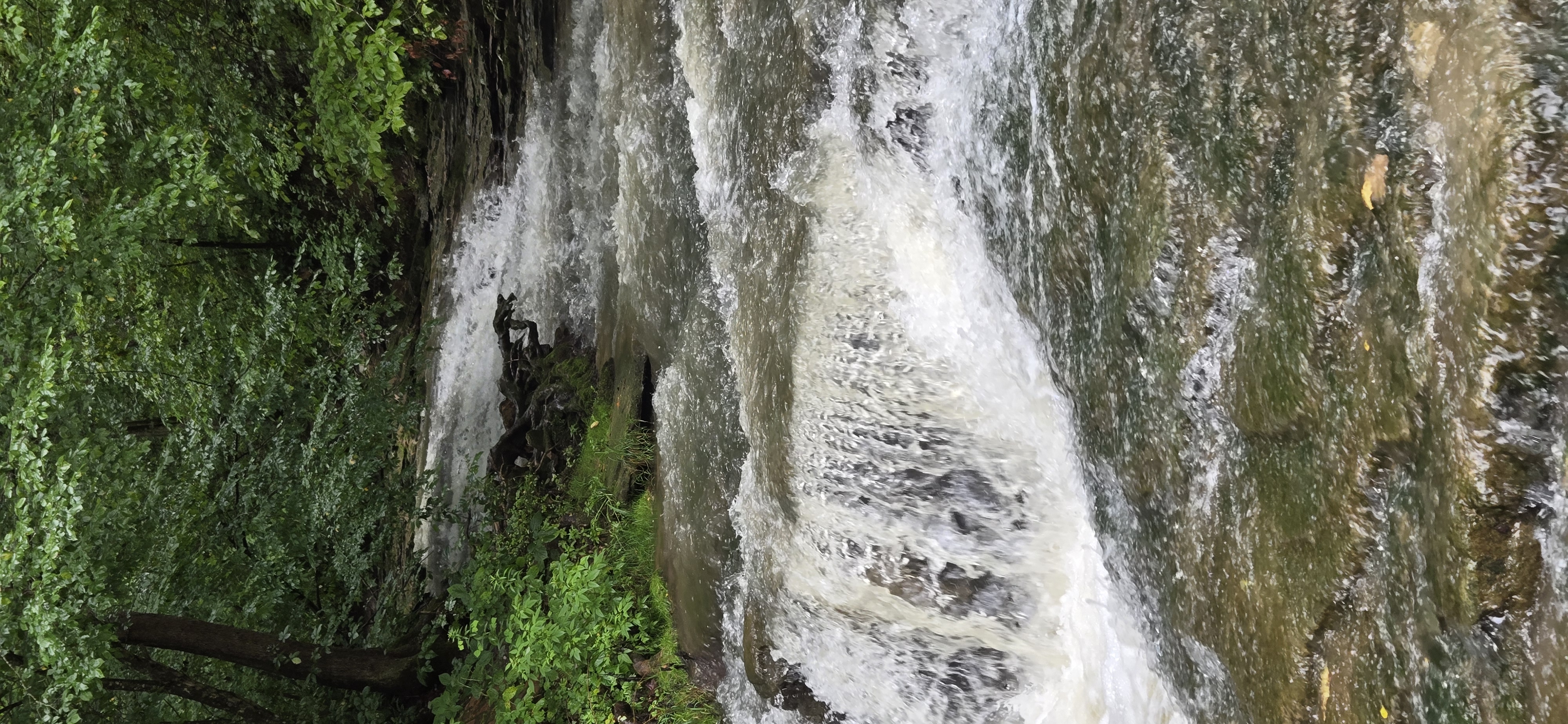
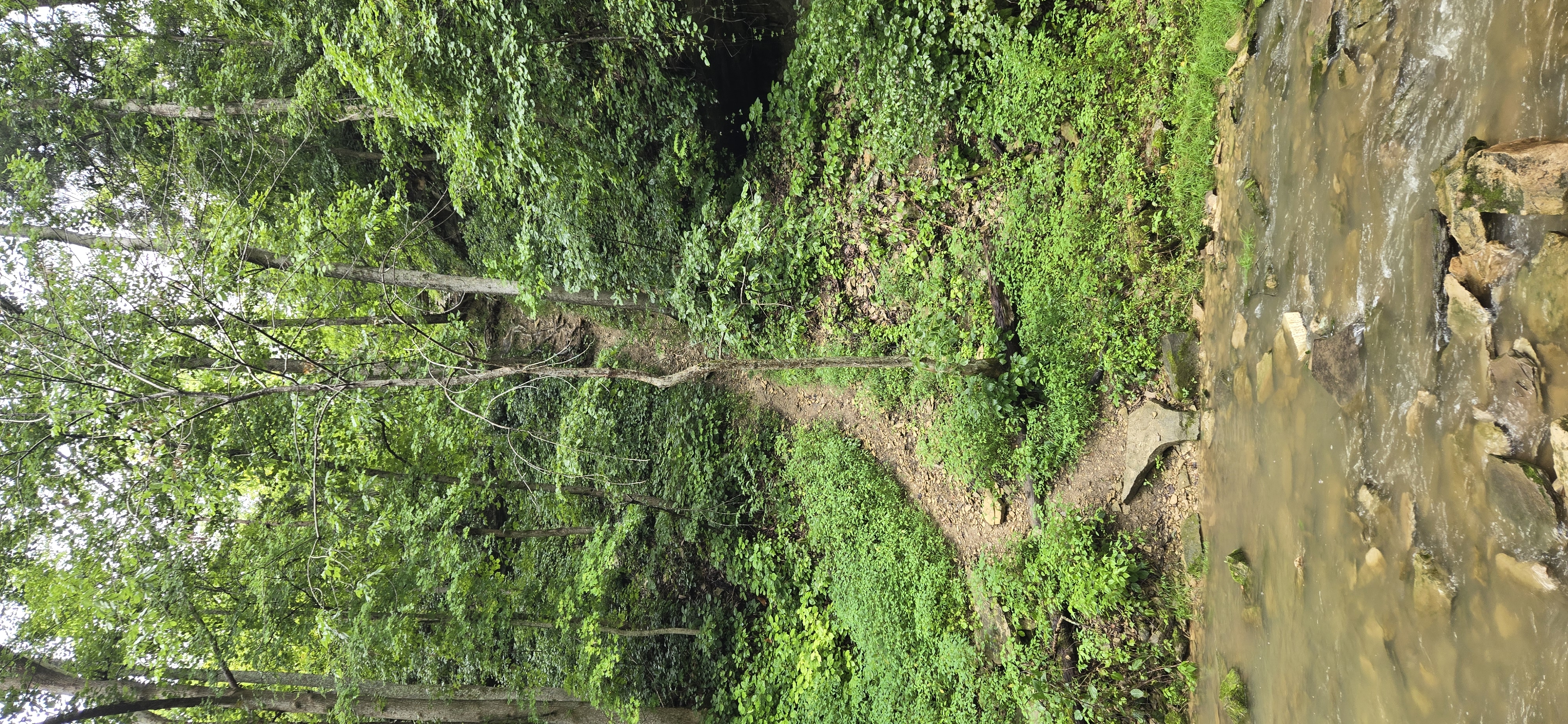
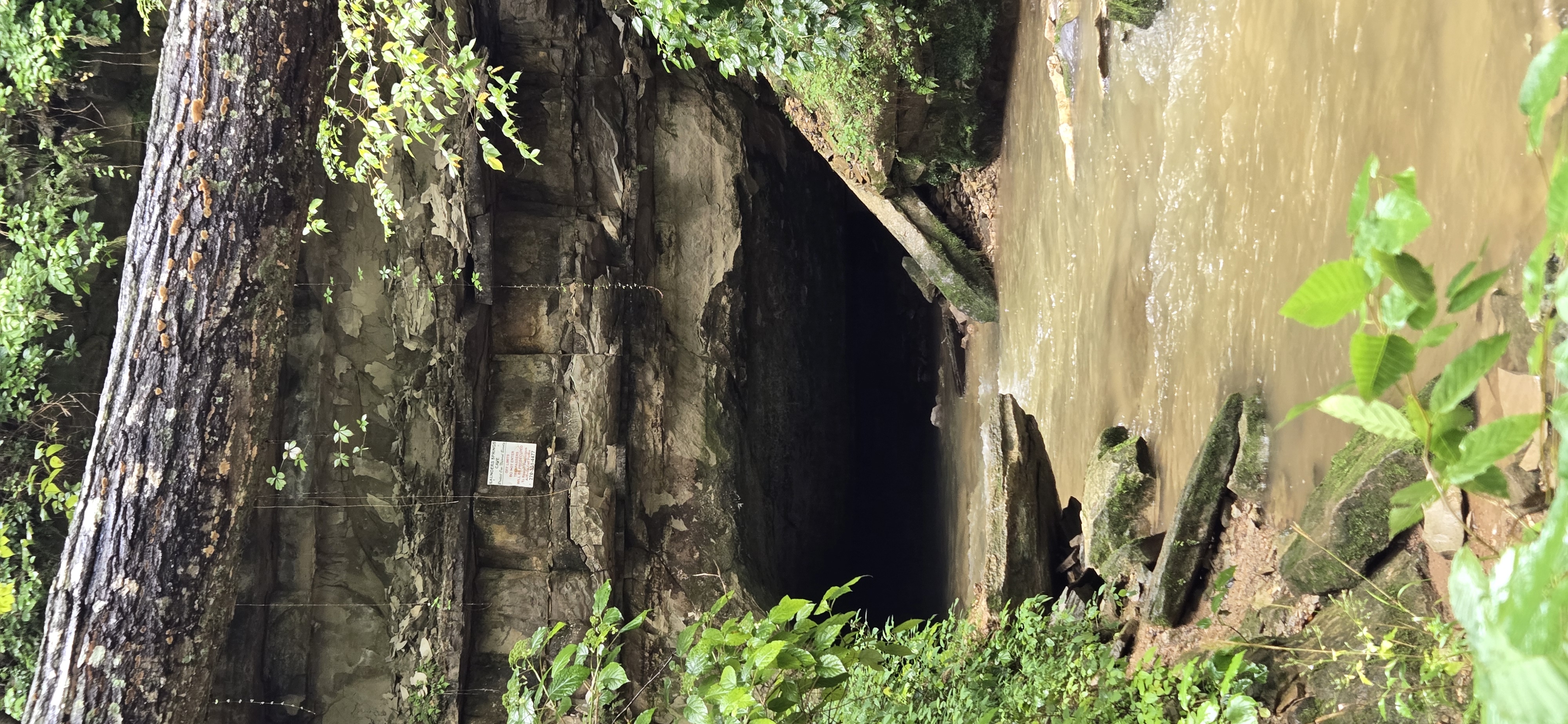
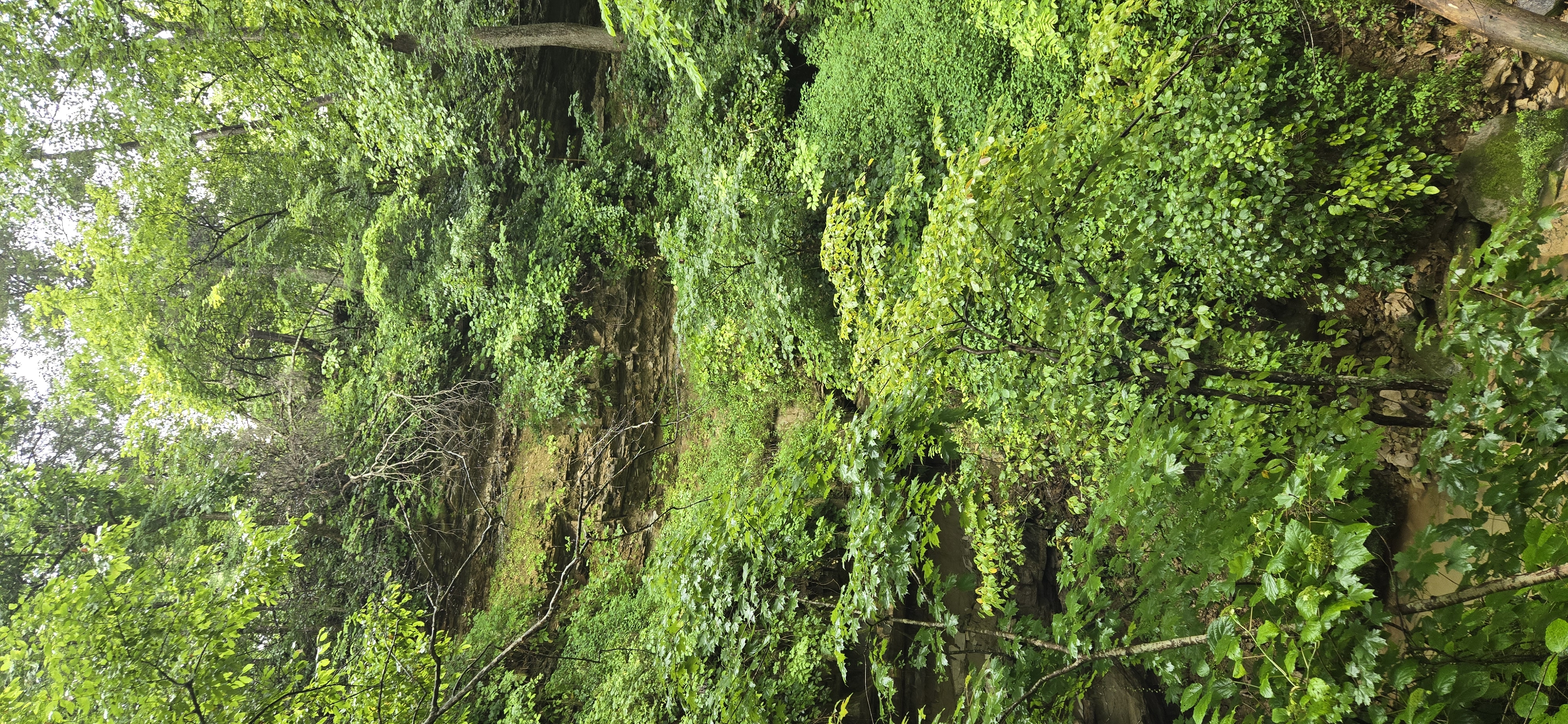
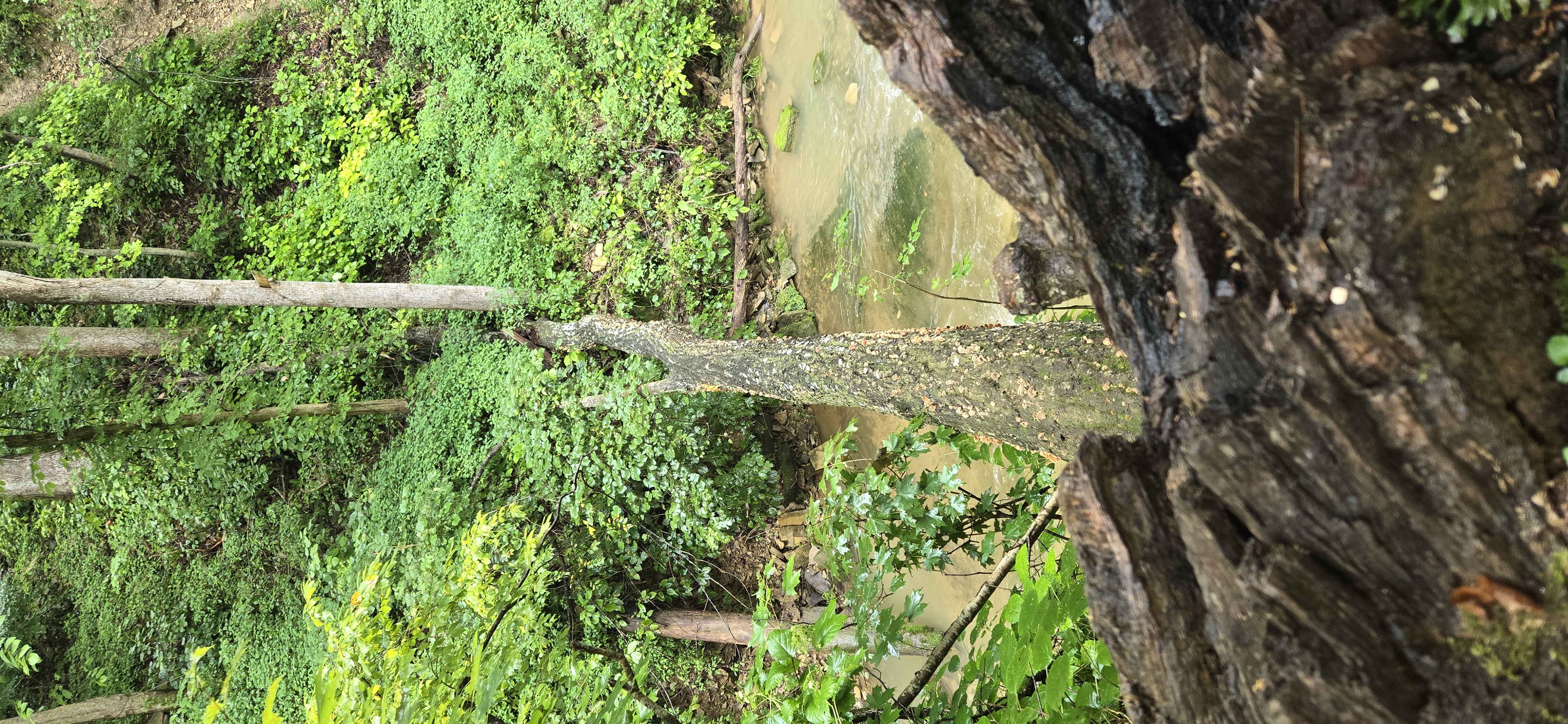
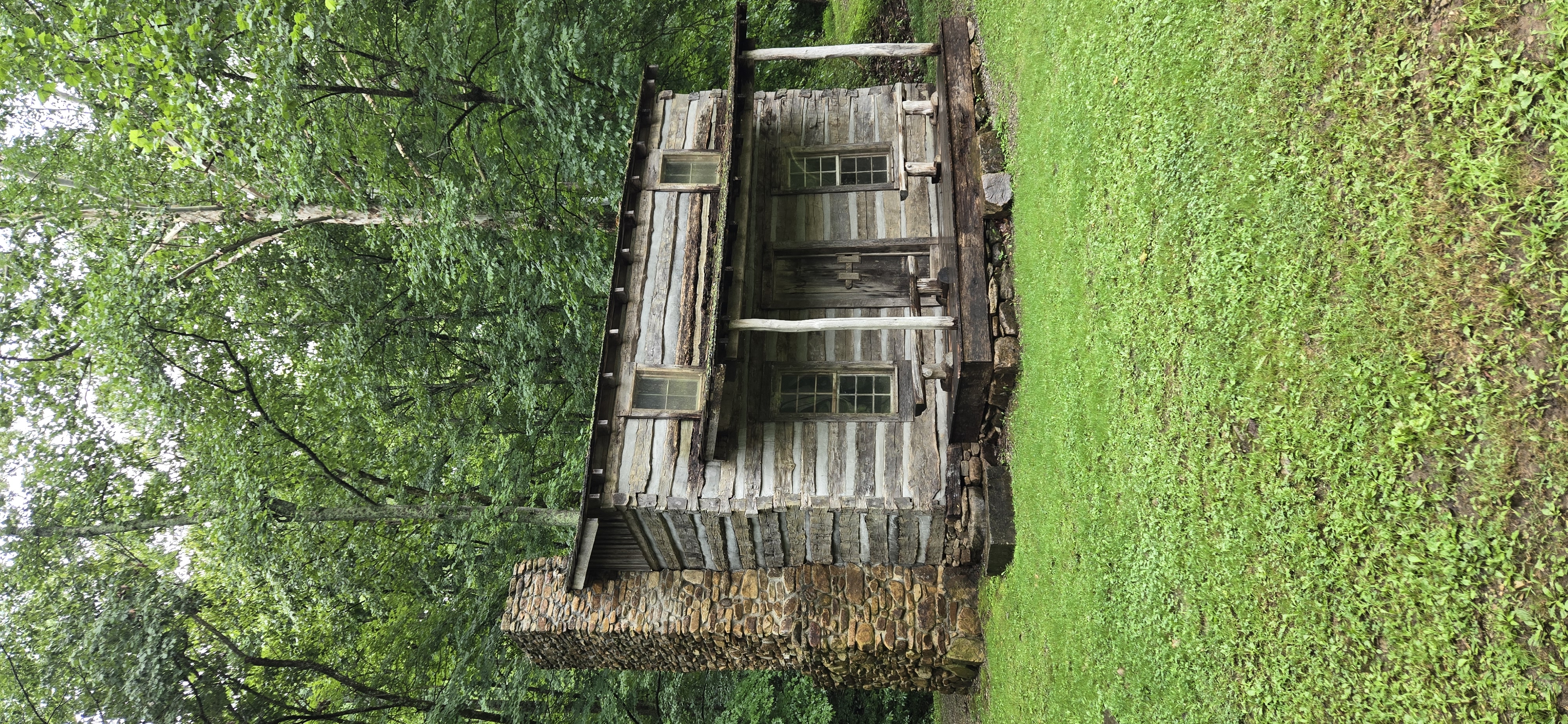
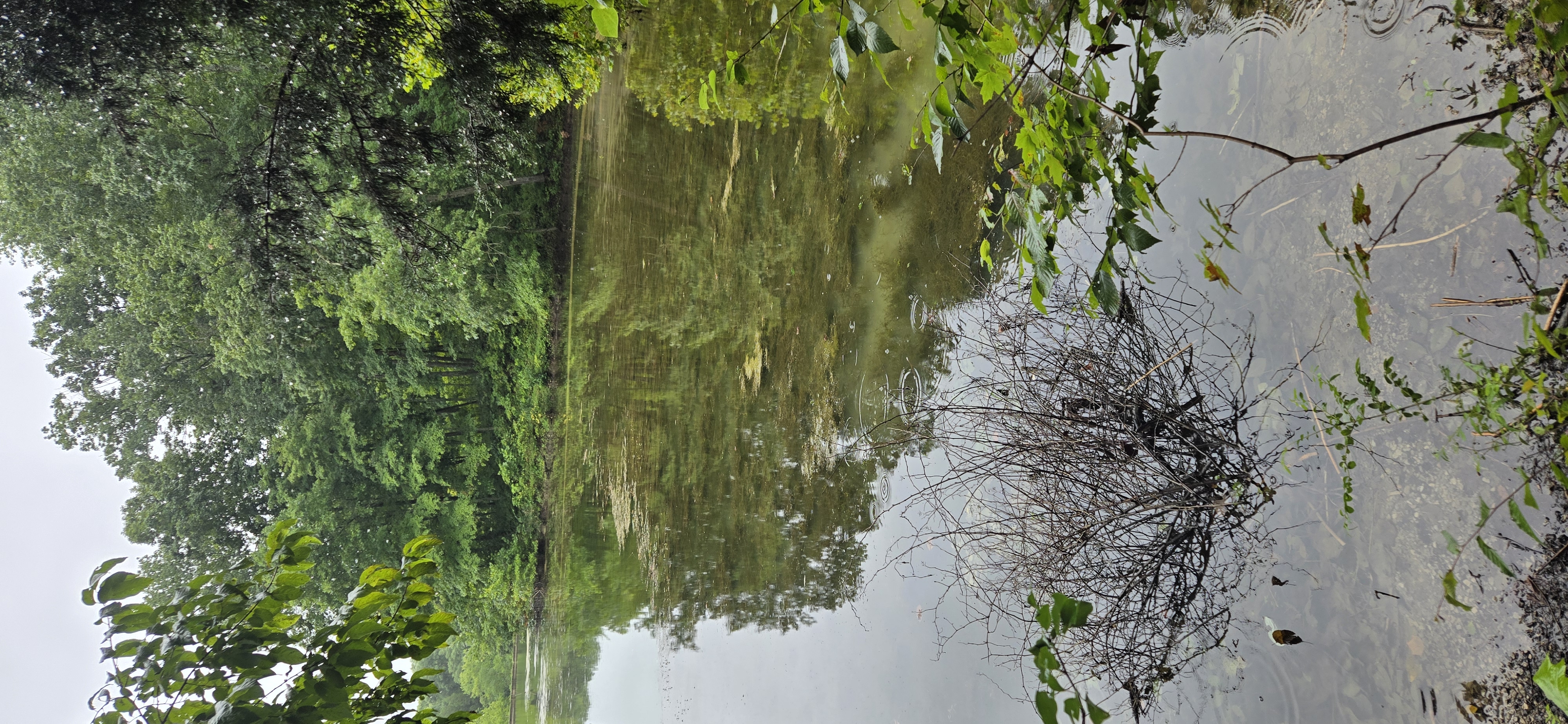
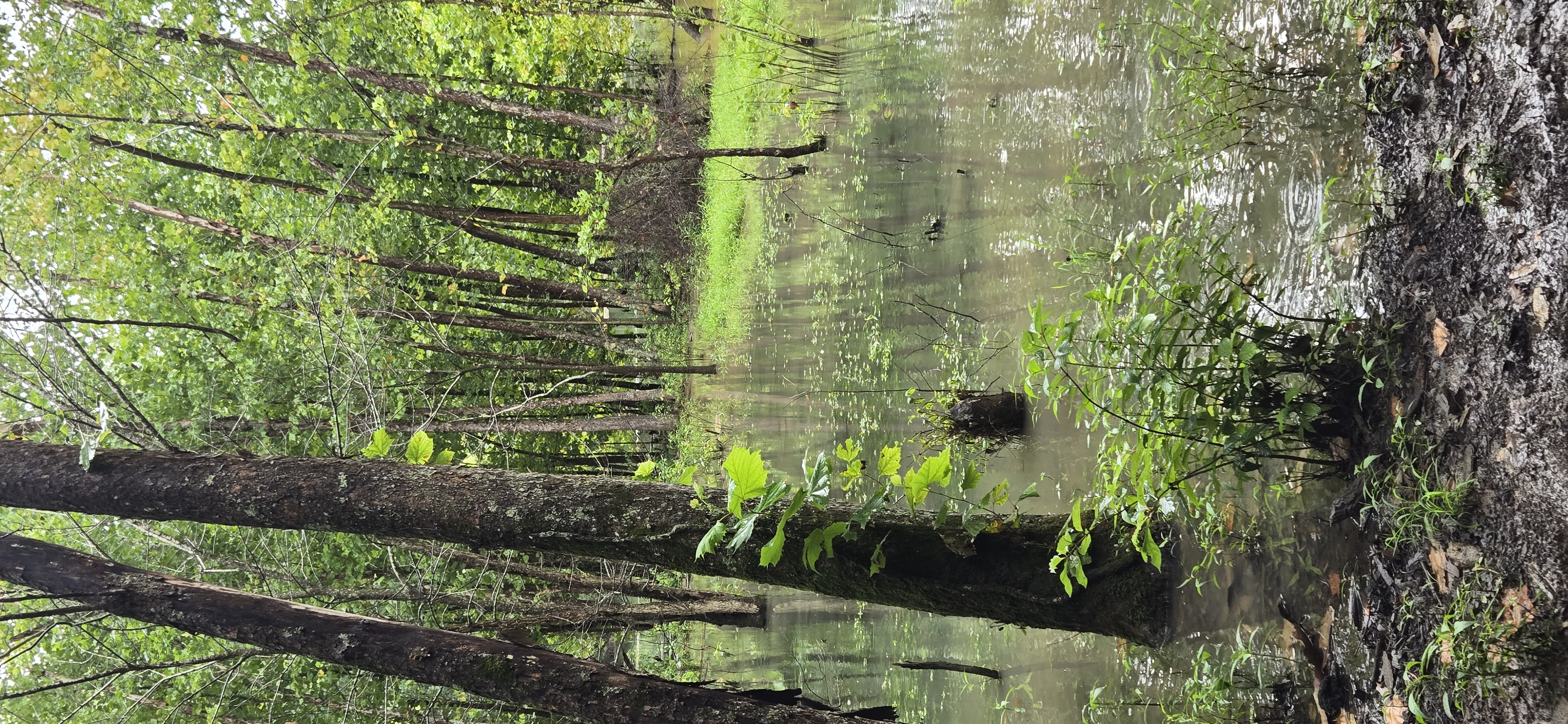
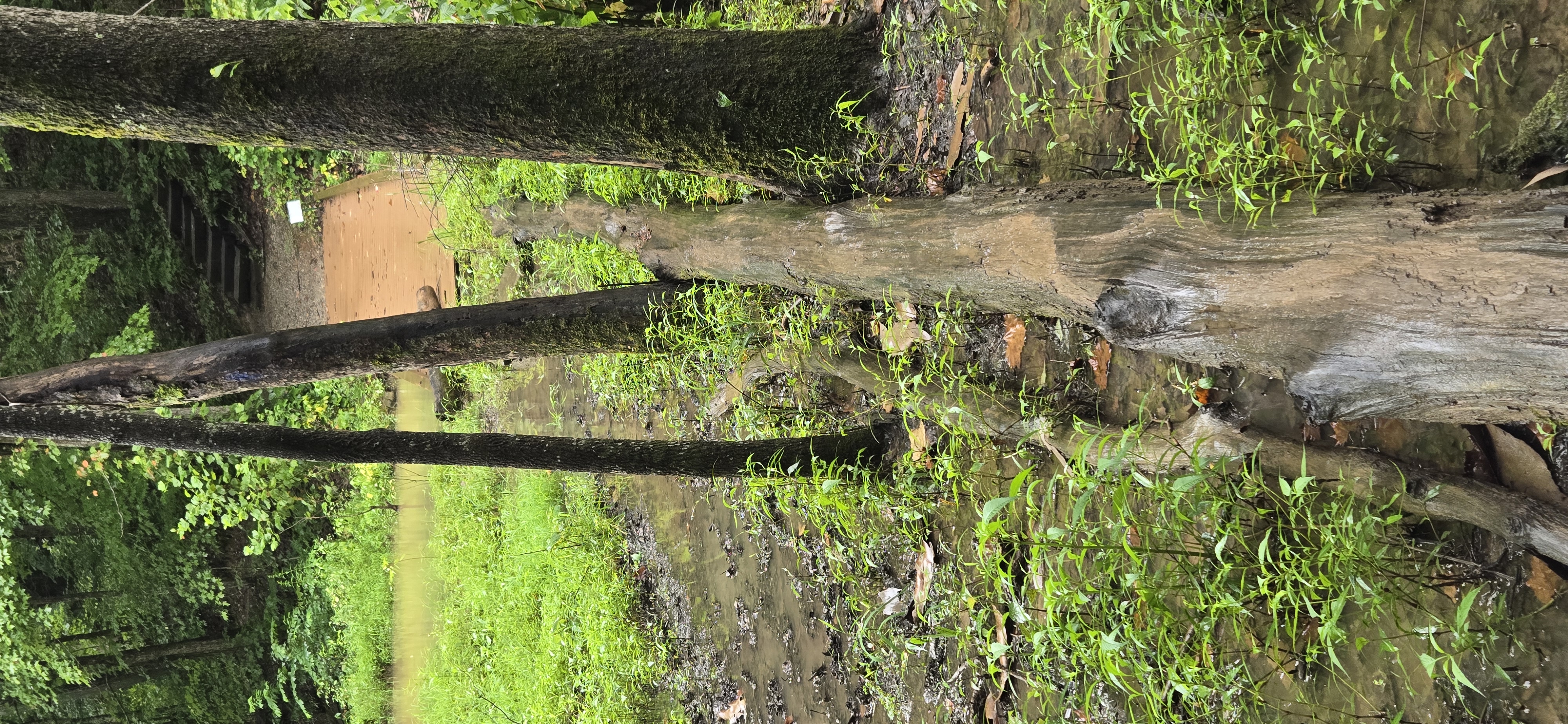
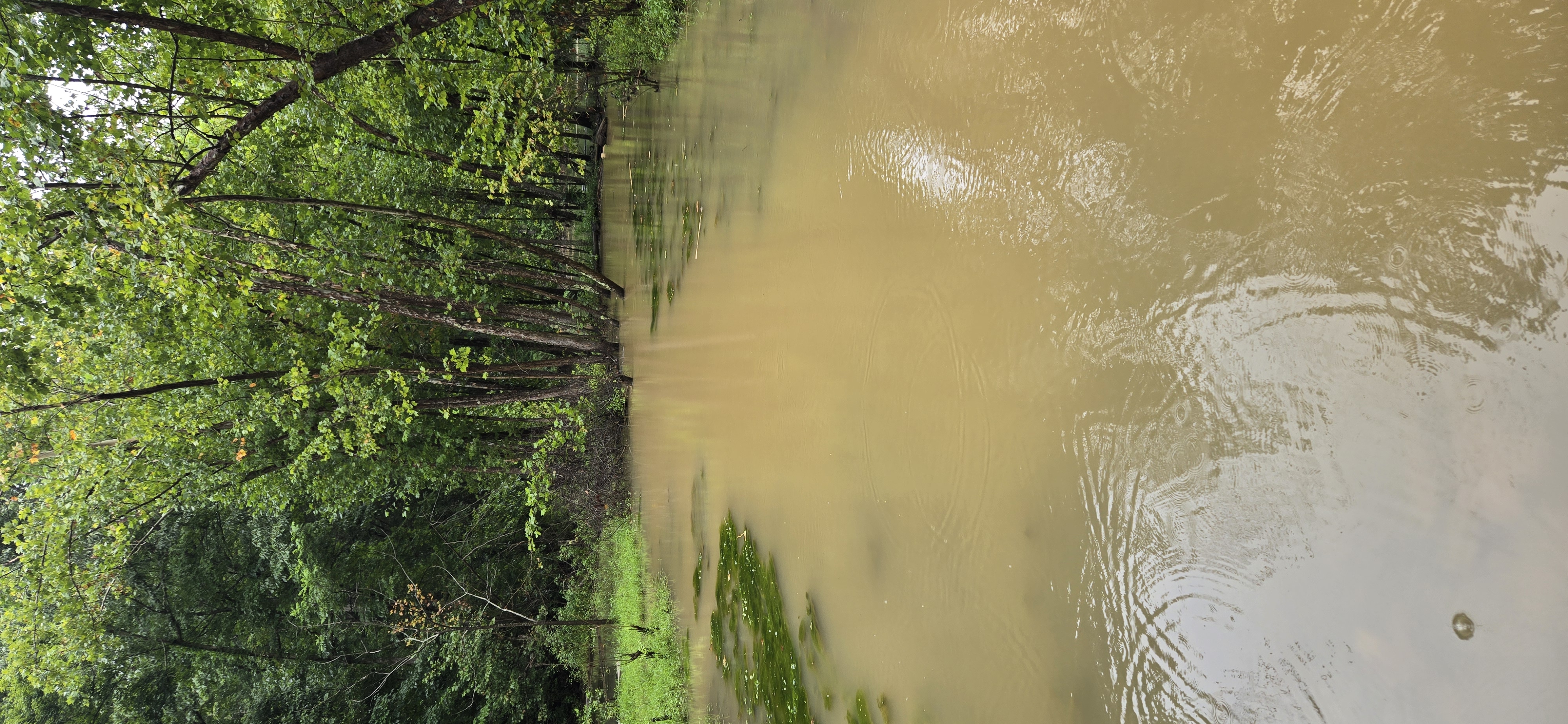
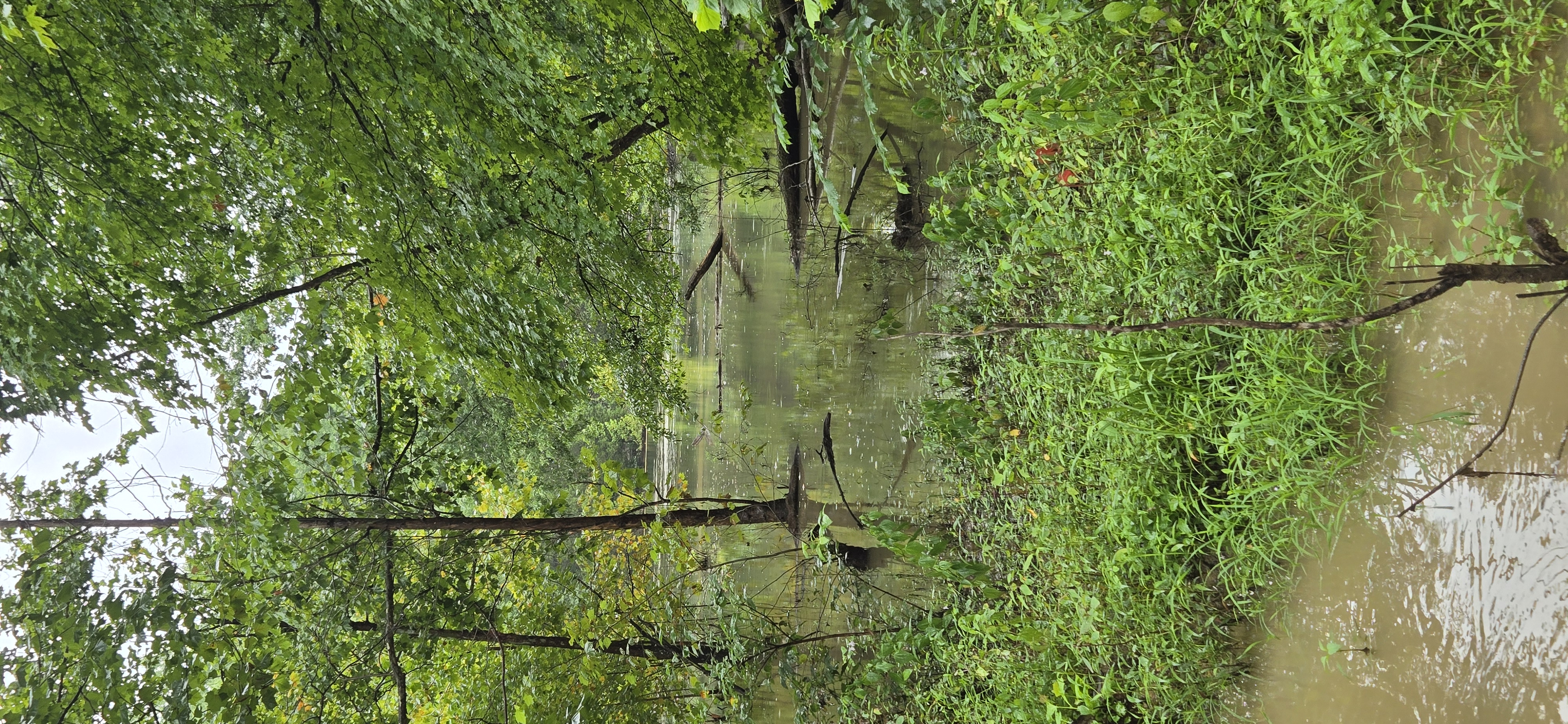
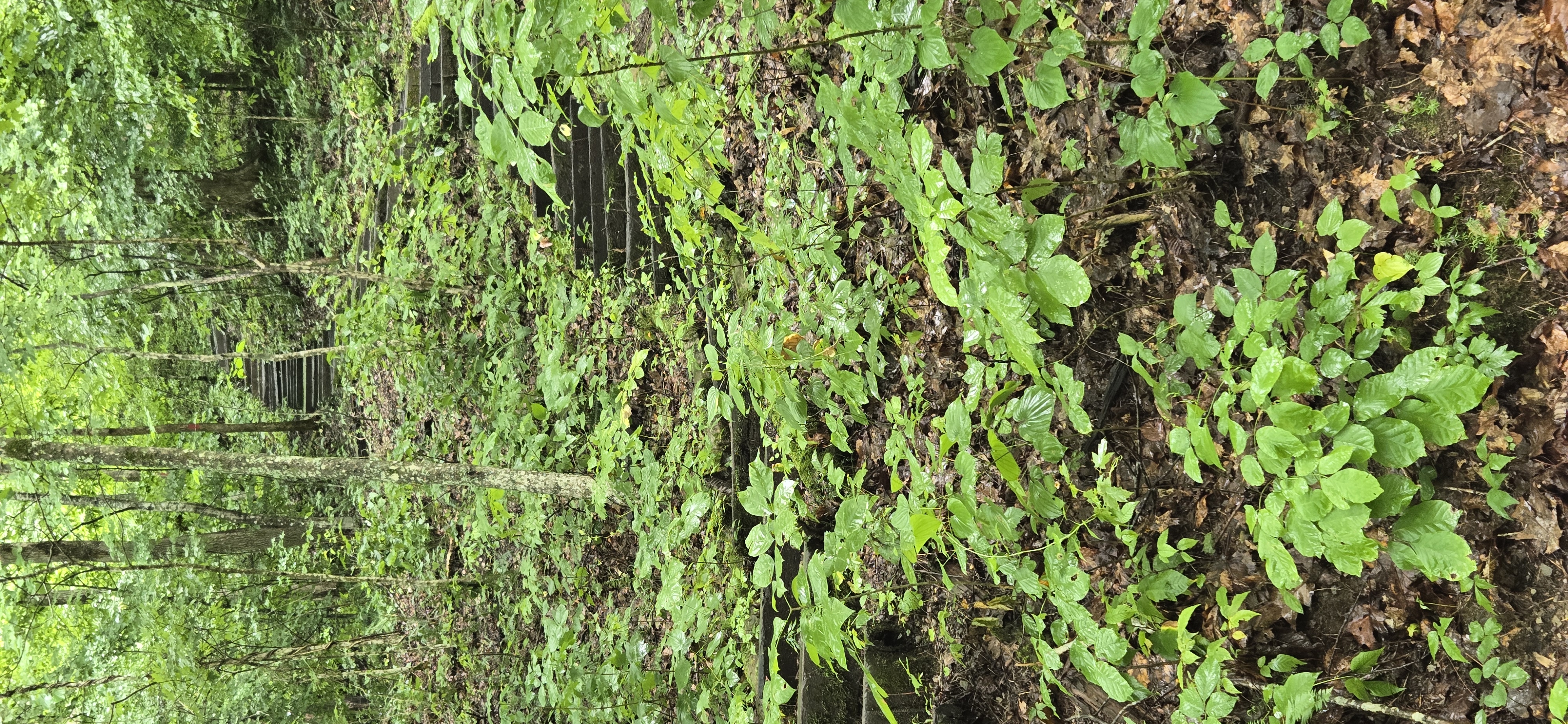
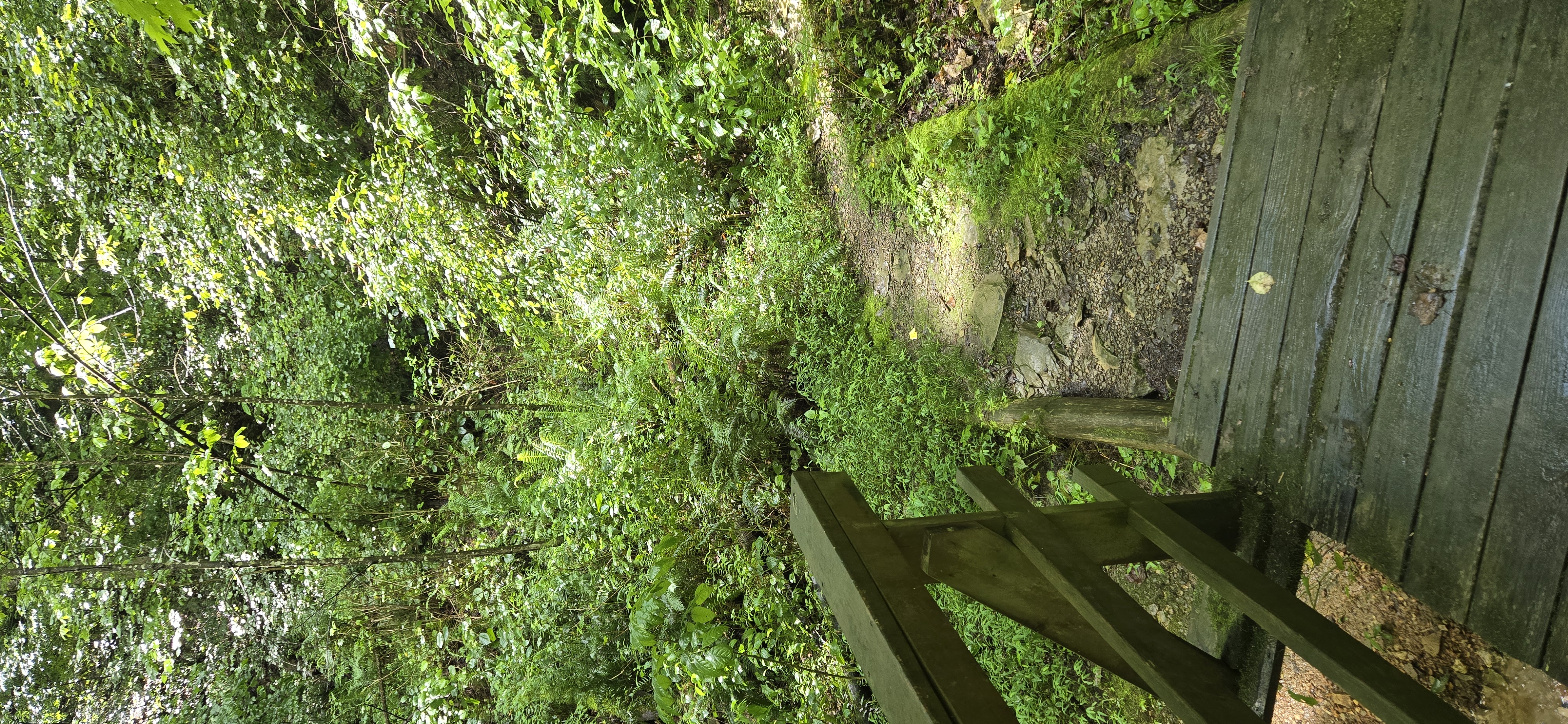
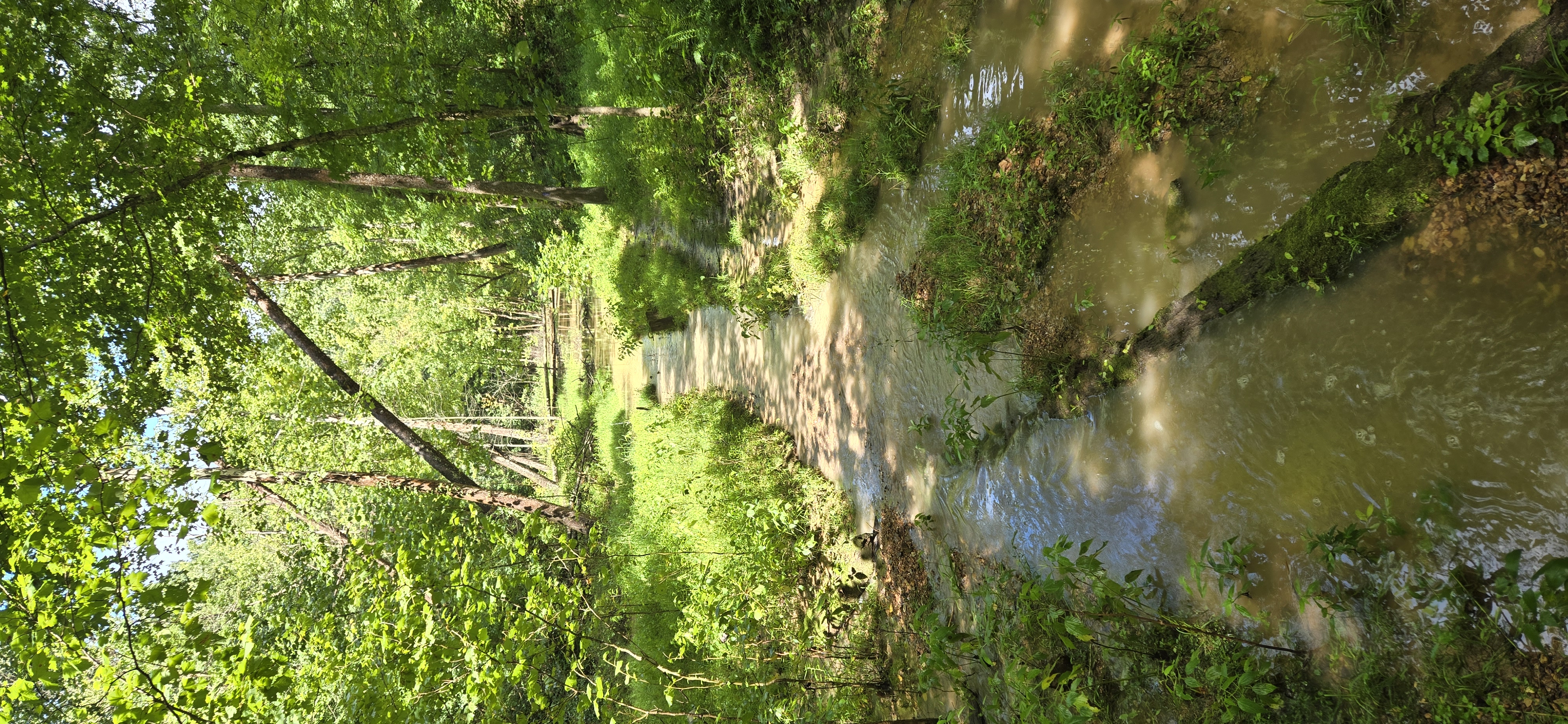
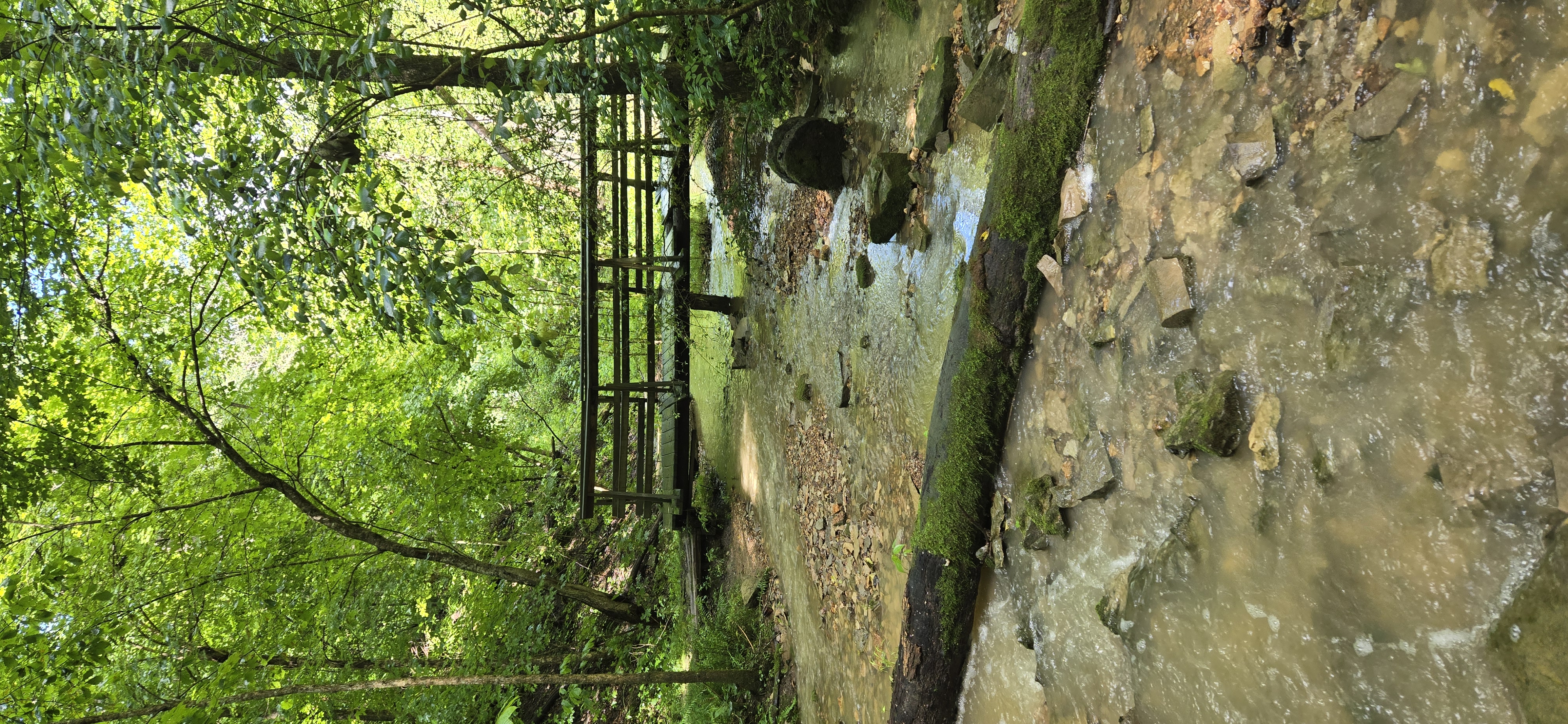
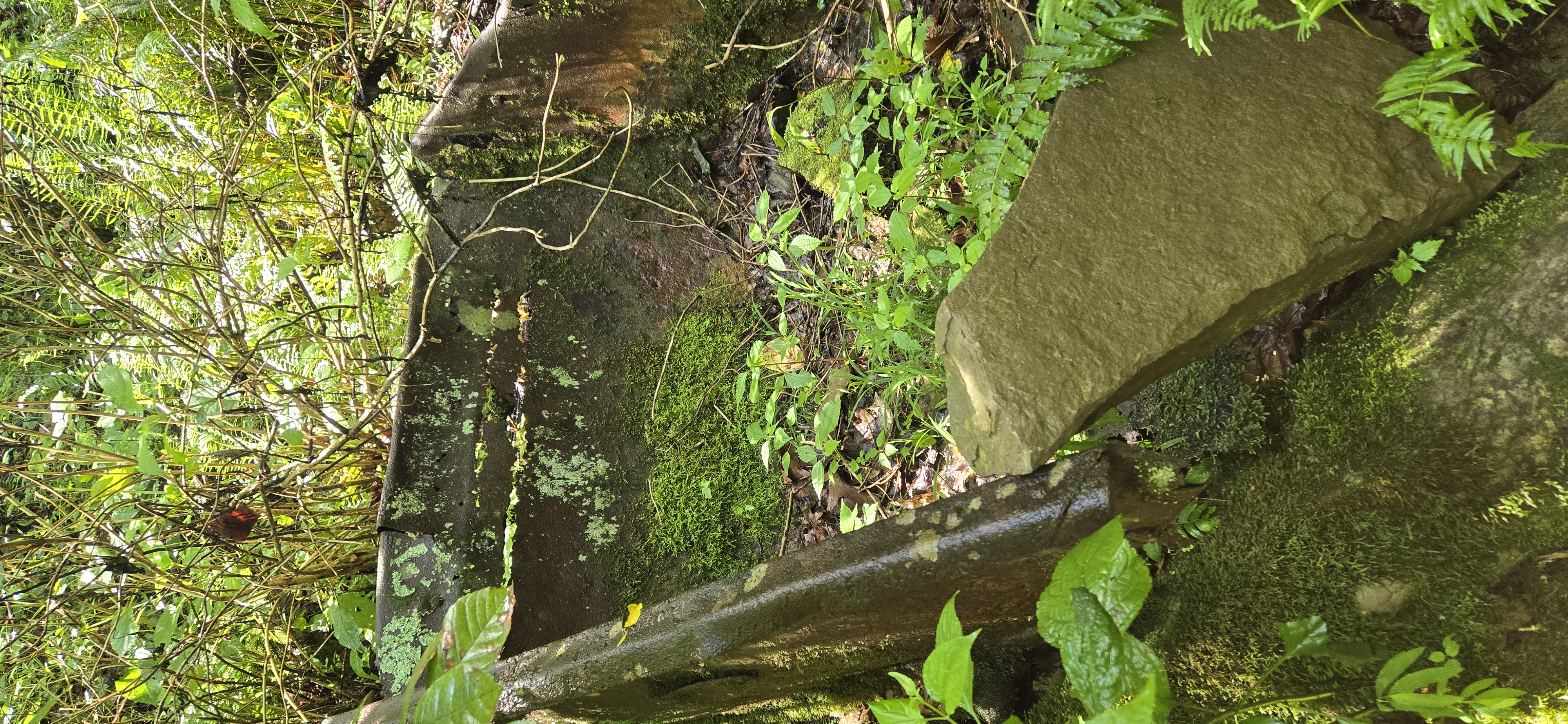
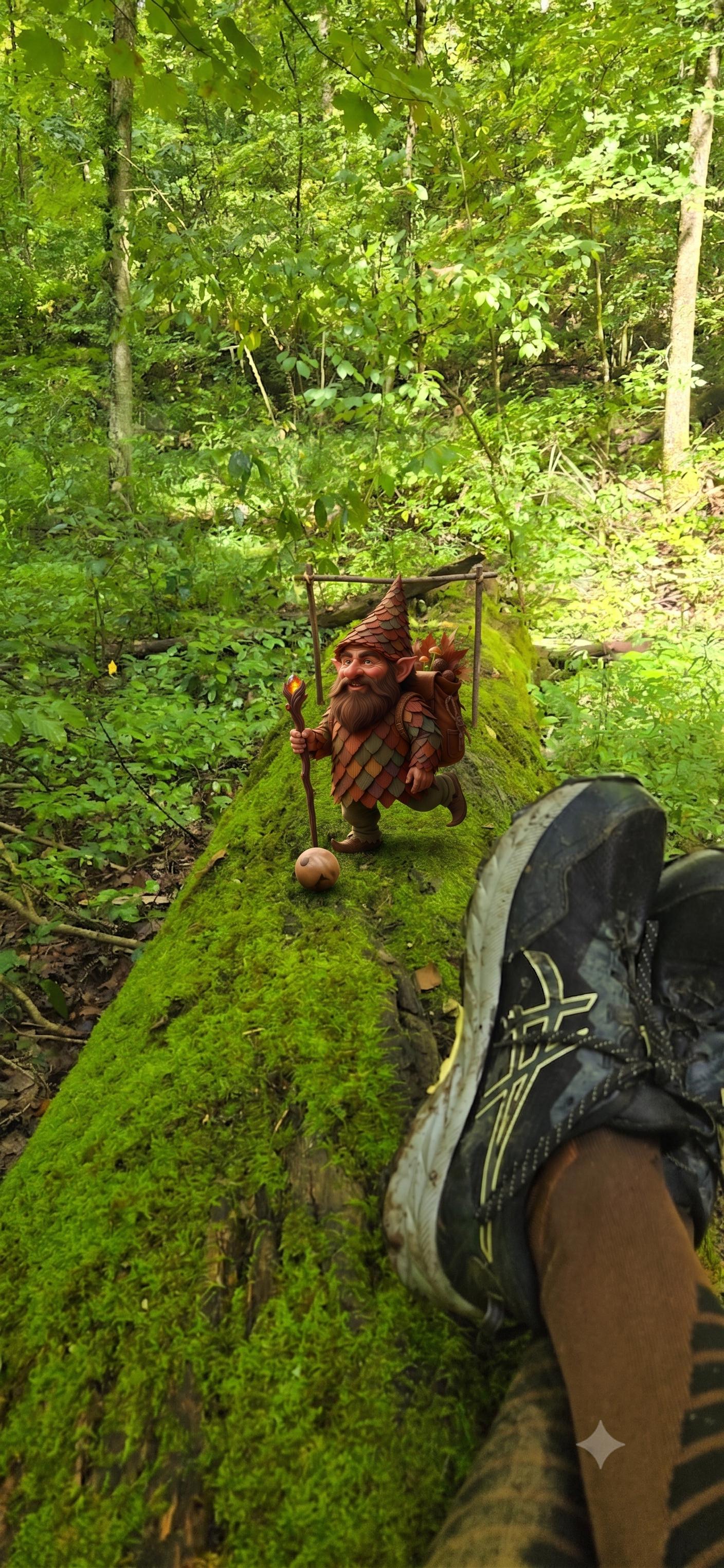
This was my first time at Saunders Springs. The water was up in all the creeks and it was pretty awesome to see. I saw several falls until I finally found the cascades. Impressive. Saw a Sycamore Tussock Moth Caterpillar using a log as a bridge (like me). Not a lot of distance today, but lots of steps. Found an old industrial hopper near one of the springs. Probably from when the area was a water processing plant in the 1930s. I'll definitely be coming back to check out more of the park and its history.
Past and Present
Walking further down the trail along the limestone bluffs, it is easy to see why local settlers like Richard Saunders were drawn to these clear, cold springs over two centuries ago, or why engineers picked this hollow to pipe water to nearby Fort Knox back in the 1930s. The patient flow of water filtering through Kentucky karst stands in stark contrast to the sheer speed of the news cycle this past week. Between scientists announcing the world’s first all-optical photonic time crystal to control light at mind-boggling speeds, and the endless stream of headlines surrounding global political summits and fragile cease-fire talks, the world outside moves fast—maybe too fast.
Out here under the thick sycamore canopy, still damp from recent rains following the week's full Buck Moon, those high-stakes global events quiet down into mere background noise. The trail has a subtle way of putting both human technology and world news into perspective. Watching moss slowly wrap around rusted 1930s iron and spring water carve through ancient stone is a refreshing reminder of true resilience. No matter how chaotic things get out there, nature always finds a way to keep flowing smoothly forward.
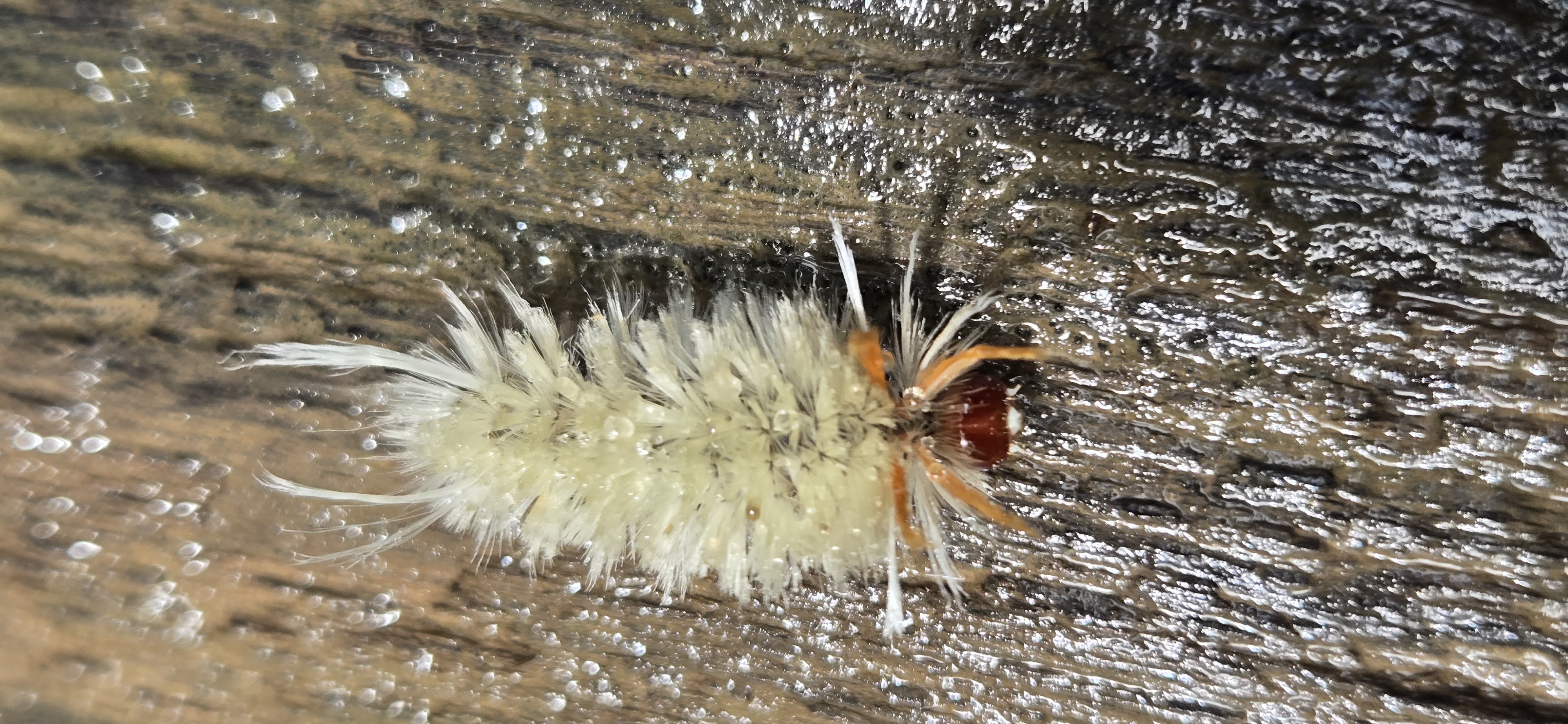
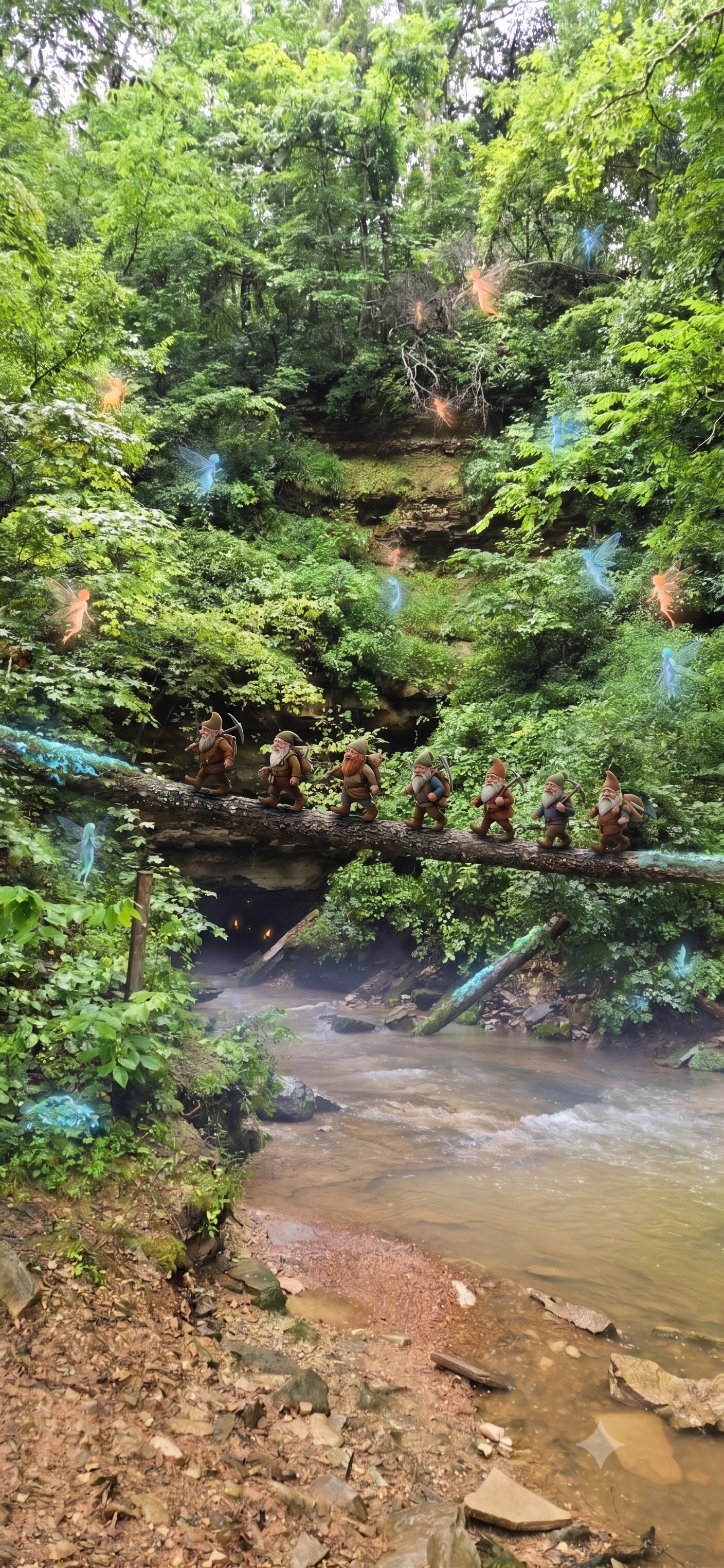
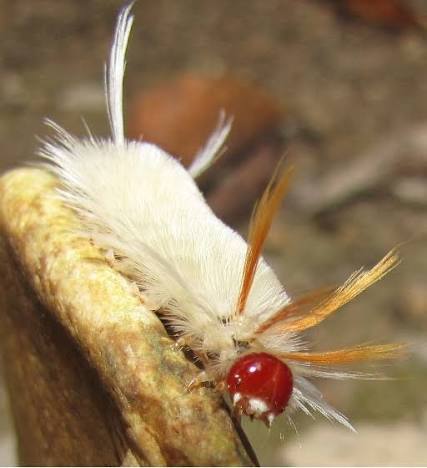
Sycamore Tussock Moth caterpillar (Halysidota harrisii) - A striking insect easily recognized by its dense coat of pale yellow or creamy-white hairs, a reddish-orange head, and two distinct pairs of orange hair pencils extending forward near its front. Common throughout eastern North America during late summer, it feeds almost exclusively on the leaves of American Sycamore trees. Although its fuzzy, plush body looks inviting, the caterpillar’s hairs can break off easily upon touch and cause mild skin irritation, itching, or contact dermatitis. Enjoying them from a respectful distance is best before they spin cocoons and transform into modest, light tan adult moths.