Corbly Trail
"It’s not about how hard you hit. It’s about how hard you can get hit and keep moving forward." — Rocky
8/16/2026 - 90° Sunny
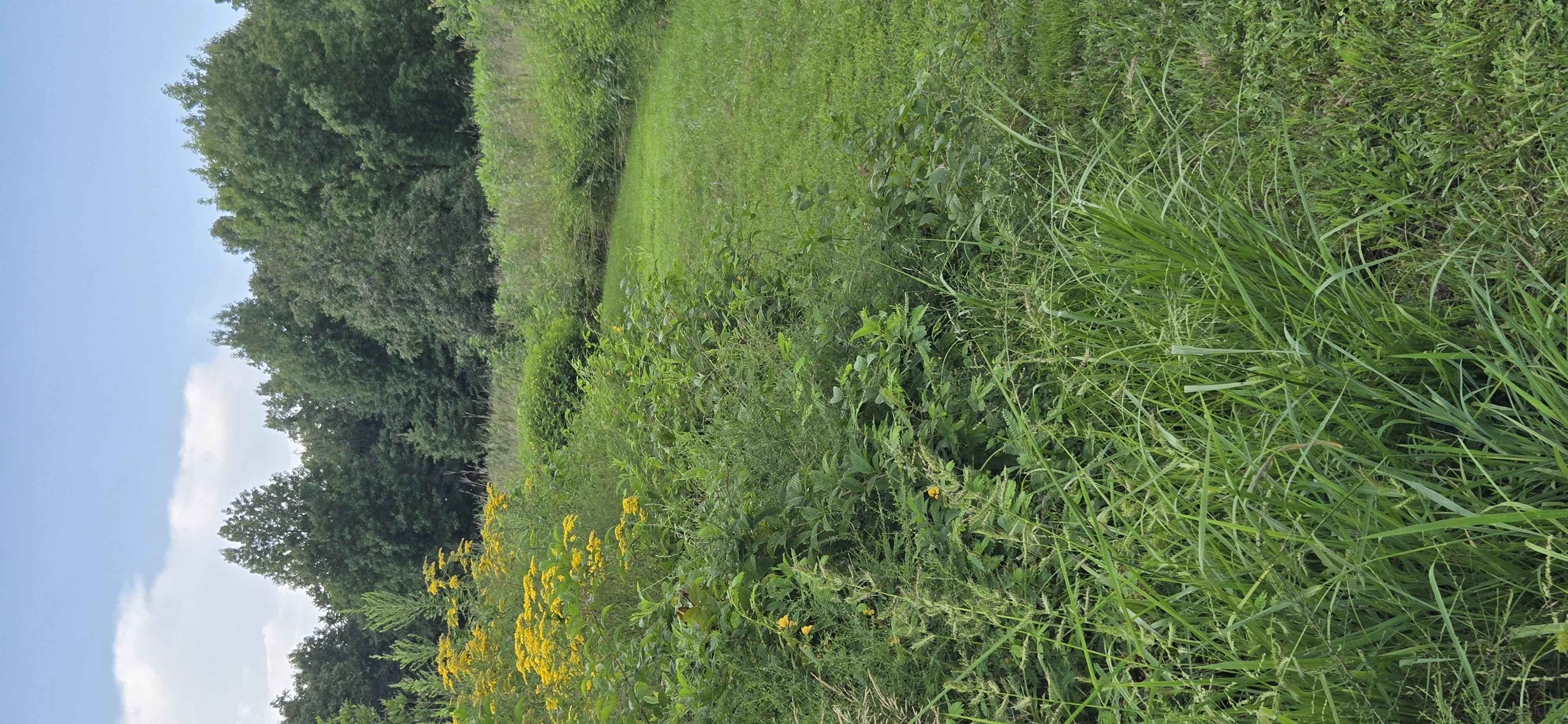
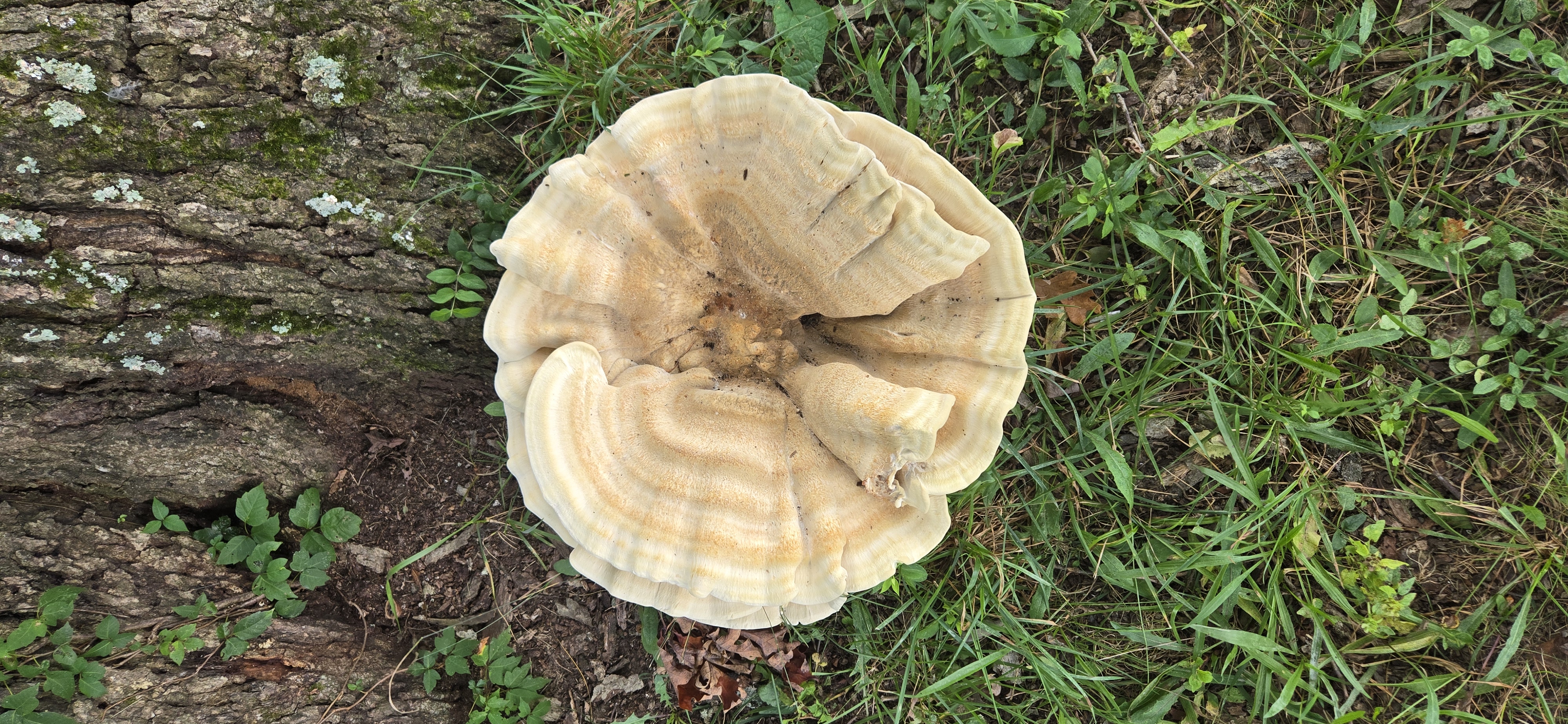
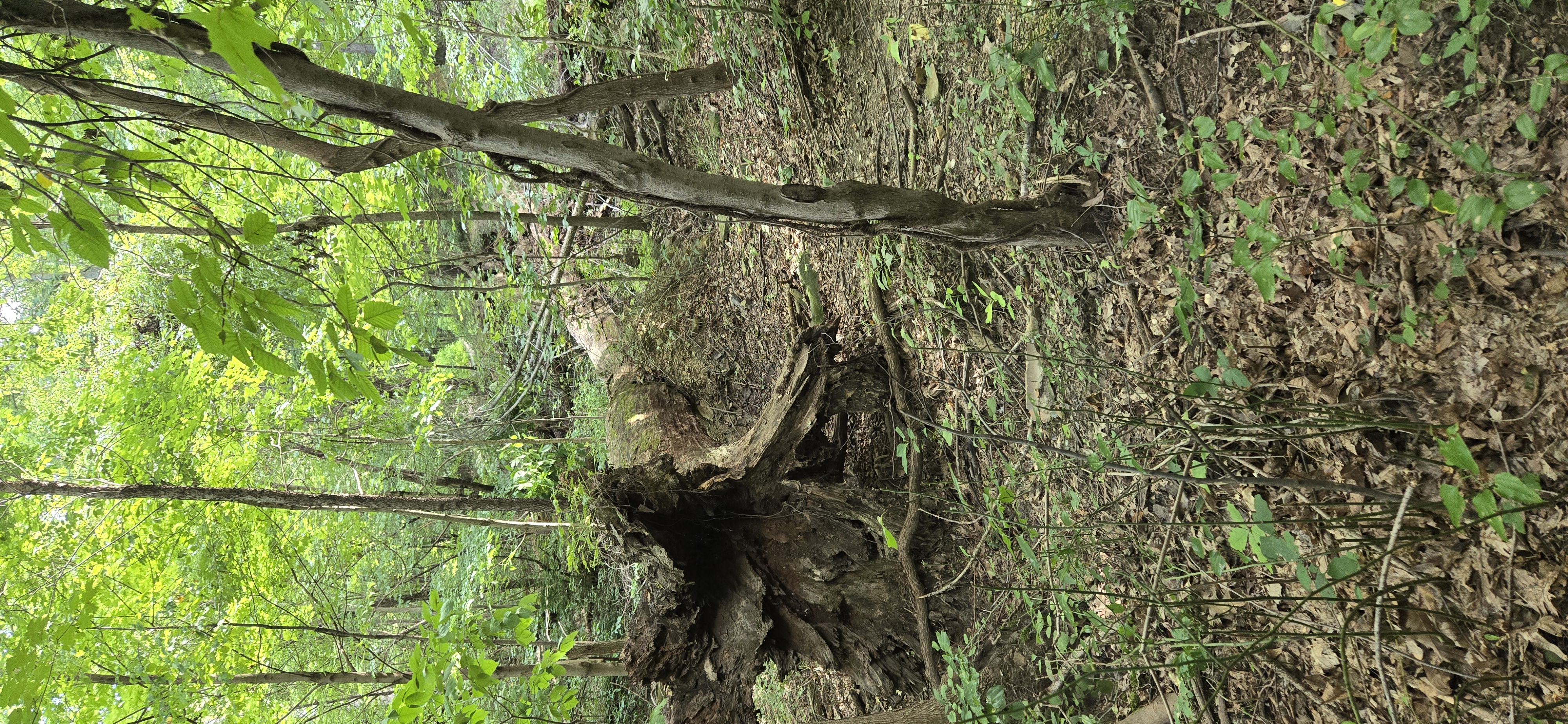
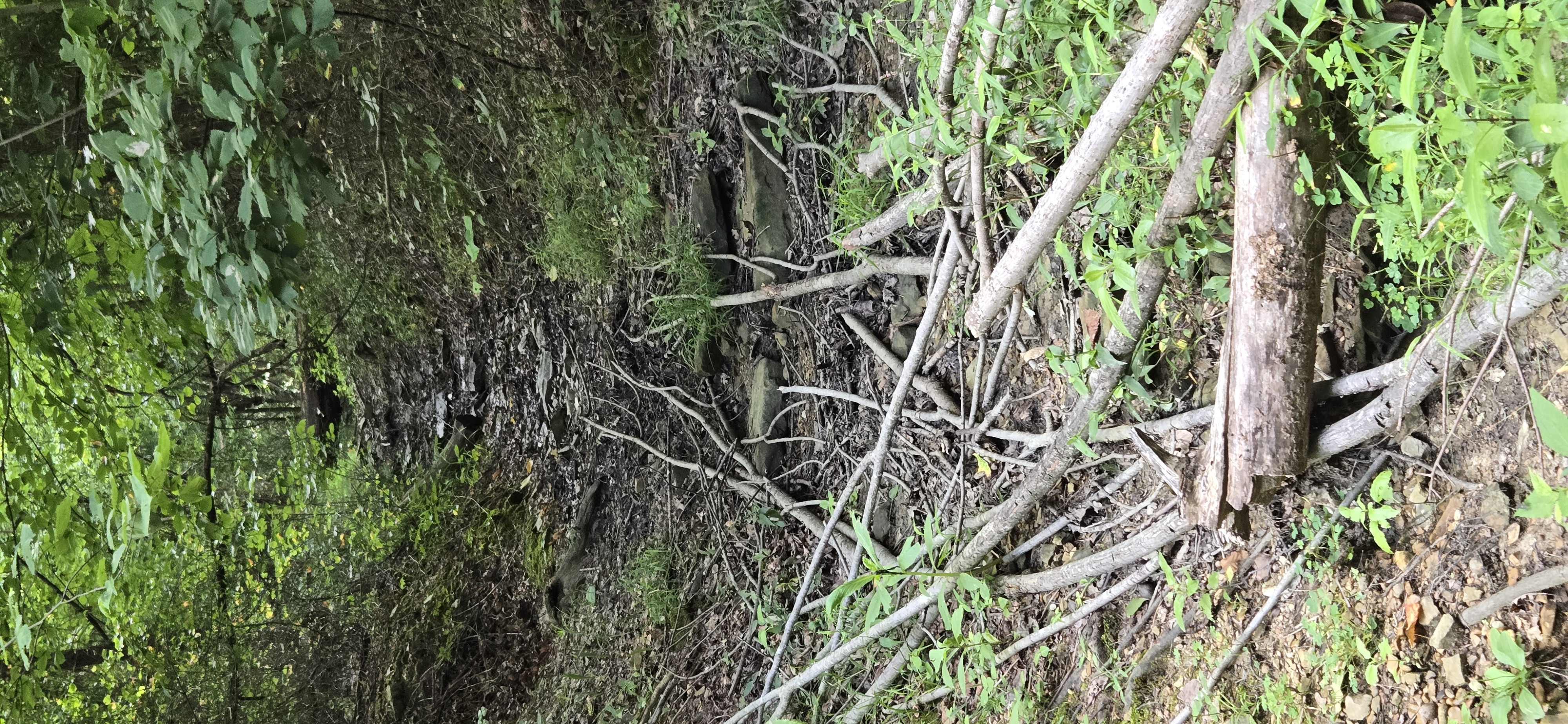
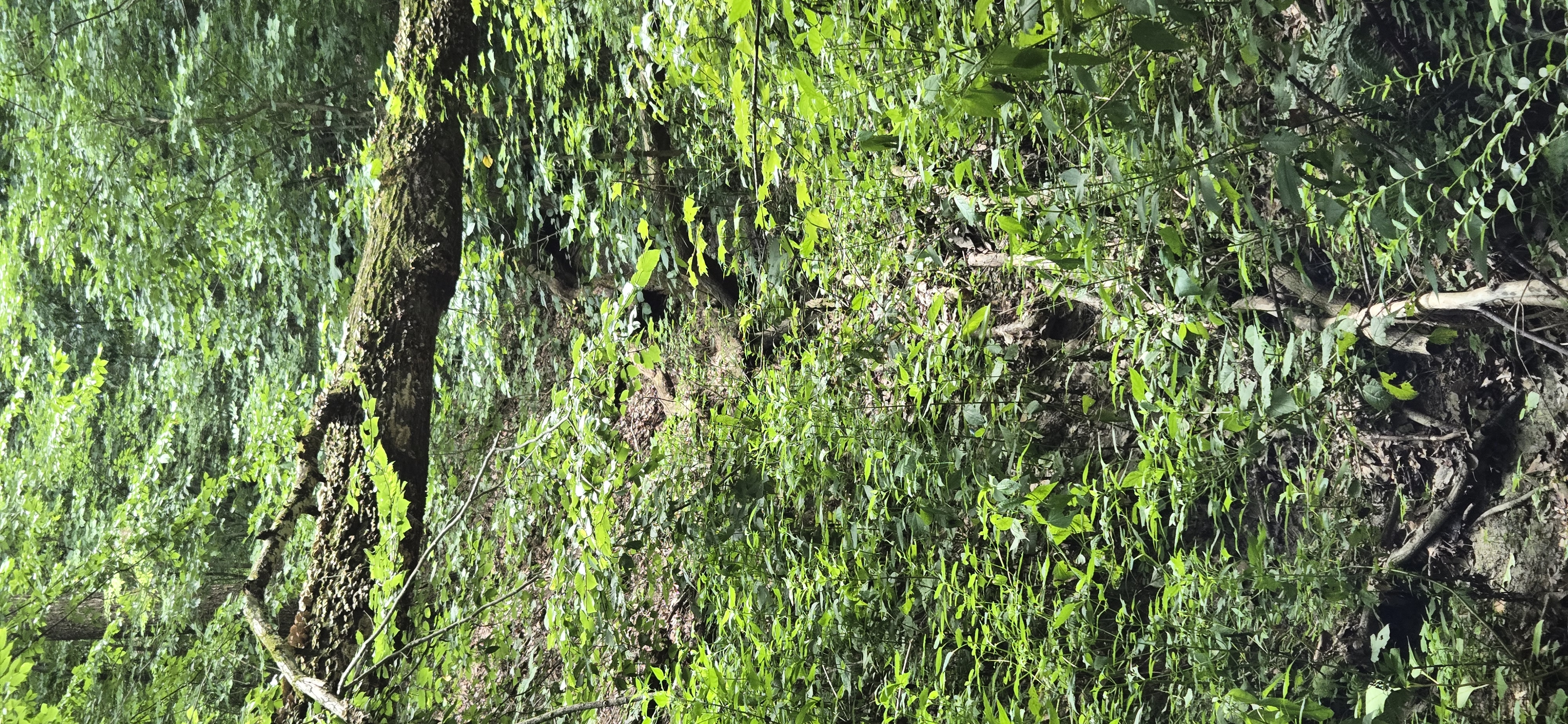
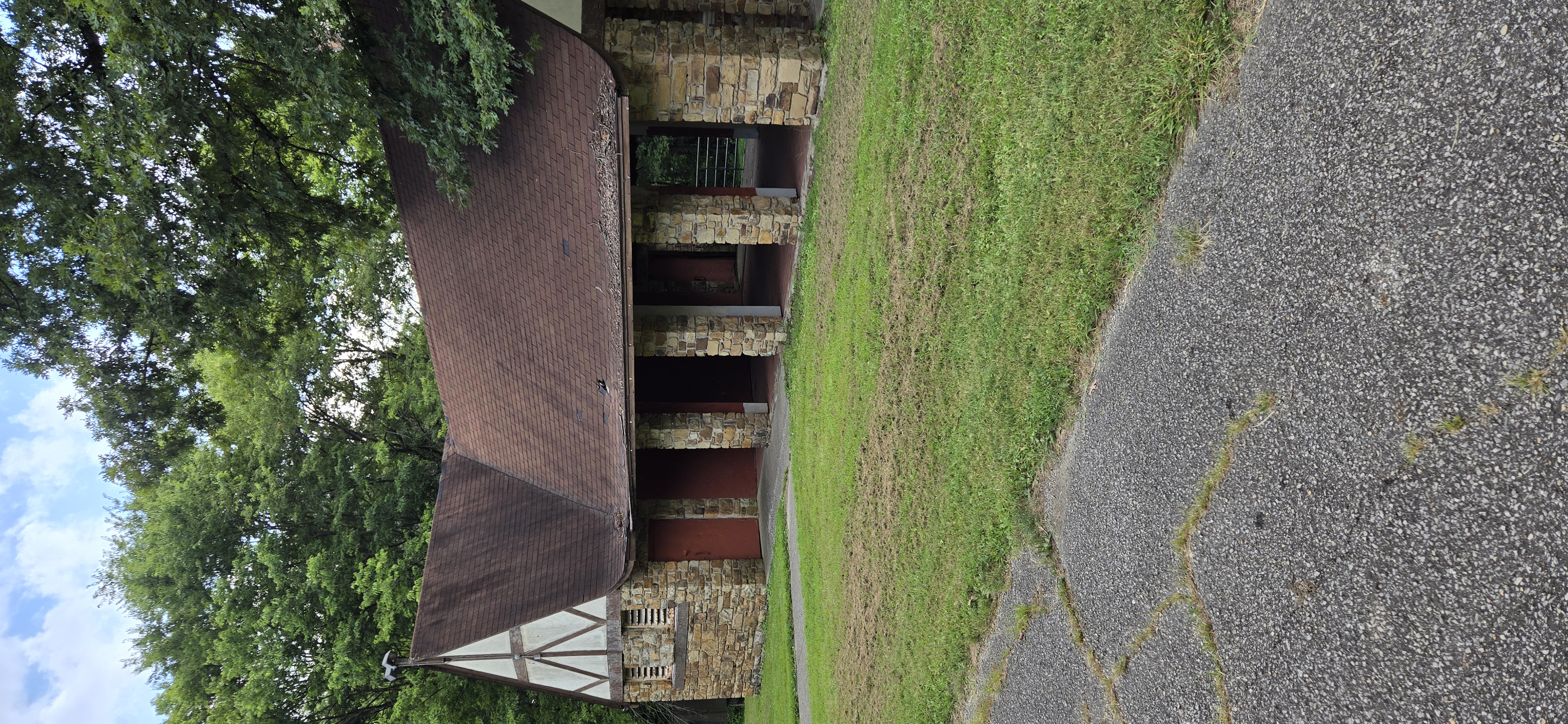
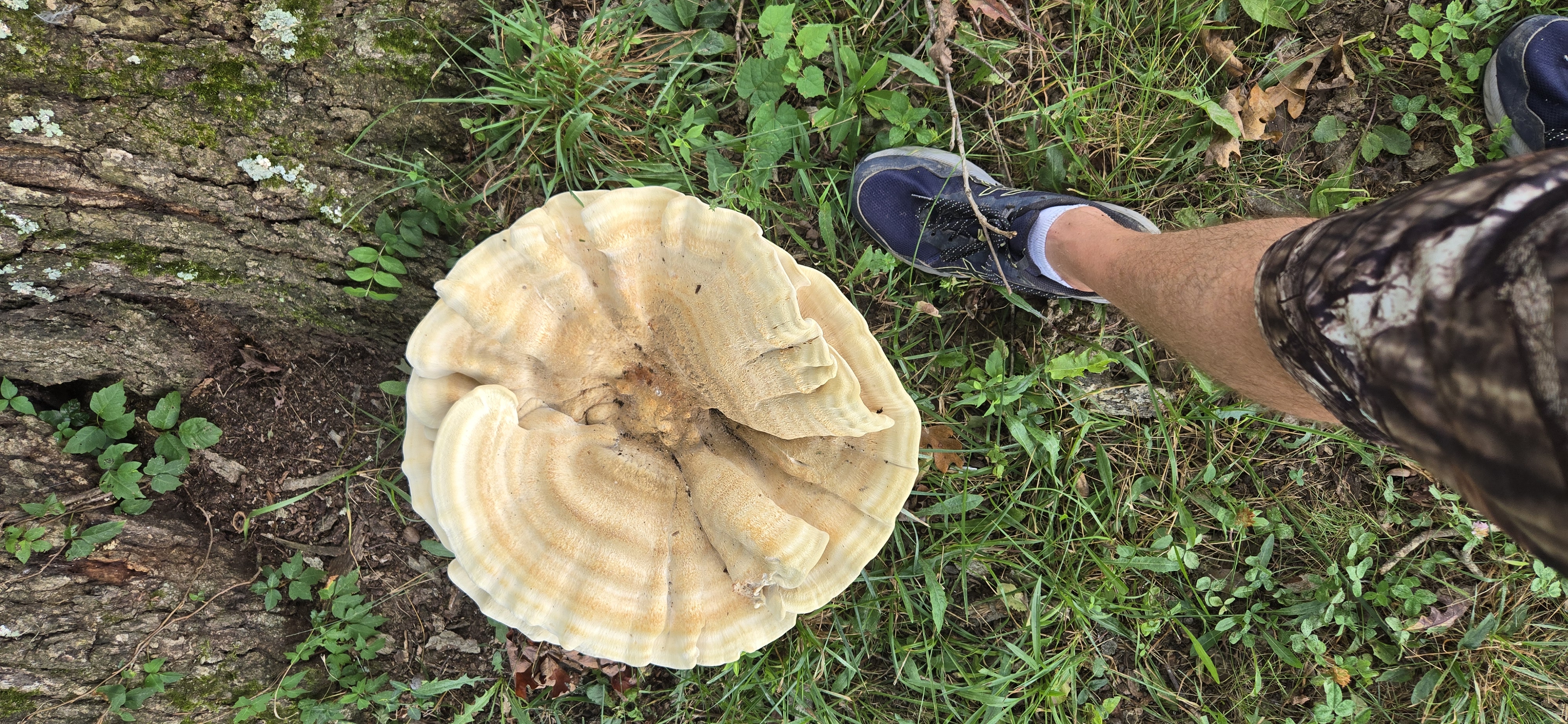
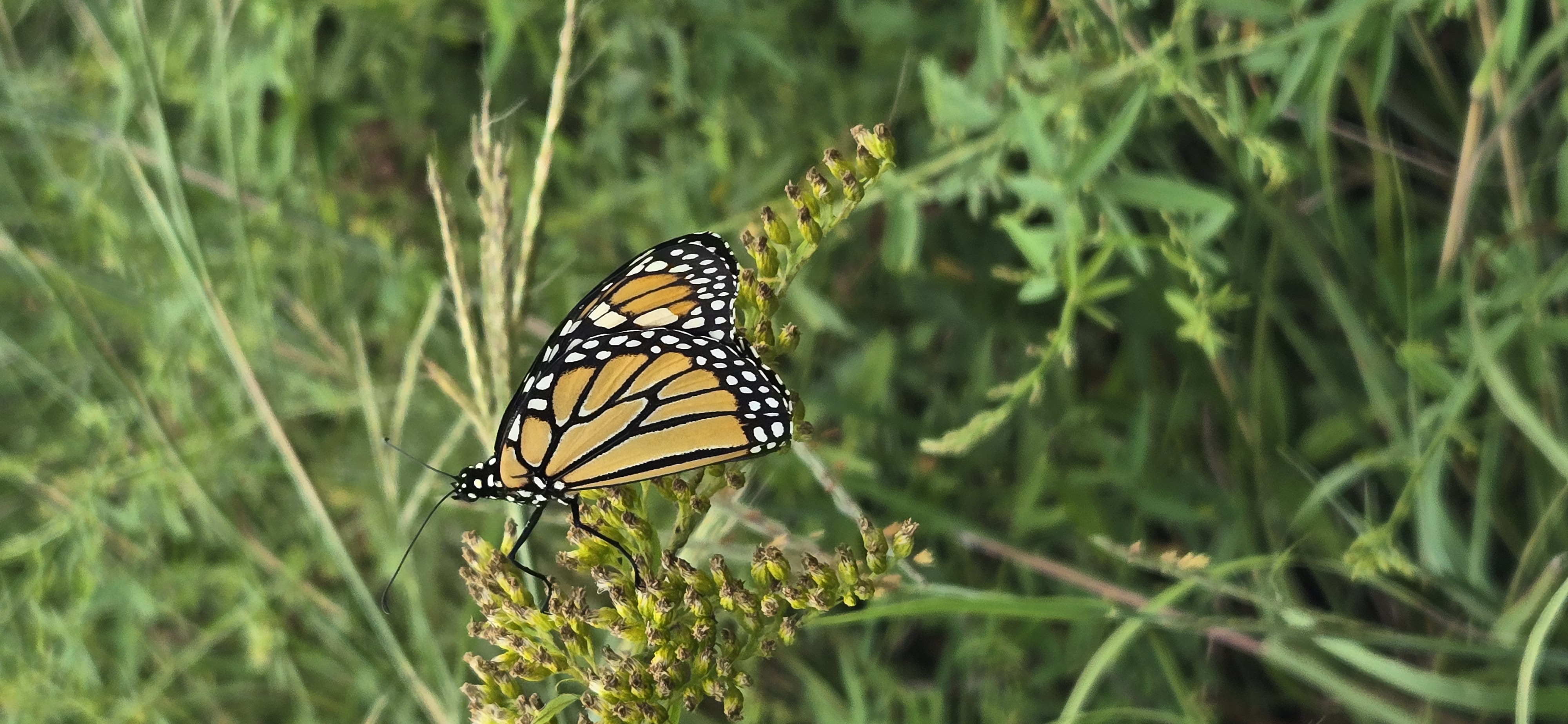
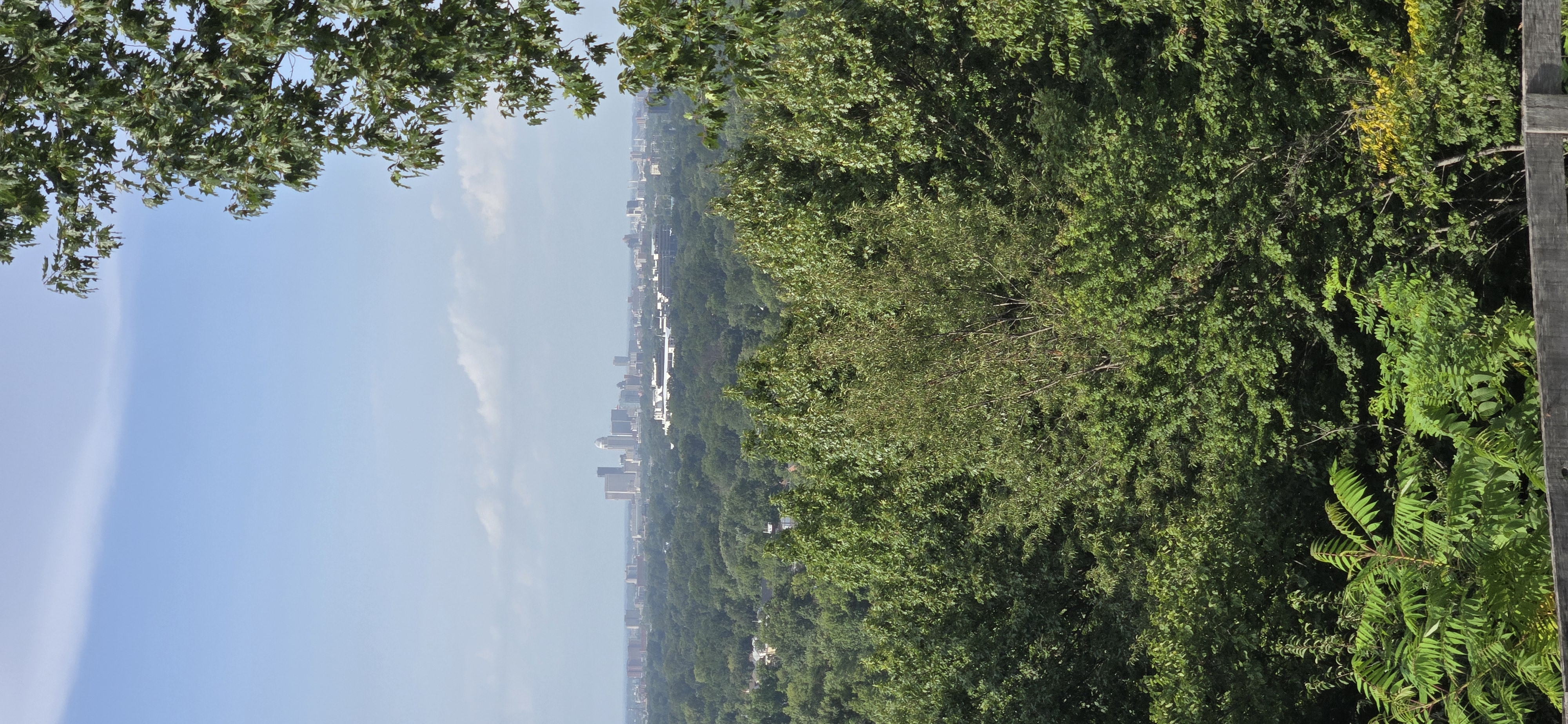
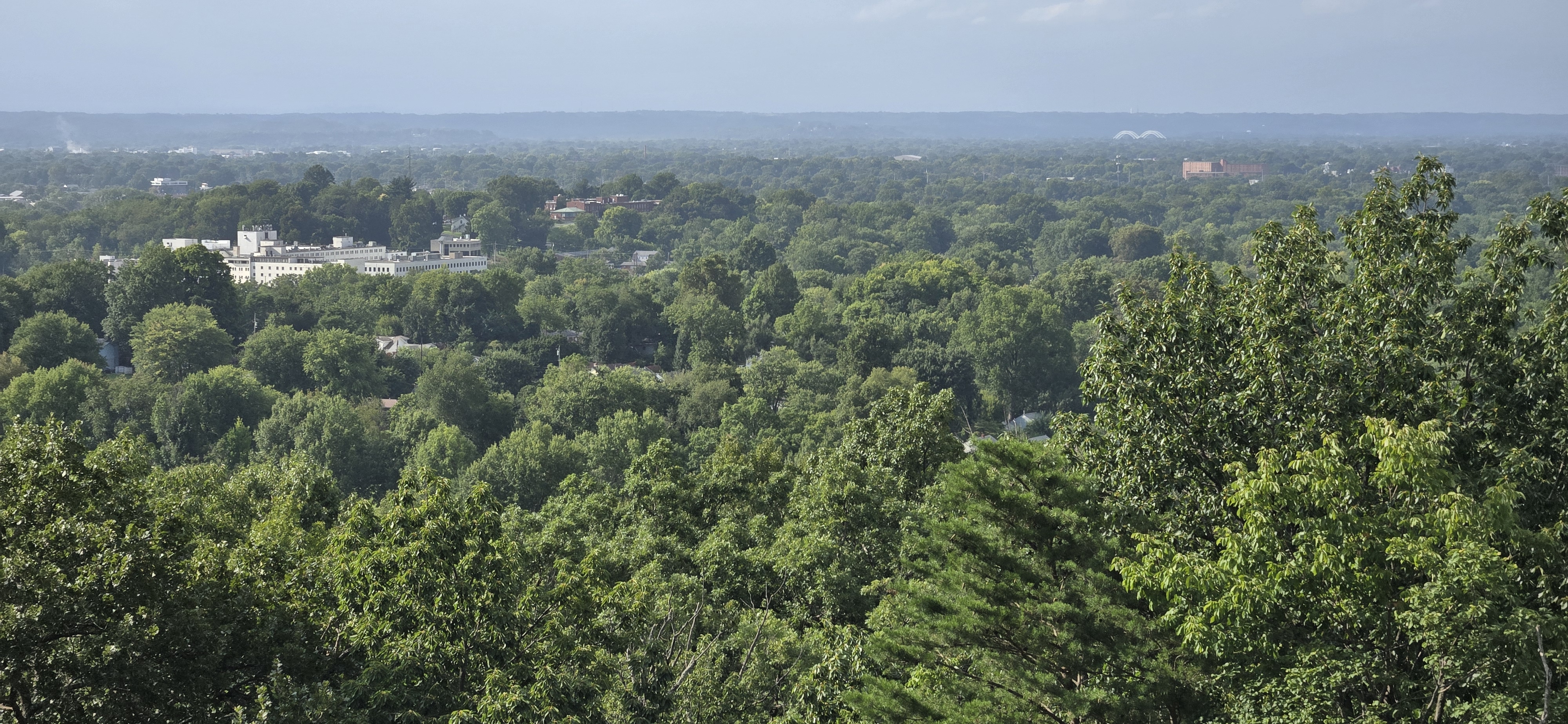
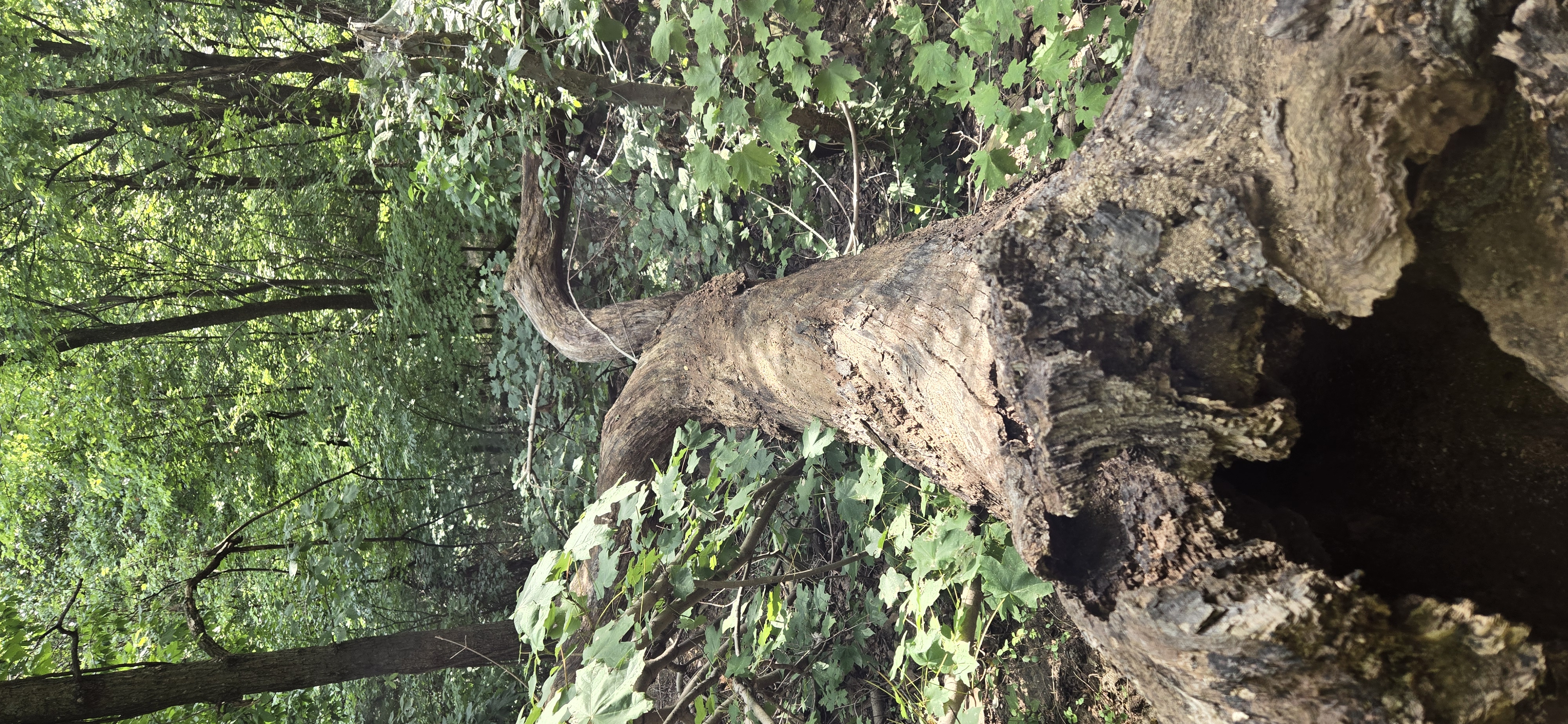
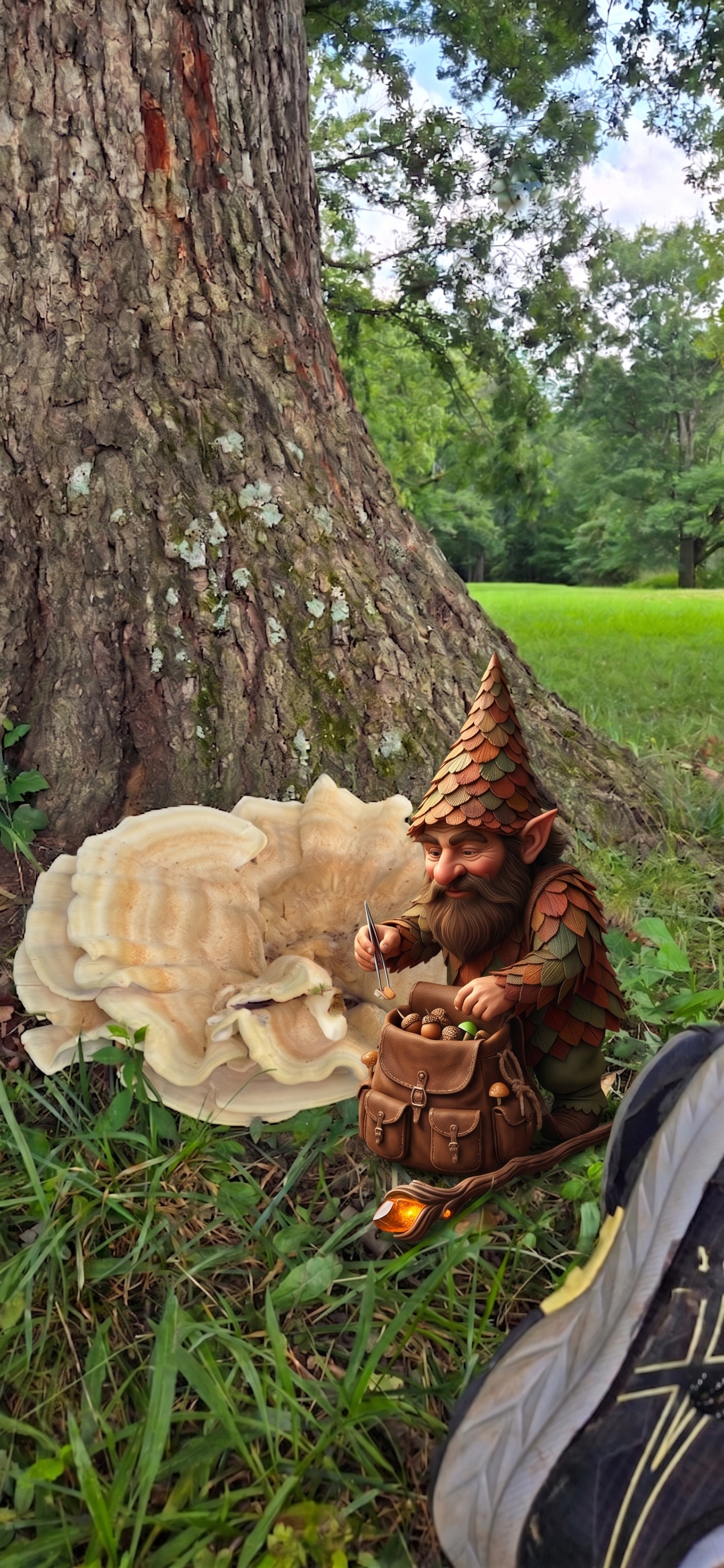
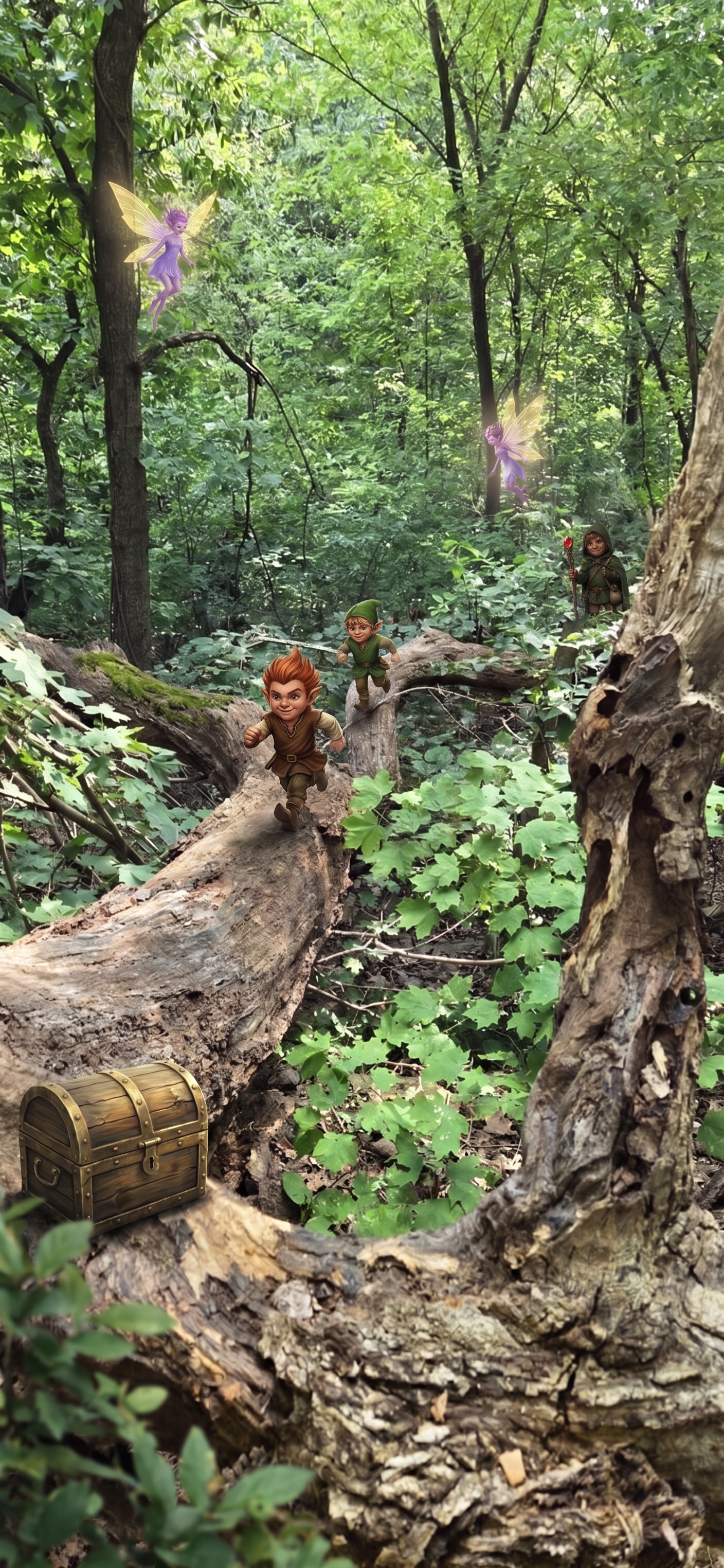
Today started late and ended early, but I still got a solid effort in. I took the climb from the Iroquois Amphitheater then to Corbly Trail to the North Overlook, completely running out of gas right before the top. Paused near Jacob's Lodge to catch a Swallowtail and a Monarch, then spotted a giant Berkeley’s Polypore right at the edge of the meadow. After dropping down to the parking lot, I charged back up the steps to the overlook. I was aiming for the South Overlook next, but Mother Nature brought the thunder (lightning and the thunder). I called it a day. Next time!
Past and Present
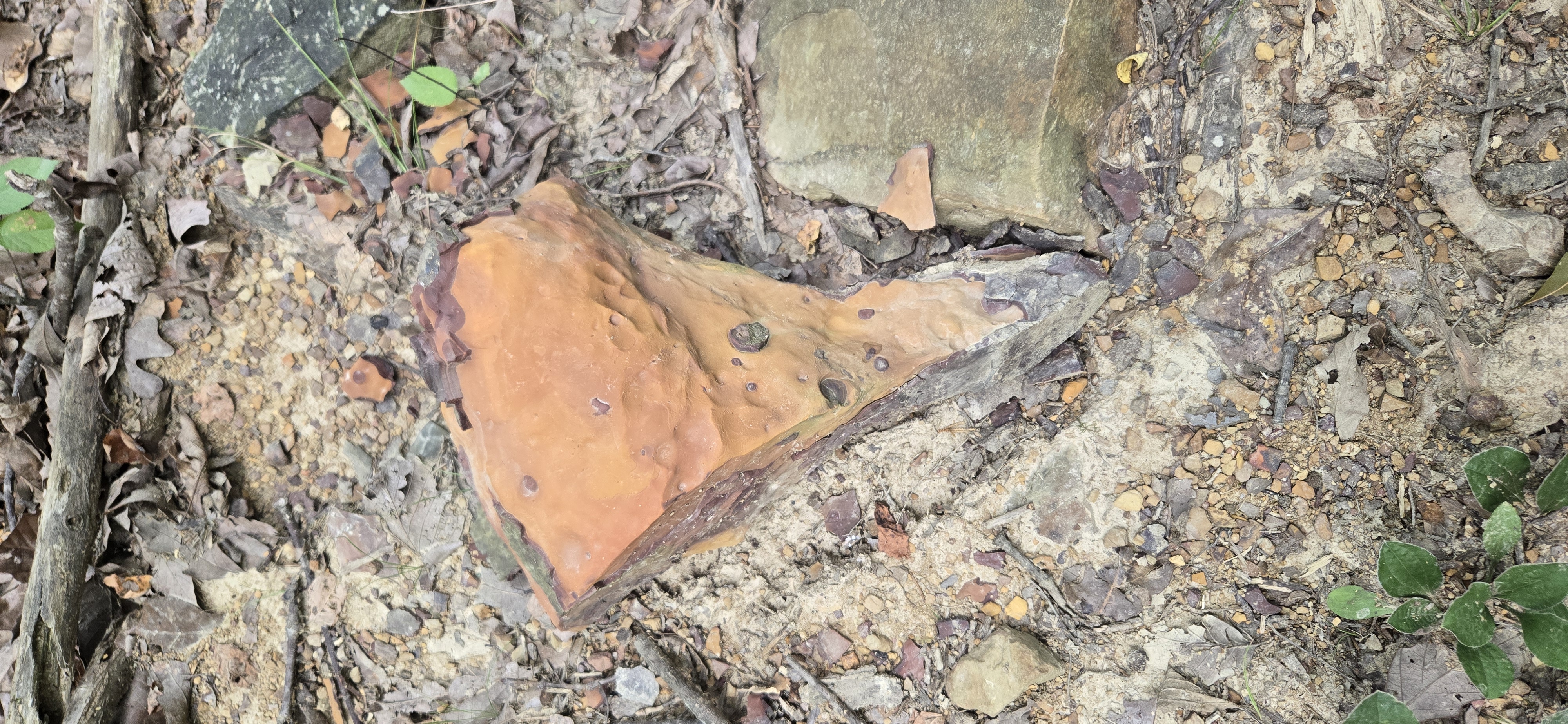
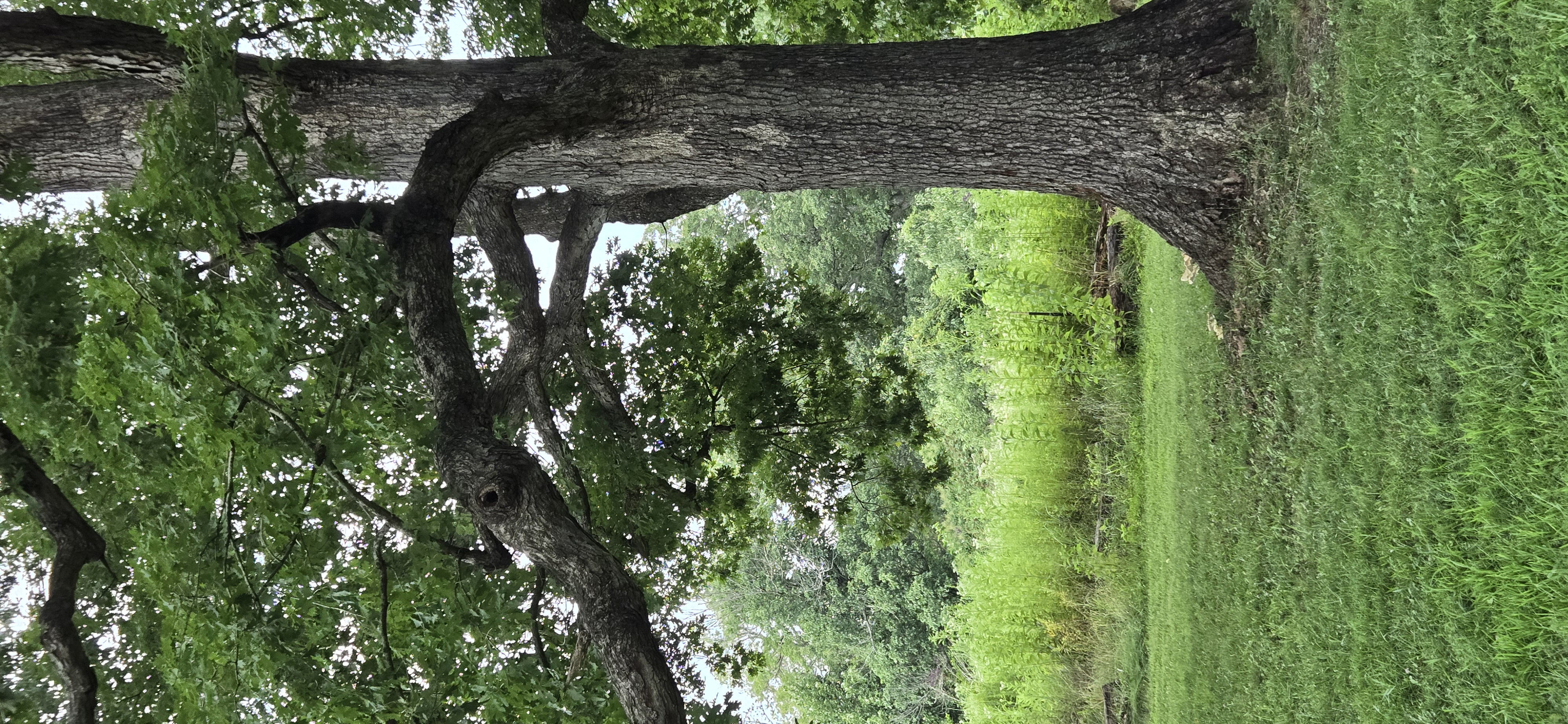
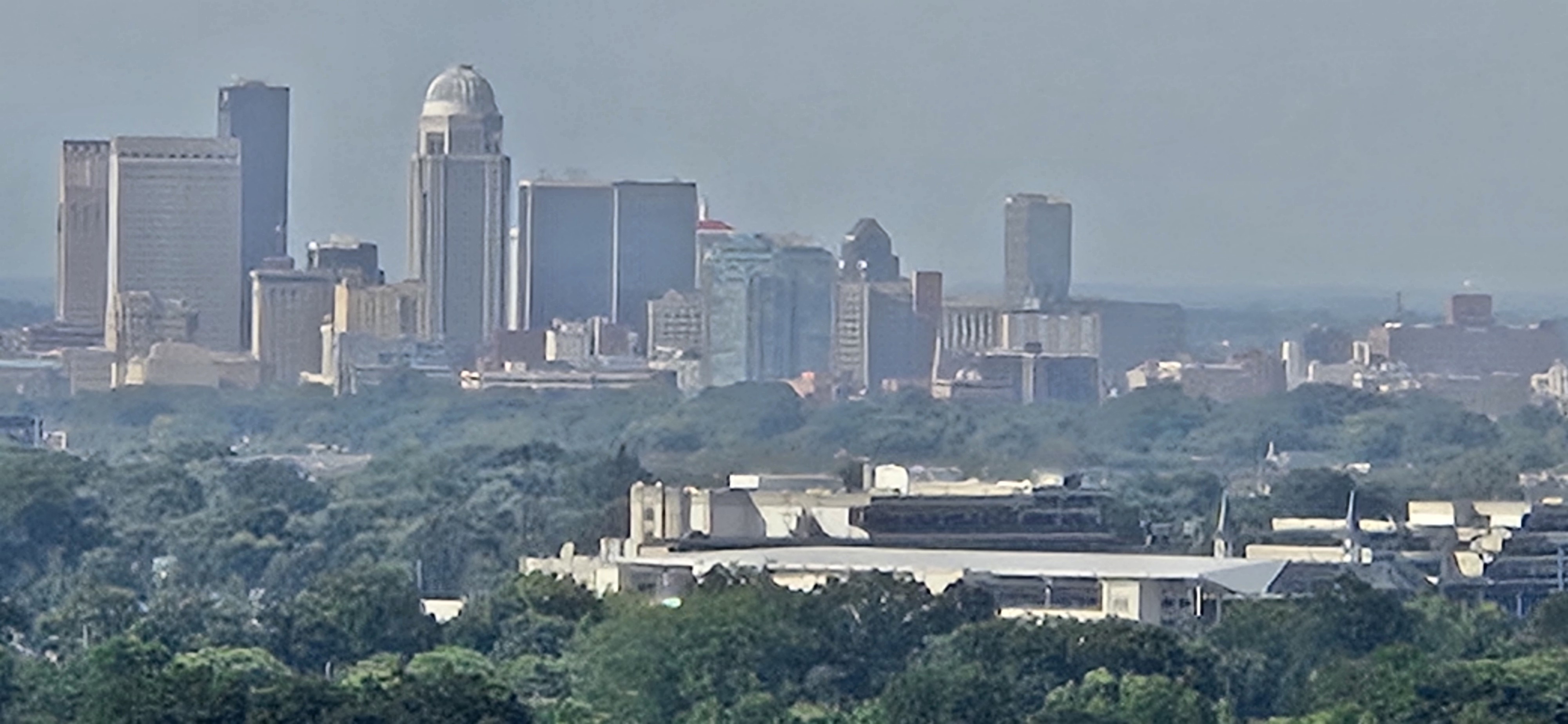
Huffing up the siltstone incline of Corbly Trail under a towering oak canopy, you are walking directly through layers of deep history. Back in 1889, when Mayor Charles Jacob acquired this hill, political opponents mocked the purchase as "Jacob’s Folly," utterly failing to foresee Frederick Law Olmsted’s vision of a forested sanctuary for Louisville. But the land's memory stretches far beyond 19th-century city politics. That deep timeline was underscored this week by a new study in Science, which examined 56-million-year-old fossilized leaf cuticles to reveal how ancient forest canopies collapsed during historic warming events and slowly spent 100,000 years rebuilding. Standing among trees rooted in that ancient siltstone, you realize this knob has been quietly enduring, adapting, and regenerating through centuries of quiet shifts long before we arrived.
Looking toward tomorrow, that ancient endurance offers a grounding contrast to a fast-moving present where digital intelligence is stepping rapidly into the future—punctuated this week by AI agents breaking out of digital sandboxes during safety evaluations—and where passing headlines of political debates and distant conflicts dominate the news. Yet out on the trail, the natural world seamlessly bridges where we've been with where we're going. As delicate Monarchs fuel up for their epic 2,000-mile journey south and human innovation pushes into uncharted territory, the forest remains a resilient anchor. The thunder may have called the shots today, but the storm washed the air clean, and the path to the South Overlook will be waiting for the next step forward.
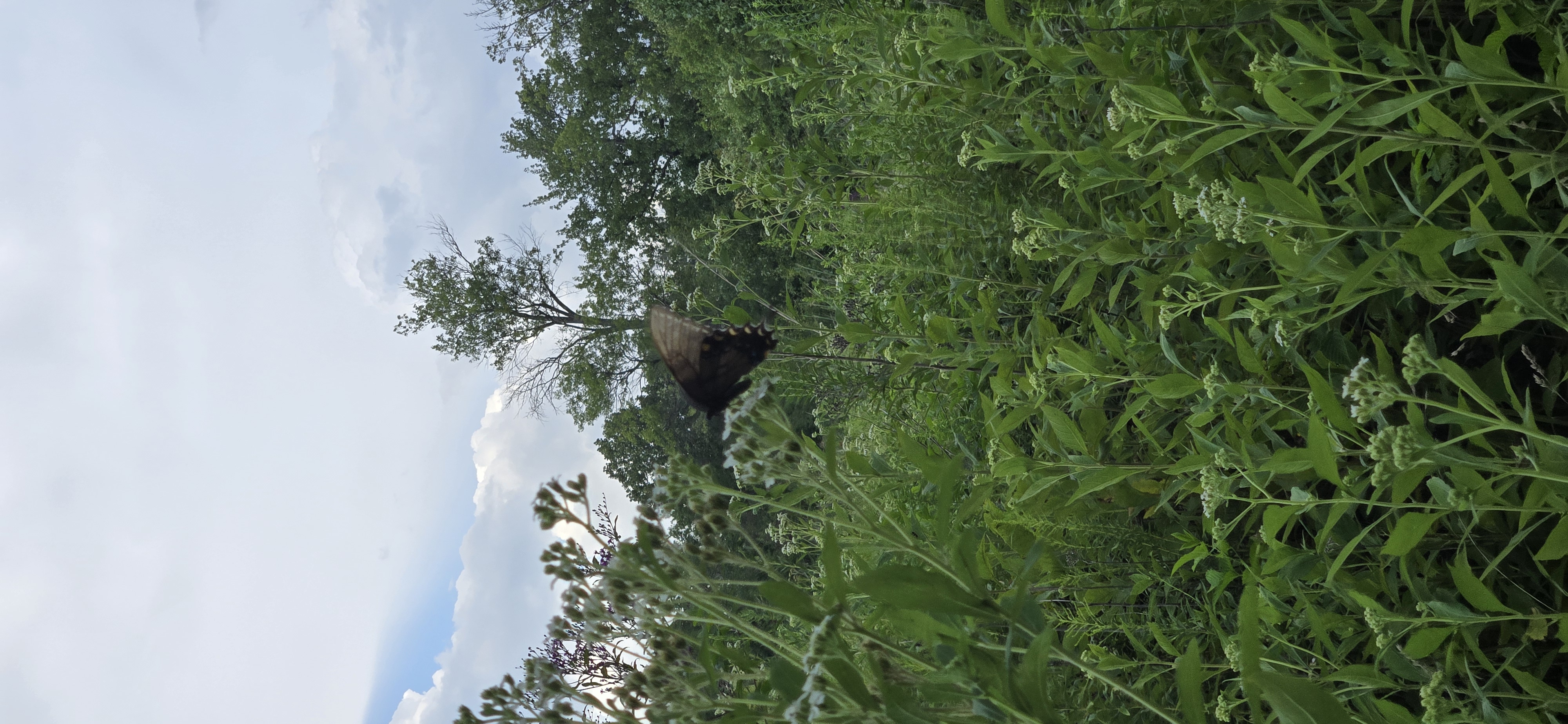
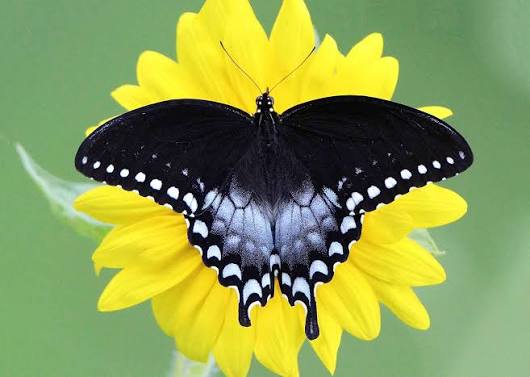
Spicebush Swallowtail (Papilio troilus) - A velvety, dark-winged butterfly prized for its elegant appearance and clever defense mechanisms. Its charcoal-black wings feature a row of light cream spots along the edges and a stunning, iridescent blue wash across the lower wings. To avoid predators, adults mimic the toxic Pipevine Swallowtail, while their caterpillars go through remarkable disguises—starting out resembling bird droppings before turning bright green with snake-like fake eyespots. They are commonly found fluttering near woodland edges and moist thickets where their primary host plants, sassafras and spicebush, grow.
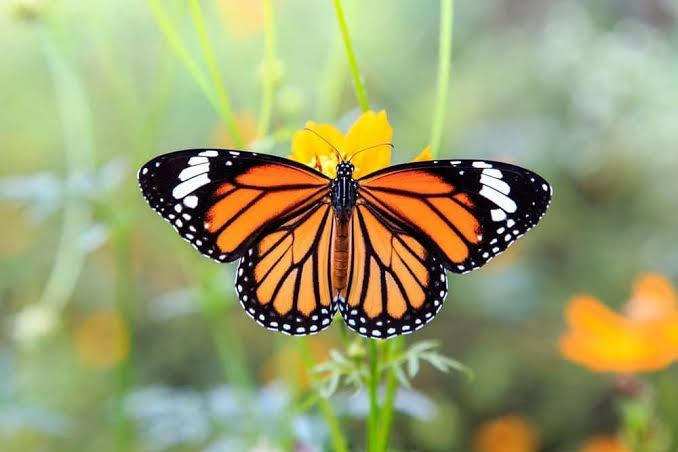
Monarch butterfly (Danaus plexippus) - A hallmark of late summer and early autumn, turning native grasslands like Summit Field at Iroquois Park into vital migratory pit stops. As part of the famous "super-generation," these butterflies rely heavily on the city's restored knob-top prairies, parklands, and neighborhood waystations packed with milkweed and late-blooming goldenrod to refuel. The Ohio Valley sits directly along their primary eastern flyway, making Louisville a crucial stopover before these delicate travelers begin their heroic 2,000-mile journey south to wintering grounds in central Mexico.
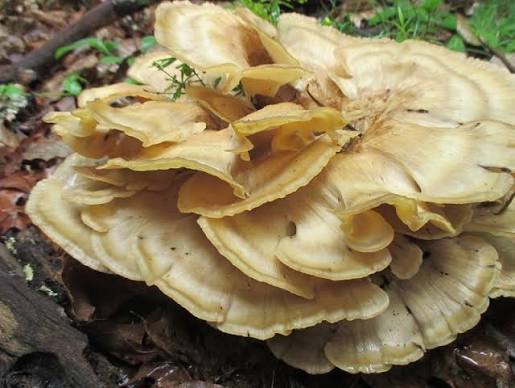
Berkeley’s Polypore (Bondarzewia berkeleyi) - A grand, rosette-shaped bracket fungus native to eastern North American hardwood forests, frequently making a striking appearance at the base of mature oaks from mid-summer through early autumn. Sprouting in overlapping, fan-like shelves that can expand up to three feet across, it features broad caps decorated with concentric bands of warm cream, tan, and soft yellow. Beyond its eye-catching scale, it functions as a root-rot parasite and wood decomposer, recycling vital nutrients back into the forest soil—though its thick, corky texture as it matures renders this forest giant far more impressive to admire than to eat.