Purple Heart Trail
"There are two types of people in the world. Those that hit the brake. And those that hit the gas. There’s nothing wrong with either of them. In fact, some people think that those who hit the brakes are smarter. The question you have to ask yourself is: which one are you?" — Motorheads
5/31/2026 - 75° Sun
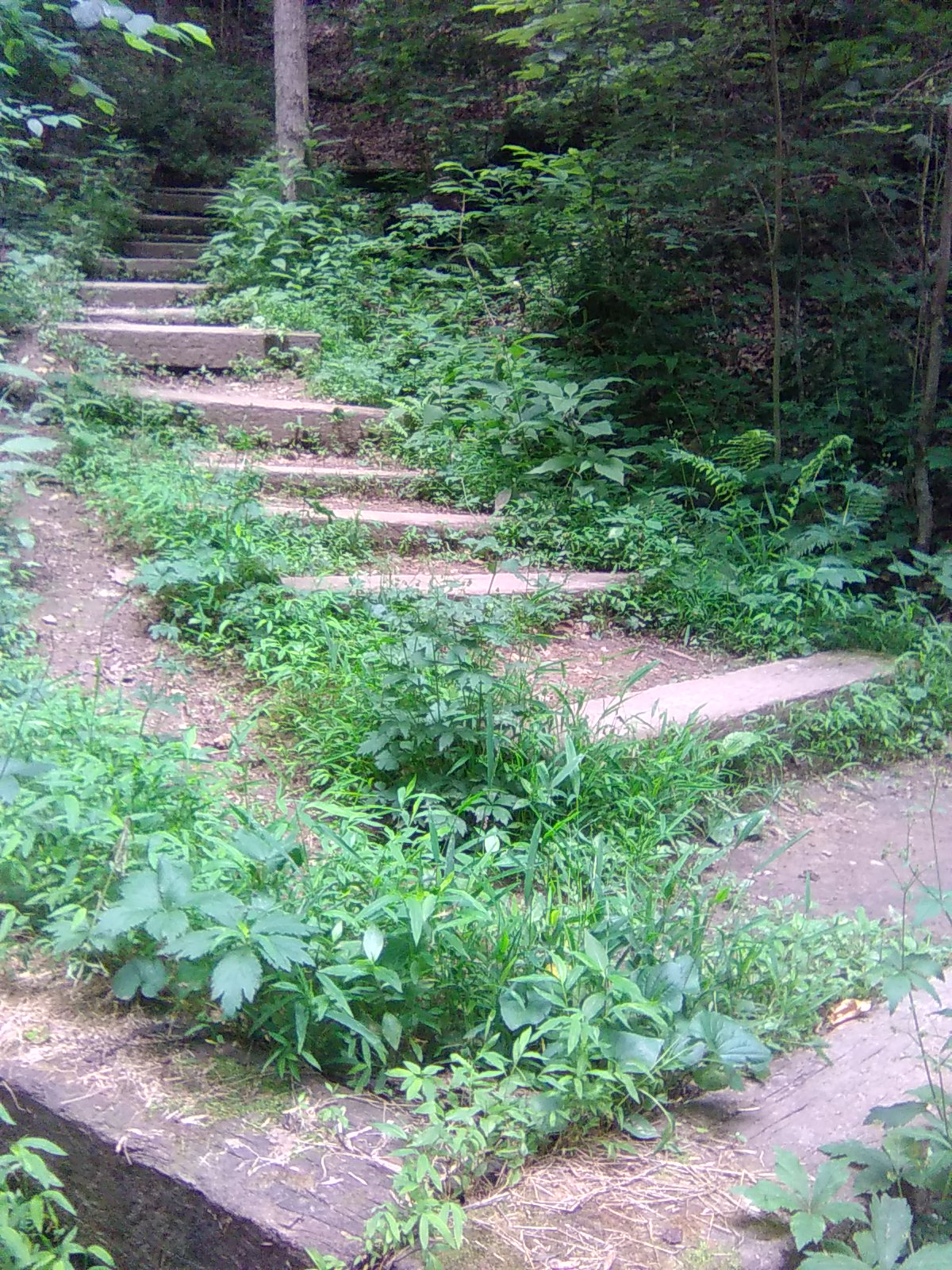
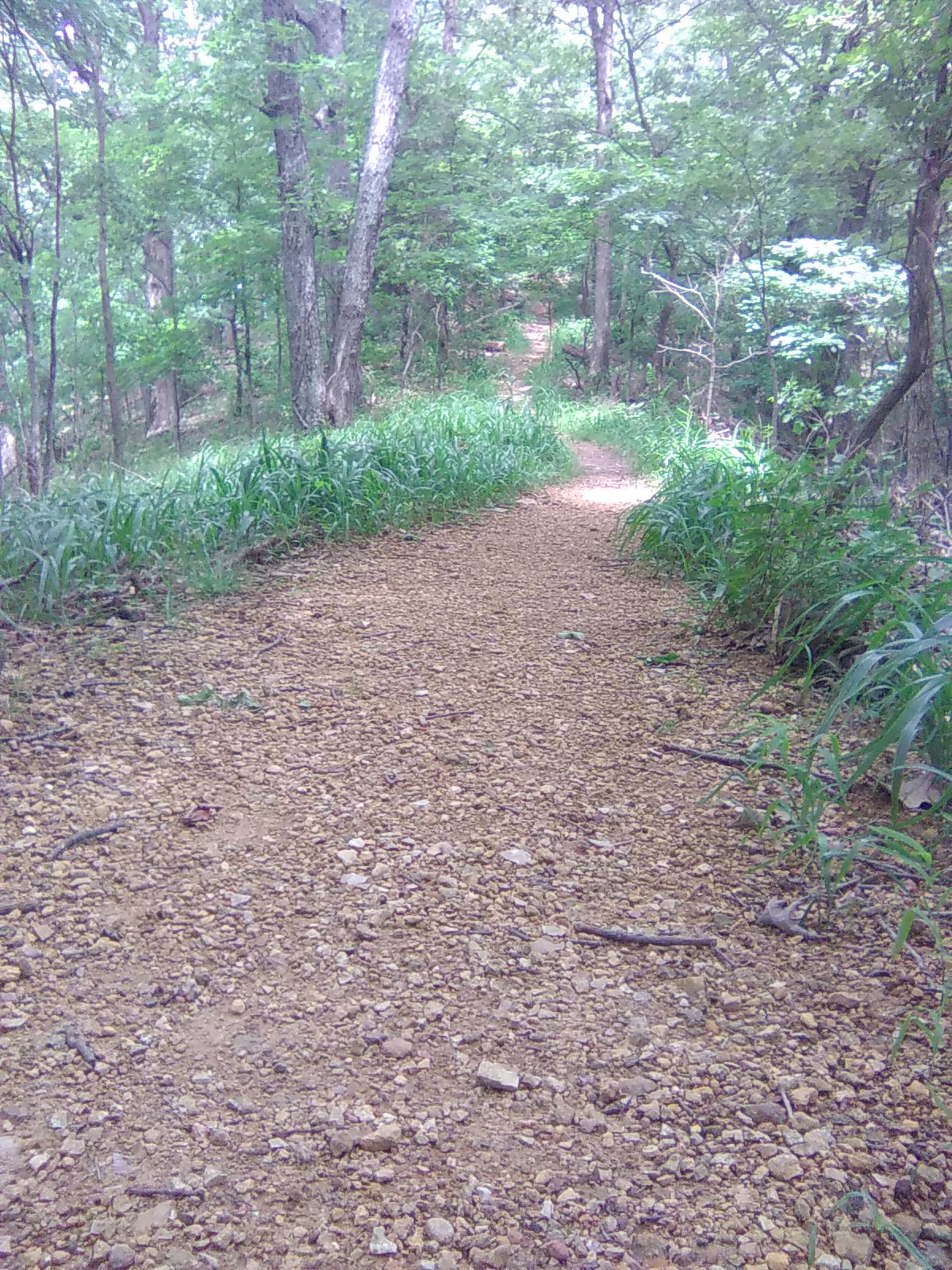
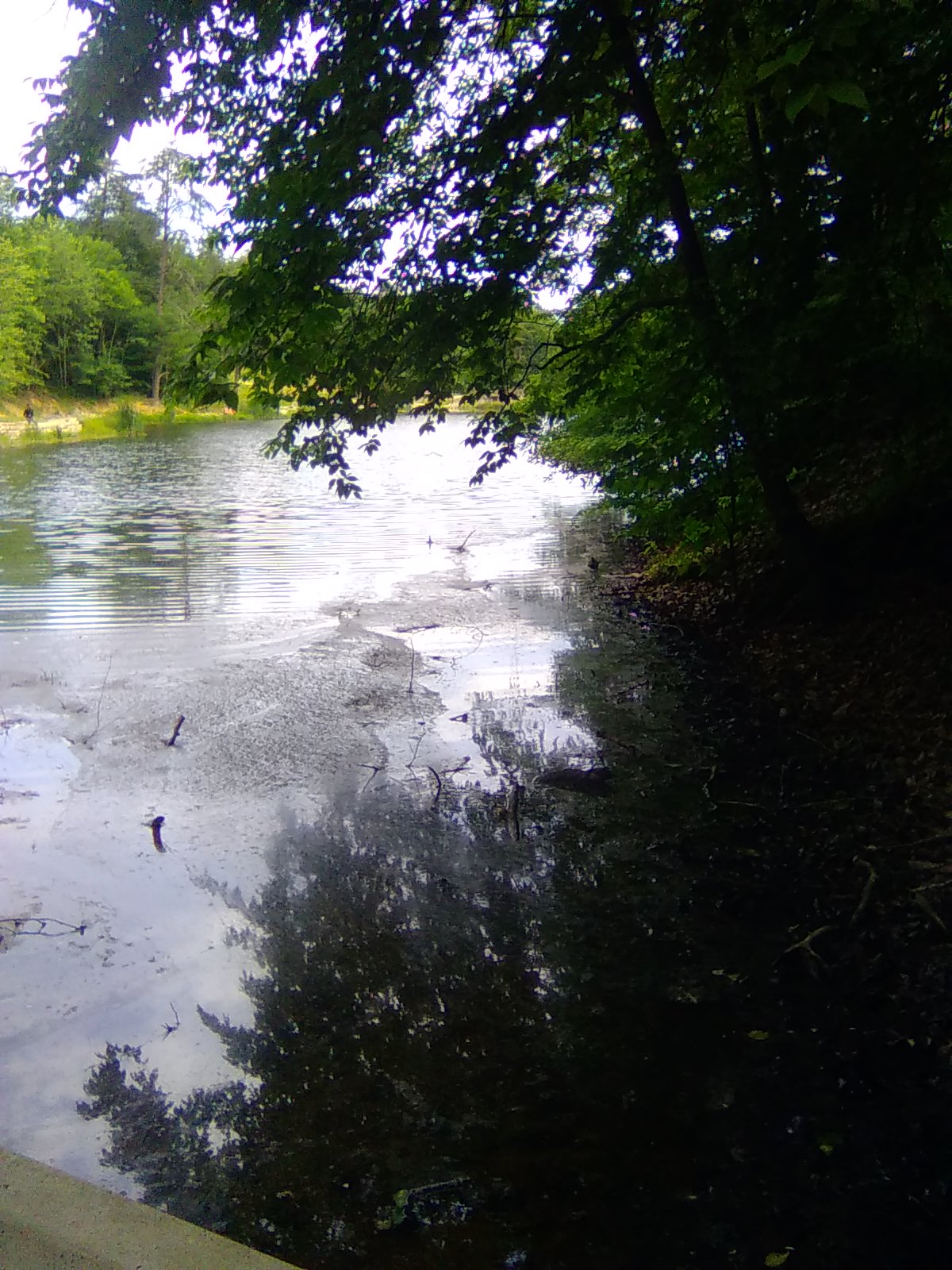
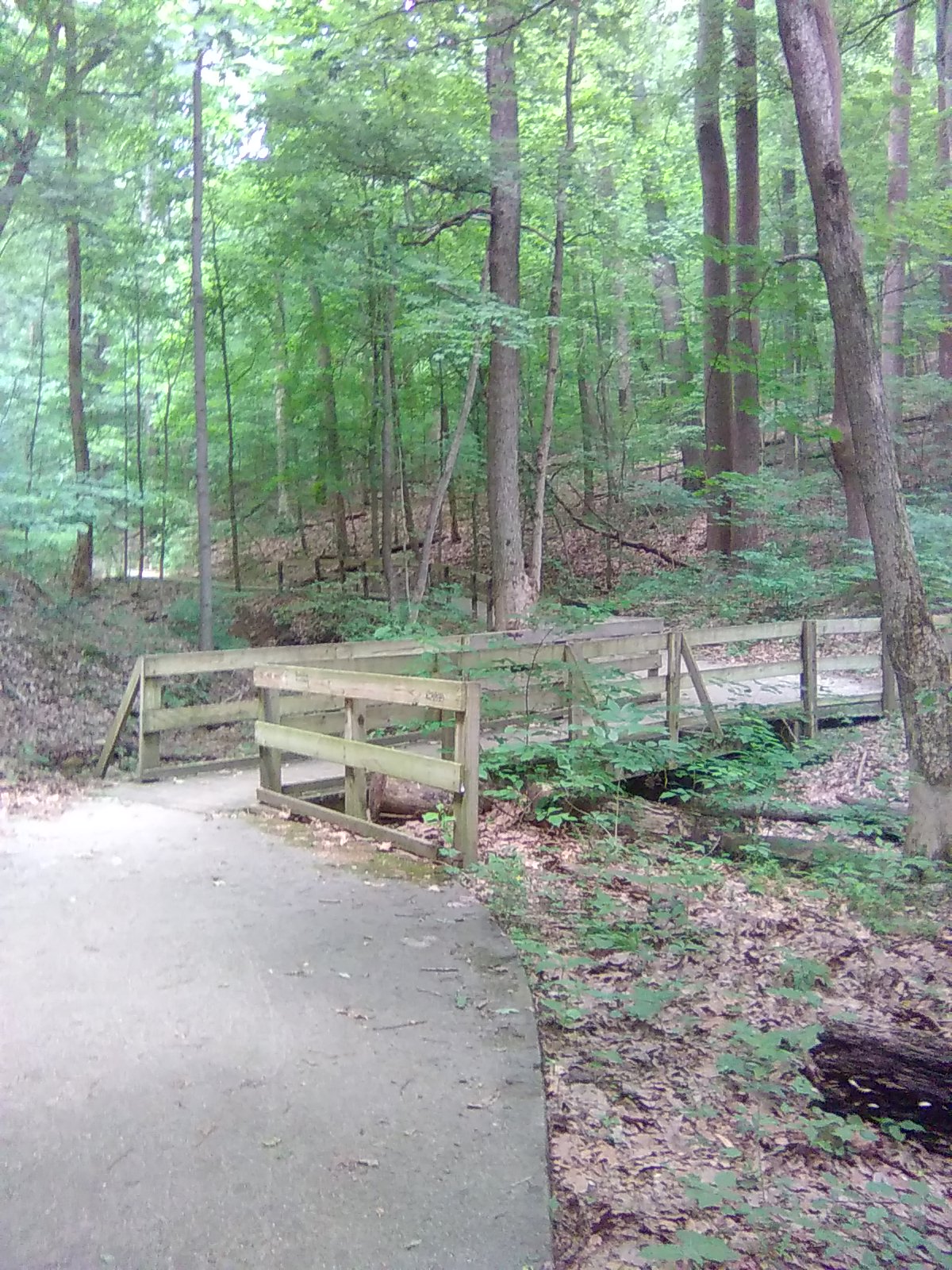
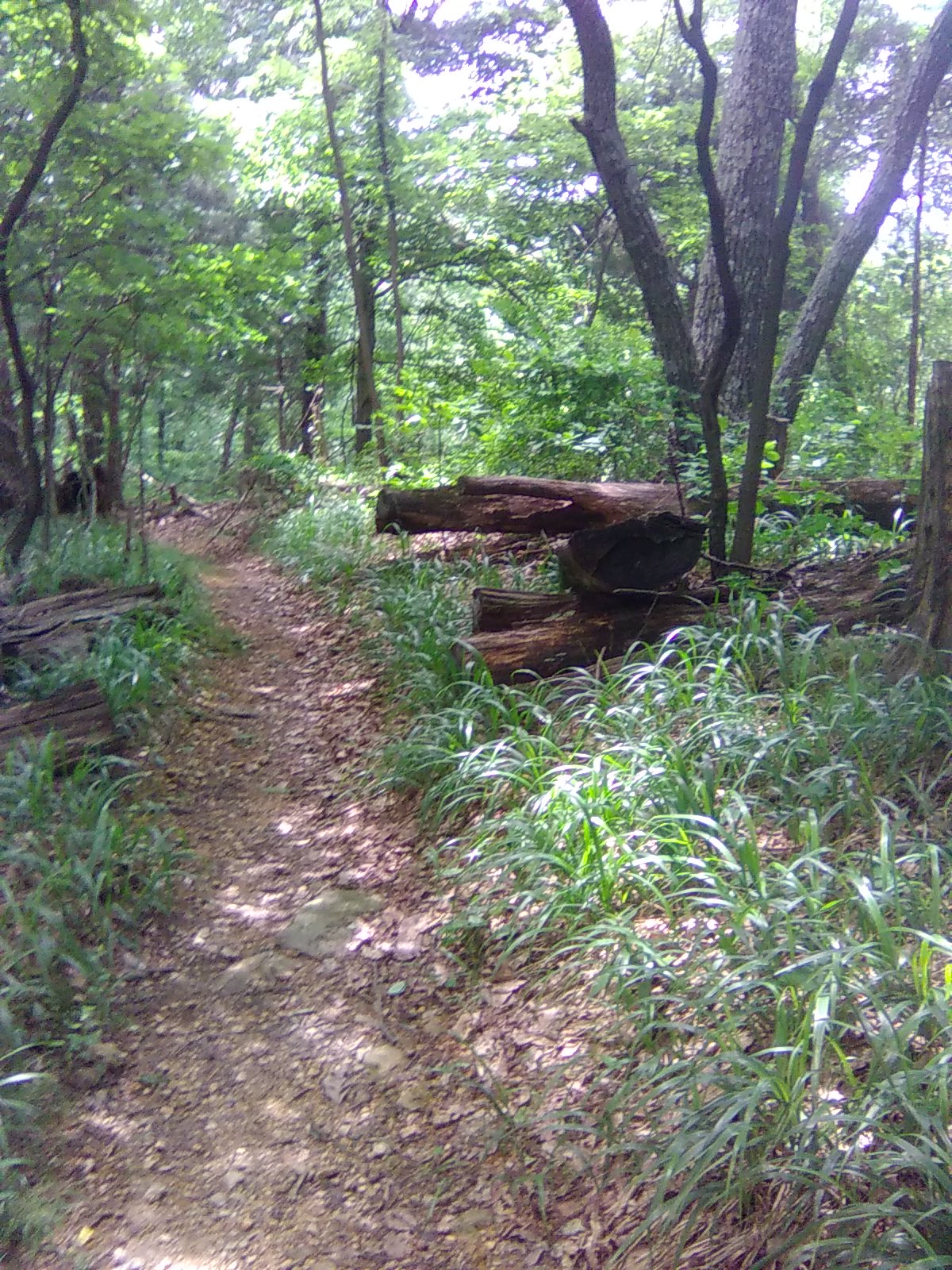
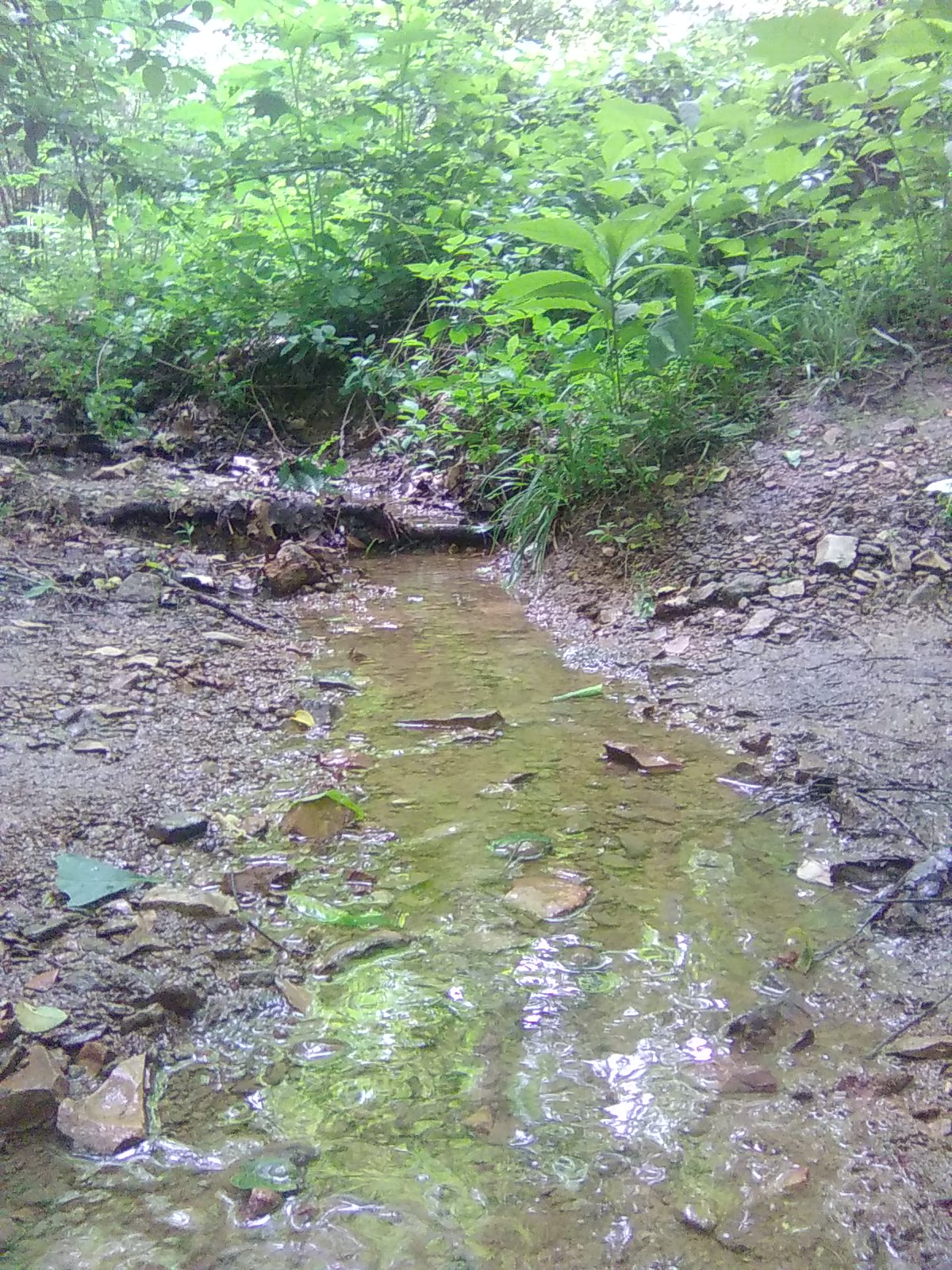
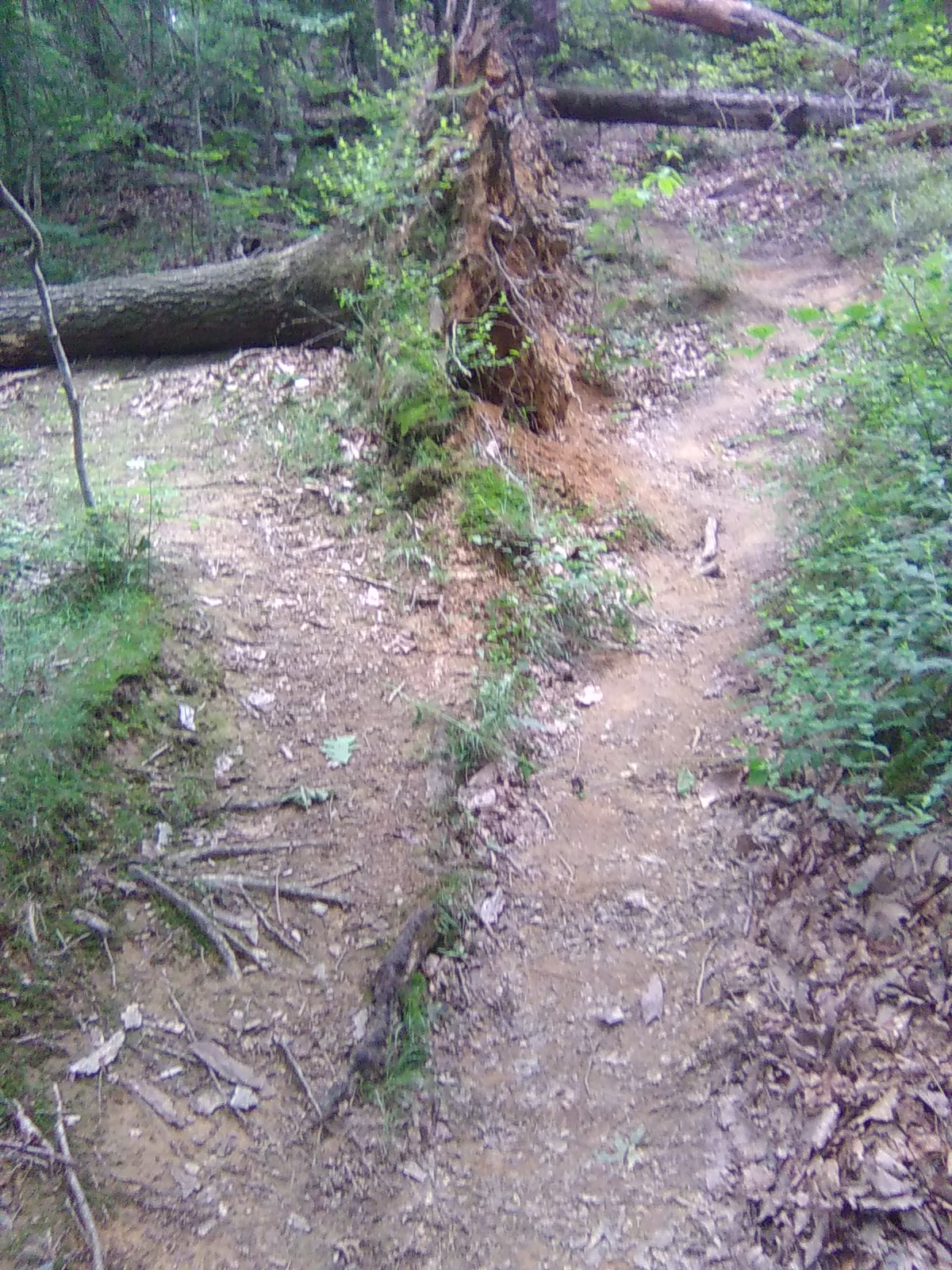
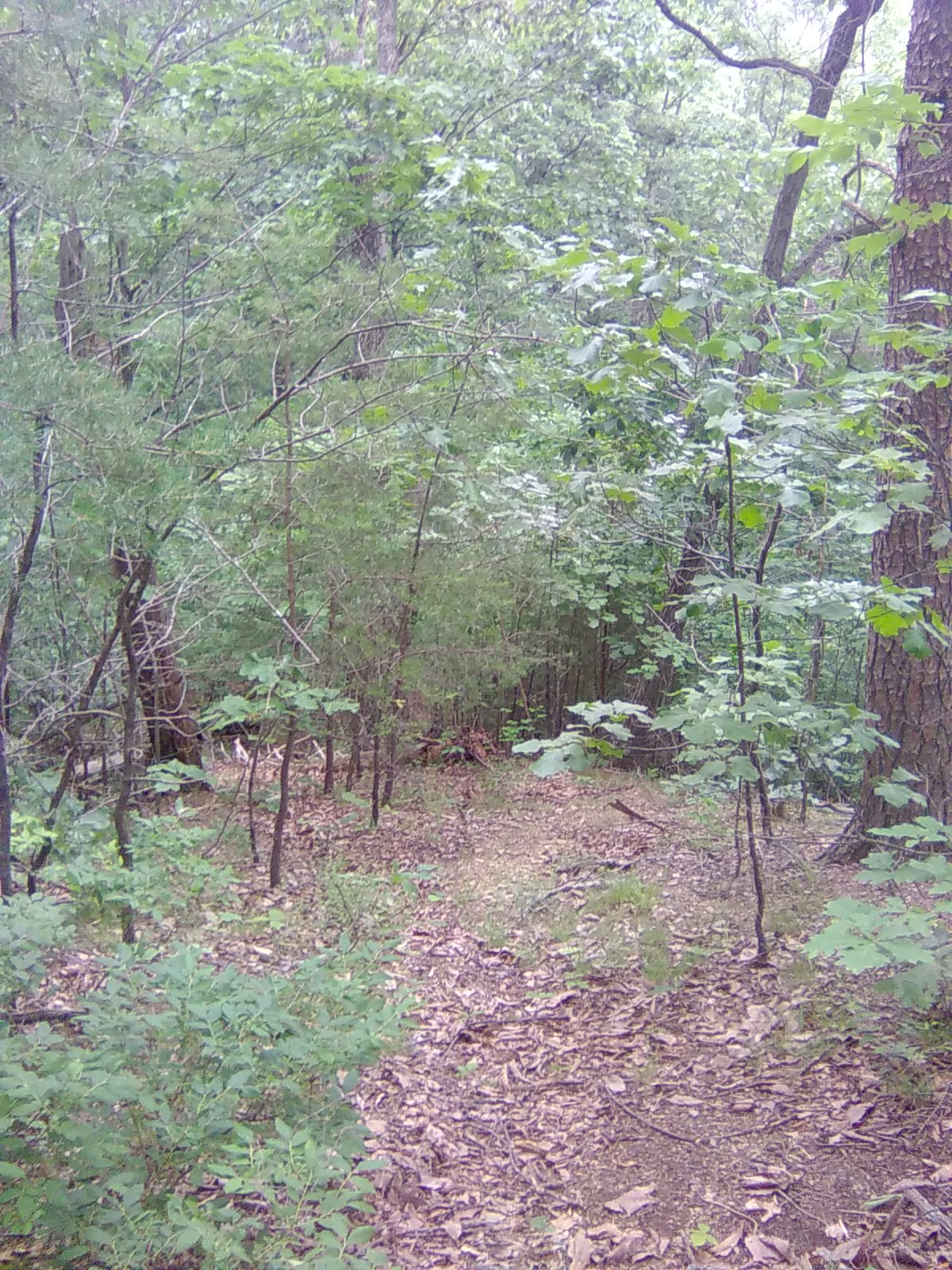
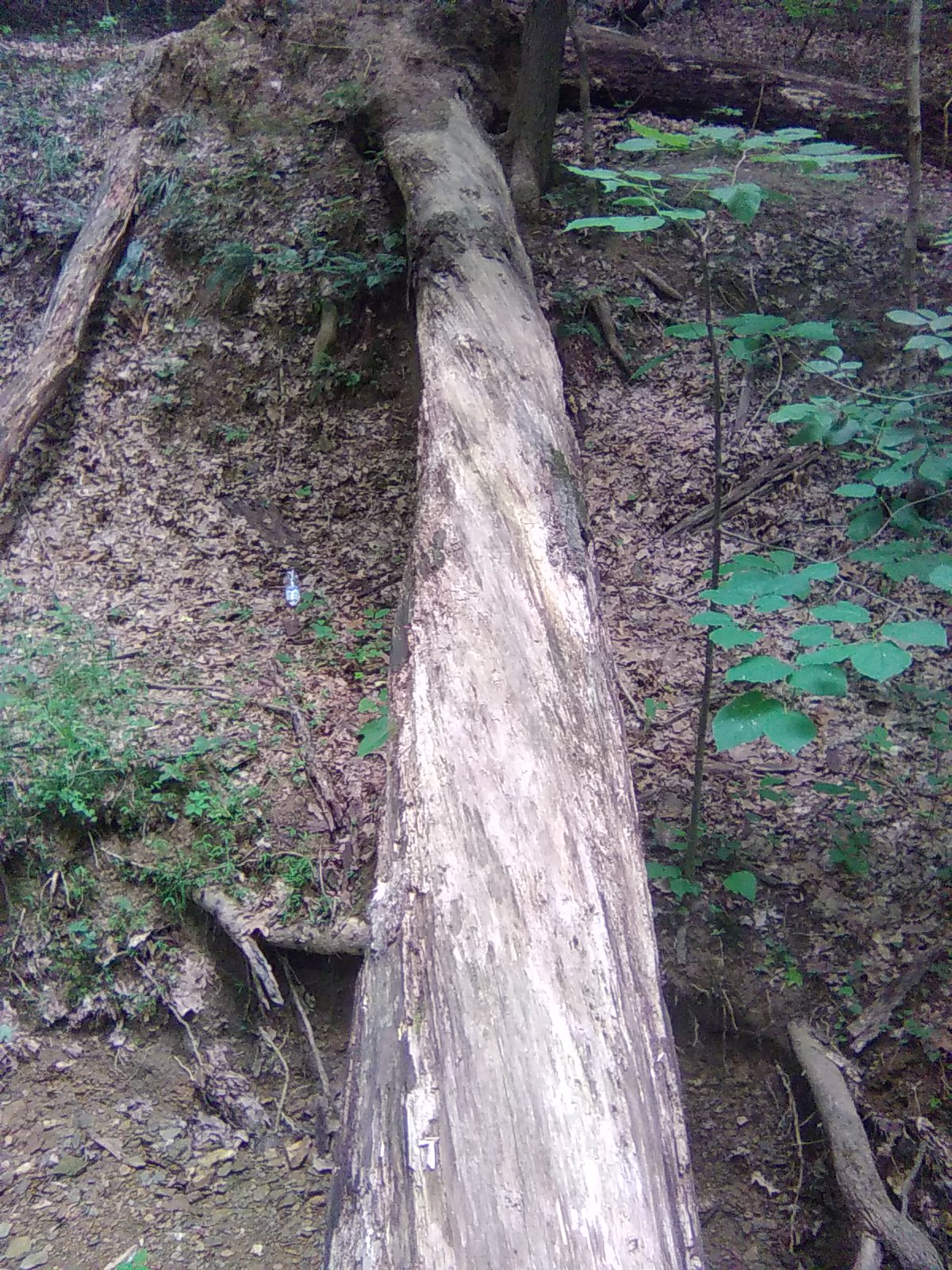
Great run on the Purple Heart. This has parts of the Siltstone, including that brutal climb from the shelter at the end of Tulip Tree Trail. There is a fearsome steep switchback that is like the one at Scott's Gap. Found some nice looking Pincushion moss at the top ridge. Took a wrong turn and ended up back at Wallace Lake, but completed the circuit back to the shelter for one more crack at the hill. Slower pace, but an even steady run to the top (where the trail splits to Siltstone). Quiet out today.
Past and Present
Pacing myself through the heavy late-May canopy of beech and tulip trees, my mind drifted to how much the world shifts while these rugged knobs stay exactly the same. Jogging past the trail markers, I couldn't help but think of the post-war generation who first set aside these ridges in the 1940s as a living memorial for veterans. They were navigating massive global realignments, not unlike the headlines piling up this week about the Trump-Xi summit or the fragile ceasefire talks overseas. But out here, the geopolitical noise faded, replaced by thoughts on a tech article I read before the run about how artificial intelligence is suddenly disrupting everything from advanced mathematics to basic internet search. Navigating those rapid technological breakthroughs feels a lot like tackling a blind switchback on the Siltstone; things move incredibly fast, and you just hope we don't filter out the core human element along the way.
By the time I hit the drier ridges near the shale barrens, where the sparse oaks somehow thrive in the shallow soil, the midday heat was picking up. It made me think about resilience—not just the rare plants fighting to grow in Kentucky clay, but the international health teams working on the ground right now to contain the new Ebola outbreak in the Congo. Nature has its own brilliant ways of adapting, too; I kept listening to the canopy, thinking about a study published a few days ago showing how some birds actually clap in the dark to communicate, and how homing pigeons navigate using internal mapping mechanisms we are only just beginning to decode. Breaking through the trees and cooling down by Tom Wallace Lake, the world's complex puzzles felt a little more manageable. There’s a comforting rhythm to it all, a reminder that whether through human innovation or environmental recovery, we always find a steady way to push forward.
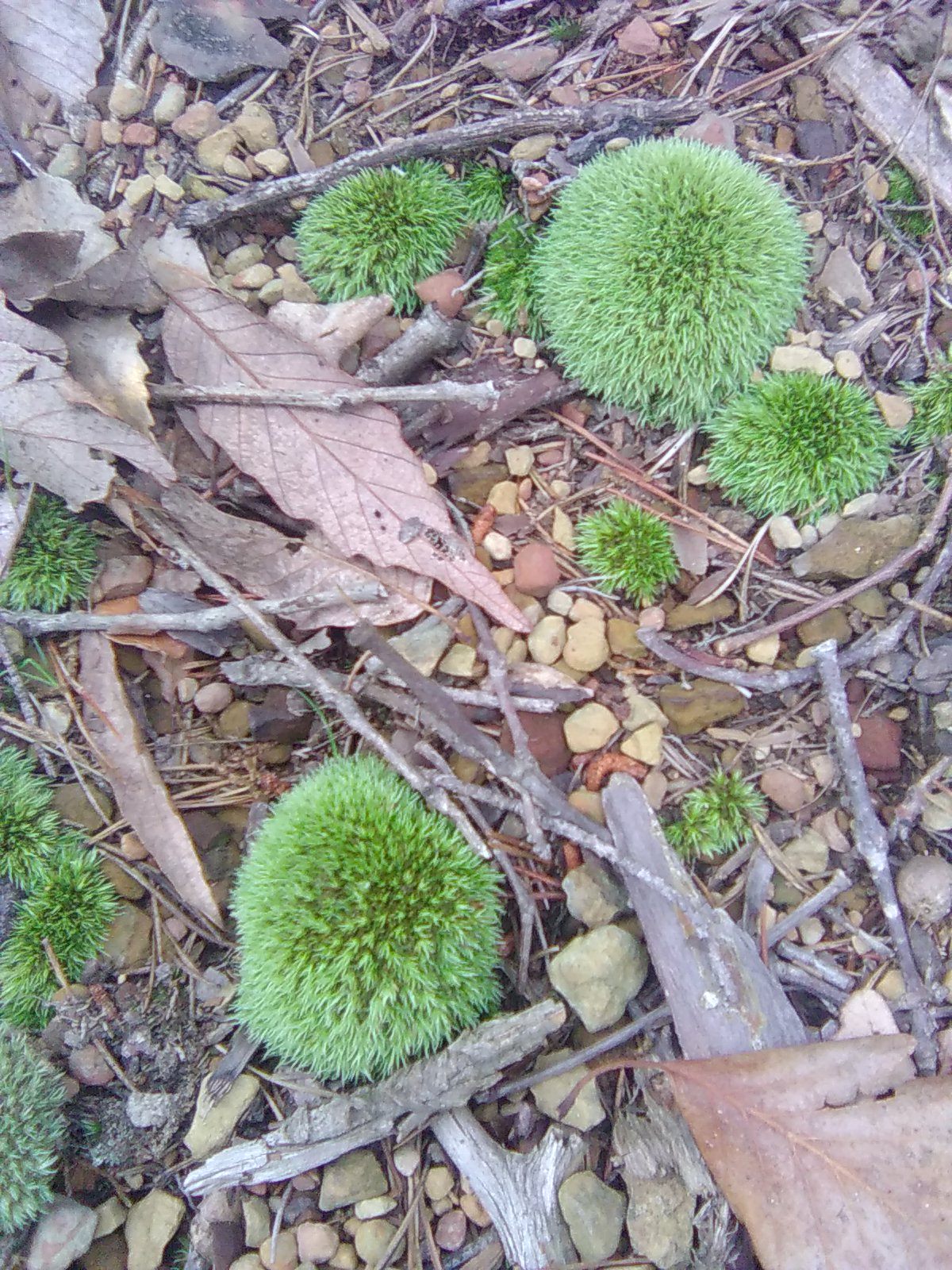
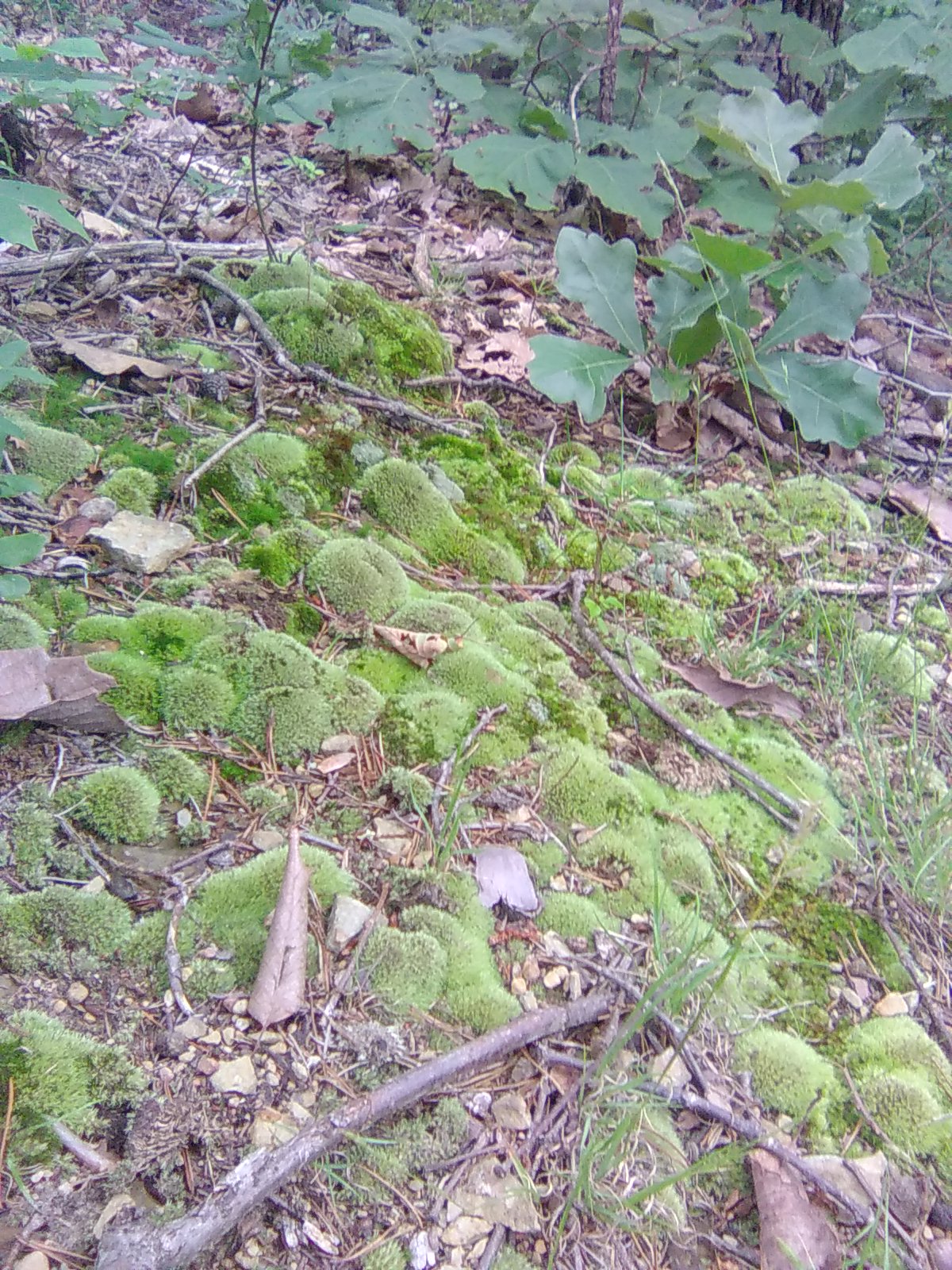
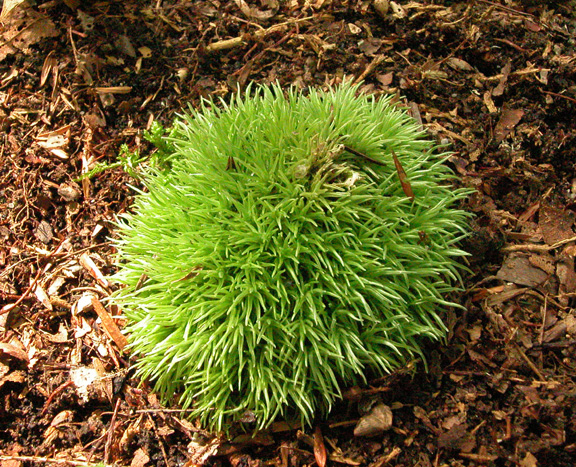
Pincushion moss (Leucobryum glaucum) - A fascinating, hardy bryophyte that grows in dense, rounded cushions resembling tiny velvet pillows on the forest floor. Perfectly adapted to the rugged, acidic soils of wooded slopes like those found along the Purple Heart Trail, this moss plays a vital ecological role by absorbing moisture like a sponge and anchoring loose rocks to prevent soil erosion. It thrives in the dappled shade of hardwood canopies, famously acting as a color chameleon by shifting from a vibrant, lush green when wet to a pale, ghostly grayish-white during dry spells.