Seaton Valley Trail
"The sun can step; the sun can go / But the earth, it rolls / And the trees, they grow." — Caamp ("The Otter")
6/7/2026 - 80° Sunny
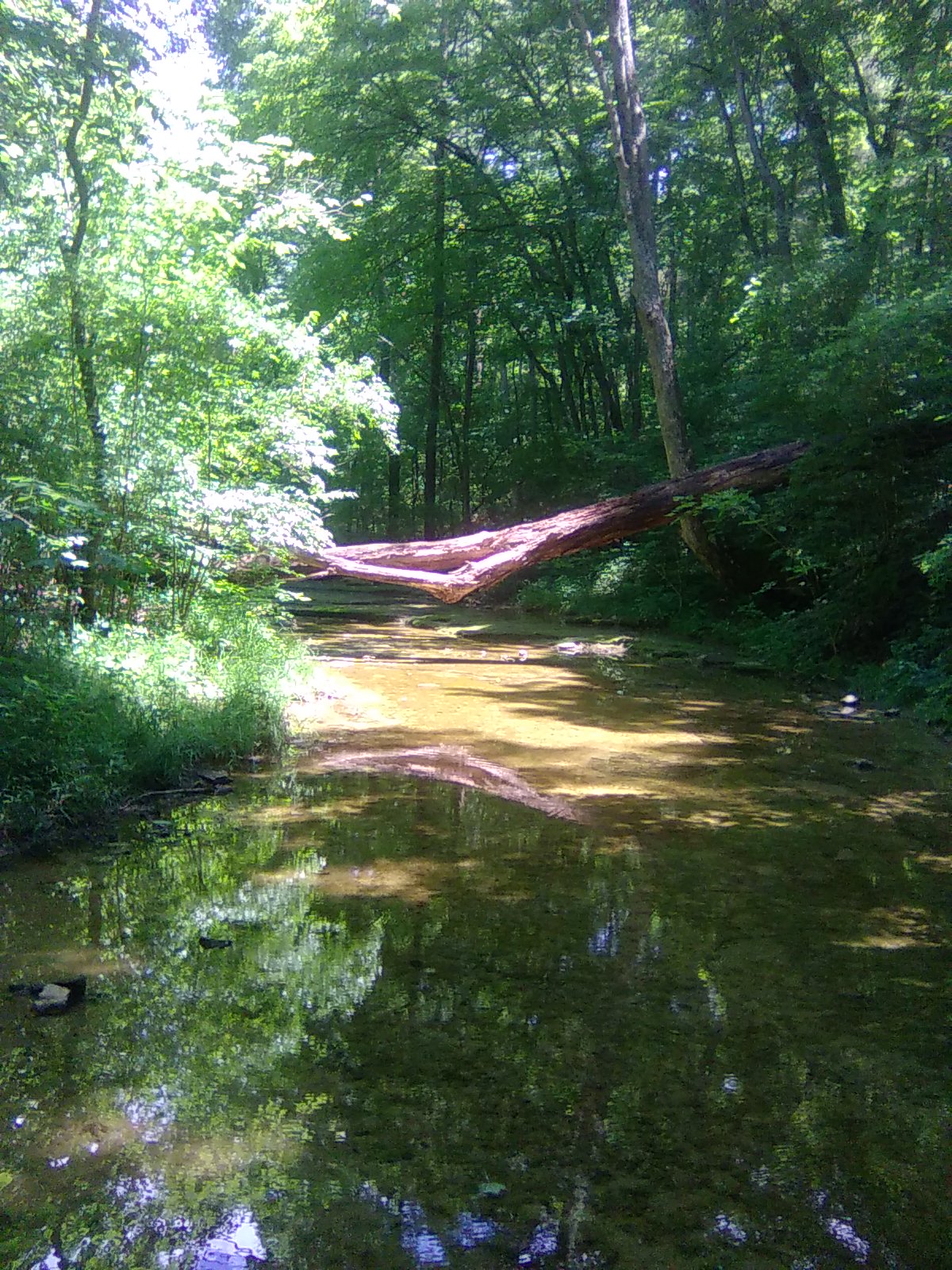
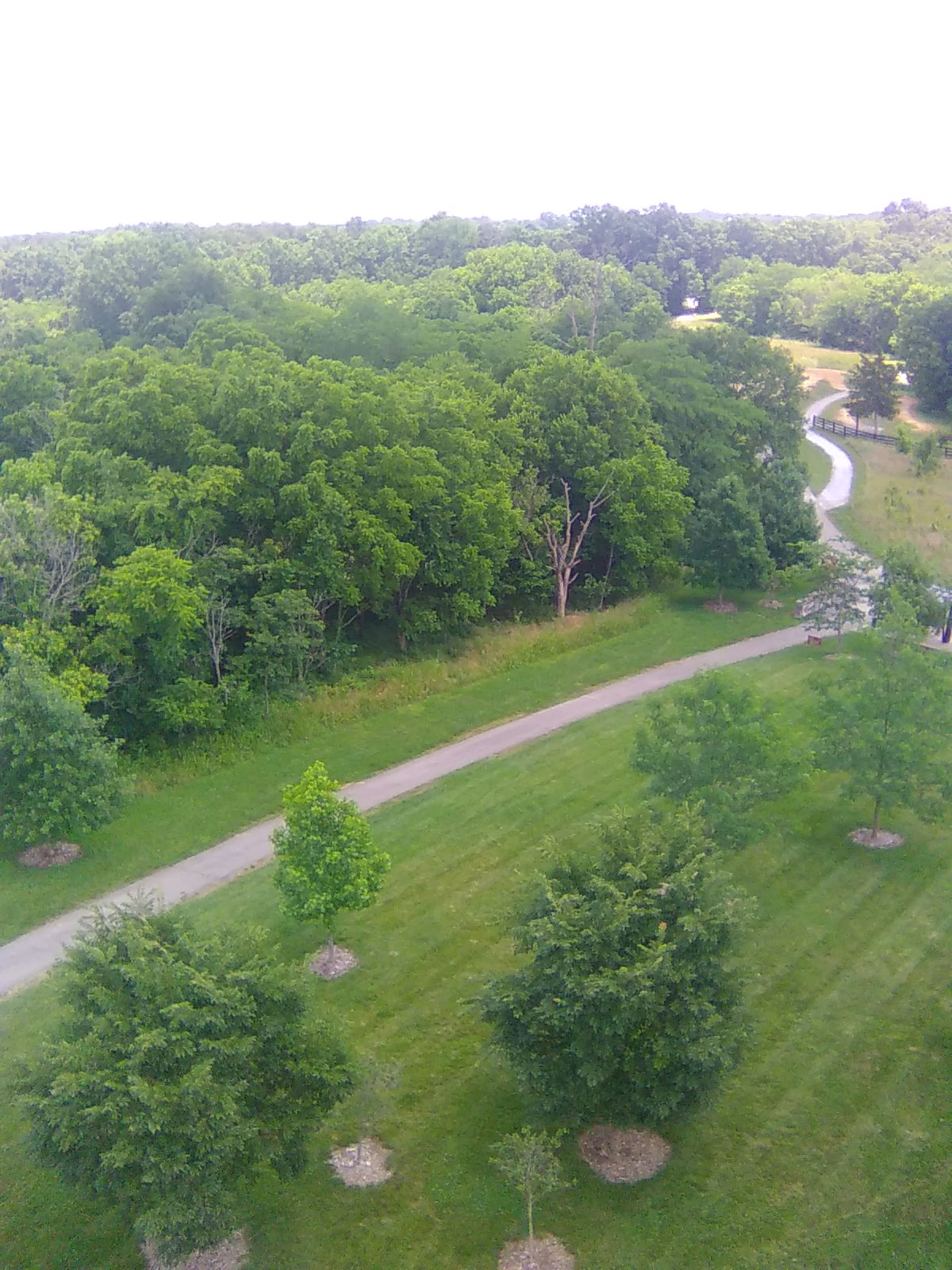
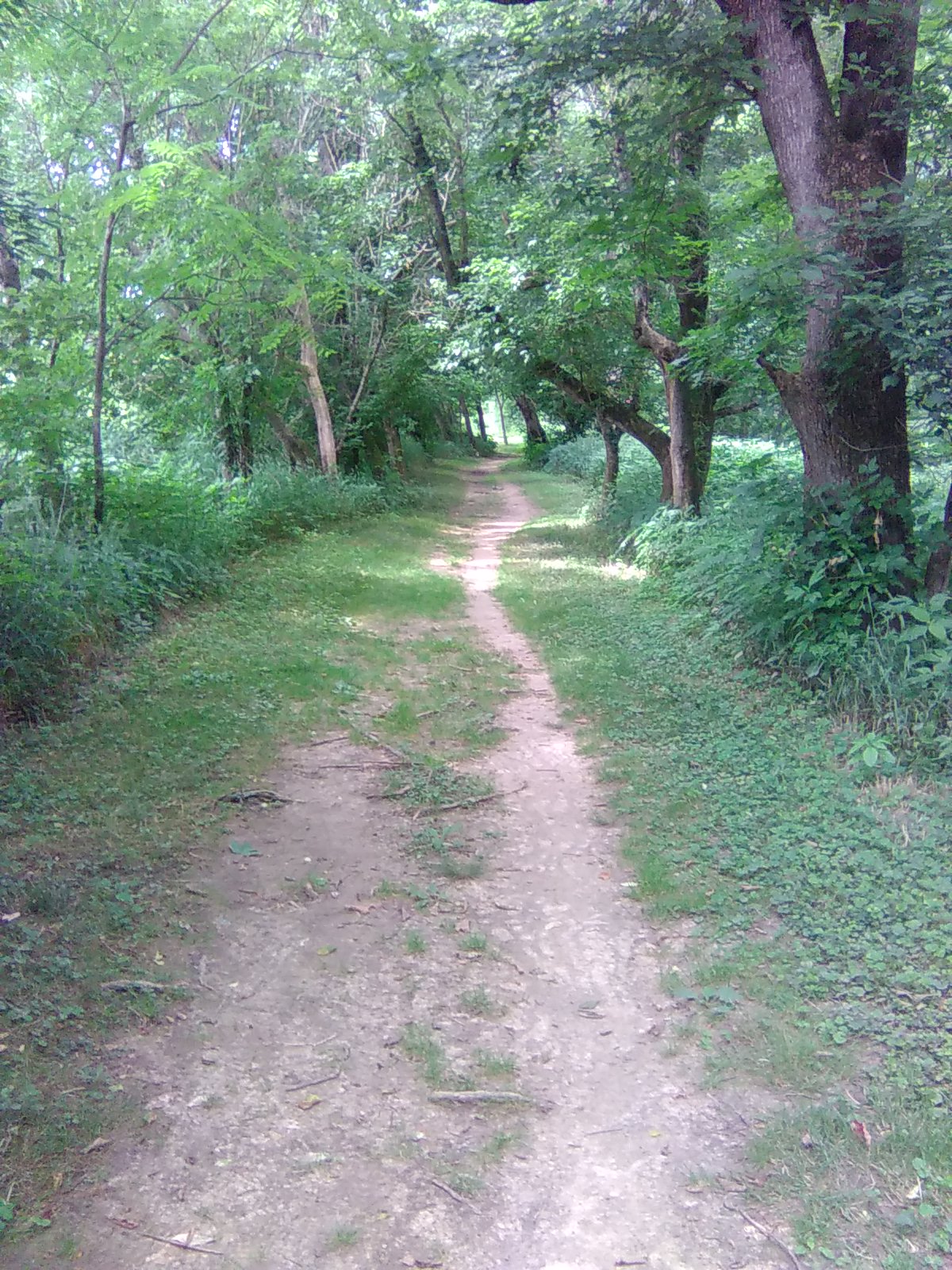
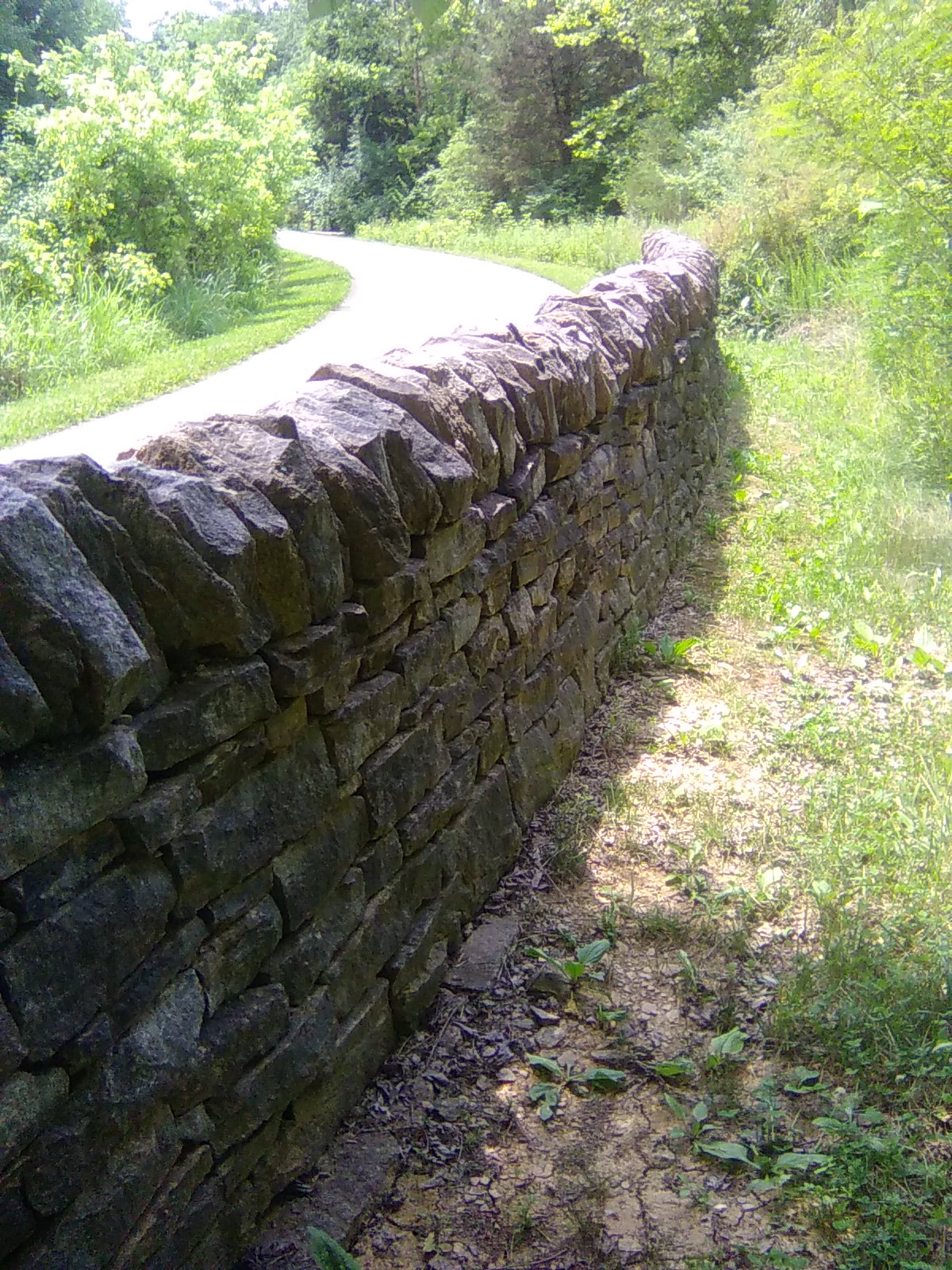
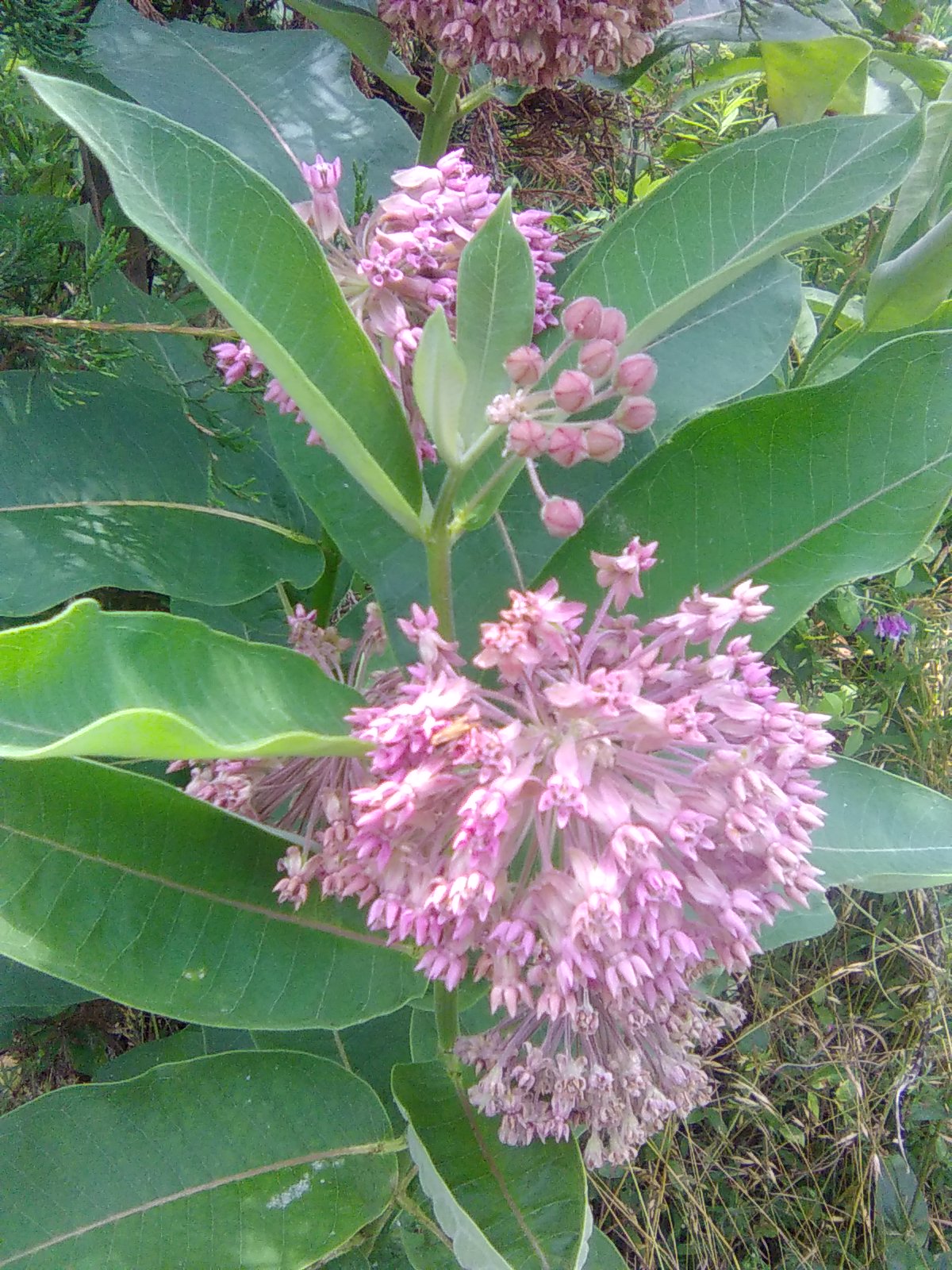
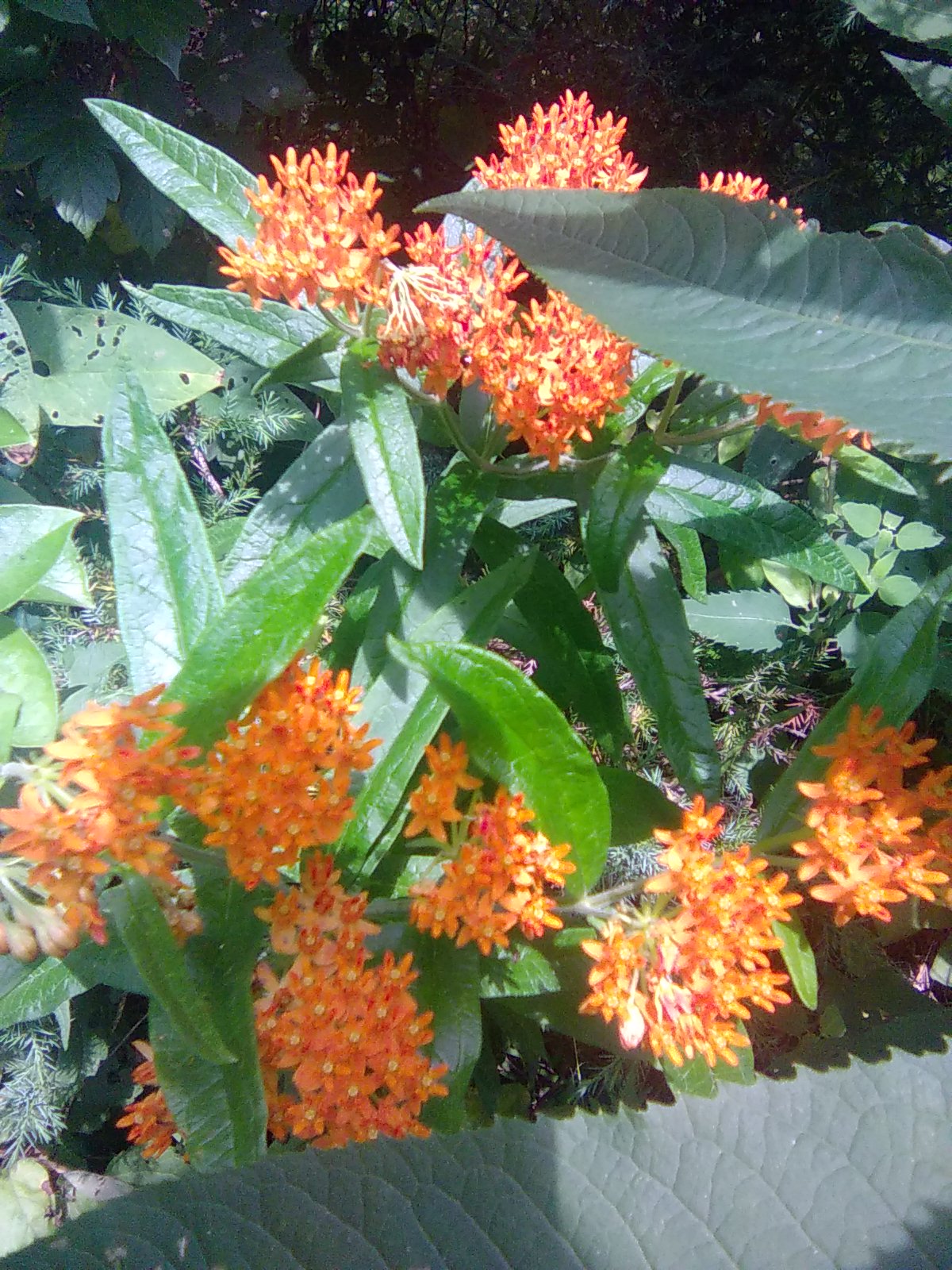
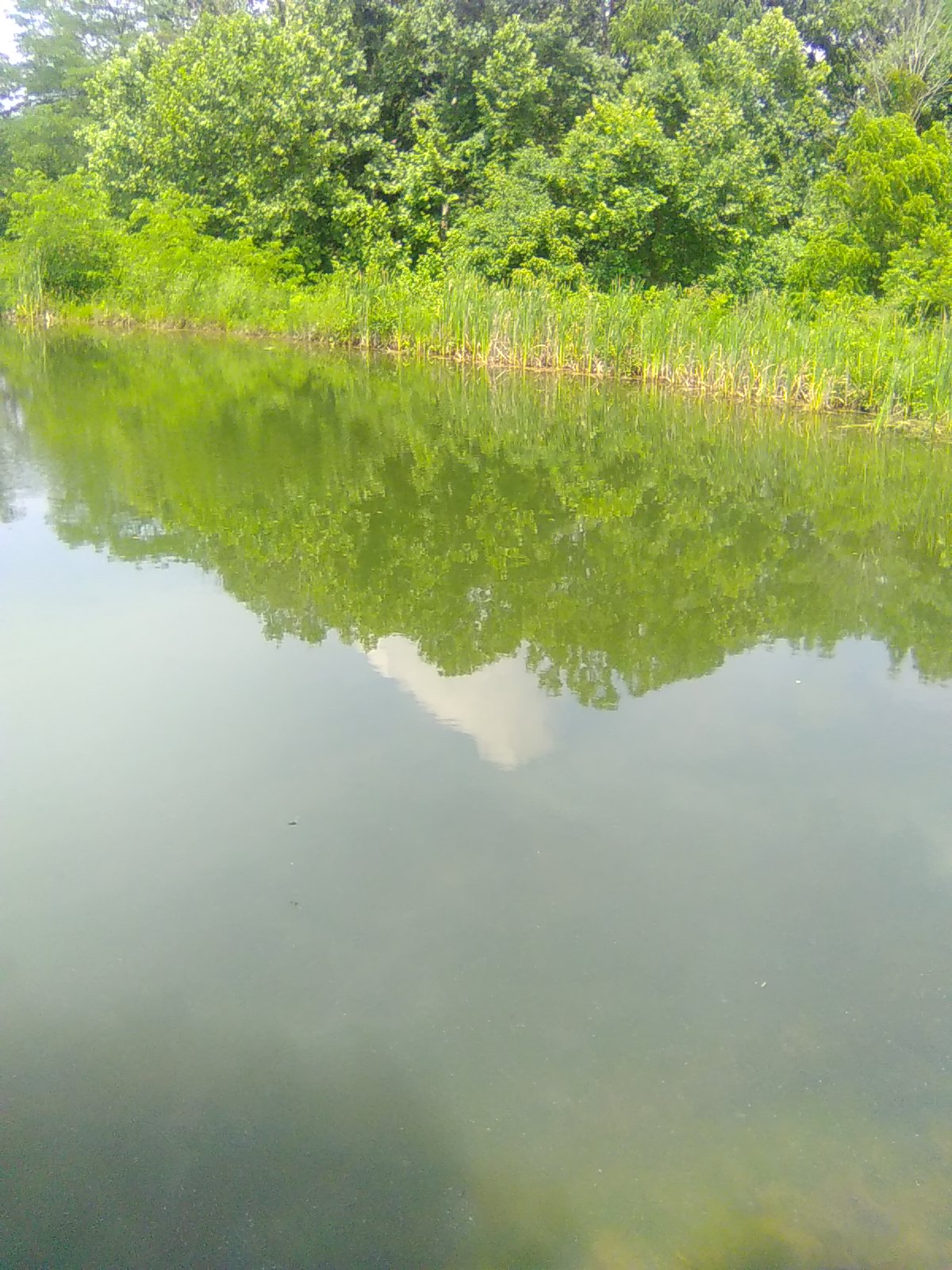
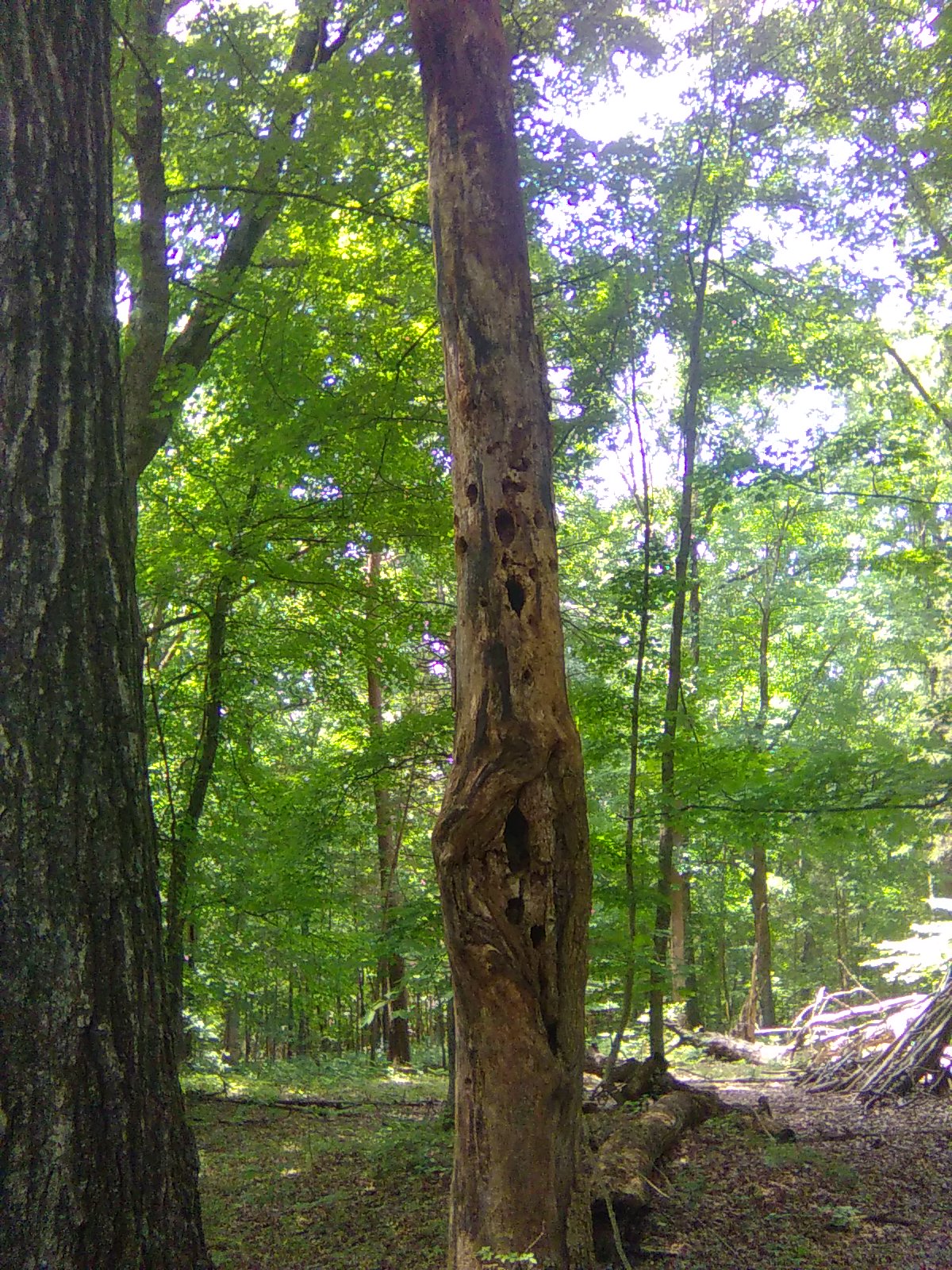
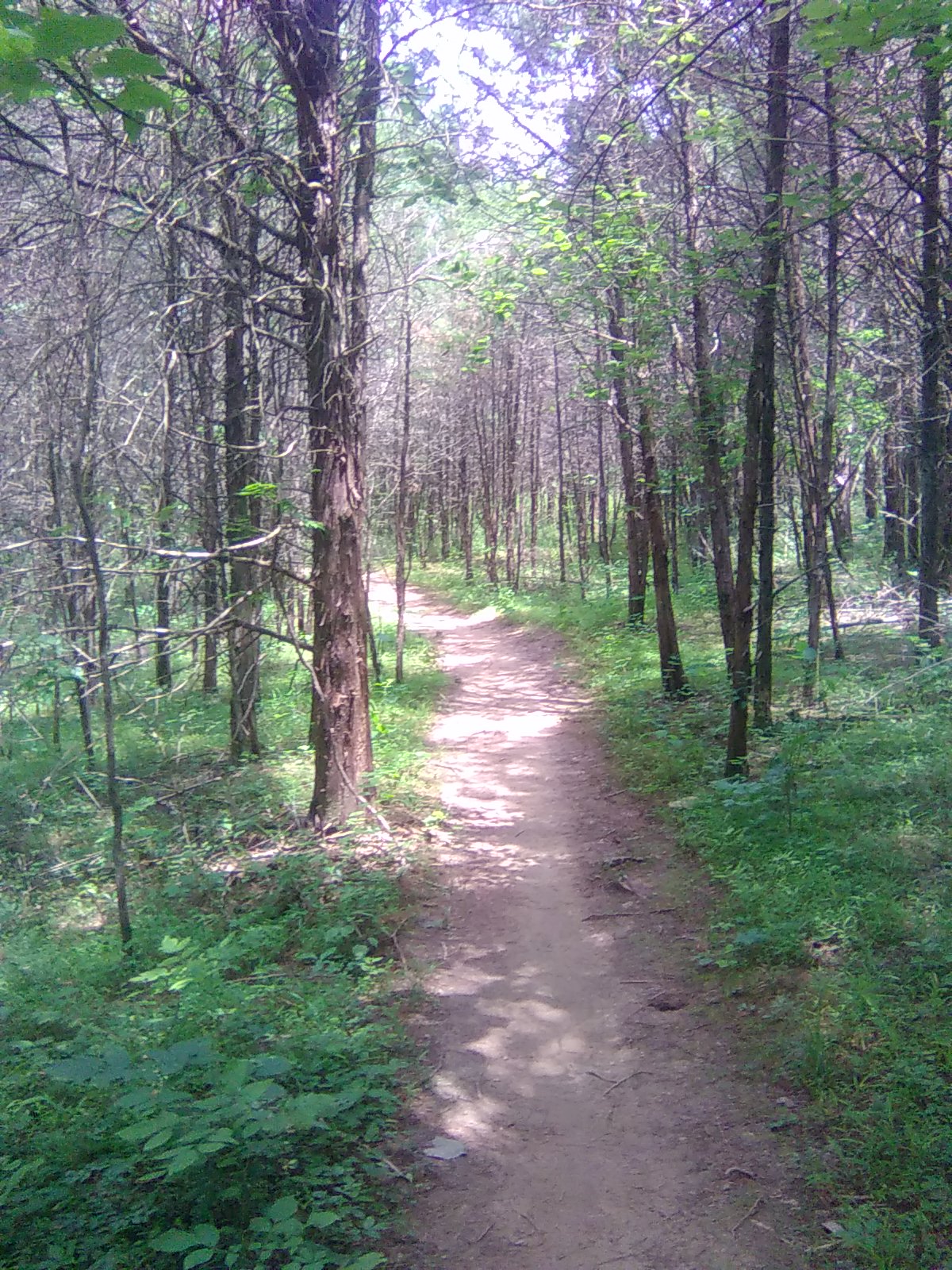
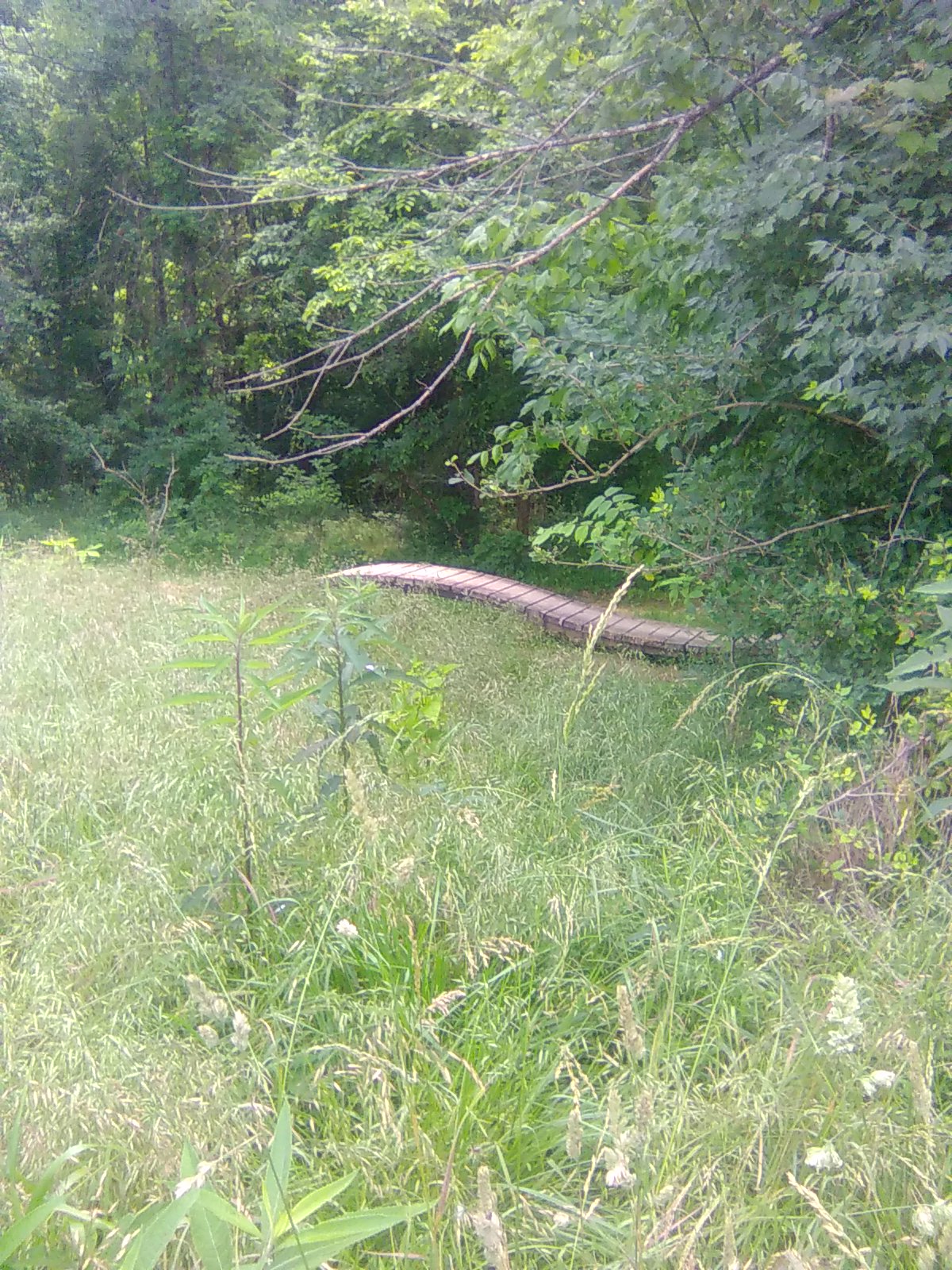
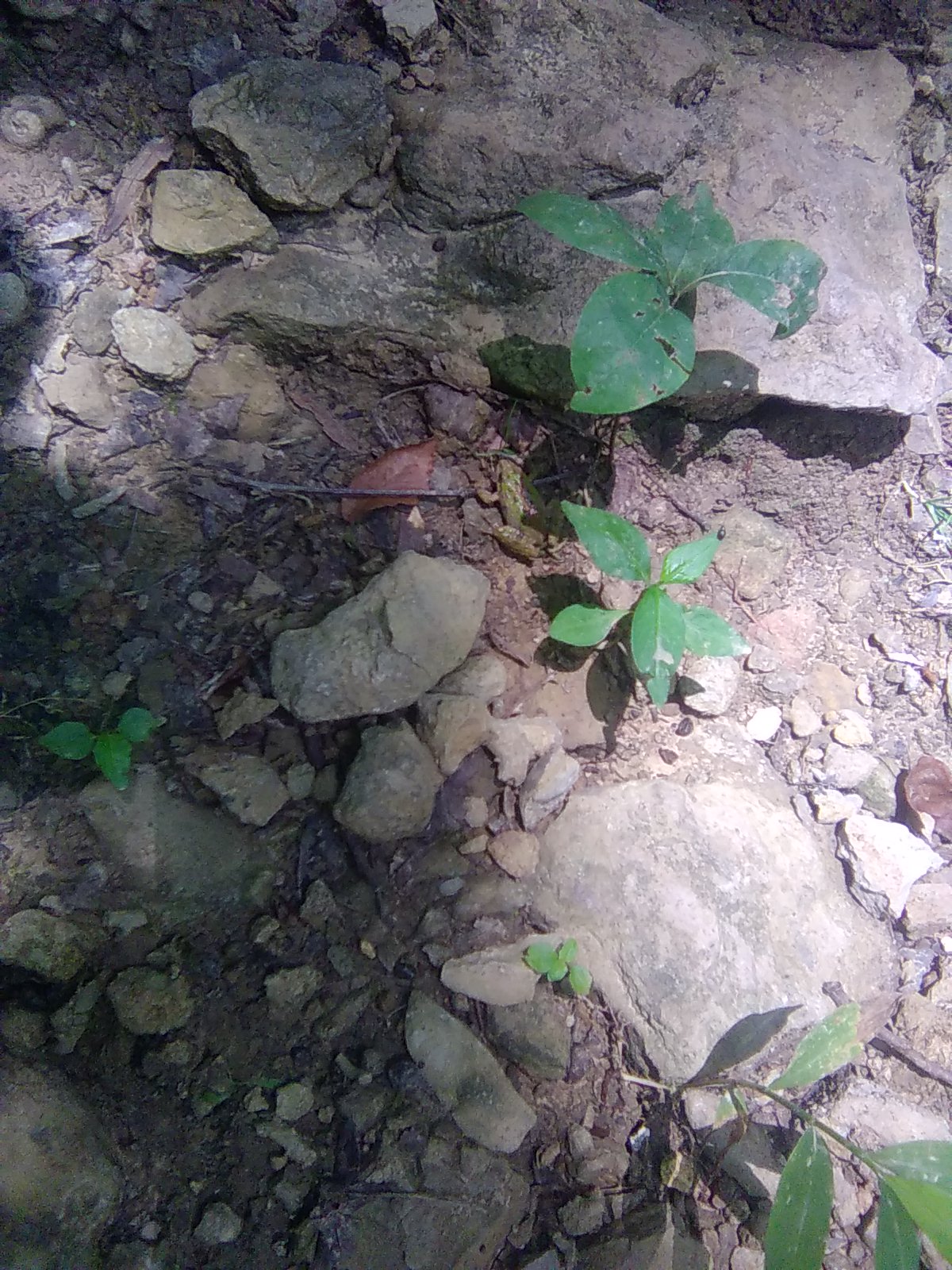
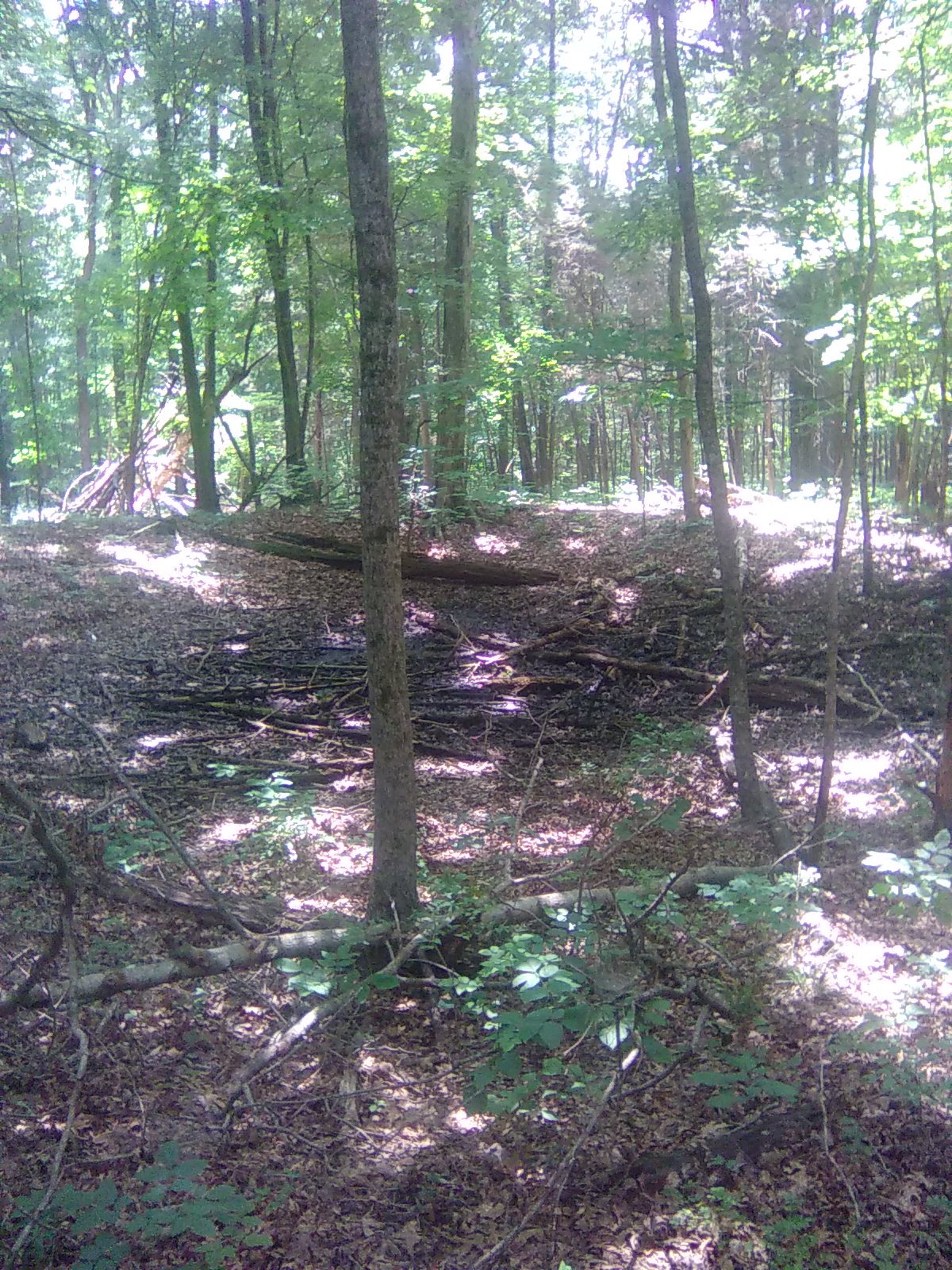
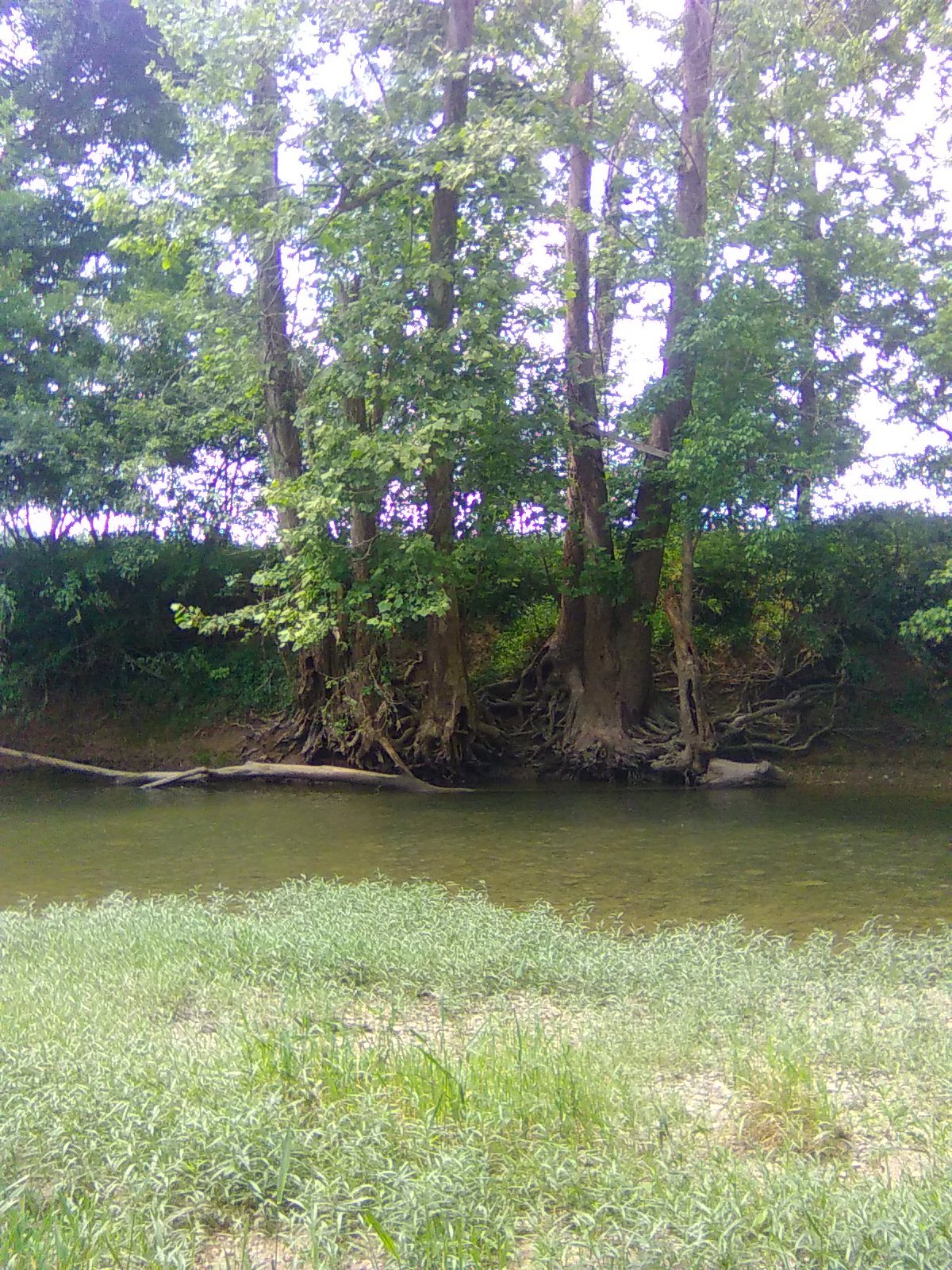
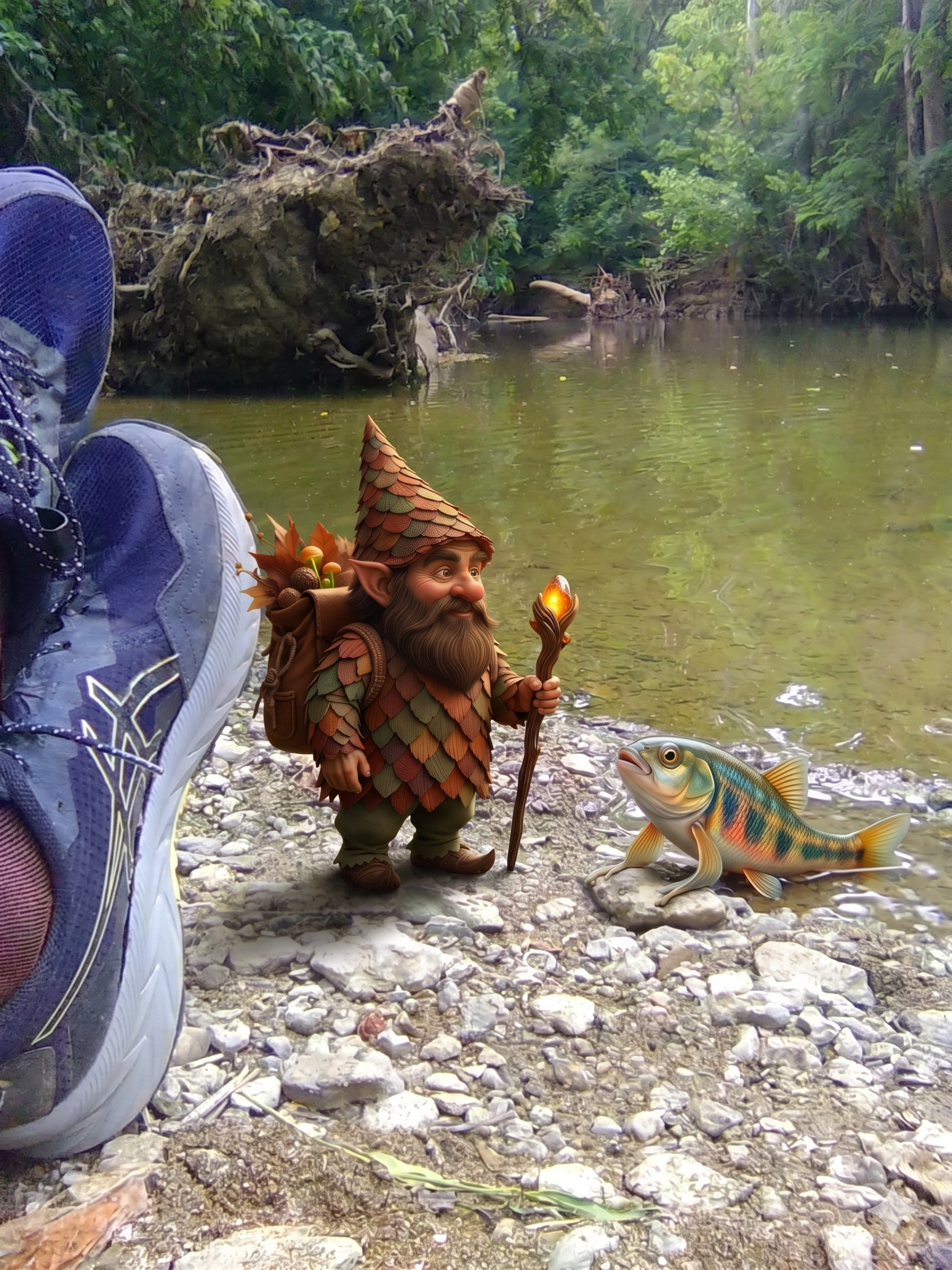
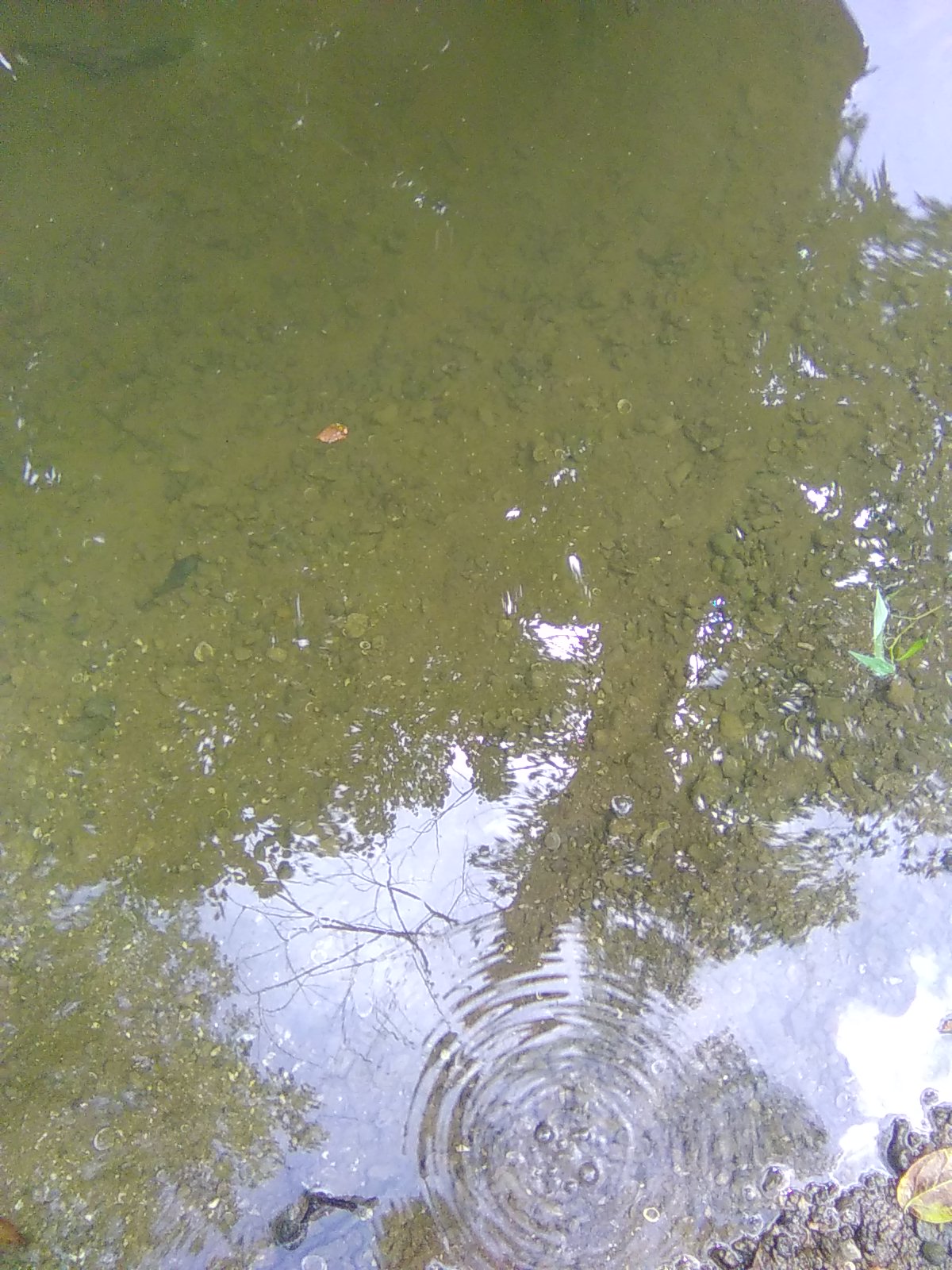
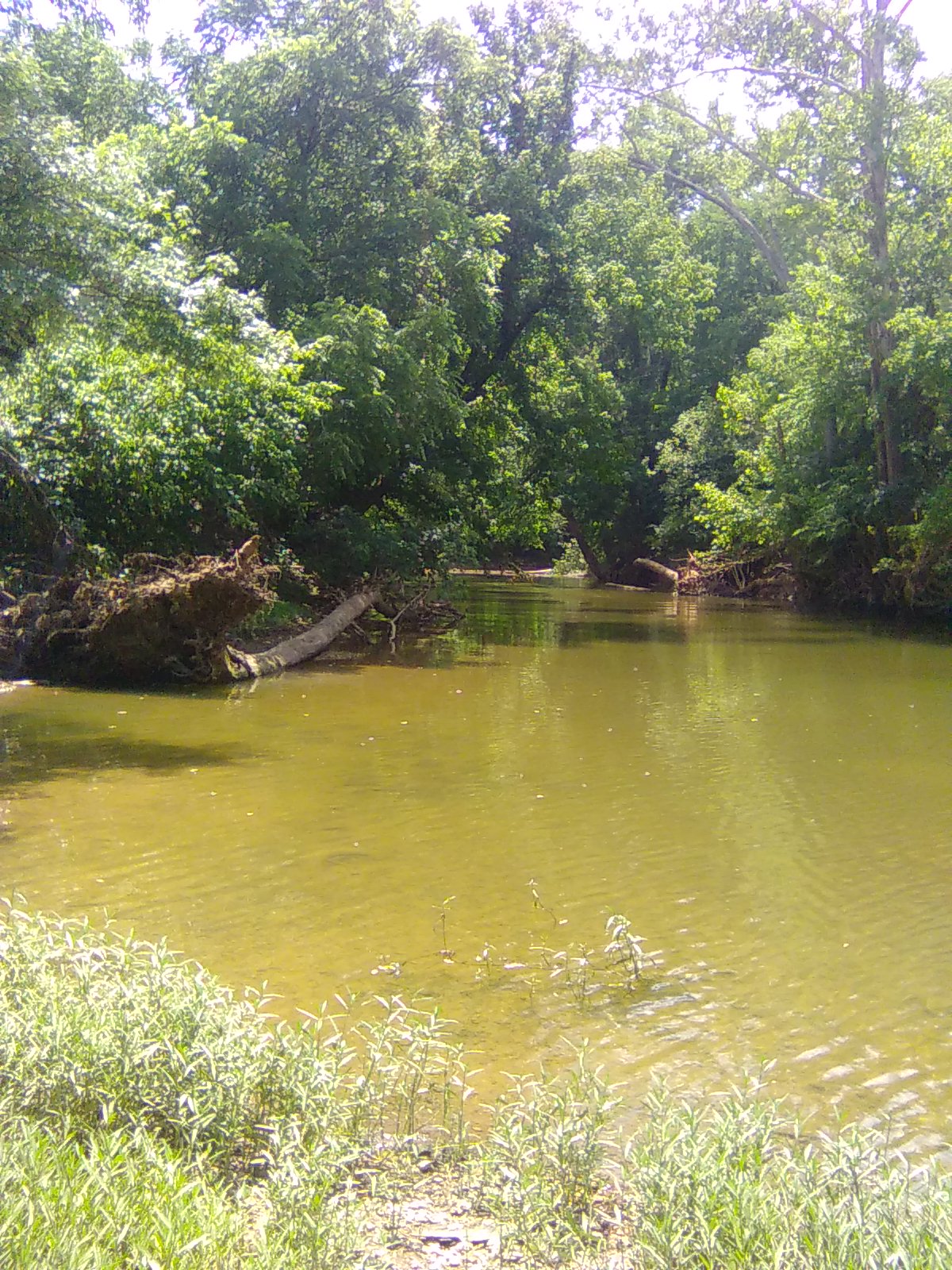
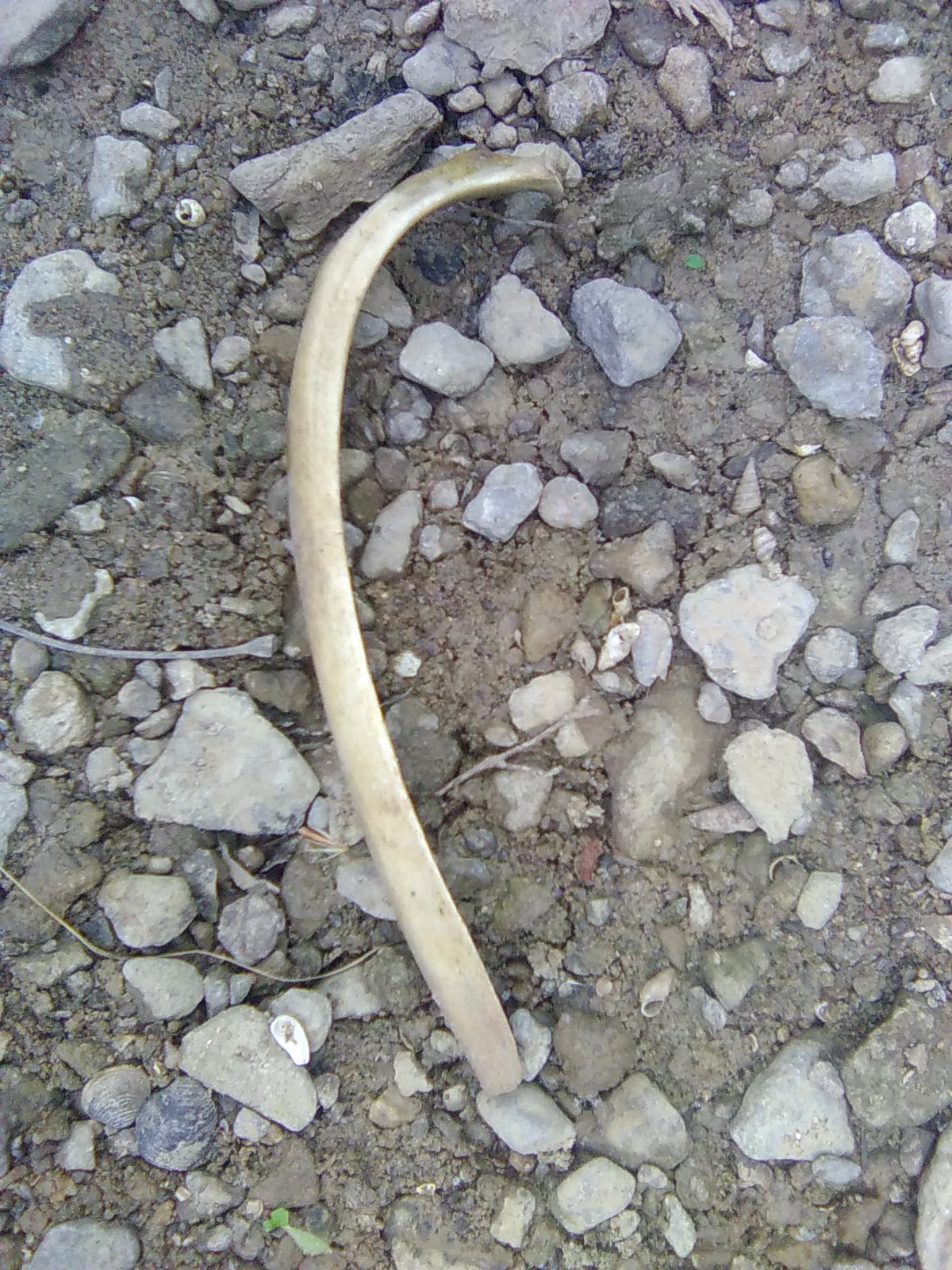
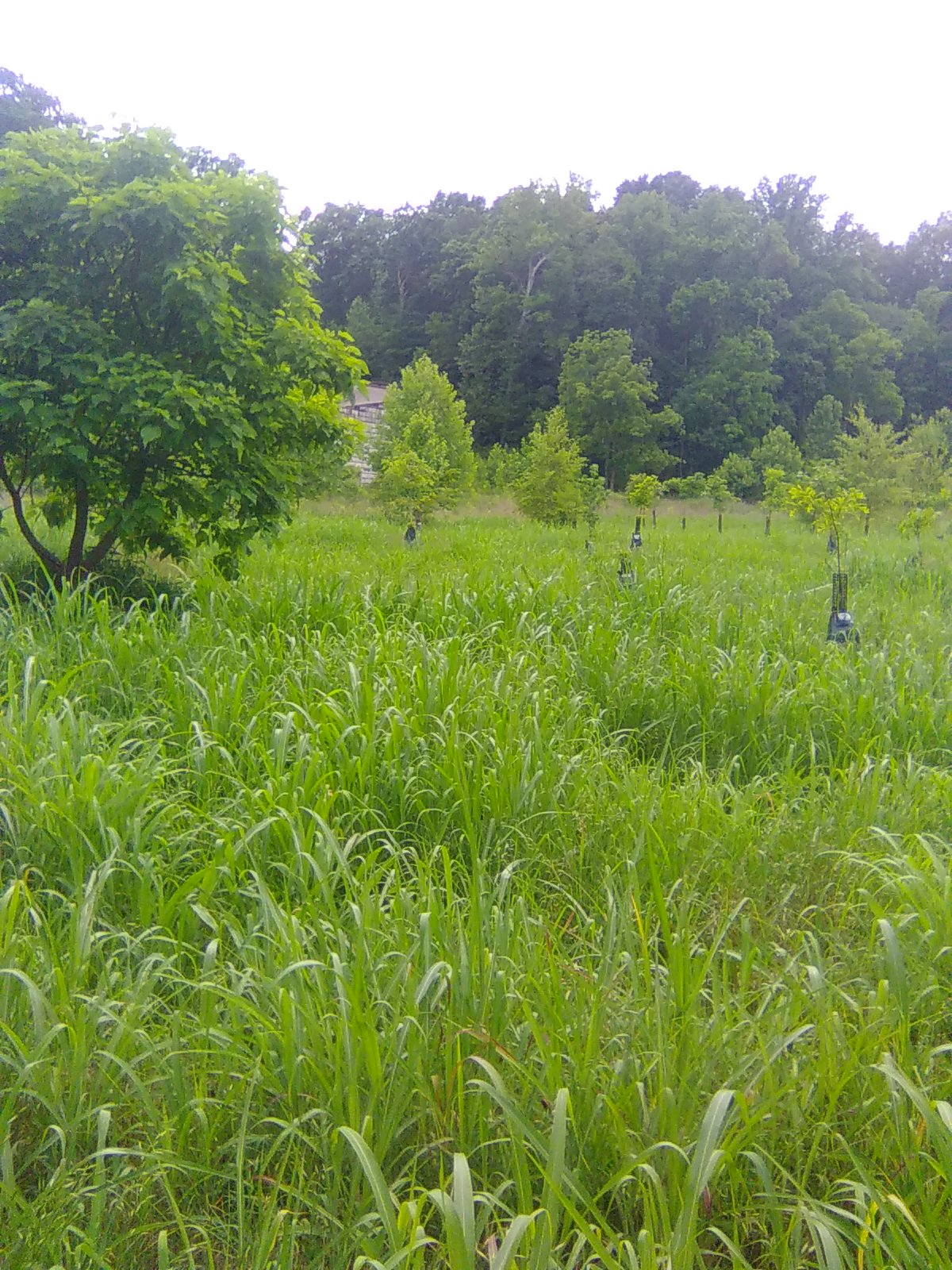
Covered a lot of ground today, mostly running, but some walks too. Started out on Seaton Valley and then up to Boulder Pond and Paw Paw. Ran up the silo steps and took a break at the top. There was a graduation party going on at the Pignic Barn. Congrats Grads! Saw Honeysuckle, Rocket Larkspur, and Milkweed along the trails today. On the way back to Seaton Valley there was a energetic little Cricket Frog near one of the creeks. Found the rib bone of a White-tailed deer along the Fork across from Mary's Island. A large tree crashed down just beyond the turn where I was. I didn't see it but I heard it and saw the waves in the creek.
Past and Present
Standing there looking over at the quiet woods of Mary's Island, it’s wild to think about how much history is buried under the leaf litter of the old Seatonville settlement. Where a pioneering water mill once churned Floyds Fork into a bustling local hub, nature has completely reclaimed the shoreline, turning Mary Bingham's namesake sanctuary into an undisturbed haven. That fallen tree crashing down felt like a sudden reminder of how quickly the tides can turn, a sentiment echoed heavily on the global stage this past week. Between the anxious global watch over the fragile, fracturing ceasefire overseas and the high-tech updates on the domestic front—like the University of Minnesota's breakthrough in altering metal film thickness by mere nanometers to control electronic properties—it feels like we're constantly navigating massive waves of change. Even the sports world took a hit of dramatic turbulence on Friday night when Victor Wembanyama's late turnover and missed buzzer-beater left the Spurs down 2-0 against the Knicks in a nail-biting Game 2 of the Finals.
It makes you appreciate the steady resilience of places like Seaton Valley, where the timeline moves a bit slower. While the tech world was buzzing over new ultraviolet camera footage proving that tree tops actually sparkle with faint electrical charges during thunderstorms, the trees out here are just doing what they've always done—growing, falling, and providing life for the next generation of cricket frogs. No matter how loud the headlines get or how much pressure is on young stars like Wembanyama to mount a historic comeback as the series shifts to New York, the rhythm of the trail stays grounding. Walking back out toward the trailhead under the afternoon sun, I couldn’t help but smile at the thought of all those graduation celebrations echoing through the park. It’s a big, chaotic world out there, but seeing the next generation stepping up reminds you that there’s always a bright path forward.
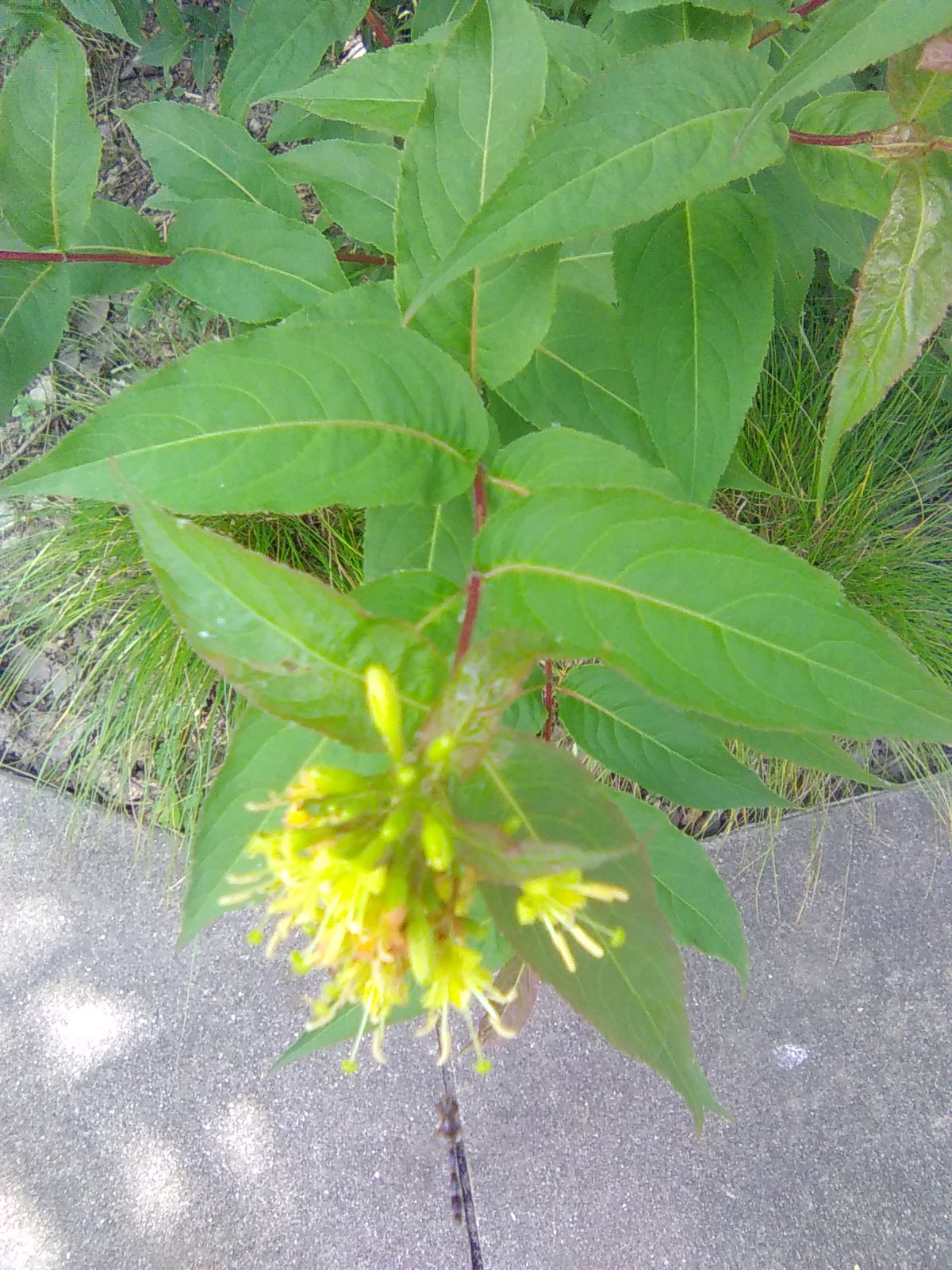
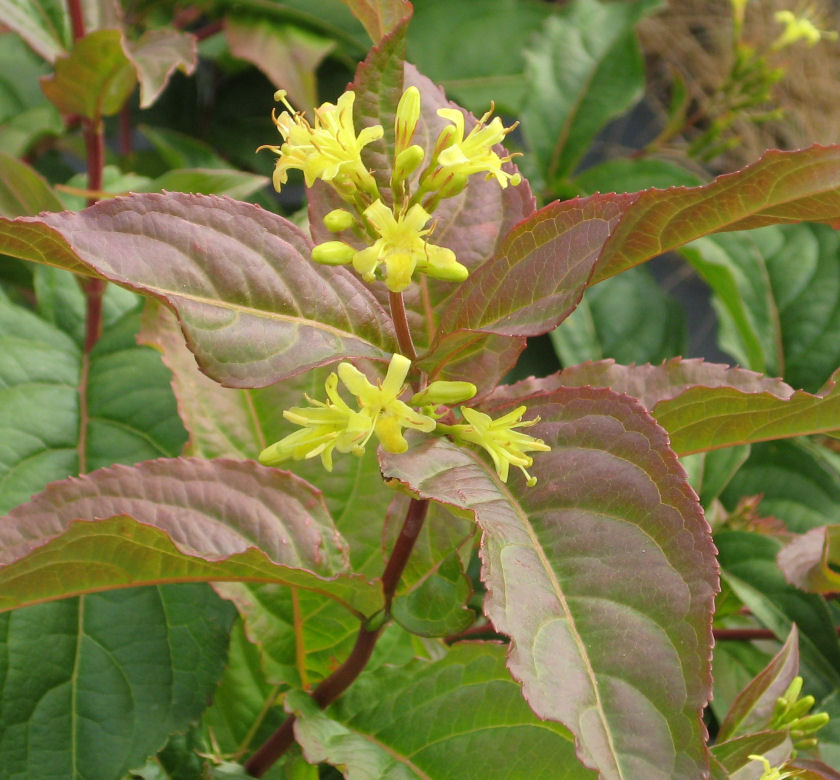
The Northern Bush Honeysuckle (Diervilla lonicera) - A resilient, low-growing deciduous shrub native to eastern North America. Typically reaching heights of just two to four feet, it is highly adaptable and thrives in dry, rocky, or poor soils, making it an excellent natural choice for stabilizing slopes and preventing erosion. From early to mid-summer, the shrub produces clusters of sulfur-yellow, trumpet-shaped flowers that uniquely shift to a reddish-orange hue as they age, acting as a vital nectar source for native bumblebees, butterflies, and hummingbirds. Most importantly, unlike its aggressively destructive Asian counterparts (such as Amur honeysuckle), this well-behaved native species coexists harmoniously within woodland ecosystems, offering valuable wildlife support without choking out surrounding flora.
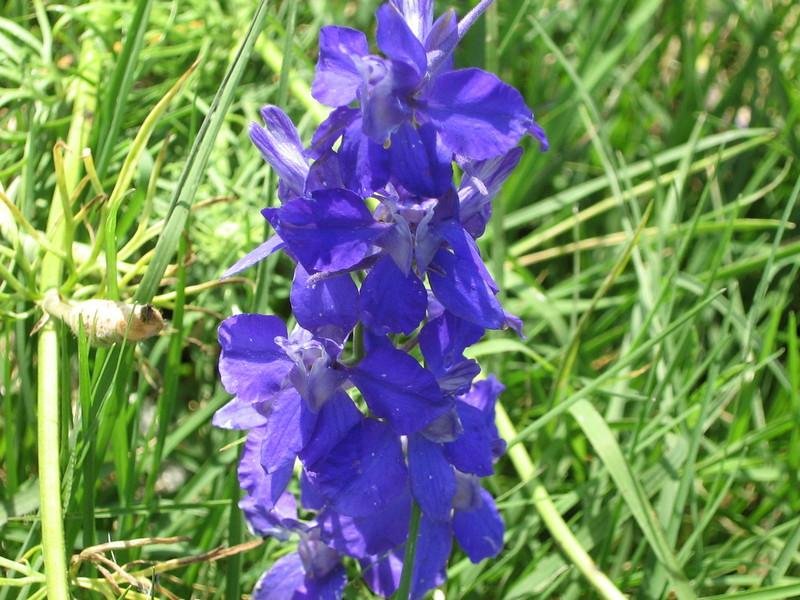
Rocket Larkspur (Consolida ajacis) - A striking, self-seeding annual that brightens open meadows and sunny park edges from late spring through mid-summer with its tall spikes of vibrant purple blossoms. Originally native to the Mediterranean, this adaptable plant is easily recognized by its exceptionally fine, feathery foliage and flowers that produce a single upright seed pod. In contrast, the prized native Dwarf Larkspur (Delphinium tricorne) is an early-blooming spring ephemeral found on shaded woodland floors, sporting broad, hand-shaped leaves and distinct, three-horned seed pods. While both plants share the signature backward-pointing nectar spur that local pollinators love, Rocket Larkspur trades the fleeting lifecycle of its woodland cousin for a sun-loving, summer-long display.
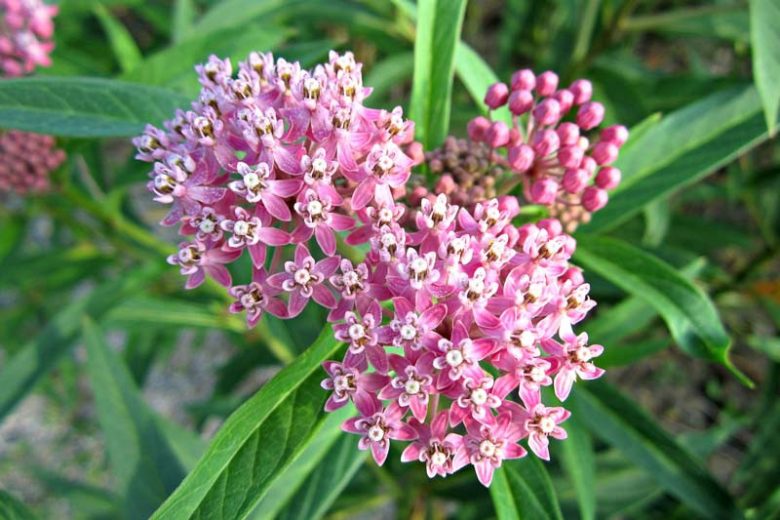
Common Milkweed (Asclepias syriaca) - A robust and ecologically indispensable native perennial easily recognized by its thick, upright stems, broad opposite leaves, and large, spherical clusters of fragrant, dusty-pink flowers that bloom throughout the summer. True to its name, the plant exudes a sticky, milky sap when damaged; while toxic to most creatures, this sap contains cardiac glycosides that Monarch butterfly caterpillars safely consume and sequester, rendering both the caterpillars and future butterflies foul-tasting to predators. Beyond its famous role as the exclusive host plant and lifeline for the Monarch, this resilient wildflower fills sunny fields and trail margins with a rich, honey-like aroma that supports a bustling marketplace of diverse native pollinators.
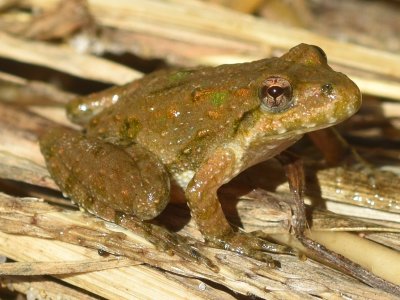
The Blanchard's Cricket Frog (Acris blanchardi) - A tiny, ground-dwelling amphibian native to the diverse wetlands and river basins of the central United States. Measuring just 1 to 1.5 inches in length, this master of camouflage is characterized by its rough, warty skin and a highly variable color palette, frequently sporting a vibrant lime-green or rusty-red stripe along its spine. Rather than a typical croak, it is named for its distinctive breeding call, which mimics the sharp, rapid clicking of marbles. Thriving along the muddy, gravel-strewn banks of slow-moving water sources, this diminutive frog possesses astonishing leg strength, allowing it to escape predators by leaping up to three feet—nearly thirty times its own body length—in a single, explosive bound.